
We begin this month’s monitor in East Africa with a piece from Yonas Berhane, Coordinator, Communications & Profile Management at the Institute for Peace and Security Studies (IPSS), who writes about the ongoing conflict in Tigray. His article touches on the possibility for negotiations to end the conflict and the prospects of peace in Ethiopia. This is followed by a piece from Jesutimilehin O. Akamo, Coordinator, Research at IPSS who writes about the extension of the timelines of the Revitalised Agreement on the Resolution of the Conflict in the Republic of South Sudan and argues for greater inclusion of the youth in the peace processes in South Sudan.
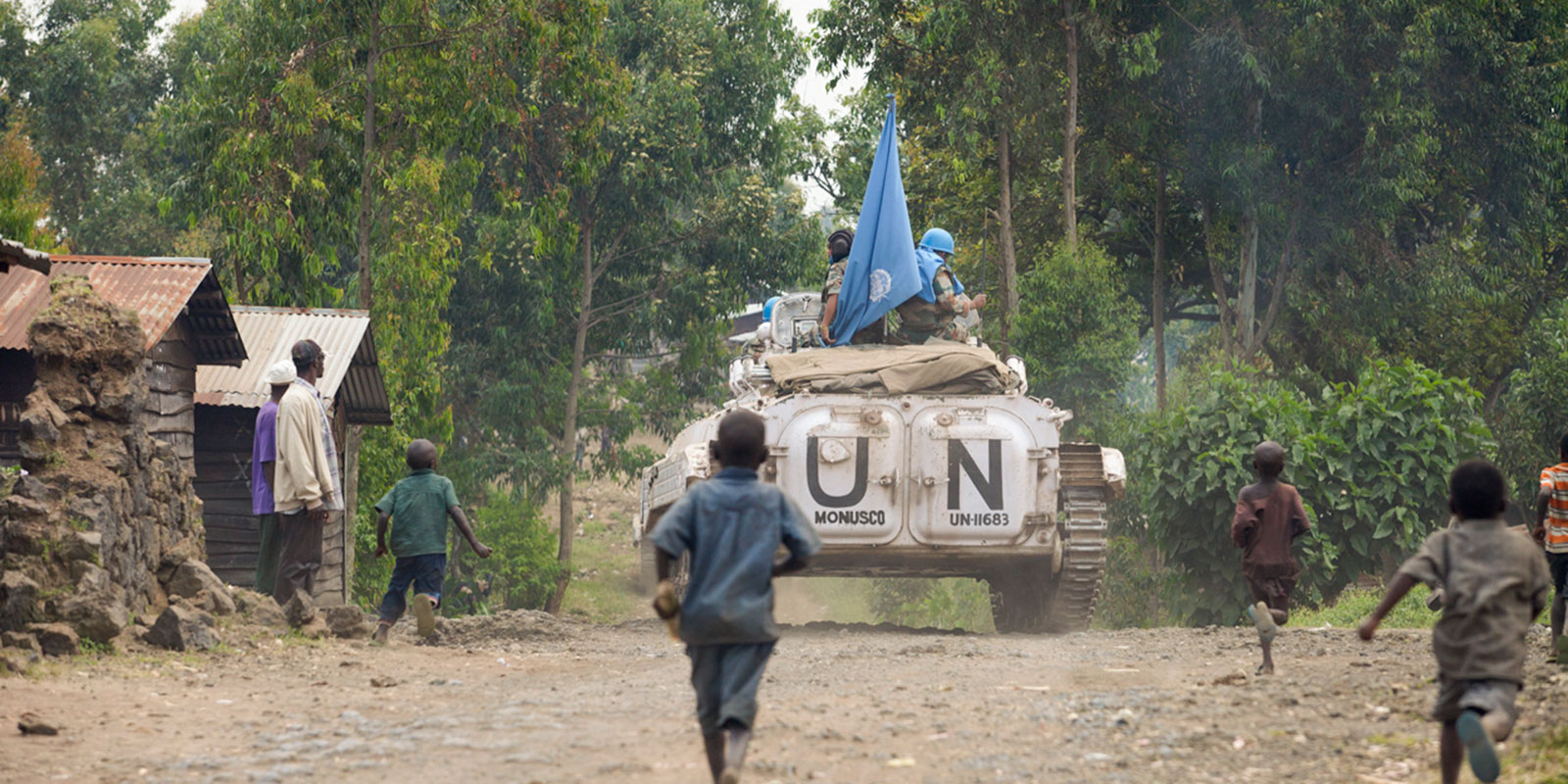
We then head to Southern Africa, where Dr. Yvan Yenda Ilunga, Assistant Professor of Political Science and International Relations at Salve Regina University, discusses the causes of the recent protests against United Nations (UN) peacekeepers in the Democratic Republic of Congo (DRC) and the successes and failings of the UN Mission in the DRC.
The DRC recently hosted the 42nd Ordinary Summit of the Southern African Development Community (SADC) and Katharine Bebington, programme officer at ACCORD, has written an article reflecting on some of the key outcomes of the Summit.
Finally, Peter Fabricius, an independent foreign policy analyst, discusses the recent visits to various African countries by the United States and Russia and the implications of a new era of Cold War-type great power rivalry for Africa.