Years: 2023

  • Conflict & Resilience Monitor – 20 December 2023

    Conflict & Resilience Monitor – 20 December 2023

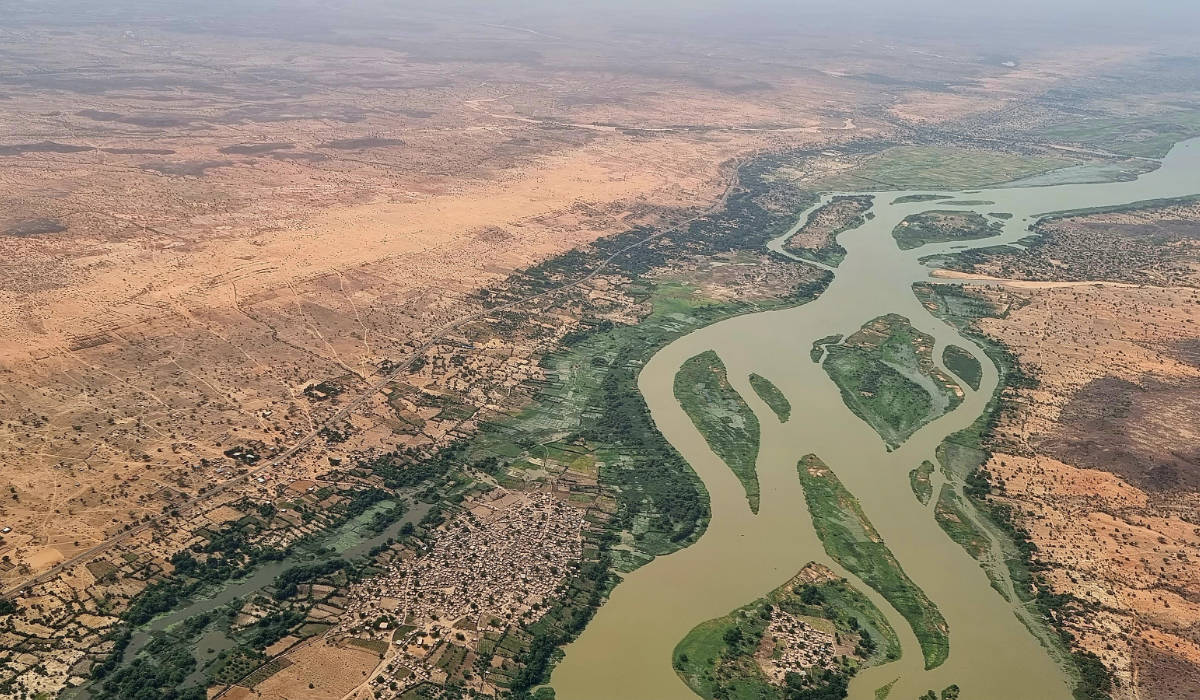
    For the final Monitor of the year, we feature a piece from Madam Graça Machel, the Chair of ACCORD’s Board of Trustees, on intergenerational justice and human rights in a time of planetary crises in Africa. In this piece, Madam Machel discusses intergenerational responsibilities in the context of the current climate crisis, nuclear threat and the scourge of inequality. Staying with the topic of climate change, Freedom C. Onuoha has authored a piece which zooms in on climate change induced conflict in the coastal communities of Nigeria’s Niger Delta Region. The piece also explores opportunities for internal security operations to better manage climate change induced conflicts.

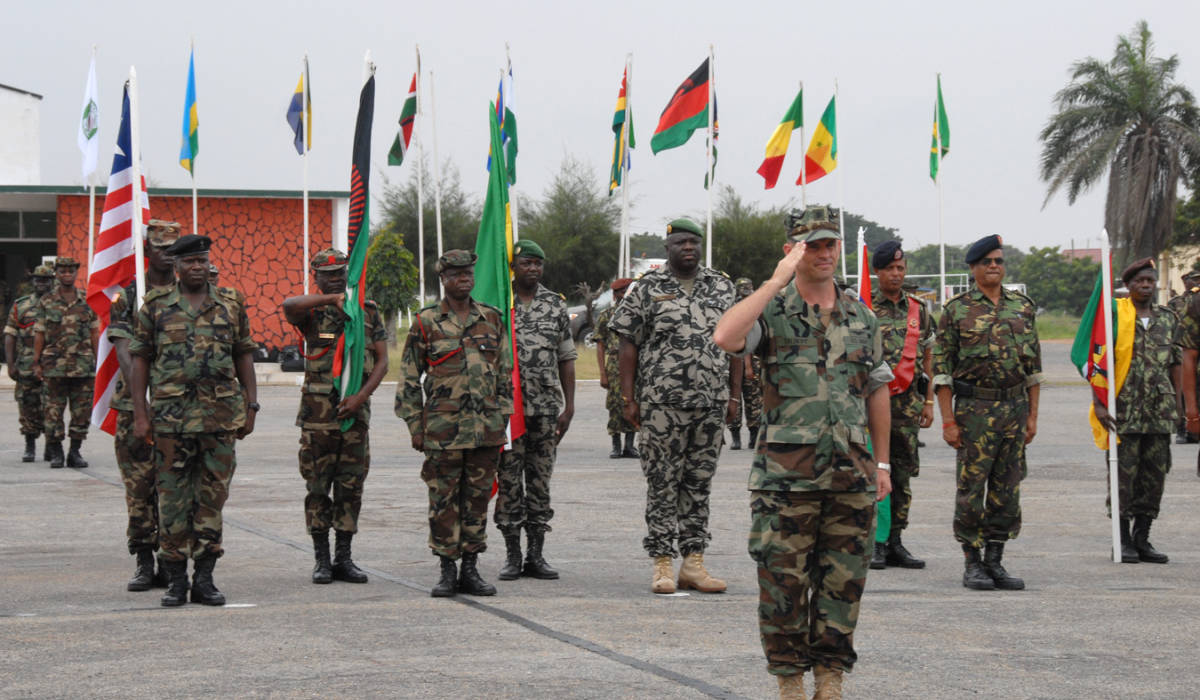
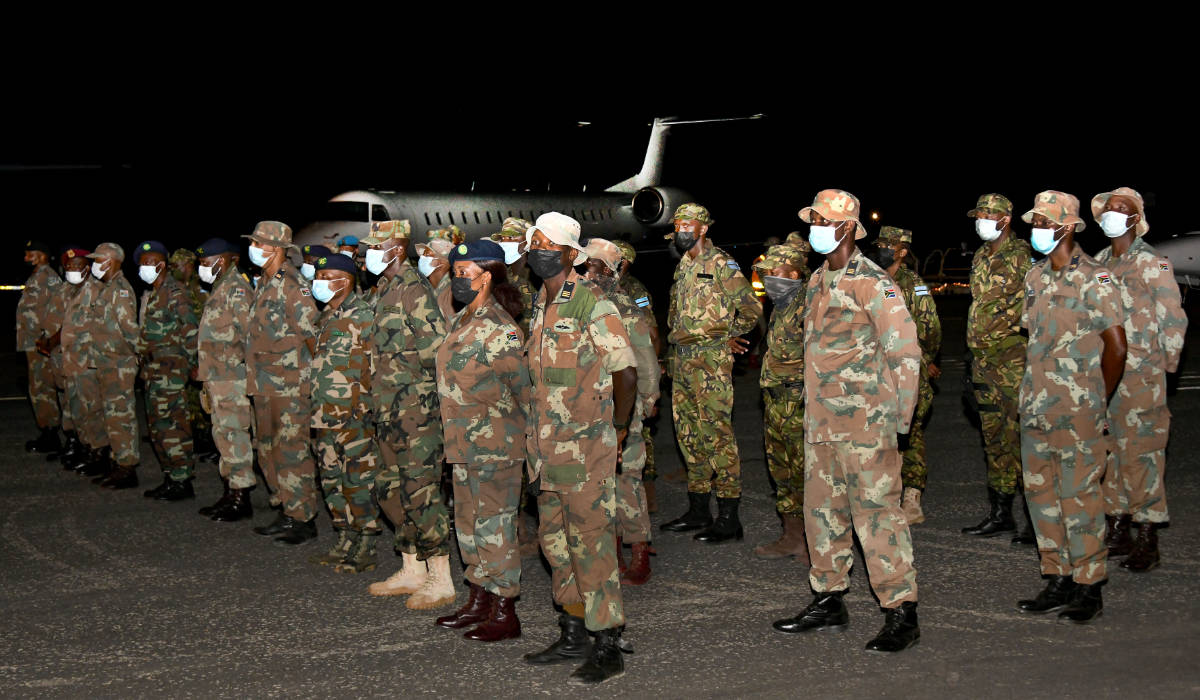
    Our third piece is from Cedric de Coning on the unintended consequences of United Nations financial support for African Union Peace Support Operations. In it he argues that such financial support will affect African agency and ownership among other transaction costs and performance-related aspects. Related to discussions on peace operations, Chikondi Chidzanja has written on SAMIM as a pragmatic approach to peace operations and counterterrorism in Southern Africa. He argues that the principles behind its practice could mark a new generation of peace operations.

  • Intergenerational justice and human rights in a time of planetary crises in Africa

    Intergenerational justice and human rights in a time of planetary crises in Africa

    Intergenerational justice is essentially concerned with the duties and responsibilities that present generations have to past and future generations, and the moral considerations that ought to be considered when actioning these duties and responsibilities.

    I aim to address a few threats facing our world— the climate crisis, the nuclear threat, and the scourge of inequality— and the intergenerational responsibilities incumbent upon us to leave a legacy of longevity, prosperity and vibrancy for generations to come. These planetary crises are challenges that we face collectively as one human family, and must be overcome with the richness of our full diversity.

    Climate Change

    The current climate emergency is a result of the irresponsible models of development and the greedy method in which we have exploited natural resources in our path to industrialisation. We have violently destroyed the equilibrium of nature. And in every corner of the globe, she is responding furiously to our aggression. Not one of us is escaping her fury: extreme temperatures, unpredictable weather events, and devastating natural disasters are befalling every corner of the globe with unprecedented severity.

    Humanity has a rapidly closing window to secure a liveable future. The responsibility lies with us to reverse the trend of ignoring the science and have the moral courage to place ‘planet above profit.’ We must take the adequate, bold measures required to contain the destruction we have created, renew what has been destroyed, and provide fertile ground for a much healthier planet. We have less than a decade left to hold the global temperature rise to 1.5°C, and avoid irreversible effects on the planet. We must halve emissions by 2030 and arrest the biodiversity crisis. The climate emergency is unfairly hitting the most vulnerable hardest.

    Children are bearing the brunt of climate change now, and are growing into adulthoods where the impacts of this emergency are on course to becoming even more devastating. UNICEF has reported that 25 of the 33 countries identified in the Children’s Climate Risk Index as those worst affected by climate change are in sub-Saharan Africa. About 490 million children under the age of 18 in these 35 African countries are in the highest risk category for suffering the impact of climate change. In light of these alarming statistics, we must move at a much quicker pace to strengthen policy and legislation around climate.

    Centring human rights to move from climate action to climate justice is an imperative of both older and younger generations alike to build a more equitable and healthier planet for all. I offer a few examples from Africa–a continent, which we all know bears the disproportionate burden of climate disasters and negative impacts.

    There are examples of how National Human Rights Institutions in Africa are using their various mandates to address climate change and human rights issues. One example is an investigation by Kenya’s National Commission on Human Rights into rights violations including killings, forced evictions, inadequate compensation for resettlement and the non-recognition of the land rights of indigenous communities within the framework of the Water Towers Protection and Climate Change Mitigation and Adaptation Programme.

    Climate change is not just an environmental and economic issue, it is also a human rights issue. Litigations brought forth by climate activists in addressing questions of fact or law around the causes and effects of climate change is increasing. As of July 2022, there were 14 reported cases in Kenya, Nigeria, Uganda, South Africa and the East African Court of Justice (in the latter case, against the governments of Uganda and Tanzania). Nine of the 14 cases hail from South Africa. Among the reasons for the marked uptick include increasing youth climate activism and international solidarity. The winds of change are blowing from continent to continent, and fertilising human-rights centred movements of action across borders.

    All over the world, child-led climate activism has grown exponentially, providing further impetus to popular demands for climate action and adding a new facet to the debate: intergenerational justice and equity. Despite their overall exclusion from the political processes that influence climate policy, African children have galvanised around the need for climate action and worked to have their voices heard, sometimes at great cost – whether it is Kenya’s “Super Kids” saving forests, or school children in Nairobi, Cape Town, Kampala, and Lagos walking out of their classrooms in climate protests.

    Intergenerational dialogue is increasingly at the heart of our climate efforts in Africa, as are championing the voices of new youth and women climate leaders. Our youth must be equipped from a young age with the knowledge and tools of climate action, and supported by those of us already in positions of influence and authority to lead us into a more sustainable future. We need to take them by the hand and sit them at the decision making tables with us. They are already at the forefront of the response to climate change, and are some of the loudest and most effective voices.

    Nuclear Weapons

    Unfortunately, we have created a world where climate change is not the only threat to our existence and to future of generations to come.

    It is man’s suicidal attraction to the machinery of war which has brought us to the brink of unprecedented destruction. Within the dark cloud of nuclear warfare, sits the potential for uncontrollable conflict, geopolitical instability, long-term environmental and health effects, and societal collapse to rain down on us all. What kind of madness is this? Why do we spend billions of dollars developing technologies to kill ourselves?

    The competition for geopolitical supremacy is a dangerous driving force behind this irrational race for nuclear armament. Despite reductions in nuclear stockpiles since the end of the Cold War, it is estimated that almost 13,000 nuclear warheads remain in existence. Experts suggest these numbers are set to rise. Some nuclear states are modernising or intensifying their capabilities, while some have increased the role of these weapons in their security policies. New technologies, including hypersonic nuclear-capable missiles, Artificial Intelligence, and cyber capabilities, are impacting decision-making by leaders in crisis settings, and increasing the risks of nuclear conflict through accident or miscalculation.

    Each of us have a moral obligation to humanity to work in our spheres of influence and contain the nuclear threat. We encourage young legal minds to serve as front line defenders for our humanity and advocate for the prohibition of nuclear weapons. Civil society and every day citizens—particularly youth and women—must mobilise around diverse, grassroots movements that are anti-nuclear and influence the nuclear policy community to de-escalate threats. We must shift our mind sets to clearly understand that nuclear weapons are a source of insecurity, not security.

    Inequality

    And speaking of narratives and paradigms which must be shifted, I will conclude with a brief exploration of inequality as a planetary crisis.

    The socio-economic approaches of previous centuries and prior decades are no longer fit for purpose. Overall global economic growth over the past few decades has not translated into widespread positive wellbeing outcomes for us as a human family. COVID-19 uncovered hard truths that the divides of global inequality are deepening and expanding. From most recent World Bank estimates this year, nearly 10% of the world’s population, or over 700 million people, are living in extreme poverty and on an income of less than $2.15 a day.

    We are witnessing an upsurge in conflicts and violence the world over, which impacts us all. Extreme inequality is eroding our social cohesion and sowing division within and between nations. Gross imbalances in access to quality education, healthcare and food security, as well as the horrific violence women face due to gendered power dynamics, are a stain on our moral conscious for which we must all be held to account. The exclusion of marginalised groups from mainstream political, economic and social life is not only an injustice to them, but denies us all the benefits of contributions from the fullness of our human family. Our current social and economic landscapes are insensitive to human rights and respecting the human dignity in us all, and therefore inevitably perpetuate inequalities and sustain poverty.

    And this inequality perpetuates itself across generations. Children born into disadvantaged circumstances are often denied the full spectrum of their human rights and face obstacles to success, creating a cycle of disadvantage that persist for decades.

    These vicious cycles of inequity are man-made, and must be broken! Without conscious efforts to centre human rights and dignity for all at the core of how we live and operate in society, we risk the perpetuation of unhealthy power imbalances we have lived with for far too long.

    In conclusion I would like to acknowledge that the choices we make today profoundly impact future generations. These generations have the right to inherit a planet that can sustain life, with access to clean air, water, and a stable climate. That is free from the scourge of poverty and the devastation of war and threat of nuclear disaster. Together, we can build a world where the human rights of every child and every person are protected and celebrated. Let us take up this mantle with vigour and passion, and be the champions of change our world so desperately needs.

    Madam Graça Machel is the Chair of ACCORD’s Board of Trustees.

    This article is adapted from a speech delivered by Madam Machel on 27 October 2023, at Leiden University. The speech can be accessed here.
  • Climate change induced conflict in coastal communities of Nigeria’s Niger Delta region and internal security operations: perspectives for the future

    Climate change induced conflict in coastal communities of Nigeria’s Niger Delta region and internal security operations: perspectives for the future

    The manifestation of climate change is driving dramatic shocks that exacerbate migration, disasters, and conflicts. Climate change is already adding a complex dimension to the humanitarian, security and natural resource challenges that confront communities and states. Hence, climate change is often described as a “threat multiplier” because it exacerbates the risk factors that already give rise to conflict and instability.

    Its manifestation and impact are evident in Nigeria, which is among the top 10 of the world’s most climate vulnerable countries. Population growth, rising urbanization and persistent environmental degradation are intensifying competition over scarce resources such as land, water and fisheries in Nigeria. Climate change is already compounding the level of competition for resources, resulting in conflicts in some parts of the country such as in coastal communities. The default response of the Nigerian government to violent conflict is the deployment of internal security operations (ISO). This approach sometimes ends up complicating the security situation, resulting in human rights violations especially as the military usually takes the lead. Yet, conflicts in coastal communities are further expected to intensify against the backdrop of global climate change. Therefore, understanding how climate change contributes to conflicts in coastal communities in the Niger Delta region and proactively retooling ISO to become more effective in managing conflicts will be crucial in promoting human security in an era of extreme weather events.

    Climate Change and Conflict in Coastal Communities

    Climate change is exacerbating the existing physical, ecological, and socio-economic stresses on Nigeria’s coastal communities. These impacts lead to the degradation of coastal ecosystems, loss of livelihoods and sometimes result in conflicts in some affected areas. Climate change exacerbates root causes of conflict in Nigeria, manifesting through diverse pathways, of which three are evident in coastal communities.

    Distress Displacement: Climate change has increased the intensity of flooding, leading to the submergence of coastal communities in Nigeria. It is predicted that a 0.2-meter rise in sea level would lead to the displacement of about 200 villages in the Niger Delta region, while a projected sea level rise of more than 1 meter could flood much of the Niger Delta and force up to 80% of its population to higher ground. Distress displacement due to flooding is already forcing people to the hinterland where they end up putting pressure on scarce resources like land and heightening conflict risks in receiving communities. Environmentalists have warned that “displacement as a result of flooding would lead to a resource struggle between communities and thus breed conflict in the Niger Delta”.

    Resource Depletion: Climate change also contributes to conflict in coastal communities by reducing the availability of marine resources on which many people depend. Sea level rise, changes in water temperature and erosion are triggering the migration of fish stocks, and affecting the ability of the coastal population to fish. Violent spats over fishing grounds are not new in coastal communities of West Africa, but as sea levels rise due to climate change, such altercations will multiply, provoking further conflict. The rise in sea level has resulted in loss of fishing ground and conflict over fishing areas such as the Igbetaewoama community in Bayelsa State. In the face of depleting fisheries, fisherfolk in coastal communities of the Niger Delta are adopting different coping strategies such as the use of longer and wider fishing nets. 

    Eco-Migration: Climate change-induced migration has also increased the incidents of violent conflicts, especially over land and water in coastal communities. The clashes are common between pastoralists and farmers. Nigeria is plagued by incessant deadly clashes between herders and farmers, which was previously concentrated in the northcentral zone or middle-belt region but has progressively spread down to the south. Desertification and drought induced by climate change are undermining livelihood sustainability in northern Nigeria, forcing Fulani pastoralists to migrate southwards in search of greener pastures where they end up competing for available scarce resources with their host communities. Eco-migration and resultant competition have led to violent clashes in some coastal communities of Bayelsa, Delta, and Cross River states, among others. For example, clashes between farmers and herders in Okordia and Zarama communities of Bayelsa state in March 2023 claimed three lives. A similar clash in April 2017 in the Obio Usiere community of Cross River State resulted in the death of over 10 persons.

    Reimagining of Internal Security Operations to better Manage Climate Change Induced Conflicts

    Military-led ISO has become a prominent tool by successive governments to contain various security challenges across Nigeria. ISO are those acts carried out by the domestic security agents such as the Police, Customs Services, Immigration Services, and others for the purpose of containing domestic threats to the security of the country. Deployment for such security operations may range from police to paramilitary forces, and in exceptional circumstances, the military itself. Nigeria’s model of ISO is such that the Nigerian Police Force, on paper, is the lead agency in dealing with any security challenge. However, deployment of military troops for sundry internal security purposes has become ubiquitous, to such an extent that it is now a reflex action for governments in response to most violent security threats. Inevitably, friction, tension and human rights abuses have ensued.

    As the country grapples with conflict risks related to climate change, it is imperative that Nigeria’s political, military and security leaders begin to reimagine and retool the framework of ISO to become fit-for-purpose. The first consideration is to recalibrate the framework to strengthen police capacity and properly reposition it as the lead agency for internal security

    The second consideration is to prioritise joint training and retraining of mid-level officers of military, paramilitary, security, intelligence and law enforcement agencies to instil a joint orientation, which is essential to effectively respond to complex situations triggered by extreme weather events. This should be matched with a robust rule of engagement that serves political, operational and ethical purposes, while primarily making it possible to achieve mission objectives without undermining human rights or compromising the security of deployed forces.

    Recurrent incidents of human rights violations by security forces also demand that respecting, protecting and promoting human rights must be given the highest priority attention in policies and practices regarding ISO. Crucially, observance of human rights increases the public’s confidence and trust in security forces, which is critical to peacebuilding and conflict management.

    The review of the code of conduct of the diverse defence, security and law enforcement agencies involved in ISO is required to better align them to the imperative and environment of new joint operations imposed by climate risks. Added to this is the imperative of mainstreaming gender into a reformed ISO framework to increase public trust, improve operational effectiveness, and enhance mission success. 

    Climate change is indeed a threat multiplier that is already increasing the potential for conflicts across coastal communities in Nigeria. As climate change intensifies, it engenders displacement, resource scarcity, and migration. Effective response to conflicts induced by climate change demands for a robust framework of conflict and security management. Now is the time for Nigeria to begin to reimagine and retool its ISO framework to be nimble in disrupting cycles of violence, resolving conflicts and building resilience in coastal communities.

    Freedom C. Onuoha is a Professor in the Department of Political Science of the University of Nigeria, Nsukka

  • The unintended consequences of UN financial support for AU peace support operations

    The unintended consequences of UN financial support for AU peace support operations

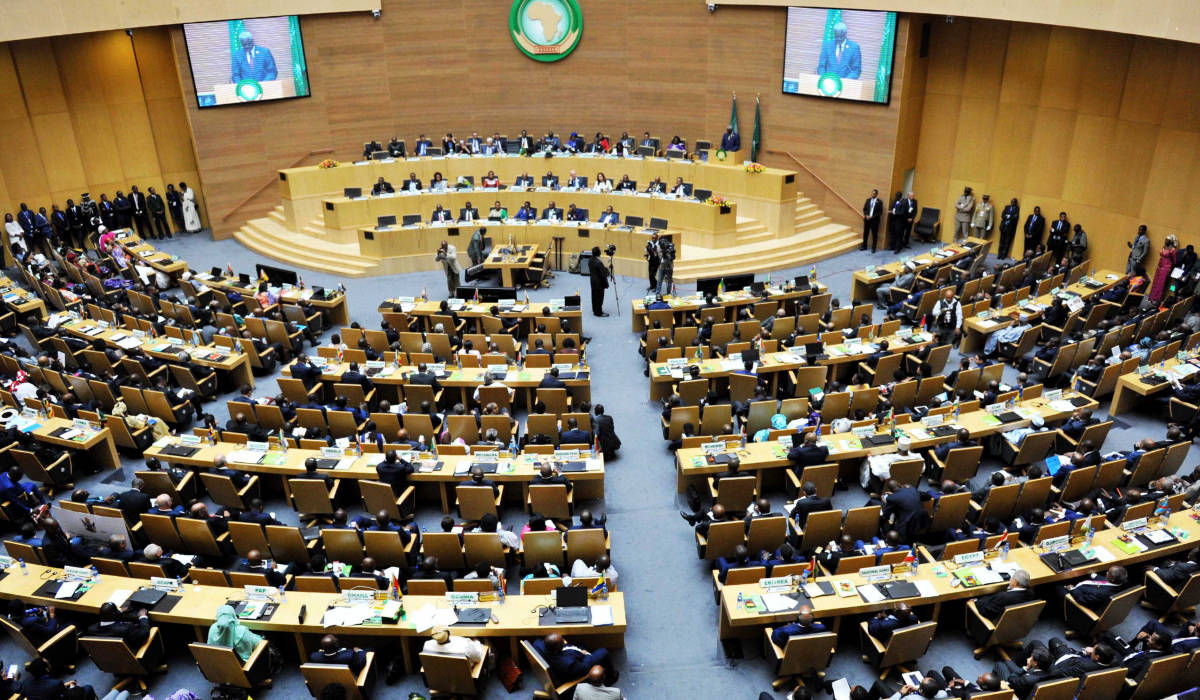
    The African Union (AU) has adopted a common position on the financing of AU peace support operations through the United Nations (UN) peacekeeping budget, and a UN Security Council resolution to this affect is currently being negotiated. The AU hopes this funding arrangement will solve the problem of finding adequate and predictable funding for its peace operations. However, financing AU peace operations via the UN will have several unintended but foreseeable negative consequences that need to be taken into account.

    The most serious negative consequence of seeking UN funding for AU peace operations is loss of African agency. The AU’s consensus paper stresses the importance of African ownership. However, if an AU peace operation were to be financed via the UN’s assessed contribution peacekeeping budget, it will require a UN Security Council resolution that spells out the mandate, scope, timing and size of the operation. The implication is that the ultimate decision-making power about the roles, size, deployment and withdrawal of such an operation shifts from the AU, and the African member states responsible for undertaking the operation, to the UN Security Council. 

    The culture in the UN Security Council is that one, occasionally two, of the members of the Security Council holds the pen on resolutions related to a specific country on the Security Council’s agenda. If significant funding is involved this is normally a permanent member, for example, the United Kingdom has for many years now held the pen on the UN’s resolutions on Somalia. As the AMISOM/ATMIS experience has shown, the implication of this arrangement is that one Security Council member ends up having significant power to influence the scope, size and timing of an AU operation. 

    The African experience over the last twenty years has shown that when peace enforcement is required, decisions over the scope, size and timing of these missions have often required head of state and government level decision-making. This is because to deploy a country’s armed forces into a combat zone, where casualties are likely, and to accept the financial costs associated with sustaining such an operation, commitment is needed at the highest level. As a result, many of the peace enforcement operations deployed to date in the African context were undertaken by regional organisations like ECCAS, ECOWAS and SADC, where decisions to deploy, and to renew mandates, are taken at the heads of state and government level. 

    These regions have sought endorsement from the AU’s Peace and Security Council (PSC) but it has shown reluctance to hand-over ultimate decision-making power from heads of state and government to an ambassadorial-level AU body in which few of the states that deploy forces are represented. Similarly, a decision to hand over the authority to make these critical decisions to an ambassadorial level UN body, which takes decisions based on majority votes, and in which Africa only has three elected members, and no veto powers, should thus be considered with caution. 

    UN financing of AU peace operations will have significant unintended, but foreseeable negative consequences, most importantly on African agency and ownership, but also in terms of transaction costs and on mission performance and effectiveness

    As the AMISOM/ATMIS, UNAMID/UNITAMS, AFISMA/MINUSMA, MISCA/MINUSCA and other experiences over the past two decades have shown, the UNSC penholder and some of the other UN Security Council members are likely to have different interests than the AU member states and decision-making bodies that are undertaking and overseeing these African missions. This is also reflected in the current negotiations over the financing of AU peace operations resolution, where permanent members of the UNSC are insisting that it should be the Security Council that initiates any consideration of UN funding. They fear that if they have to respond to a request from the AU’s Peace and Security Council it will force the UNSC to react to an operational concept that is framed in African interests. 

    Another dimension to be considered is that in the current reality of networked multilateralism the AU and UN have developed a strategic partnership where, in most political and security crisis in Africa, they work closely together, often with the AU or other African initiatives leading mediation, peacemaking and peace enforcement efforts. Accepting UN financing for AU peace operations will alter this arrangement in that the UNSC will have the ultimate decision-making power over these operations, and the AU will become its implementing partner. The hope in the African consensus paper is that UN financing will enable it to do more, but as these examples show, there is a high risk that UN financing will actually dilute and undermine African agency and ownership.

    There is also an assumption in the UN financing proposals that all African-led peace operations will be AU operations. The actual African experience over the past twenty years have shown a different reality. Many peace operations are initiated and undertaken at regional and sub-regional levels, for reasons of agency and ownership explained earlier. If UN funding is limited to AU-led operations only two of the seven current African operations will qualify. 

    AU member states also need to be aware of the significant transaction costs associated with UN financing. Mission budgets, including details such as approval of staffing tables, are subject to onerous ACABQ and UN General Assembly Fifth Committee negotiations, where UN member states are notorious for horse-trading on budget items over interests that often have little to do with the effectiveness and efficiency of the mission itself. There will also be significant UNSC oversight and human rights due diligence compliance and reporting requirements that imply that a sizeable portion of AU headquarters and mission staff time will need to be dedicated to managing the demands of the UN bureaucracy.

    A further important unintended but foreseeable negative consequence is the effects of UN bureaucratic rules and regulations on mission performance and effectiveness. One of the reasons why UN peacekeeping is not able to undertake peace enforcement operations is because the UN use a civilian logistical support model that cannot sustain high-tempo dynamic operations. The model works well for UN peacekeeping, where the intensity and tempo are largely predictable. As a result, the UN has developed a comprehensive set of rules and regulations over the years to support this type of operation. However, peace enforcement operations may require active combat and in such circumstances UN support models, and rules and regulations designed for UN peacekeeping will slow-down and undermine the performance and effectiveness of African-led operations. The UN is turning to the AU for help when peace enforcement operations are needed because they are unable to undertake such operations itself. It is thus unrealistic to expect that the UN’s support arrangements can sustain AU operations at the pace and scale needed. 

    The African experience over the last twenty years has shown that when peace enforcement is required, decisions over the scope, size and timing of these missions have often required head of state and government level decision-making

    There are thus significant negative unintended, but entirely foreseeable, consequences of accepting UN funding for AU peace operations. What are the alternatives? In order to ensure African ownership and agency, one option is for African member states to finance its own operations. A good example is the current SADC mission in Mozambique (SAMIM) that is funded through assessed contributions by SADC member states. Although the burden is heavy and the mission would like more resources, the advantage of the mission and SADC having the agency to make its own decisions on the scope, size and drawdown of the mission should not be underestimated. Having limited funding also forces the mission to focus on political solutions, and to work closely with the government of Mozambique, local authorities and civil society in ways that will enable the local stakeholders to sustain these actions after the mission withdraws. SAMIM is not an exception. Many other African missions, including the earlier generation of ECOMOG operations and current missions by the East African Community (EAC) in eastern-DRC or the Multi-National Joint Task Force (MNJTF) in the Lake Chad Basin are largely self-financed. 

    Another option is to finance missions through continent-wide arrangements that channel funds into the AU Peace Fund. This can be via assessed contributions and other forms of levies, and voluntary funding. Designing African missions that can be self-funded, or financed via the AU Peace Fund will require smaller and shorter missions that are less costly. This implies short-duration, highly specialized and results-focused missions. This approach has many positive attributes, including that it avoids an operation from becoming entangled in a political economy where some stakeholders have an economic interest in the continuation of the operation. Many contemporary African missions combine these two sources of funding. They are largely self-financed, but they receive some support from the AU, including via the Peace Fund, and some support from partners like the European Union.

    There may be extraordinary circumstances, as was experienced in Rwanda in 1994, that may require the rapid deployment of a peace enforcement operation of a size that cannot be funded via the AU Peace Fund. The AU consensus paper hopes that in such circumstances the UN can financially support an AU led operation. One of the main lessons that can be identified from the African peace operation experience of the past 20 years is that each situation is unique and thus requires its own context-specific coalitions and partnerships. This lesson should caution African countries to enter into a framework agreement that will lock all future UN supported operations into a pre-determined burden-sharing arrangement. Each situation is likely to require its own partnerships, and its own unique burden-sharing arrangements. An operation that requires joint assessments and planning with the UN, and subsequent diplomatic negotiations to agree on a resolution may not be able to deploy as rapidly as needed. However, as we have seen over the last few years, there are now several African countries that have the capacity and financial capability to intervene rapidly, if an operation is deemed to be in their national interest. Many international partners will also be willing to offer support in such extraordinary circumstances.

    UN financing of AU peace operations will have significant unintended, but foreseeable negative consequences, most importantly on African agency and ownership, but also in terms of transaction costs and on mission performance and effectiveness. This option should thus be considered with caution. Africa should only consider UN financing for AU peace operations as a last resort, and then only for limited durations.

    Cedric de Coning is a senior advisor for ACCORD and a research professor at the Norwegian Institute of International Affairs (NUPI)

  • Situating the SAMIM model within the pragmatic peace operations approach

    Situating the SAMIM model within the pragmatic peace operations approach

    The Southern African Development Community (SADC) Mission in Mozambique (SAMIM) has been present in Mozambique since June 2021. Prior to its deployment, discussions among peace operations scholars and practitioners centred on the mission’s feasibility, given SADC’s lack of experience in counterterrorism operations and concerns about the organisation’s financial capacity to sustain a prolonged mission. This paper intends to illustrate that the SAMIM mission is unique in its pragmatic approach to peace operations and counterterrorism. Using the concept of pragmatic peace operations and the empirical evidence of SAMIM, the paper argues that the principles behind its practice could mark a new generation of peace operations. 

    So far, SAMIM has registered some positive accomplishments; including recapturing villages, dislodging terrorists from their bases and seizing weapons and warfare material, which has contributed to creating a relatively secure environment for safer passage of humanitarian support. Additionally, some members of the community are feeling more secure and some internally displaced persons have started to return.

    It is fitting to ask what has contributed to the relative success of SAMIM in Mozambique so far. I will argue that it may be due to SAMIM’s pragmatic approach to peace operations. Pragmatic peace operations refer to a type of multilateralism where member states are ‘reduced to implementing lowest common denominator policies’ and ‘prioritising conflict containment over more ambitious agendas.’ Pragmatic peace operations are a shift towards practical and context-specific peace operations. This is a move away from ambitious liberal peace operations which have been the dominant form of peace operations since the end of the Cold War. They are characterised by their flexibility, relationality to regional politics, and their adaptability and collaboration. In a broader sense, pragmatic peace operations are innovative and aim to experiment with new approaches to conflict management, including more robust interpretations of peace operations and an increasing reliance on regional actors as providers of peace.

    So far, SAMIM has registered some positive accomplishments; including recapturing villages, dislodging terrorists from their bases and seizing weapons and warfare material, which has contributed to creating a relatively secure environment for safer passage of humanitarian support.

    The SAMIM model provides an apt empirical description of the pragmatic peace operations concept. It is a regional initiative that was recognised by the Peace and Security Council (PSC) on 31 January 2022, when the Council endorsed SAMIM’s deployment as part of the African Standby Force (ASF). This is one of the characteristics of pragmatic peace operations. In SAMIM’s case, they had to rapidly assemble a regional intervention force and contain the situation before it could spill-over and destabilise other countries in the region. SAMIM’s response also shares other pragmatic peace operations characteristics such as its relationality to the conflict and its flexibility and adaptability to the situation. Lastly, SAMIM fits the pragmatic peace operations description because it has been self-funded. It is estimated that the initial budget was US$12 million which was accessed from SADC member states. This is a significant commitment, and a commendable show of African agency, taking into account that in many other regions African countries are seeking financial support from partners for their peace operations. 

    Therefore, this arrangement is rather a unique model for ‘African solutions for African problems.’ A number of factors have contributed towards this pragmatic turn. Firstly, the world order is becoming multipolar, with new peace operations actors, interests, and political values. Power and influence are most likely to be wielded not only by numerous sovereign states, but also by a multiplicity of different actors with alternative identities, values, and institutions. Within such a context, reaching a consensus on peace operations mandates is hard to achieve in the United Nations (UN) Security Council and other multilateral bodies. Therefore, regional actors are stepping up and taking responsibility for security in their own neighbourhood. Secondly, the failure and withdrawal of the United States in Iraq and Afghanistan has led to the critical examination of the liberal approach to counterterrorism and counterinsurgency interventions. Last but not least, the scaling down of UN peace operations, the cutting of its budget and the growing discord in the Security Council has contributed to regional actors taking more responsibility for their own peace operations. 

    In SAMIM, SADC has shown that regional actors are able to plan, mandate, deploy and fund their own operations. The philosophy behind SAMIM’s pragmatic approach is the sense of regional ownership of security crises that is both flexible and adaptive.

    Should the SAMIM model be emulated in other theatres of conflict? The answer is that every peace operation is unique. Every peace operation presents its own unique setting and mandate. Therefore it is not possible to replicate one peace operation mission in another context. However, what can be emulated are the practices and philosophy behind the SAMIM model. In SAMIM, SADC has shown that regional actors are able to plan, mandate, deploy and fund their own operations. The philosophy behind SAMIM’s pragmatic approach is the sense of regional ownership of security crises that is both flexible and adaptive. 

    The SAMIM mission is still on going. Celebration of any successes are premature. At this point, it is unclear how far the host government has gone in dealing with the root causes to ensure sustainable peace when SAMIM withdraws. In addition, SAMIM forces were complimented by Rwandan forces whose contribution should also be recognised. What should be celebrated so far is the fact that they are both African owned initiatives with African enshrined security initiatives. 

    Chikondi Chidzanja is a PhD Candidate at Stellenbosch in Political Science. His research area is on SADC peace operations and counterterrorism.

  • Conflict & Resilience Monitor – 4 December 2023

    Conflict & Resilience Monitor – 4 December 2023

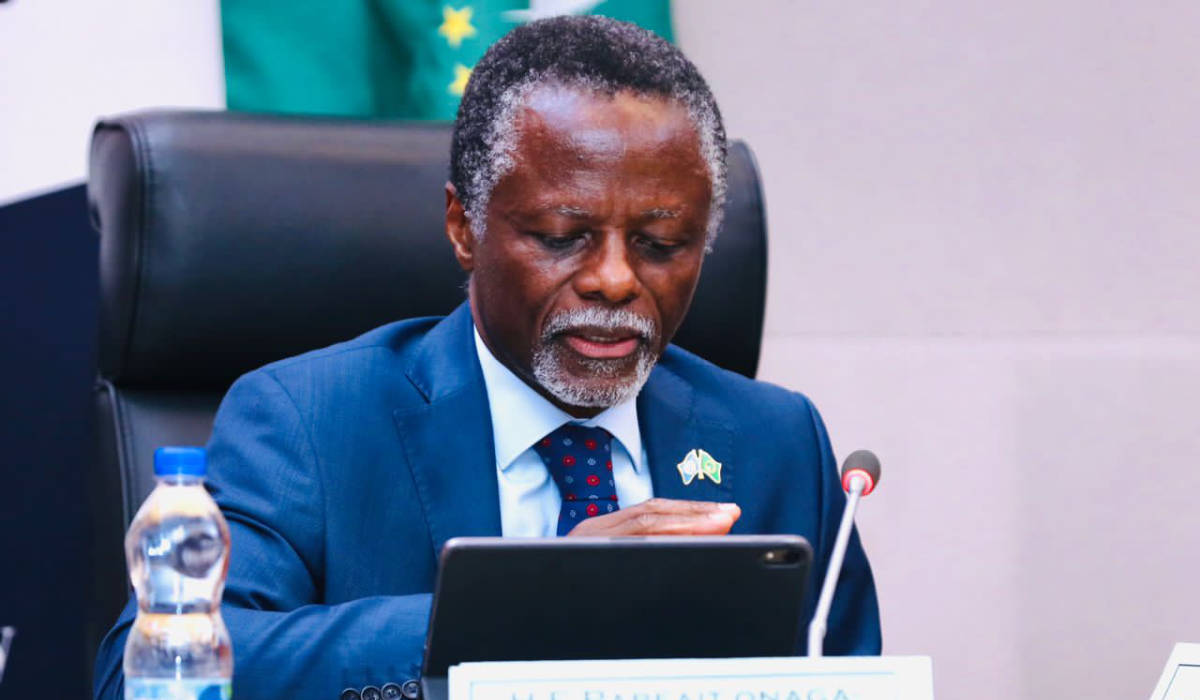
    In the first article of our December edition of the Monitor, Mr. Parfait Onanga-Anyanga, the Special Representative of the United Nations Secretary-General to the African Union and Head of the United Nations Office to the African Union, highlights three principles that should guide the approach to security sector reform in Africa. Our second article, by ACCORD’s Cedric de Coning, is about the need to adapt the African Standby Force (ASF) concept to the evolving peace operations landscape in Africa. The ASF was established twenty years ago, and the African Union and Regional Economic Communities like ECOWAS and SADC, and others have deployed more than a dozen peace operations of their own over this period. Africa thus has its own rich experience that can inform the future of the ASF and African peace operations. 

    As COP28 is currently underway, our next two articles address the issue of climate change. Annika Erickson-Pearson and Munini Mutuku have written an article about the attention that the relationship between climate change and peace will likely receive at COP28. Finally, Neo Letswalo has written an article about greenwashing, the negative impact that greenwashing has on the climate change agenda, and the need for African countries to introduce legislation to protect the public from misleading claims about the extent to which policies or products may contribute to the green transition.

  • The African Union security sector reform policy framework: A decade of implementation: successes, challenges, and perspectives for the future

    The African Union security sector reform policy framework: A decade of implementation: successes, challenges, and perspectives for the future

    Over the last decade, the global landscape of armed conflict as well as the dynamics on the ground have changed. Both the last report of the United Nations Secretary-General (UNSG) on Strengthening SSR in 2022, as well as his policy brief on a “New Agenda for Peace” in 2023, highlight the multifaceted and intertwined challenges we face in sustaining peace and security.

    In addition to promoting peace and preventing conflict, it is also clear that there is a changing nature of armed conflict, with a stronger role for non-state armed groups, terrorist activities, intensified local and regional dynamics on the ground, as well as an increase in unconstitutional transitions. Security Sector Governance and Reform (SSG/R) should be a key element of the political processes of states emerging from conflict and of the strengthening of rule of law institutions. In this context, SSG/R should be addressed early on, as it plays a key role in different phases on the conflict cycle, including in peacebuilding and sustaining peace, but also related to conflict prevention, as well as the stabilisation and post-conflict reconstruction. SSG/R support should go beyond just conflict-related settings. SSG/R processes, support governments to develop representative, effective and accountable security sector governance institutions that emphasise the security and justice needs of the population and facilitate sustainable development.

    A strong political leadership and a clear political will of national authorities are essential for the success of SSG/R processes

    However, this is not an easy process. It must deal with many challenges and sensitivities, as many actors are involved with different priorities and power struggles. The question is then how to address these challenges and sensitivities and how to provide optimal support to countries and the population? There are three principles that should guide this approach, based on the UNSG Report on Strengthening SSR, and the African Union (AU) SSR Policy Framework:

    The foremost guiding principle is trust. This is the cornerstone of the security system. Robust security institutions hinge on integrity, accountability, and transparency. These elements are essential to create trust in national institutions. In addition, trust between governments and their people is necessary to have functioning societies. 

    The second guiding principle is national ownership. As the AU SSR policy framework also highlights, this entails national responsibility and commitment. It encompasses the allocation of human and financial resources. A strong political leadership and a clear political will of national authorities are essential for the success of SSG/R processes. Political buy-in, engagement and planning are also an integral part of larger peacebuilding and development strategies.

    The third and last principle refers to inclusivity. This means giving greater attention to the security and justice needs of all people, women, children, men, and the youth. A people-centred approach to SSG/R is crucial for sustaining peace.

    A people-centred approach to SSG/R is crucial for sustaining peace

    Bearing in mind the above-mentioned principles, is also vital to adopt a comprehensive approach and consider linkages to enhance synergy between various topics such as SSG/R, Disarmament, Demobilisation and re-integration (DDR), transitional justice, human rights, development or national reconciliation.

    It is crucial for all of us to work jointly to achieve our shared goals. This is consistent with the United Nations – African Union Joint Framework for Enhanced Partnership in Peace and Security. Similarly, the UNSG Report on Strengthening SSR underlines the importance of partnerships with organisations such as the African Union. It is important to continue to incorporate SSG/R into these strategic partnerships. This is also true for the different flagship initiatives and programmes, including Agenda 2030 and Agenda 2063, the New Agenda for Peace, as well as the AU Roadmap to Silencing the Guns, the UN and AU SSR Policy Frameworks, the Post-Conflict Reconstruction and Development Policy (PCRD), and the African Peace and Security Architecture (APSA). 

    In the end, it is this holistic approach envisioned by the Secretary-General for next year’s Summit for the Future and our joint efforts that will contribute to sustainable peace and security as well as the advent of a fairer world for all.

    Mr Parfait Onanga-Anyanga is the Special Representative of the Secretary-General to the African Union and Head of the United Nations Office to the African Union.

    This article is an adaptation of remarks made at the Conference to mark the Ten-Year Implementation of the AU SSR Policy Framework in Addis Ababa, 21 November 2023.

  • Revitalising the African standby force: lessons from Africa’s Peace operations experience

    Revitalising the African standby force: lessons from Africa’s Peace operations experience

    The policy framework of the African Standby Force (ASF) was adopted in 2004. In 2024, the African Union (AU) will take stock of the first twenty years of ASF development and operationalisation. My assessment is that the ASF was successful as a political project. However, the evolution of peace operations over the past 20 years in Africa differed in important ways from the assumptions made in the original ASF concept, and there is thus a need to re-think and revitalise the ASF.

    The ASF was envisaged as one of the core elements of the African Peace and Security Architecture (APSA), alongside the Peace and Security Council (PSC), the Early Warning System, the Panel of the Wise and the Peace Fund. Its purpose was to enable the PSC to deploy peace support operations or to undertake enforcement interventions as foreseen in Articles 4(h) and (j) of the AU Constitutive Act, i.e. in cases where war crimes, serious abuses of human rights or genocide may require a military intervention. 

    The ASF concept assumed that by preparing and maintaining multidimensional (i.e. civilian, police and military components) forces, stationed in their countries of origin and ready for rapid deployment, the PSC will have at its disposal the operational capability to rapidly deploy peace operations or military intervention forces when needed. To operationalise the ASF, the AU developed an ASF doctrine and a series of policies that dealt with how the ASF capabilities should be generated and employed. Five brigade-sized multidimensional standby arrangements were to be established in East, Central, North, Southern and West Africa. 

    The way in which peace operations evolved in reality over the past 20 years differed from the ASF concept’s assumptions in a number of ways. Although the AU, Regional Economic Communities (RECs) and other African institutions have deployed around 27 peace operations since the ASF was established, neither the PSC nor African Member States have used the ASF’s standby arrangements as envisaged, to deploy these operations. To understand why this is the case, the AU’s Member States tasked the AU Commission to undertake a strategic review of the ASF. 

    There is thus a need for the ASF concept to be adapted to the way Member States take decisions to deploy peace operations, because these reflect their need to participate directly in these decision-making processes and at the highest level

    The ASF concept made three assumptions that time proved were unfounded. First, the ASF concept assumed that the PSC, as the continent’s highest organ responsible for peace and security, supported by the various other elements of the APSA, would be the body to initiate the deployment of peace operations and interventions on the continent. However, many of the peace operations that were deployed over the past 20 years were initiated and, in many cases, led by RECs or groups of Member States that formed a coalition of the willing. One of the possible reasons is because most of the deployed operations required the Member States to approve not only the use of their armed forces but also some of the costs associated with their deployment. A decision to deploy a state’s armed forces outside of its borders usually requires the head of state or government commitment and approval, and sometimes also parliamentary approval or consultation. Member States preferred to use decision-making mechanisms where they were directly involved in making these decisions rather than delegating that responsibility to the PSC. For example, the Southern African Development Community (SADC) heads of state and government took the decision to deploy a SADC mission to Mozambique (SAMIM). This meant that the decision was taken at the highest level, that the host country participated in that decision, and that all the countries involved, especially those deploying multidimensional capabilities, were part of the decision-making process. Subsequently, the AU PSC endorsed the SADC mission and this provided the operation with additional political credibility as well as access to AU logistical equipment and support. There is thus a need for the ASF concept to be adapted to the way Member States take decisions to deploy peace operations, because these reflect their need to participate directly in these decision-making processes and at the highest level.

    The second ASF concept assumption that did not materialise, was that the five AU regions will be the most appropriate structures to develop the ASF. Although this made good political sense, as the same five regions are used to elect the members of the PSC and various other AU bodies, it turned out not to be a good model for standby or rapid deployment mechanisms. Three existing RECs were used for this purpose: Economic Community of Central African States (ECCAS) in central Africa, Economic Community of West African States (ECOWAS) in west Africa and SADC in southern Africa. For the eastern and northern regions, two regional mechanisms were established especially for the ASF, as the north lacked a functioning REC and in eastern Africa there were several RECs (COMESA, EAC & IGAD) but none included all the countries in the AU’s eastern region. Over the past 20 years, all three of these RECs deployed peace operations, for example, ECOWAS to the Gambia, ECCAS to Central African Republic and SADC to Mozambique. However, the two regional arrangements have not deployed any operations. It appears Member States prefer to use the more established REC structures, and in the east African region, for example, Member States preferred to deploy forces using the Intergovernmental Authority on Development (IGAD) or the East African Community (EAC). 

    There were also a few cases where conflicts emerged on the borders of two regions or RECs, and which necessitated the crystallisation of new mechanisms or coalitions of states that had a stake in managing the conflict outside the five regions or existing RECs, including for example, African Mission in Somalia/African Transition Mission in Somalia (AMISOM/ATMIS), African-led International Support Mission in Mali (AFISMA), and the Multi-national Joint Task Force (MNJTF) in the Lake Chad Basin. In some cases the AU was the most appropriate body to lead these operations, but in others, like in the case of the MNJTF or the G5 Sahel force, Member States felt it was better to utilise other existing bodies like the Lake Chad Basin Commission to deploy and manage such operations. 

    The ASF concept also envisaged that one of the five regions would be on standby for rapid rotational deployment. So, for example, ECOWAS may be called on to be at a higher level of readiness for the first six months of 2024, should the PSC need to use the ASF to respond to a crisis over that period. Then, another region, for example, the East Africa Standby Force (EASF), will take responsibility for the following six months. However, none of the RECs or Regional Mechanisms (RMs) have accepted that they may have to deploy outside their region. It is inconceivable that the heads of state or government of ECOWAS or SADC, for example, will agree to authorise a deployment of their standby force in response to a decision by the PSC to, for example, deploy the ASF to Sudan. However, according to the concept, the four operational regions of the ASF still go through the technical process of being officially on standby on a rotational basis. 

    As a result of the ASF project, Africa has developed a significant peace operations capability over the past twenty years. For example, African troop-contributing countries currently provide approximately half of all UN peacekeepers

    There is thus a need to adapt the ASF concept to the reality that Member States use a variety of regional arrangements to deploy African-led peace operations, depending on which arrangement is the most appropriate for the context. In addition, there is also the reality that none of the RECs or RMs may be appropriate vehicles for mobilising forces for deployments outside their regions.

    The third unfounded assumption was that establishing standby forces and maintaining them at a level of readiness would enable rapid deployments. In theory, this makes perfect sense, but in reality, neither the AU, European Union (EU) nor United Nations (UN) have used any standby forces that they have tried to establish over the years. The reason why this has not worked is because each conflict is unique. It requires a specific coalition of states that have a stake in managing the conflict to come together for a unique force or mission design. The needs of each mission differ in important ways from what the standard standby force may have on readiness. For example, although SADC heads of state had agreed to deploy a mission to Mozambique, only the countries near Mozambique agreed to contribute forces to the mission. This is because those countries have more of a direct interest in containing spill-over effects than SADC member states that are far away, and because the countries located in closer proximity to Mozambique can reach the mission area by land. It would be very costly for a country like Angola to deploy and sustain forces in Mozambique by air or sea. There may also be Member States that have pledged units to a standby arrangement but who, for various reasons, cannot deploy those components at a given moment. The ASF concept thus needs to adapt to the need for just-in-time coalitions of the willing and be able to crystallise out of either existing ASF standby arrangements or for entirely new arrangements to be established based on the specific context and need of every situation. 

    These are some of the critical assumptions in the original ASF concept that did not stand the test of time and that need to be re-conceptualised as part of the AU’s strategic review of the ASF in 2024. Overall, however, the ASF has been a highly successful project. Because of the ASF, we now have a common African and continent-wide peace support operation project. Before the ASF, the continent was divided, and many armed forces were trained in the peace operations doctrine of choice of their international partners. Now we have one African Union peace support operations doctrine that serves the continental peace and security architecture. 

    As a result of the ASF project, Africa has developed a significant peace operations capability over the past twenty years. For example, African troop-contributing countries currently provide approximately half of all UN peacekeepers. In addition, there are AU missions deployed in Somalia and Ethiopia, an IGAD mission in South Sudan, a SADC mission in Mozambique, an EAC mission in eastern Democratic Republic of the Congo (DRC), and a MNJTF mission in the Lake Chad Basin. The ASF project has contributed significantly to generating the African capabilities required for these operations. It is thus important to revitalise and re-conceptualise the ASF so that the ASF can continue to perform its vital enabling and unifying role in support of the APSA for the next twenty years.

    Cedric de Coning is senior advisor to ACCORD and a research professor with the Norwegian Institute of International Affairs (NUPI).

  • What is possible for peace and conflict sensitivity at COP28?

    What is possible for peace and conflict sensitivity at COP28?

    October 2023 was the warmest in history. Official adaptation and emission gap reports do not paint optimistic pictures. We need to focus on limiting the damage to 1.5º C. Even the United Nations (UN) Secretary General’s 2023 A New Agenda for Peacepainted a challenging picture of our shortcomings on peace and security as a global community. The urgency is obvious, and the pressure is on.

    Since December 2022, our participatory collective of more than 150 individuals across more than 60 institutions and 5 continents have convened under the umbrella name “Peace@COP28,” all with an agenda of making the climate change policy more peace-responsive and conflict-sensitive. We represent UN agencies, community-based organisations, think tanks, academic institutions, and more. We collaborated for Stockholm+50 in June 2022 and are proud that our work contributed to the inclusion of peace language into the outcome documents. 

    As a community of peacebuilders whose work has engaged intimately with the impacts of climate change, we are continuously seeking ways to contribute and strengthen conflict sensitivity across projects. We bring this expertise to help ensure climate action upholds the principles of ‘do-no-harm’ and at best ‘leave-no-one-behind’. As a basic principle in our human rights based approaches in peacebuilding work, people participation has been critical in leveraging the experiences of local actors, and securing the place of indigenous knowledge in climate and peace related programmes. 

    The Peace@COP28 community identified two goals, in early 2023, to serve as our North Star as we approach COP28: to raise awareness and mainstream peace and conflict sensitivity into the COP conversation, and to do it in a way that busts silos and convenes a diverse group by discipline, geography, language, and more. 

    Implementation of the Paris Agreement urgently requires a conflict sensitive and peace responsive approach

    Why peacebuilders care about what happens at COP28

    Implementation of the Paris Agreement urgently requires a conflict sensitive and peace responsive approach. In 2023, 42 institutions came together to draft and endorse a set of shared policy recommendations for COP28 (available in English, Spanish, French, and Arabic) which emphasise the call for conflict sensitive and peace responsive approaches by States, multilateral funders, civil society actors, community practitioners amongst other stakeholders. 

    The distribution of climate finance is uneven, despite the fact that trillions of dollars will be spent to accelerate the green transition over the next decade. This will risk leaving behind communities and countries most vulnerable to climate change, of which, more than half are plagued by conflicts. 

    In 2021, according to a Mercy Corps 2023 report, “only $223 million was received in climate adaptation finance across the 10 most fragile states, which is less than 1% of the total adaptation finance flows.” Peacebuilders have long navigated challenges around sustainable, flexible funding for communities facing conflict and crisis. We elevate calls of urgency for increased funding to conflict-affected areas, and share our expertise on what conflict sensitivity and peace responsiveness looks like in practice, as institutions are already doing. 

    Moreover, the COP28 United Arab Emirates (UAE) Presidency has incorporated peace within their thematic programme. Workshops and bilateral meetings convened over the past year are culminating in an official first-ever COP Declaration on Climate, Health, Recovery, and Peace. The declaration calls for enhanced financial support for adaptation and resilience, improved good practice and programming, and strengthened coordination, collaboration, and partnerships.

    The spotlight is on. We as peacebuilders are positioning to contribute expertise and sustain the conversation. 

    What is possible for peace and conflict sensitivity at COP28?

    1. Attention and interest for peace and conflict. We are hoping to generate a tidal wave of discussion on peace at COP28. The Peace@COP28 community members will follow discussions online, while nearly 40 representatives will be onsite hosting side events, convening discussions, and amplifying the peace agenda. Our art exhibition called Nature Footprints will launch both in the Blue Zone and online. It will tell stories of climate change, conflict, and peace from the perspectives of 19 artists from around the world. By working together, we hope to raise the profile and define the relevance of peace to the climate change conversation.
    2. Inclusion of peace or conflict language into negotiated outcomes. In order to advance progress over the next decade, we hope to see language on peace, conflict sensitivity, and/or the impact of climate change in conflict-affected areas featured in key outcome documents. Such inclusion could then unlock negotiations around formal inclusion of peace responsive and conflict sensitive practices across the board.
    3. Formal endorsement of the Declaration by a number of states. While the COP28 UAE Presidency’s declaration is not a negotiated document, and the programming for peace on 3 December will happen outside of the negotiation process, it has already served as a meaningful start to discussions on peace among parties to the convention. The secretariat predicts that the declaration will be formally endorsed by a number of states, which would represent public commitments of interest that should be built upon. Even if the Declaration does not provide the level of ambition or nuance that peacebuilders may desire, it is a step in the right direction. 

    In order to advance progress over the next decade, we hope to see language on peace, conflict sensitivity, and/or the impact of climate change in conflict-affected areas featured in key outcome documents

    After COP28: An action plan for peacebuilders 

    Change can move slowly within UN Framework Convention on Climate Change (UNFCCC) processes. The peacebuilding community should plan for continuous and consistent engagement with the UNFCCC processes in the years to come. Specifically, we can:

    • Monitor the negotiations closely and issue a response to COP28, setting an agenda for the year to come.
    • Capitalise on existing platforms, like the Environmental Peacebuilding Association, the Community of Practice on Environment, Climate, Conflict, and Peace, amongst others around the globe, to come together and deliberate on peace responsive and conflict sensitive action points from one COP to the next.
    • Produce policy briefs and mobilise dissemination platforms to keep the momentum of the peace discussions towards preparation for COP29. 
    • And, perhaps most importantly, build relationships with different stakeholders throughout the climate change world (negotiators, civil society, experts, etc.) in order to understand and contextualise opportunities and challenges. 

    Engagement in the UNFCCC process is not a one-year project. It will require our time and sustained investment. Peacebuilders inherently work in the delicate balance between urgency and patience. Let’s show COP28 how it’s done!

    Annika Erickson-Pearson is the Community Management Lead at the Geneva Peacebuilding Platform and Munini Mutuku works at the Kenya National Cohesion and Integration Commission and is Africa Director of the Environmental Peacebuilding Association.

  • Why the hold on greenwashing policy in Africa?

    Why the hold on greenwashing policy in Africa?

    The importance of addressing the challenges posed by climate change has become increasingly important on the global agenda. One area that reflects this trend is the growth in the use of environmental disclosure requirements to prevent “greenwashing.” For example, the European Union (EU) Parliament and Council reached consensus on the banning of greenwashing through the use of misleading advertisements, in order to provide consumers with better product information.

    In the context of this EU decision, greenwashing refers to “advertising and marketing that use eco-conscious jargon to represent to the public that a business is making positive environmental or sustainability choices and/or that its products, aims and policies are environmentally friendly. Often these claims are far from accurate and border on being labelled dishonest.” However, greenwashing can also be used in a wider sense to describe the intent of any attempt to present an action or initiative as greener than it actually is. For example, a country can claim that a specific policy is aimed at reducing emissions but in reality the results may generate consequences that harm the environment. For example, policies may encourage the use of solar energy, but the actual production, distribution and installation of solar panels may generate emissions, pollution and waste that is not taken into account when making claims about the contribution of such a technology to a green transition. Omitting or misrepresenting this kind of information can thus also be a form of greenwashing, 

    According to the 2022 report on net zero commitments by businesses in Africa, half of the continent’s 250 publicly listed enterprises have set emission targets. These businesses represent a total market capitalisation of $526 billion (as of March 2022). The findings show that 51 companies have net zero emission targets and 74 of them have other types of emission targets. The report states that other companies without target are likely to set them over the next 3 years. In general, they aim to attain the emission target through improving the efficiency of their operation as well as investing in renewable energy and in voluntary carbon credits. Some enterprises without clear targets indicated that they are already investing in emission reductions or will be working to set science-based targets. 

    Politicians have to balance the serious threat that climate change poses to the livelihoods and food and water security of millions of people on the African continent

    Approximately two-thirds of the 250 publicly listed companies are registered in South Africa, Morocco, and Egypt. However, there are no specific laws or policies promulgated against greenwashing in these countries apart from general consumer protection and false/deceitful marketing and advertising regulations. Global greenwashing cases are significantly on the rise, especially by banks and financial services companies. In response, governments around the world most notably from the EU, North America (although to a lesser extent compared to the EU) and 13 countries of the Association of Southeast Asian Nations (ASEAN) have established taxonomies for sustainable financial practices to curb greenwashing. Interestingly, the African continent is behind in terms of developing taxonomy policies that address greenwashing or adhere to Environmental, Social, and Government (EGS) criteria. 

    In this context, the continent is faced with a dilemma. On the one hand lax environmental regulations in Africa can allow emissions that harm the environment to go undetected. It also provides an opportunity to attract investments from companies that want to escape stringent environmental laws in their home countries, especially in the fossil fuel, airline, and automobile industries. On the other hand the continent needs to industrialise and to create employment if it is going to achieve its development targets. There may thus be a reluctance to introduce strict EGS criteria that may deter investment and that may be costly to implement and monitor. African countries have been inspired by the East Asian Tigers’ industrialisation experience and one of the crucial components was the role that foreign investment played in upgrading and diversifying the industrial structure of these countries. 

    Many African politicians and intellectuals argue that as Africa contributes the least to the greenhouse gases that are causing climate change, it would be unfair to expect Africa to sacrifice the development of Africa’s people to reduce emissions

    Politicians have to balance the serious threat that climate change poses to the livelihoods and food and water security of millions of people on the African continent. On the one hand the negative impact these climate change effects have on peace and security and on the other hand, the need for development and economic growth. 

    Many African politicians and intellectuals argue that as Africa contributes the least to the greenhouse gases that are causing climate change, it would be unfair to expect Africa to sacrifice the development of Africa’s people to reduce emissions. They argue that the developed countries, that have historically caused the most emissions, must take responsibility for climate change, and for significantly reducing their growth and consumption. 

    Although some governments may require companies to provide their environmental information disclosure, weak enforcement and no repercussions may make it easy for companies to greenwash. African governments could borrow some policy and enforcement techniques from EU’s CSDDD rules and mode of enforcement.

    Neo Letswalo is a Climate Peace and Security Researcher at ACCORD.