Years: 2023

  • Conflict & Resilience Monitor – 17 November 2023

    Conflict & Resilience Monitor – 17 November 2023

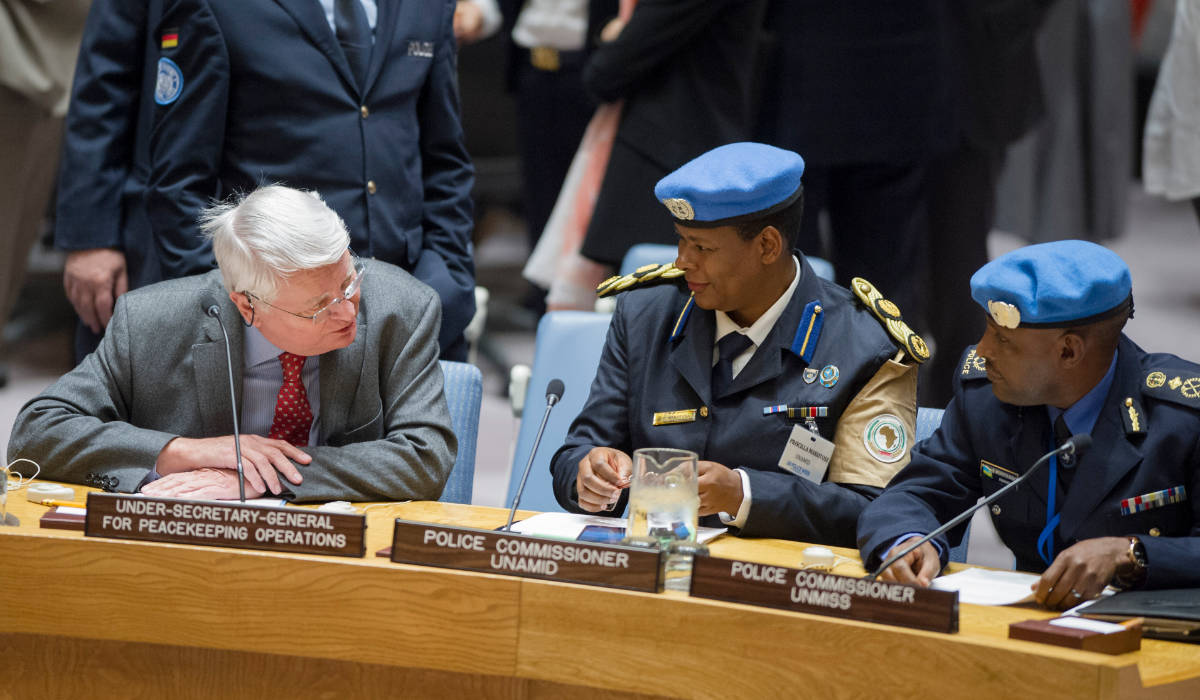
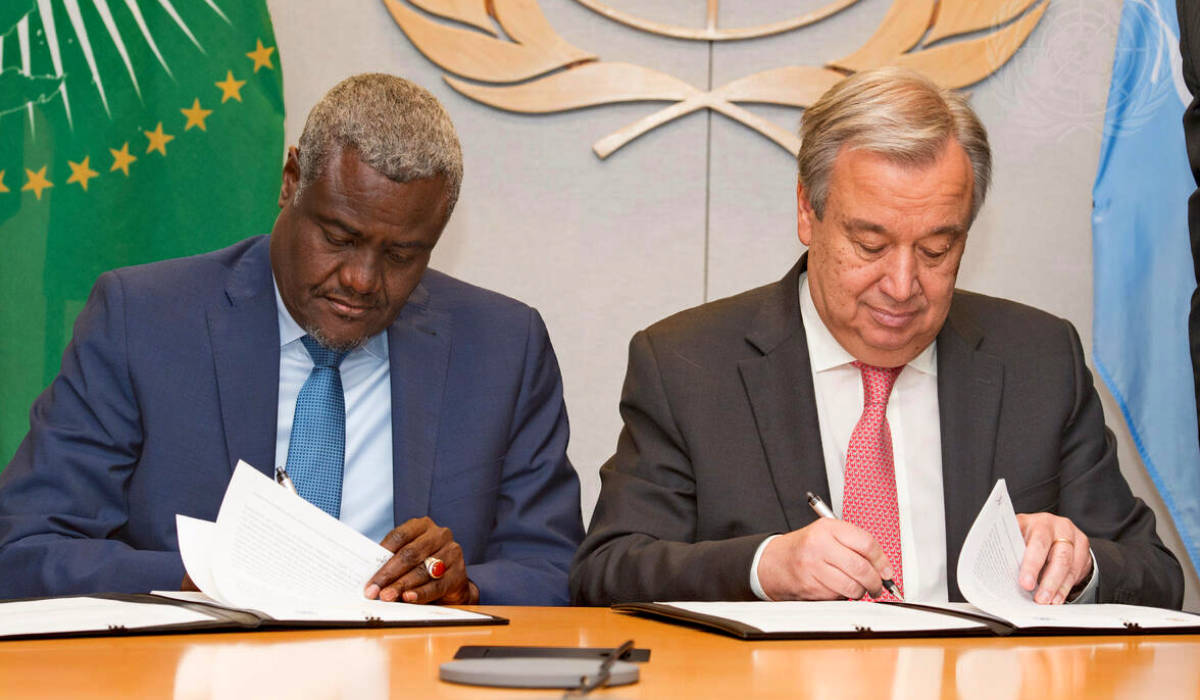
    We begin this edition of the Monitor with a contribution from Cheryl Hendricks, who writes about rethinking peace and security in the current global context. She argues that existing normative frameworks used to deal with peace and security challenges are outdated and inadequate to deal with present challenges. Our second paper is by Cedric de Coning, and he writes about how the emerging partnership between the UN and the AU is helping these organisations to adapt to a new era of networked multilateralism.

    Our final two papers are about climate change and its impact on peace and security. Gracsious Maviza, Thea Synnestvedt, Giulia Caroli, Joram Tarusarira and Niklas Sax write about the impact that climate change has on conflicts and social tensions in Mozambique. Our final article is from Saliem Fakir, who provides a preview of the major issues that will be considered at the upcoming COP28 Summit hosted by the UAE.

  • Rethinking peace and security: many thoughts, little innovation

    Rethinking peace and security: many thoughts, little innovation

    The war between Ukraine and Russia, return to power of the Taliban, recurrence in conflicts, in for example, Ethiopia and Sudan, rise in violent extremism, and more recently the escalating violence between Israel and Palestine, as well as the distrust in our political systems and security institutions, is sending us back to the drawing board for creating sustainable peace. There have been many workshops, seminars, papers and policy briefs aspiring to rethink peace and security. Most recently the United Nations (UN) ushered in a New Agenda for Peace and the African Union (AU) sought to reset preventative diplomacy and mediation at its 14th High Level Retreat on the Promotion of Peace, Security and Stabilityin Egypt in October 2023. 

    This article reviews some of the limitations in reimagining more sustainable peace. In particular, it highlights that the solutions proffered are inadequate for the global and continental transformation that is required at this historical juncture. Many highlight that the global order and conflict contexts have shifted, but few advocate for the need to revisit our peace and security architectures and its toolbox for conflict management beyond emphasising the need for inclusion, flexibility, lack of political will, and the need to refocus on conflict prevention. This paper focuses on some of the critical issues that we must address if we are to move forward with a constructive peacebuilding agenda.

    Prevailing Thoughts on Rethinking Peace and Security

    For the UN, our peace and security challenge is largely cast as normative, that is, the violation of agreed international law, including a pushback against human rights and gender equality. Their emphasis is on upholding the principles of the Charter (sovereignty and the peaceful settlement of disputes); employing diplomacy, confidence-building measures, and concentrating on prevention; as well as reinstalling trust between and within states, universality of principles, and the extension of solidarity. The New Agenda also calls for a dismantling of patriarchal power structures, people-centred responses and prioritising comprehensive solutions. There is very little that is new in terms of the conceptualisation of the problem and its redress, i.e. there is no questioning of the normative framework – established by and for a global order of yester-year – and little innovation around the structures, systems and processes for conflict management. The New Agenda is essentially telling us to try harder to implement the same old peace agenda inscribed since 1945. 

    Major actors have jettisoned the very foundations of our peace and security normative frameworks and tools and we therefore cannot pretend that we can simply go back to a world that was

    The AU posits the challenge as its marginalisation and exclusion by the international community – the need for a seat at the table in intergovernmental forums, the lack of political will to implement what is seen as a robust toolbox; the need to include women and youth; and the challenges for intervention posed by sovereignty and subsidiarity. Here, too, the emphasis is on merely ‘making the circle bigger’ – not transforming the tables or questioning the systems and structures. 

    However, while all this supposed rethinking and new peace script articulation is taking place we are witnessing violent assertions from below, interstate wars that have fractured the global order, the reinsertion of binaries into our peacebuilding discourses, the lack of consensus in our apex security institution, all rendering our conflict management architectures moribund. The world is now watching, seemingly helplessly, as seven decades of investing in normative frameworks amount to nothing more than the paper it is written on. 

    What rethink is necessary?

    Major actors have jettisoned the very foundations of our peace and security normative frameworks and tools and we therefore cannot pretend that we can simply go back to a world that was. The current wars (whether by non-state actors from below or by the states themselves) have created a major break with our international norms and peace and security architectures that no tinkering will fix. How are we then to recreate global governance structures and peace and security structures that are more just, equitable, democratic and that have the necessary policies and practices to compel peaceful conflict management? 

    First, the European political construct of sovereignty and territorial integrity, the glue of the Westphalian state system, is a key part of the challenge to sustaining peace. It is posited as a key principle for peaceful co-existence between states (do not intervene in the internal affairs of other states), but has in fact been used to justify colonialism, authoritarianism, abuse of human rights, genocide, and so forth. Governments often use it as a protective shield for their continued abuse of their populations. Bauder and Mueller (2023) note that “sovereignty is not naturally given” but it is often “claimed, asserted, and enacted by those with the ability to do so.” We cannot have effective supra national institutions if we continue to hold onto this dated concept. It is also a myth to speak about the equality of sovereignty between states in a system with vastly unequal distribution of power. If we are to meaningfully shift from a state-centric discourse of peacebuilding to a people-centred one we must begin to interrogate the principle of sovereignty and develop a new construct of peaceful co-existence between states.

    It is also a myth to speak about the equality of sovereignty between states in a system with vastly unequal distribution of power

    Second, we not only need a new consensus for co-existence between states, but also within states. We have to go back to basics to determine how we want to live together, govern ourselves, participate in governance and hold accountable those entrusted with implementing mutually agreed-upon state objectives. This implies that we must rethink our social contracts and political systems key conflict management tools – to ensure that they can provide the desired sense of belonging, restoration of dignity and rehumanisation associated with democracy and development. If trust in our political systems and global governance institutions has waned then we must rebuild it by fostering the necessary consensus for co-existence and fulfilling our commitments. 

    Third, if the tables we have built as part of our conflict management tools are unable to resolve the complex violence confronting the world then we (as women, youth, AU, etc) do not simply need a seat at these tables. We need to engage in the hard task of rethinking the actors, the norms, the structures, processes and practices that can get us to the desired just, peaceful and equal state of being that we yearn for globally, regionally and nationally.

    This may indeed mean that we begin to think through whether or not it is an opportune moment to innovate on the UN and the AU. Usually these transformations of our structures occur when there is a shift in global politics and geo-strategic interests; when conflict contexts have changed; when the institutions are no longer fit for purpose, and when there is a lack of trust in the institutions. The time may well be nigh for this. We can no longer solely focus on providing technical solutions (tools in a toolbox) to fundamentally political challenges. 

    Professor Cheryl Hendricks is the Executive Director of the Institute for Justice and Reconciliation.

  • The African Union – United Nations strategic partnership in an era of networked multilateralism

    The African Union – United Nations strategic partnership in an era of networked multilateralism

    The relationship between the United Nations (UN) and the African Union (AU) has been evolving in the context of the changing global order as well as the growth in the agency of the African Union and other African institutions over the last twenty years. 

    The global peace and security architecture is adapting to the ongoing transition in the global order from a unipolar system, which was dominated by the United States and Europe, to a new still evolving multipolar or polycentric order in which the global order is co-managed by several major and middle powers. 

    The United Nations was established in 1945 as the Second World War ended, to maintain international peace and security. It has done remarkably well in its first 75 years of existence and it has played a major role in a significant decline in wars and conflict-related deaths over this period. However, in the last decade – as the unipolar order waned and uncertainty increased – these gains have been reversed and the number of wars and conflict-related deaths have significantly increased. These global tensions have also affected the functioning of the United Nations Security Council. No new UN peacekeeping operations have been mandated since 2014, and in the past 12 months alone the governments of Mali and the Democratic Republic of the Congo (DRC) have asked the UN to withdraw the UN peacekeeping operations that were stationed in these countries.

    Over this same period, the African Union was established in 2000, initiating a significant project to develop the African peace and security capacity. Since then, the African Union and African regional organisations like the Economic Community of West African States (ECOWAS) or the Southern African Development Community (SADC) have collectively deployed more than 20 peace operations. Today, most conflicts in Africa are managed or mediated by African peace and security institutions.

    Whilst the UN is under increasing pressure as global power rivalry influences the functioning of the UN Security Council, the African Union and other African institutions are asserting their growing agency, including over the management of the continent’s peace and security. As a result a new global peace and security architecture is evolving, most prominently in Africa and Europe, where regional organisations are co-managing their own regional peace and security alongside the United Nations.

    In the UN Secretary-General’s New Agenda for Peace, he refers to a new era of networked multilateralism, where several regional and sub-regional organisations co-manage international peace and security alongside the United Nations. This networked multilateralism is particularly evident in African crises, where several international and regional organisations operate alongside each other, from Somalia to the Sahel, or from Sudan to the DRC. These include the UN, the AU, sub-regional organisations like the Intergovernmental Authority on Development (IGAD) in Sudan or SADC in Mozambique, as well as a host of other institutions including the European Union and International Financial Institutions. In most contexts these organisations complement each other and their combined influence over many domains contributes to maintaining international peace and security. However, in certain situations there are competing interests that generate negative effects. 

    We can observe that where the UN or AU has invested in providing security rather than pursuing political solutions, a stabilisation dilemma arises

    In this era of networked multilateralism there is thus a need to create and sustain mutually beneficial partnerships – including between the African Union and the United Nations – that can complement each other. In the African context in particular, we need the capabilities and comparative strengths of both the African Union, regional organisations and the United Nations. The African Union and the regional organisations have political proximity, related legitimacy and influence, and in most cases the military capability to deploy and influence the security situation. The United Nations has global credibility, the legal authority under international law to authorise the use of force, 75 years of peacekeeping experience as well as access to a system of agencies, funds and programmes that can provide humanitarian assistance, relief and recovery, and a range of development and peacebuilding functions.

    However, what both the UN and AU has learned is that the most important dimension of any attempt to end a conflict and assist national actors to establish peace is a clear political project or peace process. In other words, a broad set of objectives is devised to garner sufficient support from various political actors in a given context, to generate a legitimate process that the international community can support. What the UN has learnt in places like the DRC or Mali and the AU in Somalia, is that any security gains are short-lived if they are not undertaken in the context of a larger political or peace process.

    The ability to generate and deploy peace operations that can use force, for example, to contain violent extremists in Somalia, Mali or Mozambique, is thus not sufficient on its own to manage and resolve conflict. Peace enforcement can only be meaningfully employed if it serves a political or peace effort. This means that in addition to investing in the generation of peace operations capabilities like the African Standby Force, the AU and regional organisations need to equally invest in their capabilities to use mediators and diplomacy to negotiate cease-fires and peace agreements, and to help the parties to a conflict generate their own political roadmaps that lead away from violent conflict and towards new political systems of coexistence or even cooperation.

    We can observe that where the UN or AU has invested in providing security rather than pursuing political solutions, a stabilisation dilemma arises. The more successful peace operations are in achieving stability the less incentive there is for the political elites in power to invest in finding political agreements with those that are challenging their rule. As a result, when these operations come to an end in places like DRC or Somalia the situation is only slightly more stable than it was 20 years ago when these operations were first deployed, because the host governments fail to use the relative stability brought about by the peace operation to address the underlying drivers of the conflict. The questions for both the AU and UN is thus how to maintain positive pressure and encouragement on host states to ensure that they address the drivers and invest in the political settlements necessary to generate self-sustainable peace.

    There seems to be broad agreement emerging that the UN should provide the AU with funding in those cases where it requests the AU to assist it in carrying out its responsibility for maintaining international peace and security

    One aspect of the strategic relationship between the United Nations and the African Union that is currently being negotiated is the question of making UN funding available for AU-led peace enforcement operations. UN peacekeeping is designed for consent-based cease-fire or peace agreement implementation operations. However, some contexts in Africa require peace enforcement where international forces are needed to support host nation forces to contain and contour violent extremist insurgent forces. This is not something that the UN peacekeeping is designed to do, but the AU and other African institutions have demonstrated the capacity and readiness to do so in places like Somalia, the Sahel and Mozambique. However, these African institutions lack the financial means to deploy and sustain such forces. The question being currently negotiated is whether the UN should use its assessed contribution system – developed to finance UN peacekeeping operations – to support AU-led peace enforcement operations, in those cases where the UN Security Council authorises the AU to undertake an operation on its behalf. There seems to be broad agreement emerging that the UN should provide the AU with funding in those cases where it requests the AU to assist it in carrying out its responsibility for maintaining international peace and security. However, several details relating to compliance and the costs that the AU should be responsible for is still being negotiated before a framework resolution is likely to be brought before the UN Security Council in December 2023.

    However, based on the principle of the primacy of politics discussed earlier, it is important to remain focussed on finding political solutions. Funding only serves to enhance the functioning of the peace operation, it is not a solution in itself. So, it is important to keep the focus on the need to invest in political solutions. As the stabilisation dilemma introduced earlier reminds us, there is a danger that a well-resourced peace operation may become a placeholder for political solutions, as we have seen in the DRC and Somalia over the last 20 years.

    The African Union and United Nations are deepening and strengthening their strategic partnership in a new era of networked multilateralism, including now also in the realm of burden sharing. In the process they are contributing to developing a new global peace and security architecture that is co-evolving with the changing global order.

    Cedric de Coning is a senior advisor to ACCORD and research professor with the Norwegian Institute of International Affairs (NUPI).

  • Climate, peace, security and migration in Mozambique

    Climate, peace, security and migration in Mozambique

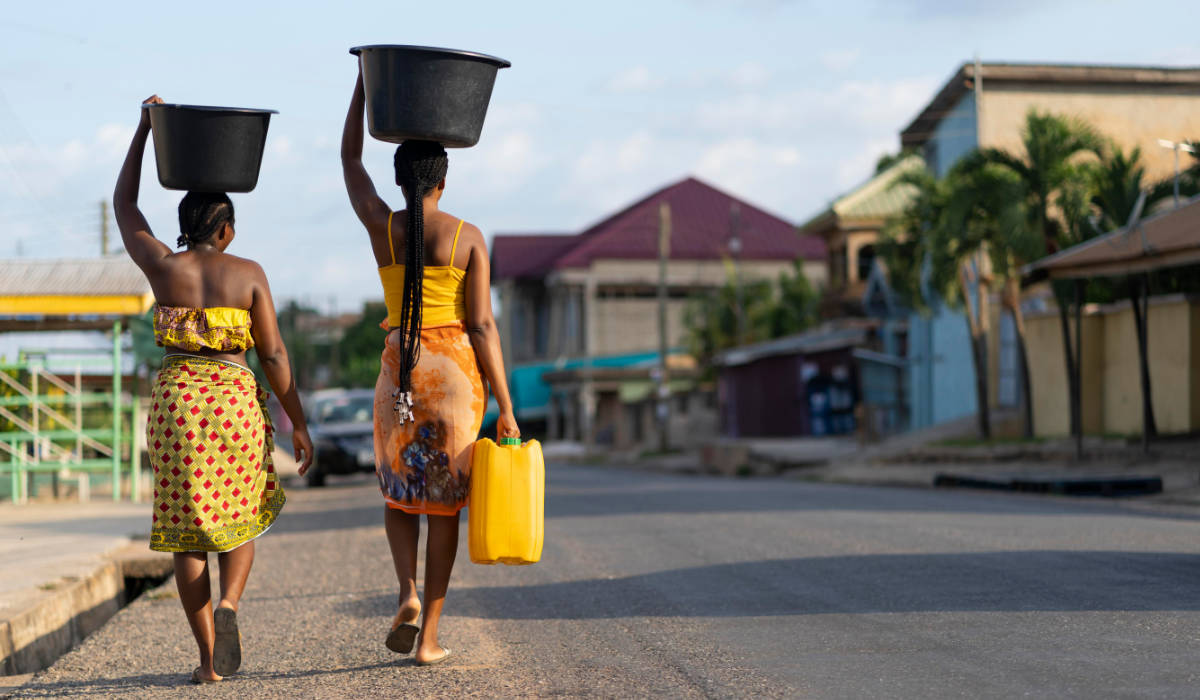
    Climate-related extreme weather events and conflict are making their mark globally, co-occurring and reinforcing each other in a vicious circle, complicating efforts to build and sustain peace. In Southern Africa, Mozambique is a prime example of how the adverse effects of climate change interact with conflict, fragility and displacement in multifaceted ways, eroding social capital and social cohesion and even making conflict dynamics more pronounced and intractable. As the impacts of climate change become clearer, the consequences for peace and security have become a key concern for policymakers and practitioners. The adverse impacts of climate variability, extremes and environmental degradation exacerbate the causes and effects of conflict and undermine efforts to build and sustain peace. While these dynamics are highly context-specific, they tend to emerge in fragile and conflict-affected settings (FCASs) where communities struggle to sustain resilient food, land, and water systems (FLWSs). Livelihood challenges and rising food, fertiliser, and input prices are further compounded by climate change and unsustainable resource use, poor governance, and weak social cohesion.

    Understanding the context

    Mozambique is highly vulnerable to climate-induced disasters, the most prominent being cyclones, floods and droughts. It is characterised by rising average temperatures coupled with a downward trend in rainfall and an increase in dry conditions. Droughts, flooding and tropical cyclones have led to loss of lives and adversely affect food, land, water systems, housing and other infrastructure. These effects negatively impact rural and remote livelihoods, worsening poverty trends and food insecurity. Climate change negatively impacts access to and availability of natural resources, affecting local natural resource-based livelihoods. This is especially consequential to small-scale farmers and rural communities who rely heavily on climate-sensitive agriculture for their food security. Furthermore, conflict and violence perpetrated by non-state armed groups in Cabo Delgado compound this situation, leading to mass displacement and/or forced migration, disruption of livelihoods and economic activities, and a lack of access to basic services. Although the security situation is improving in some areas of Cabo Delgado, decades of under-investment and under-development, weak public services and infrastructures, and democratic fragility make it challenging for governmental and humanitarian actors to reach the most affected populations. This is an issue that is becoming particularly challenging after the occurrences of climate hazards and is opening windows of opportunity for non-state actors to increase their legitimacy by acting as alternative relief providers.

    While conflict remains the prime driver of displacement, intensifying climate extremes and natural hazards alter and further exacerbate patterns of fragility and displacement. For instance, the double landfall of Tropical Cyclone Freddy in February and March 2023 devastated the country, destroying infrastructure and displacing approximately 184,000 people. Overall, Mozambique hosts more than 31,000 refugees and asylum-seekers, with more than one million people being displaced internally due to violence perpetrated by non-state armed groups and the devastating impact of the climate crisis. Most of them are children (54%), followed by women (24%) and men (21%).

    The ramifications of climate change, coupled with fragility, conflict and displacement, undermine the local peace and security landscape. The immediate destruction of infrastructure limits food and water supplies and access to markets, impacting the general health and well-being of the affected populations. These compounding vulnerabilities and the conflict potential, ranging from small-scale household tensions to armed conflict, alter social cohesion. Given the increasing co-occurrence of climate change, displacement, and fragility, understanding the ways in which these stressors and shocks interact and reinforce each other to affect peace and security in the country is of foremost importance to develop durable solutions and build the resilience of forcibly displaced populations and host communities. The Permanent Representative of Mozambique to the United Nations (UN) recently stressed the importance of advancing a responsive and evidence-based approach to these compounding risks and challenges, ranking the climate, peace, and security agenda as one of the top priorities of the Mozambique non-permanent membership in the UN Security Council (UNSC).

    The ramifications of climate change, coupled with fragility, conflict and displacement, undermine the local peace and security landscape

    Climate, Peace, Security and Migration related risks in Mozambique

    Climate-related risks interlink with peace and conflict in Mozambique in multifaceted ways, making responding to insecurity a challenging task. Many actors on both local and regional levels are working to support local communities to build resilience against climate security risks. To promote knowledge sharing and collaboration across sectors and build the evidence base regarding climate security in Mozambique, a workshop was held on the 20th and 21st of September 2023. The workshop was organised by the CGIAR FOCUS Climate Security team at the Alliance of Biodiversity International and CIAT, ACCORD and the Ministry of Land and Environment, and co-convened by UNHCR and the Belgian and Swiss embassies. The aim was to work towards a common vision for climate, peace, security and migration in Mozambique. An assessment of the manifestations of risks related to the interplay between climate, conflict and displacement and peace and security dynamics highlighted four main pathways. These are resource access and availability, livelihood and food security, disaster and conflict displacement and negative social behaviour.

    Resource Access and Availability

    Climate variability impacts the availability and access to resources. Changes in resources such as land and water contribute to competition and affect local power relations. Weak governance of natural resources increases the risk of conflict. Particularly, the issue of insecure land tenure rights has led to evictions and tensions over competing claims. But also, climate mitigation projects such as conservation areas, rare earth mining or biofuel farming have been increasing tensions when not implemented in a conflict-sensitive manner.

    Livelihood and Food Insecurity

    Climate change adversely impacts agricultural production and erodes rural livelihoods, leading to loss of livelihoods and food insecurity. Losing livelihoods induces poverty, inequality and food insecurity, competition over resources, price hikes compounding instability, livelihood-related grievances and conflicts. 

    Disaster and Conflict Displacement

    Climate and conflict dynamics interlink with displacement in complex, dynamic and non-linear ways. Due to floods for example, crops are submerged, livestock lost, bridges, communication networks destroyed, and land degraded. These impacts result in loss of livelihoods, resource scarcity and fragility, which affect human security, and spatial and temporal realities of displaced communities. 

    Negative Social Behaviour

    Climate change interacts with conflict dynamics and ongoing hostilities, thereby contributing to social tensions and negative social behaviours, including the strategies and tactics of armed groups. Negative social behaviour due to climate-related grievances erodes social cohesion and increases the risk of tension and conflict.

    Environmental destruction is closely linked to conflict-affected areas, yet climate-oriented finance often fails to target these areas due to high risk

    A common vision for Climate, Peace, Security and Migration

    Mozambique has an evident interaction of climatic stressors and shocks with conflict as drivers of fragility and displacement. These adverse impacts affect large parts of the Mozambican population, leading to unfavourable societal transformations with gendered impacts and a depletion of social cohesion and peace outcomes. To address these compounding challenges, stakeholders of the workshop worked out the following recommendations as key action points towards building a common vision for climate, peace, security, and migration in Mozambique:

    Improving the evidence base on climate, conflict, migration, and gender will help respond to the current and foreseen challenges

    One of the key messages proffered by stakeholders was the need for evidence-based cross-sectoral collaboration to promote preventative and responsive measures to lay the foundations for peace and security for all people living in Mozambique. Climate-driven security risks are projected to increase in future.More climate data enables improved predictions of future climate-driven risk, which allows for enhanced preventative and early warning mechanisms that help to tackle immediate shocks. Data on conflict and social tensions also allows for enhanced peace processes and the development of conflict-sensitive initiatives such as climate adaptation programmes. 

    Gender-sensitive and intersectional approaches are a must

    Gender dynamics play a key role in shaping vulnerabilities and opportunities. Yet, without adequate data, these dynamics remain invisible. As such, improved understanding and targeted programmes are essential. Utilising gender-sensitive methodologies can effectively address power imbalances and vulnerabilities unique to specific genders while strategically directing investments for maximum impact. Additionally, women’s leadership in managing land, food and water systems places them as key actors in building resilient food systems. Capturing such opportunities will be an important factor in tackling climate and conflict-related risks. More data regarding other forms of intersectional dis/advantages will enhance understanding and help improve governance and decision-making in relation to the intersectional implications of climate security. 

    Incorporating a joined-up approach to climate and conflict-related risks into policymaking and planning is key

    The policy landscape shapes how we respond to crises. Currently, climate and peace-oriented measures are often treated as separate entities, dealt with in silos. However, integrating the two can enable improved decision-making in crisis situations, for example, when addressing displacement, an illustrative example of how the two interact to form compounding vulnerabilities. To build capabilities on a national, regional and global level, it is imperative to enhance the knowledge base for improved climate security-oriented decision-making and ensure a joined-up approach. Place-based, national and regional solutions are needed to tackle climate security and human mobility-related insecurities that continue to persist. 

    Finance is needed to develop and support policies and plans that aim to respond to climate and conflict-related risks

    There is a need to change the current narrative that climate adaptation and peacebuilding programmes do not interact. Integrating the two broadens the scope for finance and action. Environmental destruction is closely linked to conflict-affected areas, yet climate-oriented finance often fails to target these areas due to high risk. Improved understanding of the dynamics between climate and conflict enables targeted programmes that can operate within conflict zones. It is important that the communities most affected by climate change are not the ones excluded from financial initiatives. Improving the human security situation in Mozambique requires mechanisms that work to tackle both immediate shocks as well as to build resilience in the long-term. 

    Gracsious Maviza is a gender, migration and climate security scientist at the Alliance of Bioversity International and CIAT, one of the research institutes at CGIAR. Thea Synnestvedt is a climate security Visiting Researcher at the Alliance of Bioversity International and CIAT and a Human Security MSc Student at Aarhus University, Denmark. Giulia Caroli is a climate, peace and security specialist at the Alliance of Bioversity International and CIAT, one of the research institutes at CGIAR. Joram Tarusarira is a climate security research associate at the Alliance of Bioversity International and CIAT, one of the research institutes at CGIAR, and an assistant professor at the University of Groningen in the Netherlands. Niklas Sax is a climate, peace and security Consultant at the Alliance of Bioversity International and CIAT, one of the research institutes at CGIAR.

    The CGIAR FOCUS Climate Security team are working not only in Mozambique but on a global level to enhance climate security evidence, policy, programming and finance. Climate Security workshops have been held in countries such as Kenya and Zambia to develop placed-based approaches to tackle climate-related risks and insecurities. The CGIAR team will continue to build evidence and data infrastructure such as the Climate Security Observatory, to collect and share knowledge across sectors. Predictions are clear that climate-related security risks will increase. 

    This work is carried out with support from the CGIAR Initiative on Fragility, Conflict, and Migration. We would like to thank all funders who supported this research through their contributions to the CGIAR Trust Fund: https://www.cgiar.org/funders/

  • Expectations from COP 28 – it should Be less words more action

    Expectations from COP 28 – it should Be less words more action

    COP28 will be hosted in the United Arab Emirates (UAE) from 30 November – 12 December 2023, making it the second successive year that the COP will be held in a member of the UNFCCC’s Arab Group of oil-rich nations. It will be the first time that a CEO, in this instance the CEO of the national oil company, ADNOC, will lead the negotiations as COP President. 

    Such a dual role has already attracted controversy and concerns as to whether this COP has been captured by a standing army of oil executives and their lobbyists. 

    Nonetheless, the UAE COP Presidency has played a significant role in shaping this round of COP negotiations, emphasising the Global Stocktake as a clear signal that it will be about action. The Global Stocktake is like an audit of progress. And so far the picture does not look good. The implementation of actions will have to take place in the context of a growing geoeconomic fracture and uneasiness between north/south relations. 

    Progress on key targets in mitigation and adaptation are grindingly slow with developing countries suffering the most.

    Take for instance the recent report from UNEP highlighting that the current adaptation finance gap is now estimated to be US$194-366 billion per year. Developing countries need approximately US$387 billion per year to implement their Nationally Determined Contributions (NDCs) and National Action Plans (NAPs). Adaptation finance flows to developing countries declined by 15 per cent to US$21 billion in 2021. 

    In addition to parity between adaptation and mitigation finance, we hope that COP28 will accelerate the proposed reforms to the global financial architecture.

    Regarding climate finance reforms it is clear that none of these reforms can occur in isolation of broader reforms in the global finance architecture and the key to ensuring the scaling up of funds for climate and development lies in multilateral development agencies bolstering capital allocations and refining lending practices. 

    In addition to parity between adaptation and mitigation finance, we hope that COP28 will accelerate the proposed reforms to the global financial architecture, which have been discussed at various summits and events this year, and achieve meaningful progress on the New Collective Quantified Goal on Climate Finance (NCQG). 

    The global need for climate finance runs into trillions of dollars not the meagre $100 billion (a target that is wholly outdated). The African Climate Foundation’s paper Priorities for an Equitable Reform of the Global Financial System – The African Climate Foundation launched at the African Climate Summit provided an overview of the global finance landscape and where it falls short.

    The early principles of the ‘polluter pays’ concept, or if you have used up your share of the global carbon budget you have a moral responsibility to address the resulting environmental damage and to back your words with a financial commitment, form the basis for the principle of common but differentiated responsibility (CBDR). However, there is a growing perception that this principle is being watered down. In fact, it was a bit of a bone of contention at the Africa Climate Summit (ACS) hosted by the Ruto Presidency in early September of this year. For Africans the CBDR remains a core principle and at the heart of the negotiations and is a theme running through the big issue for Africa and other developing countries – the issue of a global fund for Loss and Damage.

    The recent Africa Climate Summit highlighted the ambition and appetite of African countries in pursuing a strong global mitigation outcome that achieves a 1.5oC future despite Africa’s paltry contribution to the share of global greenhouse gas emissions. For Africa, fair finance for greater energy access and clean energy transitions is tied with a broader development agenda of economic diversification and structural reforms. The same applies to adaptation. Hard-wire it as part of economic growth and development. The ACF’s work on Adaptation and Resilience Investment Platforms is aimed at moving from foreign aid for adaptation to economic and fiscal resilience to deal with climate risk.

    Africa is shifting the narrative, moving it away from those who have always spoken on behalf of the continent without residing here, towards what it deems its paramount mission: the recognition that economic resilience paves the way for climate resilience.

    This COP represents a pivotal opportunity for adaptation to garner comparable political attention to the longstanding focus on mitigation. It will be crucial for African countries to witness the global goal on adaptation (GGA) gain the prominence it deserves. 

    In particular African countries are looking for an overarching target (similar to the 1.5 degree temperature goal) that “enhances the adaptive capacity and resilience of the global population, including the reduction of climate impacts by at least 50% by 2030, and by at least 90% by 2050 compared to the business as usual scenario and expected impacts identified by scientific reports.”

    Increasingly, Africans are also looking towards enabling trade regimes that can facilitate new climate investments and risk management measures. Some of this is being reflected in the negotiations of the new round of Africa Growth and Opportunity Act (AGOA) currently taking place in South Africa. Trade that fosters regional integration and development is also key to integrating essential minerals, unlocking new values and opportunities as Africa increases its demand for clean energy, battery storage and electric vehicles. Africa is shifting the narrative, moving it away from those who have always spoken on behalf of the continent without residing here, towards what it deems its paramount mission: the recognition that economic resilience paves the way for climate resilience. 

    The umbrella of global stocktake should give COP countries and non-state actors their marching orders. Whether we patiently await COP decisions or proactively take actions regardless, remains to be seen.

    Saliem Fakir is the Executive Director of the African Climate Foundation

  • Conflict & Resilience Monitor – 26 October 2023

    Conflict & Resilience Monitor – 26 October 2023

    This month we begin the Monitor with two reflections on the impact that Nordic Countries have had on peace and security in Africa.  Vasu Gounden has written an article about the important role that Nordic countries have had in the development of peacemaking and peacekeeping in Africa.  Their support has been constant, even in the face of a changing geopolitical landscape.  Cedric de Coning and Angela Muvumba Sellström have also written a piece on the Nordic contribution to peace and security co-operation in Africa.  Their article discusses the recently published report from the Norwegian Institute of International Affairs (NUPI) and the Nordic Africa Institute (NAI) that highlights the Africa-Nordic co-operation in the field of peace and security over the decade 2012-2021.

    The major outcomes of the recently concluded United Nations General Assembly week are discussed by Richard Ponzio.  He highlights the highs and lows as they relate to the Sustainable Development Goals, the Summit of the Future, the Climate Action Summit, conflicts on various continents and the High-Level Dialogue on Financing for Development, and what the outlook for each of them is in the future.

    Finally, Katharine Bebington and Nkanyiso Simelane have written an article about the recent developments in Lesotho.  Their article discusses the status of the implementation of the reform processes, recent motion of no confidence in the government and the reaction of the security sector in the Kingdom.

  • African capacity in the area of peace and security and cooperation with the Nordic countries

    African capacity in the area of peace and security and cooperation with the Nordic countries

    Beginning in the early 1990s, geopolitical developments, new conflict patterns, and an evolution in the practice of conflict resolution by Africa’s intergovernmental, state and non-governmental actors heralded new African efforts in the field of peacemaking and peacekeeping, leading to Nordic collaboration in training and capacity building in these areas. The last decade has witnessed cooperation between the Nordic region and Africa to address increasingly complex civil conflicts, through mediation and peacekeeping.

    A geopolitical shift in the aftermath of the Cold War and the collapse of the Soviet Union led to a unipolar global order dominated by the United States. It also coincided with an era characterised by political shifts in Africa and elsewhere, from one-party states to multi-party democracy. These shifts led to the birth of competitive politics in many countries across Africa. And in many instances – such as in Somalia, the DRC and Burundi – competitive politics led to conflicts that ranged from civil protest to civil war, and that required mediation and peacekeeping.

    Although mediation is an age-old practice, the sudden proliferation of civil conflict called for the rapid development of conflict management skills, systems and structures. South Africa and the African Centre for the Constructive Resolution of Disputes (ACCORD), established in 1992, developed a praxis of conflict resolution from two well-developed strands in the United States – labour-management relations, dominated by the legal profession; and community relations, led by community activists and social scientists. As conflict resolution expanded and conflicts became more complex, involving both soft and hard security issues, a third strand was added that borrowed from the field of security and strategic studies. ACCORD’s expertise thus developed into a combination of labour dispute resolution and community relations; this was then tested during the efforts to bring about a resolution to the violent civil conflicts that characterised the South African political landscape in the early 1990s.

    In this same period, the United Nations (UN) and the Organisation of African Unity (OAU) – the precursor to the African Union (AU) – were in the early stages of evolving mechanisms to deal with the rise in civil conflicts. ACCORD began interacting with and supporting the OAU in 1993, as the continental body was developing its fledging Conflict Management Centre, the forerunner of the African Peace and Security Architecture (APSA).

    The re-conceptualisation and expansion of the concept of traditional peacekeeping, to include the civilian dimension, was the raison d’être of the TfP programme.

    It was during the debate on peacekeeping operations in the fourth committee of the UN General Assembly in 1994 that a new idea was born. African countries were adamant in their view that they could take on a more active role in resolving African conflicts. South African President Nelson Mandela brought this up at a meeting with former Norwegian Prime Minister Gro Harlem Brundtland in March 1995, and suggested that South Africa and Norway could consider some kind of cooperation in this context. Against this background, Nordic support for mediation and peacekeeping commenced in 1996 with support from the Government of Norway to ACCORD, the Institute for Security Studies (ISS) and the Norwegian Institute of International Affairs (NUPI) to establish the Training for Peace (TfP) project, prophetically named for what it was later to evolve into. At the time of its establishment, it was conceived as a training programme within a changing peacekeeping context, with a shift from traditional, inter-positional peacekeeping related to inter-state war to peacekeeping within a civil conflict, where civilians are both victims and protagonists. Adapting to these new demands thus required the development of doctrine, skills among peacekeepers, documentation of experiences, best practice, and the creation of fresh and innovative knowledge. The re-conceptualisation and expansion of the concept of traditional peacekeeping, to include the civilian dimension, was the raison d’être of the TfP programme.

    The OAU, and later the AU, also needed to facilitate the end of civil conflict peacefully, through facilitation, negotiation and mediation. The well-established doctrine of subsidiarity meant that resolving disputes should be devolved to the sub-regional level and become the responsibility of the continent’s regional economic communities (RECs) and regional mechanisms (RMs). They, too, needed to evolve doctrine, develop skills, and establish early-warning and mediation mechanisms.

    It was in response to these needs of the AU, the RECs and the RMs that the governments of Sweden and Finland provided – and continue to provide – support for ACCORD and other conflict management organisations to work with the AU, RECs and RMs in order to develop their capacity for the establishment of mediation support units and prepare a cadre of mediators and mediation support staff to respond to increasing civil conflicts. Sweden’s relationship with conflict management organisations spans over 25 years, and Finland’s over 15 years.

    The Nordic states should determine how their previous three decades of valuable assistance to Africa can be continued and how they can engage effectively in a more complex environment.

    Ultimately, the TfP programme also evolved from a peacekeeping training project into a peace support programme, strengthening the AU Commission’s capacity to prevent, manage and resolve conflict on the continent by deploying effective full-spectrum peace operations. As the UN’s conflict management mechanisms, the APSA and the conflict management mechanisms of the RECs and RMs evolve, it is fair to say that Nordic support has played – and continues to play – a crucial role in shaping the peace and security agenda in Africa and globally.

    Today, Africa is at an inflection point: its economies have yet to transform to meet the demands of an exponentially growing population that is rapidly urbanising into unplanned cities; and those same economies are not generating enough jobs, so there is increasing poverty and inequality. These challenges are fuelling social and political protest, and an increase in radicalised insurgencies and criminal syndicates. In addition, rapid technological change and global inter-connectivity have seen hybrid military and non-military covert and overt threats – ranging from the weaponisation of social media to the use of private military companies – increase in speed, scale and intensity in Africa.

    If it is to respond to these new threats to stability in Africa, and the consequent impact on Europe, the Nordic partnership with Africa must evaluate the nature, extent and form of cooperation. The Nordic states should determine how their previous three decades of valuable assistance to Africa can be continued and how they can engage effectively in a more complex environment. In this context, the lessons of the past will ultimately shape the strategic approach of Africa and her Nordic partners to the future.

    Vasu Gounden is the founder and executive director of ACCORD. This piece is a contribution to a report entitled: A Shared Commitment: African-Nordic Peace and Security Cooperation, published by the Norwegian Institute of International Affairs (NUPI) and the Nordic Africa Institute (NAI) on 17 October 2023. The full report is available here.

  • African-Nordic peace and security cooperation

    African-Nordic peace and security cooperation

    The African Union’s peace and security architecture has significantly developed over the past two decades, but Africa still faces persistent and resurgent armed conflict and war. The Nordic countries – Denmark, Finland, Iceland, Norway, and Sweden – have established a robust partnership with Africa, supporting the African Peace and Security Architecture (APSA) through initiatives with African governments, the AU, regional economic communities and mechanisms, civil society, and research institutions. 

    The Norwegian Institute of International Affairs (NUPI) and the Nordic Africa Institute (NAI) have produced a report that highlights African-Nordic cooperation in peace and security over the last decade (2012-2021). The report was launched on 17 October 2023 at the annual meeting of African and Nordic foreign ministers that was hosted this year by Algeria.

    The report features contributions by African and mostly Nordic or Nordic-based researchers and practitioners from universities, policy research institutions, and non-governmental organisations (NGOs). The authors present case studies of each of the five Nordic countries and reflect on five cross-cutting areas that have characterised African-Nordic cooperation in peace and security. The Nordic case studies are organised according to a common framework that focuses on five key priority areas: mediation, conflict prevention and support for peace processes; women, peace and security; human rights, democracy and the rule of law; peace operations and stabilisation; and climate, peace and security. Cross-cutting thematic perspectives address African peace support capacity; women, peace and security; youth, peace and security; peacekeeping and violent extremism; and the AU Partnership and the AU Peace Fund.

    Between 2012 and 2021, Nordic countries pledged USD 4.96 billion in development cooperation funding to Africa’s peace and security.

    The report found that all the Nordic countries work across the conflict spectrum and use a wide array of tools for partnering with African actors, including knowledge generation, training, capacity building, deployment of personnel and technical experts. Between 2012 and 2021, Nordic countries pledged USD 4.96 billion in development cooperation funding to Africa’s peace and security.

    The report highlights strategies adopted by the Nordic countries. Denmark has invested heavily in democracy and regional stabilisation, with Kenya and Mali as priority countries, and it established its own Peace and Stabilisation Fund to facilitate a flexible, whole-of-government approach at the intersection between security and development. Finland has actively worked with the AU, European Union (EU), United Nations (UN)), and its African and Nordic partners to support mediation and reinforce inclusivity and sustainability. Finland’s Africa Strategy emphasises equal partnership over aid dependency, and its AU Mediation Support project is considered a flagship effort. Iceland strongly focuses on combating climate change and strengthening climate resilience in its bilateral cooperation. It also places top priority to gender equality and the women, peace and security (WPS) agenda. It has developed a unique model, the Barbershop Toolbox, for mobilising men in the struggle for gender equality. With over 30 years of peace diplomacy experience, Norway is enhancing the African-Nordic partnership’s capacity to prevent, manage, and resolve conflicts in Africa and has supported the Training for Peace (TfP) programme for over twenty years. Sweden has shifted its international development cooperation to Africa’s fragile regions while focusing on APSA, capacity building, and the WPS agenda. This has boosted civilian peacebuilding, mediation, conflict prevention, human rights, and democracy.

    Nordic states have diverse approaches that seem traceable to their size, national capacity, and experience. However, their support to African actors covers the spectrum of conflict prevention, peacemaking, peacekeeping and peacebuilding. The cooperation includes technical support, training, research cooperation, joint programming, and civilian and military secondments to African institutions. Above all, there is a significant amount of comparative, accumulated action that is complementary.

    Both sides have multiple strategic partnership frameworks, but for the African-Nordic partnership to be sustained, its comparative advantage needs to be clear to all partners.

    While all the Nordic countries have been actively engaged in peace diplomacy, support for peace operations and countering violent extremism in Africa, a top area of support has been democratic practice. The key regions for African-Nordic cooperation are the Horn of Africa and the Sahel. Nordic countries have also supported local ownership, promoted African agency, and collaborated with African and Nordic non-governmental and civil society actors. To further strengthen the relationship, in pursuit of peace and security in Africa, the report offers three recommendations:

    1. Strategic partnerships: The African-Nordic relationship has historically been framed in terms of development and humanitarian assistance provided by Nordic countries to their African partners. However, the motivations for support in peace and security are geo-political, contributing to maintaining international peace and security and developing strategic partnerships in the context of a changing global order. As African capacity and agency grow, the relationship must be transformed from a donor-recipient relationship into a strategic partnership guided by mutually beneficial interests.
    2. The African-Nordic niche: The priorities for most countries have been peace diplomacy, democracy, human rights, and women peace and security. The theme of climate, peace, and security is also vital for African-Nordic cooperation. Both sides have multiple strategic partnership frameworks, but for the African-Nordic partnership to be sustained, its comparative advantage needs to be clear to all partners.
    3. The AU Peace Fund: African institutions like the African Union have developed significant capabilities in peace and security over the past two decades. However, Africa’s need for more financial resources is a primary challenge. The AU is revitalising the AU Peace Fund, focusing on flexibility and strengthening African agency through investment in African institutions rather than direct interventions.

    Cedric de Coning is a senior advisor at ACCORD and a research professor at the Norwegian Institute of International Affairs (NUPI). Angela Muvumba Sellström is a senior researcher at the Nordic-Africa Institute (NAI). The report is available here.

  • UNGA 78 high-level week: ups, downs, and the outlook ahead

    UNGA 78 high-level week: ups, downs, and the outlook ahead

    Against the backdrop of the traditional exchange of diplomatic niceties and posturing for domestic political audiences among world leaders, who gathered in recent days in New York for the 78th session of the United Nations General Assembly (UNGA), UN Secretary-General António Guterres proposed myriad solutions to the world’s biggest challenges during this year’s High-Level Week, drawing on his forward-leaning Our Common Agendaand High-Level Advisory Board on Effective Multilateralism reports and eleven new policy briefs

    With 88 Heads of State and 43 Heads of Government and other high-level dignitaries participating in this year’s annual confab at UN headquarters, five key takeaways––including major themes and dynamics, notable points of tension, and thoughts on the way forward––are: 

    1. SDG Summit (Sept. 18-19): Off-target but with a renewed determination in the “Second Half” to realise the 2030 Agenda.

    Ups & Downs: Despite last minute drama where eleven countries (including Cuba, which currently leads the G77+ China, and Russia) signalled that their delegations would “oppose any attempt to pretend to adopt any of the draft outcome documents,” the SDG Summit’s Political Declaration achieved a consensus. Notwithstanding Member States’ poor performance in implementing the SDGs, several delegates and senior UN officials spoke to how the summit represented a “turning point to rescue the SDGs,” and a few employed the sports metaphor (in recognition of reaching the mid-point for the 2030 Agenda) that “games are won or lost in the second half.” 

    Outlook Ahead: While the SDG Summit’s Political Declaration did not receive any objections, it still needs to be considered and formally adopted soon by the General Assembly. In connection with their complaint about “unilateral coercive measures,” the countries voicing concern may seek to revisit their objection vis-à-vis the SDG Summit Political Declaration and other major UNGA documents (e.g., on Tuberculosis, Universal Health Coverage, and Pandemic Preparedness and Response). 

    More consequential over the medium-term is whether—beyond simply reaffirming the 2030 Agenda—Member States can demonstrate that new resources, capabilities, and momentum were generated for SDG implementation coming out of the summit, including through mutually reinforcing dividends with the September 2024 Summit of the Future’s (SOTF) multiple preparatory tracks (as detailed in the Future of International Cooperation Report, section IV). 

    2. Summit of the Future Ministerial Meeting (Sept. 21): Many divisions to overcome with one-year-to-go to meet the ambitious goals of this generational opportunity.

    Ups & Downs: Shortly prior to the SOTF Ministerial Meeting, the President of the General Assembly (PGA), following intensive intergovernmental negotiations shepherded by the UN Permanent Representatives of Germany and Namibia, arrived at a decision that the scope of Summit of the Future’s “Pact for the Future” (chief outcome document) will encompass five chapters on: (i) Sustainable Development & Financing for Development, (ii) International Peace and Security, (iii) Science, Technology and Innovation and Digital Cooperation, (iv) Youth and Future Generations, and (v) Transforming Global Governance. 

    However, reaching this milestone and the overall constructive tone conveyed by Member States at last week’s SOTF Ministerial Meeting belies three underlying fault-lines that must be navigated skilfully to achieve meaningful progress, namely: renewed Great Power rivalries, resurfaced Global North-South tensions, and lingering distrust between certain Member States with the UN Secretariat and Civil Society (for an elaboration of each, see: Road to 2023, section VII).

    Outlook Ahead: With so much time squandered negotiating about the negotiating process, limited time remains for actual substantive negotiations. The PGA must quickly appoint, to steward work on the Pact’s five chapters, the strongest and most balanced co-facilitator teams possible, who would be wise to heed the recent SOTF-targeted recommendations by respected international statespersons. 

    The fact that earlier detailed elements of the PGA’s decision were subsequently removed, following delays in negotiating this second procedural document further to last year’s “modalities resolution,” speaks to the highly unsettled political environment for achieving consensus during the upcoming negotiations. This includes finalising a Global Digital Compact, Declaration on Future Generations, and other possible instruments, in addition to the Pact for the Future. 

    While the SDG Summit arrived at a relatively brief high-level political statement that acknowledges global governance systems gaps in need of urgent attention to accelerate progress on the 2030 Agenda, the preparatory process for next year’s Summit of the Future has the potential to realise—through well-conceived, politically acceptable, and adequately resourced reform proposals—the actual systemic changes in global governance needed to fill these gaps. This will entail comprehensively tracking the SDG Summit’s identified gaps and ensuring their coverage (backed up by sufficient financing and high-level political support, including through concurrent deliberations in the G20, G7, and BRICS+ forums) in the multiple, in-depth instruments to be negotiated for the Summit of the Future.

    Through three thematic sessions and a special meeting on loss and damage finance, Secretary-General Guterres convened the Climate Action Summit to accelerate the pace and scale of committed actions for a just green transition.

    3. Climate Action Summit (Sept. 20): Six-to-Seven Years remaining to head off an irreversible planetary emergency.

    Ups & Downs: Through three thematic sessions and a special meeting on loss and damage finance, Secretary-General Guterres convened the Climate Action Summit to accelerate the pace and scale of committed actions for a just, green transition away from a world economy dependent on fossil fuels, particularly in the run-up to COP-28 in Dubai (November 30-December 12, 2023). With growing calls from leading climate scientists that we may have as few as six-to-seven years to shift course and avert the worst of the escalating planetary emergency, the gathering’s urgency could not be greater. But even with increased attention placed by some speakers on the phasing out of fossil fuels, few Member States signalled a willingness to embark on new concrete actions beyond reiterating past promises.

    Outlook Ahead: In order to limit the rise in global temperature to 1.5 degrees Celsius, while helping vulnerable countries to deal with the most damaging effects of climate change, Member States must come prepared to COP-28 with concrete and ambitious plans for climate mitigation and adaptation. Especially if “business-as-usual” continues (as witnessed during UNGA High-Level Week), those governments, businesses, and civil society partners committed to effective climate action should entertain the insights and recommendations of the Mary Robinson, María Fernanda Espinosa, and Johan Rockström-led Climate Governance Commission, whose forthcoming Governing Our Planetary Emergency report will be released in late November. This includes proposals to ensure greater accountability in COP decision-making, as well as an overhaul in environmental governance through a new Global Environment Agency and International Court for the Environment. 

    4. Ukraine, Sudan, Afghanistan, and other Hotspots (UNGA General Debate and UNSC Ministerial): Amidst a growing number of violent conflicts worldwide, let the UN perform its critical peacemaking and peacebuilding roles.

    Ups & Downs: Ukrainian President Volodymyr Zelenskyy, attending his first High-Level Week in person since Russia’s February 2022 invasion, spoke on the first morning of the General Assembly’s General Debate. However, it was his remarks at a special session of the Security Council on Ukraine that caught international media attention, where he questioned why Russia still retained a permanent seat on the Council and called for the misuse of its veto power to be overcome by a two-thirds vote in the Assembly. U.S. President Joe Biden, Australia’s Foreign Minister Penny Wong, and other leaders once again echoed calls for Security Council reform and other changes in the collective security architecture to better cope with Ukraine, Sudan, Afghanistan, and other hotspots. 

    Outlook Ahead: While making the Security Council more representative and effective will remain a challenge given competing interests and present levels of mistrust between the Great Powers, the Secretary-General has recently introduced other proposals for improving the UN’s peacemaking and peacebuilding roles through his New Agenda for Peace. These were highlighted by UN Under-Secretary-General for Political and Peacebuilding Affairs Dr. Rosemary DiCarlo in a special High-Level Week convening of the UN Peacebuilding Commission, created, in 2005 (UN60), partly in response to Security Council reform failures. Through the Pact for the Future’s “International Peace and Security” chapter, Member States are anticipated to take forward several of the Secretary-General’s most timely ideas, including his calls for national prevention strategies and new measures to address the peace and security implications of climate change.

    5. High-Level Dialogue on Financing for Development (Sept. 20): While deep-seated apprehensions will continue to pervade multilateral negotiations until donor countries meet prior financial commitments, momentum has grown for overhauling international economic and financial institutions.

    Ups & Downs: Developing country representatives and senior international organisation officials voiced concerns at the High-Level Dialogue on Financing for Development and related fora (including the SDG Summit, the SOTF Ministerial Meeting, and Climate Ambition Summit) about donor countries coming up short in delivering on past foreign aid pledges, as well as about illicit financial flows through tax avoidance. But with the G20 Declaration recently welcoming the Secretary-General’s call for a $500 billion SDG stimulus to a critical mass of rich and poor nations’ lending support last week for different global economic and financial architecture reform ideas, including the Bridgetown Initiative, interest is extending beyond only a small group of countries and technical experts. 

    The start of the 78th session of the UN General Assembly combines both hope with immense anxiety that the world body is incapable of reform and renewing itself to keep pace with fast-changing socioeconomic, environmental, peace and security, and technological trends.

    Outlook Ahead

    Attention is now shifting to the World Bank and International Monetary Fund’s (IMF) Annual Meetings in Marrakech (October 9-15, 2023). One leader to watch is IMF Managing Director Kristalina Georgieva, who emphasised, during UNGA High-Level Week, the need for “better off countries” to re-channel their Special Drawings rights to improve lending conditions for vulnerable countries. Another is the new World Bank President, Ajay Banga, who argued in New York that: “The time to show that you care and that you’re willing to put your money where your mouth is … is here.” 

    In addition to further signalling on specific multilateral development bank reforms and debt relief for the most vulnerable countries, another issue to watch at the Marrakech meetings is whether, in the run-up to next year’s Summit of the Future, influential countries and the heads of the Bretton Woods Institutions lend their support to the UN Secretary-General’s proposed Biennial Summit on the Global Economy, bringing together the G20, World Bank, IMF, and UN for enhanced global economic governance.

    The start of the 78th session of the UN General Assembly combines both hope with immense anxiety that the world body is incapable of reform and renewing itself to keep pace with fast-changing socioeconomic, environmental, peace and security, and technological trends. Beginning with Secretary-General Guterres’ widely consulted policy briefs and commissioned reports (but also from across think tanks, academia, and broader civil society too), the time has come for Member States to formally debate and decide on the best ideas for positioning the UN system to better respond to current and emerging threats, challenges, and opportunities. 

    Specifically, and as outlined in the Global Governance Innovation Report 2023 (section VI), following the PGA’s appointment in October of co-facilitator teams for the five Pact for the Future chapters, informal advisory teams of outside experts and civil society representatives could be stood-up to serve as knowledge hubs and sounding boards for each of the Summit of the Future’s five thematic areas. Member States could also glean diverse expertise and unique historical perspectives by appointing youth and civil society representatives to their national delegations charged with preparing for the summit, in addition to supporting a proposed UN-Civil Society Forum next May in Nairobi. Finally, in deriving moral authority from the UN Charter and Universal Declaration on Human Rights, the Secretary-General and his team must continue to build the case for ensuring that, at the very least, several of his most consequential recommendations are adopted in a year’s time, in pursuit of a vision of peace, justice, and sustainable prosperity for all.

    Dr. Richard Ponzio is a Senior Fellow and Director of the Stimson Centre’s Global Governance, Justice & Security Programme. The author wishes to thank Natalie Landau and Nudhara Yusuf for their research assistance.

    This article was first published on 29 September on Just Security and can be found here.
  • Politics in Lesotho remains uncertain

    Politics in Lesotho remains uncertain

    In 2022, Lesotho held national elections against the backdrop of a reforms process that parliament could not pass before the elections. The reconvening of a dissolved parliament under a state of emergency in order to pass the omnibus bill, proved to be unsuccessful. While the omnibus bill was passed during this reconvened sitting, something that parliament was unable to do during an ordinary sitting, the state of emergency was declared unconstitutional and thus the passing of the bill was voided. This political uncertainly in the build-up to the election, however, did not translate into an uncertain result. Political newcomers, the Revolution for Prosperity (RFP) party, led by Sam Matekane, won 56 of the 120 parliamentary seats, falling just short of the 61 seats needed to govern with an outright majority. This was one of the strongest showings in an election by any political party in decades. Despite the strong showing from the RFP, the party has found it difficult to fully assert itself authority.

    The political uncertainly around the passing of the omnibus bill during the build-up to the 2022 election, did not, however, translate into an uncertain result. Political newcomers, the Revolution for Prosperity (RFP) party, led by Sam Matekane, won 56 of the 120 parliamentary seats, falling just short of the 61 seats needed to govern with an outright majority. This was one of the strongest showings in an election by any political party in decades. Despite the strong showing from the RFP, the party has found it difficult to fully assert its authority.

    At the inauguration of Prime Minister Sam Matekane, the Southern African Development Community (SADC) special envoy to Lesotho’s facilitation team and President of South Africa, Cyril Ramaphosa, welcomed the new government’s commitment to finalising the work of the reforms processes and hoped that the bill would lay a “solid foundation for the future of the Basotho.” 

    The government has indicated its intention to segregate the bill into three parts, instead of passing it in its entirety, as had been the intention of the previous government.

    One year after the elections, however, parliament has still not been able to pass the omnibus bill, despite the hope that it would be one of the major priorities of the new government. One of the challenges concerns the RFP’s review of the reforms, especially since the party was not in parliament at the time the bill was draft. The government has indicated its intention to segregate the bill into three parts, instead of passing it in its entirety, as had been the intention of the previous government. The current intention is to split the bill as follows: reforms that can be enacted into law in parliament with a simple majority, reforms that would require a two-thirds majority to entrenched clauses in the constitution, and reforms that would require a referendum for approval. 

    The greater danger of political and governance uncertainty is that citizens may start to lose hope in democratic processes.

    This decision has resulted in delays and has raised concerns, including that the bill may not be passed and that some reforms are interlinked, where the passing of one provision may directly affect the other. Furthermore, reforms that may be presented to the public via a referendum could take several months, at minimum to come into effect, should the reforms be endorsed by the vote. This is because the referendum would require logistical planning for the Independent Electoral Commission (IEC) as well as a campaign period for various stakeholders. These delays and uncertainty around the outcomes of the reforms process means that the issues that the reform process were designed to address will persist.

    Recently, Prime Minister Matekane has faced political challenges to his authority. The parliament in Lesotho had an extended winter recess, only reopening in mid-October. There was speculation that one of the reasons for the long recess was due to the Prime Minister Matekane’s position being under threat. This came to fruition, when a group of 64 Members of Parliament (MPs) called a press conference to indicate their intentions to table a motion of no confidence in Matekane, an action that, if successful, would topple his government. The fact that there were 64 MPs ready to vote against the government meant that members of the Prime Ministers own party, the RFP, were prepared to vote against him. It is believed that some members of the governing party are disgruntled that they did not receive positions in government that they wanted, and others who are dissatisfied with the way the party is being run.

    The motion of no confidence was delayed, as the government went to court to challenge the section of the amendment to the constitution on which the motion was based. The government has asked the court to delay the motion in order for parliament to complete the reforms process, with one of the reforms restricting circumstances under which a government can face such a motion. However, it is unlikely that the government will prevail in court, as any party can bring a motion of no confidence regardless of the status of the reforms process. The challenge at the courts is only likely to buy the government time, which it could use to win back the support of disgruntled MPs.

    In the meantime, the leadership of Lesotho’s security sector have once again dipped their toes into civilian politics, coming out in support of the Prime Minister. The Commissioner of the Lesotho Mounted Police Service, the Commander of Lesotho Defence Force and the National Security Service Director released a statement accusing the opposition of acting selfishly and suggesting they might intervene to save the government. Local press in Lesotho termed this action by the security heads as an effective coup d’état against any future government that might be formed if Matekane’s government should collapse.

    Lesotho has a history of military intervention in politics, and some of the reforms were aimed at curbing their intervention. This latest action from the security sector suggests that this phenomenon has yet to be effectively curbed, and the threat of military or security intervention in the politics of Lesotho persists, ultimately destabilising politics in security. The current challenge is also a reminder of the threat that possible floor crossing has to government stability. One of the reforms could prohibit floor crossing for the first three years after an election. However, as this reform has not been passed, there is a threat of disgruntled members of the RFP crossing the floor. A loss of 6 MPs would be enough to collapse the current coalition, and bring with it political uncertainty in the Kingdom.

    Findings from a recent field research mission undertaken by ACCORD revealed that the stalling of reforms threatens the future of governance and political stability in Lesotho. There is increasing impatience on the slow pace of reforms, considering the investment and interest by foreign donors in the SADC-initiated process. Furthermore, some members of civil society have lost the hope that was present at the beginning of the reforms process. As the delays persist, civil society is becoming sceptical about whether the contents of the bill will still reflect the original aspirations and inputs from the public consultation processes. 

    The greater danger of political and governance uncertainty is that citizens may start to lose hope in democratic processes. A case in point is the local government elections in Lesotho, which were held in 29 September 2023, where public participation and enthusiasm was poor. Another threat to continued delays and uncertainty is that the security sector may become more decisive and takes advantage of these governance loopholes. 

    Ultimately, the reform process is key to further consolidate democracy in Lesotho. Therefore, it is important that the bill reaches its initially intended conclusion to make the aspirations of Basotho a reality.

    Katharine Bebington and Nkanyiso Simelane are researchers at ACCORD.

    The article was draft in part with research from ACCORD’s recent field visit to Lesotho.