Years: 2023

  • Conflict & Resilience Monitor – 28 September 2023

    Conflict & Resilience Monitor – 28 September 2023

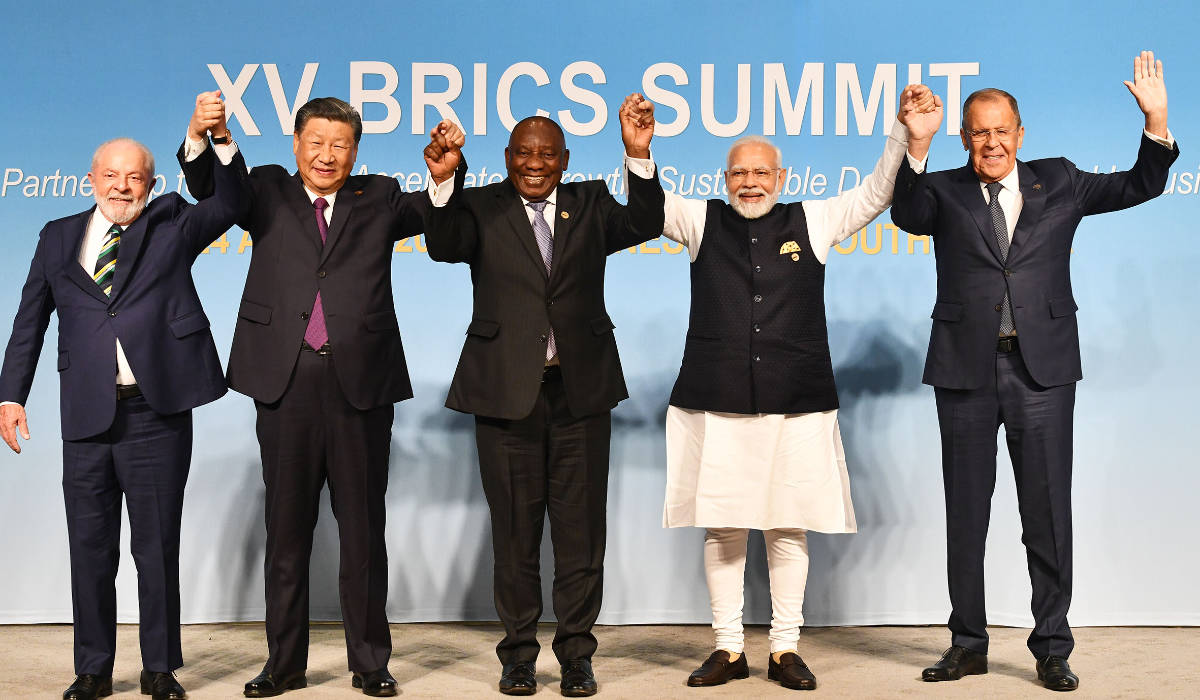
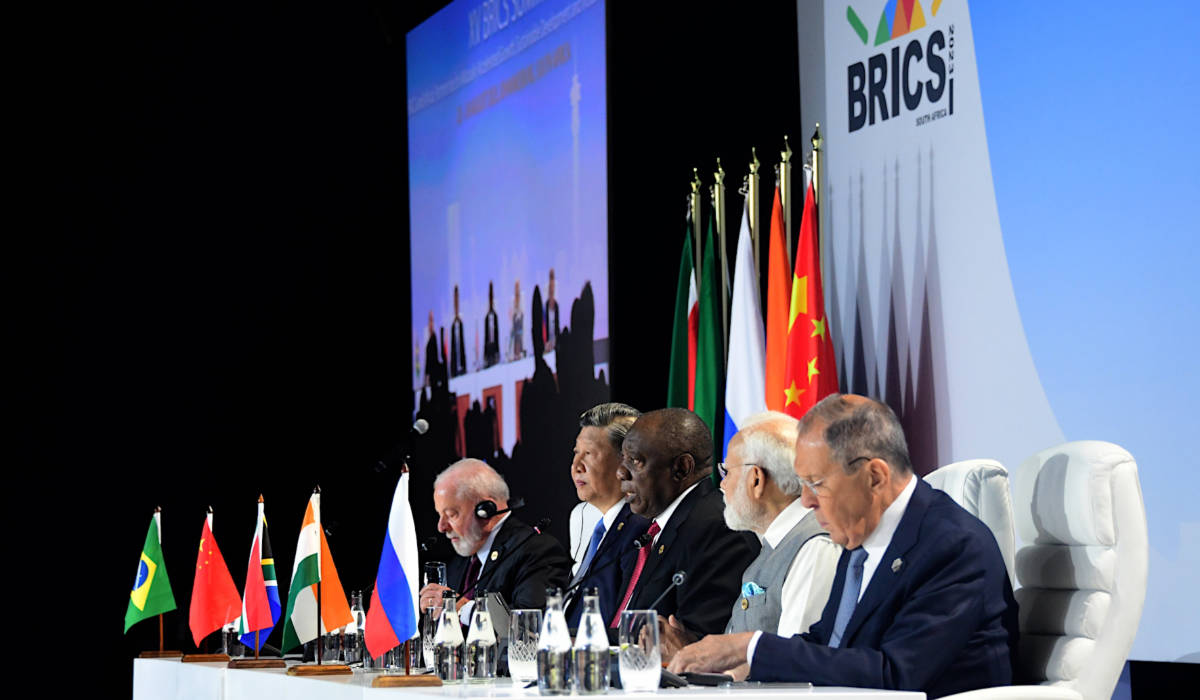
    In the past month, we have witnessed important developments around the role of Africa in multilateral institutions, including the African Union’s membership in the G20 and the expanded membership of BRICS to include two additional African states – Ethiopia and Egypt. In helping us to navigate the other outcomes of the XV BRICs summit, Bhaso Ndzendze has written a piece which carefully analyses the summit communiqué, the Johannesburg II Declaration. Staying with the analysis of the BRICS+ Summit, Cedric de Coning discusses the implications of the expanded BRICS membership for the future of global governance.

    Turning to elections in Southern Africa, Katharine Bebington has written a piece which describes the political context ahead of the general elections in Eswatini on 29 September 2023, which she analyses in a comparative discussion with the recently held elections in Zimbabwe. She argues that the election dynamics leave Southern Africa vulnerable to political unrest and poses questions about the nature of democracies in the region. Related to the broader topic of elections in Africa, Nkanyiso Simelane has written a piece which presents the case of strengthening the quality and integrity of elections in Africa as one type of response to the latest series of military coups.

  • The BRICS XV declaration: what it says and what it does not

    The BRICS XV declaration: what it says and what it does not

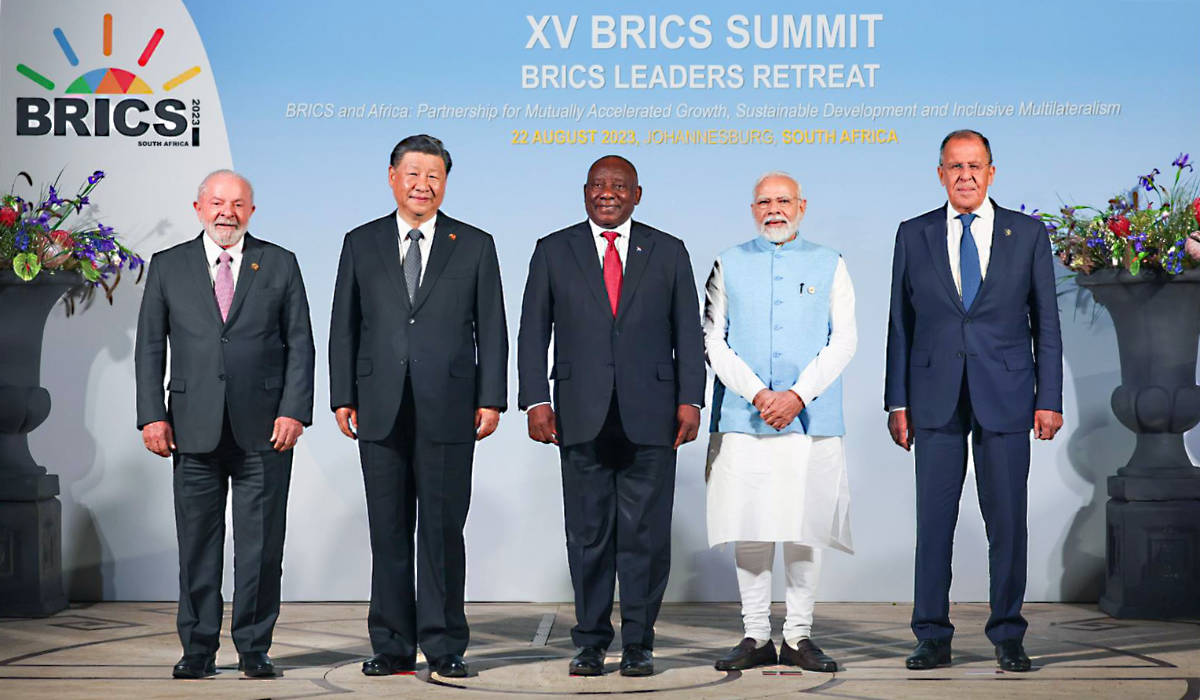
    The resultant communique, named the Johannesburg II Declaration, is notable for five areas – four by commission and one by omission (i.e., what the summit did not deliver on). These are as follows: firstly, reaffirmations made in line with previous declarations which showed consistency; secondly, the deliverables it produced in line with its declared theme; thirdly, more upfront language on the inclusion of Brazil, India and South Africa in the United Nations Security Council as part of its reform; fourthly, there was the admission of new members; finally, there is silence on the highly anticipated “de-dollarisation.” Each of these merit a close examination.

    Reaffirmations

    From the very first summit in 2009, hosted by Russia in Yekaterinburg, Russia, the BRICS has made its commitment to certain principles known. These have made their way into all subsequent declarations. This year’s was no different, it stated that “We reaffirm our commitment to the BRICS spirit of mutual respect and understanding, sovereign equality, solidarity, democracy, openness, inclusiveness, strengthened collaboration and consensus.” The five-member “strategic partnership” as it calls itself, rehashed its objectives of peace, multilateralism, representativity, and sustainable development.

    Additionally, several of the BRICS’ policy positions were reaffirmed, encompassing areas such as business (with a focus on the importance of gender equality within it), climate change (including a renewed commitment to the Paris Agreement), agriculture (notably addressing concerns about restrictions on the flow of some of these goods due to sanctions), terrorism, pharmaceuticals, and education (committing to working towards mutual recognition of qualifications), among various other topics.

    The pairings of Egypt and Ethiopia (recently at loggerheads over use of the waters of the Nile River), Iran and Saudi Arabia (engaged in a decades-long proxy conflict in the Middle East), seem set to import tensions into the group, and might pose a major challenge to internal cohesion.

    Fulfilling the theme

    The theme for this year’s BRICS summit was “BRICS and Africa: Partnership for Mutually Accelerated Growth, Sustainable Development and Inclusive Multilateralism.” It would thus raise expectations about ways in which the association would engage with the continent. Although the continent’s potential was noted, there were no firm commitments beyond support for the African Union Agenda 2063 and the African Continental Free Trade Area (AfCFTA).

    The declaration simply stated that “The African Continental Free Trade Agreement (AfCFTA) and BRICS cooperation presents opportunities for the continent to transition away from its historic role as a commodity exporter towards higher productivity value addition.” No specific measures for cooperation were introduced, however. Nevertheless, two African countries (Egypt and Ethiopia) have been formally invited to join from January next year. The African leaders’ peace mission initiative, undertaken in June of this year to Ukraine and Russia, was acknowledged and commended for its efforts and proposed roadmap. Finally, the BRICS also committed to supporting the African Union’s desire for membership in the G20, hosted by India this year from the 9th to the 10th of September. This commitment was fulfilled.

    More direct statement on the UN Security Council Reform

    In its seventh paragraph, the declaration stated, “We support a comprehensive reform of the UN, including its Security Council, with a view to making it more democratic, representative, effective and efficient, and to increase the representation of developing countries in the Council’s memberships so that it can adequately respond to prevailing global challenges and support the legitimate aspirations of emerging and developing countries from Africa, Asia and Latin America, including Brazil, India and South Africa, to play a greater role in international affairs, in particular in the United Nations, including its Security Council.” This is a departure from all previous summit declarations which have always been non-committal on the push for the inclusion of Brazil, India and South Africa in the UNSC. As noted elsewhere, the language of previous summits (including as recently as last year) has always followed this formula: “China and Russia reiterated the importance they attach to the status and role of Brazil, India and South Africa in international affairs and supported their aspiration to play a greater role in the UN.” It remains to be seen whether China and Russia will, going forward, take any concrete steps to achieve this goal.

    Six new members – but what do they bring?

    By far the most important takeaway from the summit is the invitation to Argentina, Egypt, Ethiopia, Iran, Saudi Arabia and the United Arab Emirates to take up full membership from January of 2024. The reasons for these specific six countries being added were not stated. Some of the countries seem odd choices and misplaced within the BRICS if its goal is to pose a challenge to the US-led world order. Notably, Egypt, Saudi Arabia, and the UAE are home to numerous American military bases and have been reliable allies for Washington for decades. The pairings of Egypt and Ethiopia (recently at loggerheads over use of the waters of the Nile River), Iran and Saudi Arabia (engaged in a decades-long proxy conflict in the Middle East), seem set to import tensions into the group, and might pose a major challenge to internal cohesion. The economic situation in Argentina is also quite shaky, with the country experiencing an inflation rate of more than 110% so far this year, and has defaulted numerous times on its IMF loans, which it currently owes US$44-billion.

    At the start of the summit, there was widespread and intense speculation regarding the objective of decreased dependence on the US dollar, with some even anticipating a new ‘BRICS currency’. This did not come into being.

    De-dollarisation can be kicked down the road (at best)

    At the start of the summit, there was widespread and intense speculation regarding the objective of decreased dependence on the US dollar, with some even anticipating a new ‘BRICS currency’. This did not come into being. Instead, the association committed to continued work to enhance trade conducted in one another’s currencies. This makes sense; creation of a single currency would be complex, as it would require the creation of a central bank, and would only be accomplished through a monetary union, the starting point of which is a free trade agreement. As it stands, there is no such agreement among the BRICS, who continue to collaborate and coordinate, but on a project-based (particularly its New Development Bank) and otherwise uncodified basis.

    The Declaration’s statement on payment systems is worth quoting at some length. Starting with an acknowledgment of the association’s recognition of “the wide-ranging advantages of rapid, inexpensive, transparent, secure, and inclusive payment systems,” it also expressed appreciation for “the exchange of experiences by BRICS members regarding payment infrastructures, which included discussions on the interlinking of cross-border payment systems.” It further encouraged member countries’ banks to enable settlements in local currencies. Finally, it concluded by tasking “Finance Ministers and/or Central Bank Governors, as appropriate, to consider the issue of local currencies, payment instruments and platforms and to report back to us by the next Summit.” In this regard, neither the “dollar” nor “de-dollarisation” were ever mentioned.

    Bhaso Ndzendze is an Associate Professor and HOD in the Department of Politics and International Relations at the University of Johannesburg. He is co-editor of the 2021 volume The BRICS Order: Assertive or Complementing the West?

  • What are the implications of an expanded BRICS for the future of global governance?

    What are the implications of an expanded BRICS for the future of global governance?

    When Jim O’Neill coined the BRIC acronym in 2001, the point he was trying to convey was that the global economic system needed to incorporate the world’s largest emerging economies. His advice fell on deaf ears and in 2009, Brazil, China, India and Russia decided to take matters into their own hands and formed the BRIC grouping. South Africa joined the group in 2010 to form the BRICS. This July the group held its 15th Summit in South Africa, and decided to add six new members: Argentina, Egypt, Ethiopia, Iran, Saudi Arabia and the United Arab Emirates. Many more are likely to join in the future, including countries like Indonesia and Nigeria. 

    What these countries have in common is a frustration, if not a grievance, about being side-lined to the periphery of the world economy. Together, the BRICS represent approximately 40% of the world’s population. The combined size of their economies is approaching approximately 30% of the world’s GDP, which puts them roughly on par with the combined size of the economies of the G7 countries, depending on whether size is measured in GDP or PPP.  More importantly, in the next few decades the combined size of the BRICS economies will surpass that of the G7. Despite this growing parity, all the members of the BRICS, with the exception of Russia, self-identify as being part of the Global South, i.e. they feel excluded from a global system dominated by the Global North. Their stated aim is to work towards a future system of global governance where they will have equal political and economic say in global institutions, and where no one state will dominate others. In pursuit of this aim they have established their own development bank, set up their own contingency reserve arrangement, are developing their own payment system, and the BRICS countries have started to trade with each other in their own currencies. 

    Whilst the BRICS countries share certain macro-economic and geo-political interests, many of the members also have competing interests in other domains.

    Whilst the BRICS countries share certain macro-economic and geo-political interests, many of the members also have competing interests in other domains. China and India are geopolitical rivals in South Asia, as are Iran, the UAE and Saudi Arabia in the Middle East. Egypt and Ethiopia have not yet been able to resolve their dispute over the Nile. Egypt, South Africa and others compete for an African seat in the UN Security Council. Brazil, India, South Africa and now also Argentina are democracies whilst other countries in the group are governed by a diverse range of autocratic regimes – does this imply tensions among BRICS members around some core values? On the other hand, shared BRICS membership can also ease some of these tensions, or at least create opportunities for regular diplomatic contact between these countries that can help to manage some of these dynamics, and thus contribute to regional and global stability.

    Many of the members of the BRICS also have close ties to the United States and Europe, including Egypt, India, Saudi Arabia, the UAE and South Africa. South African President, Cyril Ramaphosa, in a televised statement to the nation on the eve of hosting the BRICS Summit in South Africa, explained that South Africa remains non-aligned, and he announced that in 2023 the country will also host a major United States – Africa trade meeting and an EU-South Africa summit. South Africa will also host the G20 in 2025, the first in Africa. For many countries, BRICS membership does not necessarily imply prioritising one set of relations, e.g. with China, over others, e.g. the United States. The BRICS is a strategic partnership among its members around a set of shared values and interests, which can be summarised as a shared commitment to create a more equitable and just global order, where no single country, or group of countries dominates the system in their favour. 

    Where does this place the BRICS on the Russian war in Ukraine? The BRICS Summit in Johannesburg steered clear of taking a position on the war, other than welcoming mediation aimed at resolving the war through dialogue and diplomacy. Some BRICS members like Iran are clearly supporting Russia, whilst most others have stopped short of either supporting or condemning Russia. For many, for instance Egypt, the war has badly affected their economy. Two of the BRICS members, Egypt and South Africa, are part of an African initiative to seek a mediated end to the conflict, which is perhaps the first African initiative to mediate an international conflict. Overall, however, the BRICS have their eyes on the medium- to long-term transformation of the global macro-economic and financial system, and countries like China are probably frustrated that the Russian war in Ukraine has drawn attention away from this larger objective.

    The shift in the centre of gravity of the global economy to the east is an unstoppable fact driven by demographics and economic factors like the cost of production.

    Are the BRICS and the West headed for a new Cold War? The shift in the centre of gravity of the global economy to the east is an unstoppable fact driven by demographics and economic factors like the cost of production. At the same time, Europe and the United States will remain major economic players. In tandem with these changes in the global economy, it is clear that the global political order will become more multipolar, with China, Europe, India and the United States representing some of the major centres of influence. 

    Many of the BRICS countries, including China, Egypt, India, Saudi Arabia, the UAE and South Africa all have economies whose prosperity is currently closely tied to the Unites States. They will thus have an interest in a slow stable freeing up of the international financial system, and this should give the global economy and financial system time to adapt. 

    The same logic also applies to changes in global governance architecture. Apart from Russia, all the other BRICS countries have an interest in making sure that changes in the global order they are pursuing are managed at a slow and steady pace that does not generate instability. All the BRICS countries, apart from Russia, are also strong supporters of multilateralism, with the United Nations at its centre. Many western countries and BRICS members may thus have more shared interests than the doomsday headlines of a new Cold War suggest. Whilst it is prudent to be cautious, it may also be wise for all countries to explore cooperation in those areas where there are shared interests rather than assume that the BRICS and the west are strategic rivals on all fronts.

    Cedric de Coning is a senior advisor to ACCORD and a research professor with the Norwegian Institute of International Affairs (NUPI). A version of this paper was published by the Global Observatory on 30 August 2023.

  • Elections-related instability in Eswatini and Zimbabwe high on SADC agenda

    Elections-related instability in Eswatini and Zimbabwe high on SADC agenda

    On 29 September 2023, Eswatini is set to hold elections, the second set of major elections in Southern Africa following the elections in Zimbabwe in August. Zimbabwe has often found itself on the agenda of the peace and security organs of the Southern African Development Community (SADC) and within the international community over the last few decades. However, in the past few years, Eswatini has also emerged as a recurring concern on SADC’s security agenda. This has meant that major events, such as elections, take on even more significance, as they are perceived as potential flashpoints for unrest and political instability within the country.

    The Zimbabwe elections were highly anticipated, with many observers fearing unrest and violence during the election period. Many aspects of the Zimbabwe elections were contentious, with opposition parties accusing the government of banning their campaign rallies in the run-up to the elections, and then the rejection by the main opposition, the Citizens Coalition for Change (CCC), of the election results. On election day, the Zimbabwe Electoral Commission (ZEC) ran into issues, as insufficient ballot papers were distributed to voting stations in mainly urban areas. As many voting stations were unable to provide sufficient ballot papers, voting was extended into the following day, providing the ZEC with additional time to deliver ballot papers to voting stations.

    The elections also drew the attention of the wider international community, and a number of inter-governmental organisations sent observer missions to the elections, such as the African Union (AU), European Union (EU) and the Commonwealth, in addition to SADC. Many observer missions voiced concerns about the election results, with SADC noting that “some aspects of the Harmonised Elections fell short of the requirements of the Constitution of Zimbabwe, the Electoral Act, and the SADC Principles and Guidelines Governing Democratic Elections (2021).”

    Eswatini has a unique electoral system, known as the Tinkhundla system that elects some members of both Houses of Parliament, while the remaining members are appointed by the King.

    These statements emboldened the leader of the CCC, Nelson Chamisa, to not only call for a re-run of the elections, but also for the assistance of SADC and the AU (who had previously voiced concerns over the conducting of the elections) in the holding of new elections. The CCC were also set to legally challenge the outcome of the elections, but failed to file any papers with the Constitutional Court. The CCC indicated that they believed any legal processes would prove futile, as they consider the judiciary to be ‘captured’, and thus not independent and impartial. They instead chose a tactic of trying to raise political and diplomatic pressure on re-elected president, Emmerson Mnangagwa to concede that the elections were not free and fair. This saw the CCC call for mass protests after the elections to demonstrate against the outcome. However, the opposition rejection of the elections and observer misgivings did not stop the inauguration of Mnangagwa for his second term in office, which took place at the beginning of September. Despite SADC’s observer report, many SADC countries accepted the outcome of the elections, and many presidents attended the presidential inauguration. The SADC report was presented by the former vice-president of Zambia, Nevers Mumba, who was appointed to lead the observer mission by the Chair of the SADC Organ on Politics, Defence and Security Cooperation, the president of Zambia, Hakainde Hichilema. The report has led to diplomatic tensions between Zambia and Zimbabwe, as President Hichilema has stood by the report on the elections and did not attend the inauguration. Some within Zimbabwe in turn have accused Hichilema of breaching SADC protocols when he appointed Mumba.

    The elections in Zimbabwe, for the most part, have overshadowed the elections in Eswatini. The political make-up of Eswatini does mean that elections in the country are less significant, as they do not determine the head of state, in the same way that elections in Zimbabwe do. Nonetheless, the elections remain a significant event in the political cycle of the Kingdom.

    Eswatini has a unique electoral system, known as the Tinkhundla system that elects some members of both Houses of Parliament, while the remaining members are appointed by the King. Eswatini is divided into 4 regions, 59 Tinkhundla and 336 chiefdoms, with 664 voting stations in which voters can cast their ballots. Nominations for office take place in the chiefdoms, although at this stage people cannot canvass for votes, and those nominated are usually people who are well known in the community. After this, a primary election is held in the chiefdom in order to elect a candidate from those nominated to compete in the secondary elections. Candidates are allowed to campaign for votes in the secondary elections, where the members of parliament are elected. In the lower House, the House of Assembly, 59 members are elected via a direct result, while 10 members are selected directly by the King. It is from the House of Assembly that the king chooses the Prime Minister. In the upper House, the Senate, 10 members are indirectly elected by the House of Assembly and 20 are selected by the King.

    What makes the elections in Eswatini in 2023 particularly significant is that these are the first major elections to take place in the country since the violent unrest began in 2021. Those involved in the unrest have been calling for political reforms in the country, with calls ranging from the abolition of the monarchy to reforms within the current system. It is these calls for democratic change that have made Eswatini become a fixture on SADC’s security agenda.

    While it remains to be seen if the outcomes of the elections in Eswatini will be as contentious as those in Zimbabwe, both countries have opposition parties that have major misgivings about the current status of democracy in their country.

    Political parties are banned in Eswatini, which means that individuals running for public office cannot have political affiliations. Consequently, the elections raise a critical question in respect to Eswatini’s political movements and would be political parties. Will they contest or boycott the elections? Should the political parties choose to contest the elections, it could potentially place the monarchy in a difficult situation if pro-democracy candidates secure a significant number of seats. Pro-democracy Members of Parliament (MPs) could also use their positions in parliament to push for political reforms. However, competing in the elections could also be interpreted as legitimising the current political system. These questions have divided the pro-democracy movement in Eswatini, as older parties, such as the People’s United Democratic Movement (Pudemo) prefer to boycott, while newer parties, such as the Swaziland Liberation Movement (Swalimo) advocate for participation.

    These divisions amongst the pro-democracy movement has seen the results of the primary elections largely favouring pro-government candidates. This increases the possibility that the September elections are likely to produce a pro-government/pro-monarchy parliament that is unlikely to entertain debates about political reforms in Eswatini. The elections also favour the monarchy in that they have been able to expose a major division amongst the pro-democracy movement, which will only serve to weaken their position. The division on how to approach the elections calls into question the movement’s cohesion amongst the various parties and their ability to compromise.

    Eswatini will hold their elections on 29 September, regardless of the positions of the various political parties. The SADC Electoral Observer Mission (SEOM) to Eswatini will be led by H.E. Enock P. Kavindele, the former vice-president of Zambia. The SEOM was launched on 22 September, and will monitor the pre-election, election and post-election activities in the Kingdom. The SEOM is set to release its preliminary statement on the outcome of the elections on 1 October.

    While it remains to be seen if the outcomes of the elections in Eswatini will be as contentious as those in Zimbabwe, both countries have opposition parties that have major misgivings about the current status of democracy in their country. The Zimbabwean opposition neither trusts the election results, nor has confidence in the impartiality of the justice system to contest those results. In Eswatini, the political system’s nature and the monarchy’s authority within that system, means that the opposition view it as undemocratic. This leaves Southern Africa vulnerable to political unrest and it leaves SADC with difficult questions to answer around the nature of the democracies that it wants and has in its region.

    Katharine Bebington is a researcher at ACCORD.

  • Strengthening Constitutional Changes of Government by Improving the Quality and Integrity of Elections in Africa

    Strengthening Constitutional Changes of Government by Improving the Quality and Integrity of Elections in Africa

    Elections are crucial to the functioning of any democracy as they provide an ideal mechanism for democratic changes of government. This is particularly pivotal on the African continent in the context of democratic consolidation and mitigating the unconstitutional changes of government. As such, questions on how to strengthen political transitions towards democratic governance and consolidation in Africa need to focus on improving electoral integrity and quality on the continent.

    The resurgence of military coups on the continent in the 2020s has refocussed attention to responding to this phenomenon. Earlier this year, the African Peer Review Mechanism (APRM), in collaboration with the African Governance Architecture (AGA) produced the third edition of the African Governance Report (AGR) on Unconstitutional Changes of Government (UCG). The AGR “presents an analysis of the influences, causes, drivers and triggers of UCGs in Africa”. Of particular importance, the AGR identified the deficit in the integrity of democratic elections as the first catalyst, cause and trigger of UCGs in Africa.

    Elections in Africa can be considered in the broader context of democratisation and consolidation of democratic institutions. In some cases, elections in Africa are characterised by violence because of the structural and institutional settings in which they are conducted. This is influenced by the nature of the regime, patronage, election management and electoral system. These factors, along with intense electoral competition, at times increase the occurrences of violence in elections. Democratic institutions can provide gateways for the use of violence and need to be altered through the consolidation of democratic political culture and value systems.

    Democratic institutions can provide gateways for the use of violence and need to be altered through the consolidation of democratic political culture and value systems.

    The integrity of elections has been gravely compromised by spates of violence and subsequent coups in recent times. Improving the quality of elections enables competition between candidates which prevents the use of violence to contend electoral outcomes. Moreover, it entails improving the capacity and policies governing the electoral participation of citizens that also needs to be safeguarded and protected from intimidation and violence.

    Recent elections on the continent highlight some of these issues. For example, in the lead up to the 2023 elections in Nigeria, violence was utilised by various armed groups as a tool against political opponents, influencing electoral processes and deterring rival candidates from contesting elections. A report found that political violence increases during the pre-election phase. This negatively impacted party supporters, candidates, and the Independent National Electoral Commission’s staff. ACLED recorded over 200 violent incidents involving party members and supporters, which resulted in close to 100 reported fatalities, and 44 incidents of violence against INEC offices and staff 12 months prior to the 2023 elections. Therefore, great attention needs to be given to prevent and mitigate violence during elections in order to improve the quality and integrity of elections.

    Even in cases where elections have not be marred by violence, their credibility is questionable, which is equally problematic. Elections need to not only be declared free and fair, but also be accepted as free and fair by the winners, losers, and electorate. Cases such as in Kenya, where electoral outcomes were disputed to the extent of approaching the courts, highlight the need for free and fair elections that are viewed as impartial even by opposition political parties. Poor quality and integrity of electoral systems not only contributes to the risk of UCGs, but also an increase in civil uprisings. This is particularly the case in countries with decreasing voter turnouts, which creates a culture of viewing elections as an unfeasible avenue to influence improvements in governance and leadership. It further facilitates an environment where non-electoral means are increasingly explored, thus undermining peace and security on the continent.

    One of the key findings of the AGR noted that “instability may result if elections are not considered credible”. This is made evident by the recent coups in Niger and Gabon shortly after elections. In Niger, the opposition leader alleged that the 2021 elections were fraudulent, amidst growing dissatisfaction in the political system of the country. Gabon had held its elections on 26 August 2023, and a coup took place shortly after President Ali Bongo’s re-election. One of the reasons cited for the coup were accusations of election fraud by the ousted President Bongo.  All three of his electoral victories have been deeply disputed and have led to a lack of trust and confidence in electoral processes. It is evident that an important instrument to mitigating UCGs is improving the general quality of elections in Africa and their legitimacy.

    The loss of confidence in the electoral systems, especially amongst African youth, poses the greatest danger to peace and security on the continent.

    This can be done in various ways. Firstly, the African Charter for Democracy, Elections and Governance needs to be domesticated by all African Union member states. This ensures that the standards of domestic elections meets those set regionally and internationally. Secondly, the domestic Electoral Management Bodies need to be sufficiently funded to ensure that they are adequately equipped. It must be noted that in South Africa, the Independent Electoral Commission has received budget cuts leading up to the 2024 general elections. This, in a time of electoral reform that has expanded the Commission’s work. This poses a potential threat to the Commission’s work which needs to be avoided.

    The loss of confidence in the electoral systems, especially amongst African youth, poses the greatest danger to peace and security on the continent. When the youngest demographic population in the world experiences decreased youth voter turnouts – it is a cause for concern. Hence, the third point is that young people need to be included in electoral reform processes, electoral observations, and participate in the work of domestic Election Management Bodies. Furthermore, young people need to be increasingly put forward as electoral candidates in order to restore confidence in electoral institutions. Despite its youth bulge, Africa’s electoral candidates and elected leaders do not adequately reflect this demographic.

    Lastly, regional and continental Electoral Observation Missions need to be robust and more aggressive. The recent preliminary report by the Southern African Development Community’s Electoral Observation Mission presents a step in the right direction. The preliminary report stated that the Zimbabwean elections fell short of constitutional and legislative standards of the country and of the region. Furthermore, the absence of most SADC Heads of State from President Mnangagwa’s inauguration is a welcomed, robust approach to condemning irregular electoral outcomes. The above mentioned recommendations and steps will not only contribute to consolidating Africa’s democracy, but will also restore confidence to citizens in constitutional changes of government through elections.

    Nkanyiso Simelane is a research intern at ACCORD.

  • Conflict & Resilience Monitor – 1 September 2023

    Conflict & Resilience Monitor – 1 September 2023

    This week as we faced the familiar scenes of an announcement from military officers on national television in Gabon saying that they have seized power, the centrality of the conversation regarding unconstitutional changes of power in the African conflict and resilience landscape is increasingly clear. In helping us to understand the resurgence of these types of transitions of power, Fatma Ahmed and Jide Martyns Okeke have written a timely piece which explores the triggers and structural factors behind military coups. In keeping with these developments, Festus Kofi Aubyn shares an analysis on the ECOWAS response to the coup in Niger and cautions against the overreliance on sanctions at the expense of a political solution to a political problem.

    Moving to East Africa, we have a piece from Sara Tadesse Gebremariam which looks at the current conflict in Ethiopia’s second most populous region, Amhara. This conflict ensues against the backdrop of the Pretoria Peace Agreement between the Government of Ethiopia (GoE) and the Tigray People’s Liberation Front (TPLF). In this analysis, the author explains that the Abiy administration will need to balance trading off current instability in the Amhara region with risking a return to civil war in Tigray, if the Pretoria Agreement is not implemented as agreed.

    The final section of this month’s Monitor reflects on the latest developments within global governance. In the context of the New Agenda for Peace, Cedric de Coning has authored a piece which focuses on the recommendations made regarding support to African peace operations. He explains that, in the new era of networked peace operations, the United Nations, African Union and other actors need to find new ways to cooperate so that they complement and mutually reinforce each other, as part of a new emerging global peace and security architecture.

    In keeping with the discussions on emerging global architectures, Bhaso Ndzendze and Siphamandla Zondi have written a piece which reflects on the dynamics and politics of an expanded BRICS.

  • The New Agenda for Peace and UN support for African peace operations

    The New Agenda for Peace and UN support for African peace operations

    The global order is rapidly changing. UN and African-led peace operations must adapt to both new geo-political realities as well as new threats and challenges. A major new UN policy document suggests what its member states need to do to prevent conflict and sustain peace during this period of uncertainty, and some of the recommendations calls for support to African peace operations.

    In July 2023, the United Nations Secretary-General released a major new policy document called the New Agenda for Peace. It is the 9th in a series of policy briefs that serve as inputs for the Summit of the Future that will take place in September 2024. The Summit of the Future is taking place at an important inflection point. The global order is in transition, characterised by growing fragmentation of the international system and a weakening of trust in institutions. The United Nations must adapt and find new ways to pursue its mandate in the midst of this new emerging (dis)order. 

    Over the past eight years there has already been a significant surge in conflicts, resulting in the most conflict-related deaths since the 1980s. One quarter of the world’s population is affected by conflict and 108 million people are forcibly displaced. The Russian war in Ukraine and the civil war in Ethiopia were responsible for most conflict related deaths in 2022. The New Agenda for Peace speaks to what UN member states have to do, domestically and collectively, to contain and reverse this trend.

    Whilst the New Agenda for Peace covers the whole continuum of peace and security, including issues like disarmament, preventive diplomacy, gender and WPS, climate-related peace and security, and touches on new threats like Artificial Intelligence, this paper focuses on its recommendations regarding support to African peace operations. 

    The UNSG’s New Agenda for Peace recognize the need for peace enforcement in certain contexts. However, as @UNpeacekeeping is not the right tool for such operations, it recommends that the UN authorise the @AfricanUnion to undertake such operations on its behalf #NA4P

    A new focus on peace enforcement

    The New Agenda for Peace points out that the nature of conflict is changing, and this has a number of implications for peace operations. In many of the countries that are hosts to large UN peacekeeping operations, like the Central African Republic (CAR), the Democratic Republic of the Congo (DRC) and Mali, the governments and people are frustrated with the UN’s model of peacekeeping. They seek international assistance in fighting and defeating violent extremists and insurgents, however they feel that the UN’s approach to peacekeeping, protection of civilians and stabilisation has not significantly improved their security situation. 

    The New Agenda for Peace responds to this frustration by recognising the need for peace enforcement in certain contexts. However, as various high-level UN panels have stressed in the past that UN peacekeeping is designed to help implement cease-fire and peace agreements and does not have the right tools to do counter-terrorism or other peace enforcement type operations, the New Agenda for Peace recommends that the UN Security Council should authorise other forces and organisations, like the African Union, to undertake peace enforcement operations.

    UN funding for AU-led peace operations

    The New Agenda for Peace also goes one step further and recommends that the UN should provide the African Union with resources, from the UN assessed-contributions peacekeeping budget, when the Security Council authorises the African Union to undertake such peace enforcement and counter-terrorism operations.

    However, it also stresses the importance of political primacy and thus recognises that whilst the insecurity caused by violent extremists needs to be addressed, the problems that have led to the emergence of violent extremism need to be addressed for peace to become self-sustainable. The New Agenda for Peace thus warns against seeing peace enforcement as a quick fix and calls for a comprehensive approach to resolving the causes and drivers of insecurity. It also warns against hard-handed operations that can play into the hands of the extremists and recommends that UN financial support is accompanied by other forms of support, including human rights compliance, to help prevent such unintended consequences.

    The UNSG’s New Agenda for Peace recommends that the UN should support African Union @AUC-PAPS peace enforcement operations with resources from the UN peacekeeping budget #NA4P

    New generation of UN support operations

    Although the New Agenda for Peace does not go into the details of how such support may be provided, it is likely that the UN will build on its existing experiences with providing support to the African Union missions in Somalia through a dedicated UN support mission, as well as its experiences of providing support to the G5 Sahel force and other entities through its UN missions in Mali and the DRC. 

    Should the UN Security Council grant financial assistance to an AU-led peace operation, the most likely mechanisms the UN would use to provide such support is through the deployment of a UN support mission to the AU. In this way the UN can avoid having to transfer money to the AU, which will avoid significant transaction costs and investments in financial oversight. Instead, it can use its own existing mission support systems and instruments to provide logistical and other forms of support to AU-led missions. 

    One can also envision that in future such missions can include political, planning, human rights, public information, and other such civilian functions to assist these missions to report to the Security Council, provide oversight, and ensure political and strategic coherence between the UN and AU. Whilst it has not yet been foreseen in UN policy documents and it is not mentioned in the New Agenda for Peace, it could also be possible that such UN support missions may in future benefit from the capabilities of UN troop contributing countries who could deploy military hospitals, engineering and some aviation and other specialised capabilities that can serve as behind the front-lines force enablers for such peace enforcement operations.

    UN support missions to non-UN forces authorised by the Security Council is not a model only for the Africa. The UN Secretary-General is currently suggesting such a UN support mission to support a non-UN force in Haiti.

    Conclusion

    Boutrous-Boutrous Ghali released the original Agenda for Peace in 1992, and it served as a guiding framework for UN preventive diplomacy, peacemaking, peacekeeping, and peacebuilding for decades. Over this period peacemakers, peacekeepers and peacebuilders learned that the conceptual clarity and clear chronological and sequenced logic of the Agenda of Peace did not reflect the complexity of managing and resolving conflict in the real world. The New Agenda for Peace is more realistic and pragmatic, especially in its assessment and recommendations in the area of peace operations. It recognises that the UN is operating in a new era of networked peace operations, where the UN is operating alongside a variety of other peace and security actors, which in Africa includes the African Union, regional economic commissions, and other regional and sub-regional mechanisms. The point is these institutions co-exist and needs to find new ways to cooperate so that they complement and mutually re-enforce each other, as part of a new emerging global peace and security architecture.

    Cedric de Coning is a senior advisor to ACCORD and a research professor with the Norwegian Institute of International Affairs (NUPI).

  • An expanded BRICS could reset world politics but picking new members isn’t straightforward

    An expanded BRICS could reset world politics but picking new members isn’t straightforward

    Eager to escape perceived western dominationseveral countries – mostly in the global south – are looking to join the Brics bloc. The five-country bloc (Brazil, Russia, India, China and South Africa) is also looking to grow its global partnerships.

    What began in 2001 as an acronym for four of the fastest growing states, BRIC (Brazil, Russia, India and China), is projected to account for 45% of global GDP in purchasing power parity terms by 2030. It has evolved into a political formation as well.

    Crucial to this was these countries’ decision to form their own club in 2009, instead of joining an expanded G7 as envisioned by former Goldman Sachs CEO Jim O’Neill, who coined the term “Bric”. Internal cohesion on key issues has emerged and continues to be refined, despite challenges.

    South Africa joined the group after a Chinese-initiated invitation in 2010; a boost for then president Jacob Zuma’s administration, which was eager to pivot further to the east. The bloc also gained by having a key African player and regional leader.

    Ever since, the grouping has taken on a more pointedly political tone, particularly on the need to reform global institutions, in addition to its original economic raison d’etre.

    The possibility of its enlargement has dominated headlines in the run up to its 15th summit in Johannesburg on 22-24 August.

    We are political scientists whose research interests include changes to the global order and emerging alternative centres of power. In our view, it won’t be easy to expand the bloc. That’s because the group is still focused on harmonising its vision, and the potential new members do not readily make the cut.

    Some may even bring destabilising dynamics for the current composition of the formation. This matters because it tells us that the envisioned change in the global order is likely to be much slower. Simply put, while some states are opposed to western hegemony, they do not yet agree among themselves on what the new alternative should be.

    BRICS’ overtly political character partially draws on a long history of non-alignment as far back as the Bandung Conference of 1955

    Evolution of BRICS

    BRICS’ overtly political character partially draws on a long history of non-alignment as far back as the Bandung Conference of 1955. It was attended mostly by recently decolonised states and independence movements intent on asserting themselves against Cold War superpowers – the Soviet Union and the United States.

    BRICS has come to be viewed as challenging the counter hegemony of the US and its allies, seen as meddling in the internal affairs of other states.

    Reuters estimates that more than 40 states are aspiring to join BRICS. South African diplomat Anil Sooklal says 13 had formally applied by May 2023.

    Many, though not all, of the aspiring joiners have this overtly political motivation of countering US hegemony. The other important incentive is access to funds from the BRICS’ New Development Bank. This is especially pronounced in the post-COVID climate in which many economies are yet to fully recover. Of course the two can overlap, as in the case of Iran.

    The notable applicants have included Saudi Arabia, Belarus, EthiopiaArgentinaAlgeria, Iran, Mexico, and Turkey.

    Expanded BRICS

    A strategically expanded BRICS would be seismic for the world order, principally in economic terms.

    Key among the club’s reported priorities is reduction of reliance on the US dollar (“de-dollarisation” of the global economy). One of the hurdles to this is the lack of buy-in by much of the world. Though some states may disagree with the dollar’s dominance, they still see it as the most reliable.

    Given the extent of globalisation, it’s unlikely that there will be attempts to chip away at the west’s access to strategic minerals and trade routes as happened during the Suez Crisis of 1956, at the height of the Cold War.

    Instead, the new joiners would likely use their new BRICS membership to better bargain with their western partners, having more options on hand.

    Herein lies the challenge (and the paradox) with BRICS expansion. On one hand, the grouping is not yet offering anything concrete to justify such drastic measures as de-dollarisation. On the other, the current five members also need to be selective about who they admit.

    Among the considerations must surely be the track record of the applicants as well as their closeness to the west. The experience of having had a right-wing leader such as former Brazilian president Jair Bolsonaro in its midst must have been a lesson about the need to be circumspect when admitting new members.

    If an expanded BRICS is to be an agent for change on the world scene, it will need to be capable of action. Having rivals, or states that are at least ambivalent towards each other, seems anathema to that.

    Weighing the likely contenders

    In this regard, aspirants such as Saudi Arabia and Mexico seem the least likely to make the cut in the short term. That’s despite the Saudis’ oil wealth and Mexico’s leftist-progressive leader Andres Manuel Lopez Obrador. Although they might be currently experiencing rocky relations with Washington, they have proven to be capable of rapprochement following previous disagreements with the US, with which they seem inextricably intertwined.

    Saudi Arabia has a long-term military relationship with the US, while Mexico is the US’s number-one trading partner.

    Of equal importance in the evaluation of potential new members is the relationship the aspirants have with the existing BRICS members. This is because another crucial lesson has been the tiff between two of its largest members, China and India, over their disputed border. As a result of the uneasy relationship between two of its members, the bloc has become alert to the importance of direct bilateral relations and dispute resolution among its constituent leaders.

    Among the applicants, Saudi Arabia, which has had a fractious relationship with Moscow in the past, seems to face an uphill climb. It also has difficult relations with Iran, another applicant, despite their recent rapprochement.

    The country which seems the most suitable to join BRICS for ideological reasons, and will expand the bloc’s footing in the Caribbean, is Cuba. It enjoys strong ties with the existing members. It also has solid “counter-hegemonic” credentials, having been the bête noire of the US for more than 60 years.

    Cuba is also a leader in the Latin American left and enjoys strong ties with many states in Central and South America (particularly with Guatemala, HondurasNicaragua and Venezuela). Membership would boost its influence.

    Character matters

    If an expanded BRICS is to be an agent for change on the world scene, it will need to be capable of action. Having rivals, or states that are at least ambivalent towards each other, seems anathema to that.

    Eager to proceed cautiously and expand strategically, the current BRICS states seems likely, at least in the short term, to pursue a BRICS-plus strategy. In other words, there may emerge different strata of membership, with full membership granted to states that meet the group’s criteria over time.

    It is thus not mere expansion, but the character of the expansion which will guide the five principals on whether they grow from that number.

    This Article was first published in The Conversation on 6 August 2023, and can be accessed here.

    Bhaso Ndzendze is an Associate Professor (International Relations), University of Johannesburg and Siphamandla Zondi is the Acting Director: Institute for Pan-African Thought & Conversation, University of Johannesburg.

  • Beyond Sanctions and the use of force: How ECOWAS can negotiate a political solution to Niger’s coup

    Beyond Sanctions and the use of force: How ECOWAS can negotiate a political solution to Niger’s coup

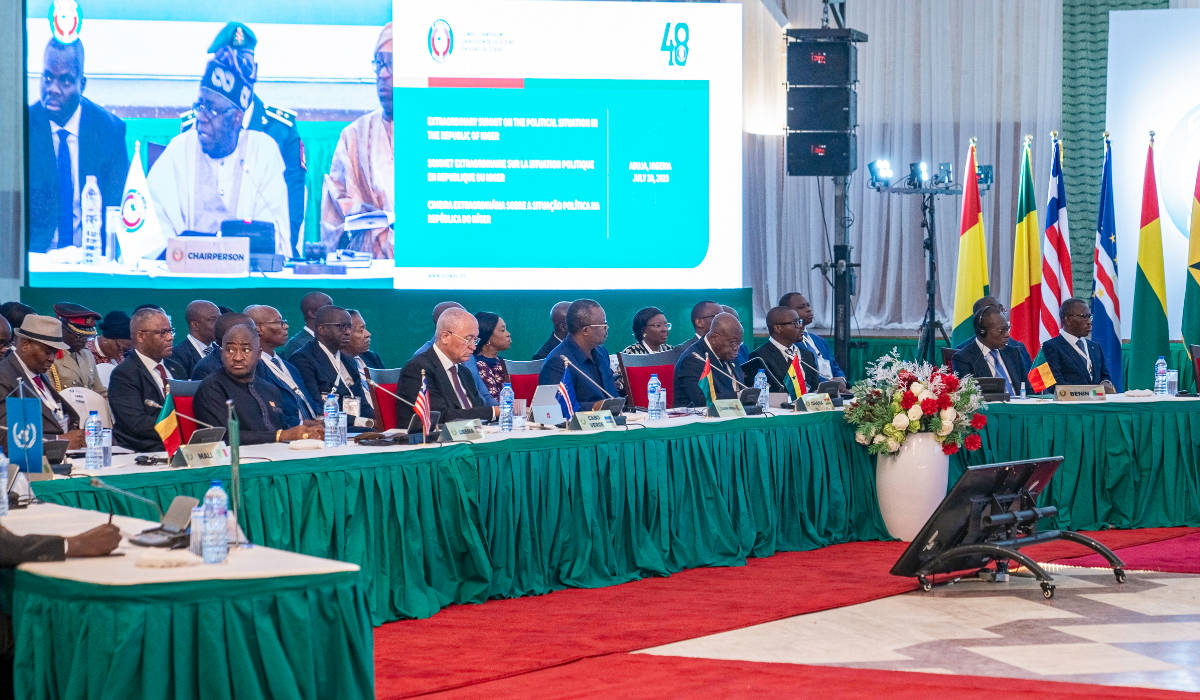
    The 26 July 2023 coup in Niger, which was the sixth in three years is a classic case in point. The coup truncated the first civilian-to-civilian transition in 2021 since Niger’s independence in 1960 and hurt the country’s image as the most reliable Western ally in combatting terrorism in the Sahel. Regionally, the coup did not only dent the reputation of the Economic Community of West African States (ECOWAS), but it also accentuated the failures of ECOWAS in adopting a more robust preventive approach to coups d’états. It is therefore not surprising that ECOWAS has taken a harder stance on Niger’s new military regime than it has on previous coups in Guinea, Mali, and Burkina Faso to demonstrate that “not only can it bark but it can also bite”.

    However, despite weeks of international efforts to restore Mohamed Bazoum as the country’s legitimate president, Niger’s ruling junta led by General Abdourahmane Tchiani has refused to hand over power. While ECOWAS’ barrage of sanctions, and threat to use force against the putschists is politically and normatively justifiable under its 2001 Protocol on Democracy and Good Governance, such actions must be exercised with determination, caution, and discretion due to their unintended consequences. So far, the multiple sanctions including the closure of land and air borders, the institution of a no-fly zone on all commercial flights, the suspension of all commercial and financial transactions, the freezing of assets in ECOWAS Central Banks, and the suspension of Niger from all financial assistance and transactions, has had far-reaching consequences on the Nigerian population.


    The coup truncated the first civilian-to-civilian transition in 2021 since Niger’s independence in 1960 and hurt the country’s image as the most reliable Western ally in combatting terrorism in the Sahel. @FKAubyn

    The funding cuts by Western countries (including US, France, and Germany) which provide external aid for up to half of Niger’s budget is already affecting the economy. Similarly, the cut in power supply by Nigeria which supplies 70 percent of the country’s electricity is also affecting daily life and businesses. Food security is worsening, due to chronic insecurity, border closures and the disruptions in food supply chains, resulting in significant inflationary pressures. The effective supply of essential pharmaceuticals, medical equipment, petroleum products is also being impacted. Although the intent of the sanctions is to put pressure on the putschists to comply with the demands of ECOWAS, they are actually causing harm to ordinary citizens, businesses, and commercial activities especially along the border towns with Nigeria. Cutting off the country from regional trade, finance, and security assistance is actually exacerbating the economic well-being and physical security of the population who are the main casualties of the coup. As with most targeted sanctions, the travel bans and asset freeze for the military officials involved in coups and their civilian associates have proven to be ineffective. This is evidenced by the visit of the Nigerien military delegation to Mali on 2 August and the recent working visit of Niger’s military-appointed prime minister, Ali Mahaman Lamine Zeine to Chad on 15 August. The putschists have rather used the sanctions to boost their domestic legitimacy by presenting themselves as defenders of the population subjected to hardship by ECOWAS and its Western allies.

    Beyond the sanctions, ECOWAS leaders have ordered the immediate activation and “deployment” of the “ECOWAS standby force with all its elements” to restore Mohamed Bazoum as the country’s president. The last time ECOWAS restored an ousted president was in February 1998 when the Nigerian-led Economic Community of West African States Monitoring Group (ECOMOG) stormed Freetown and returned President Ahmed Tejan Kabbah to power. ECOMOG forces ousted the military regime led by Major Johnny-Paul Koroma who ruled Sierra Leone for nine months from 25 May 1997 to 13 February 1998. However, the context of that operation in Sierra Leone differs significantly from the current crisis in Niger. Similarly, the 2017 deployment of ECOWAS forces under “Operation Restore Democracy” in Banjul to force Yahya Jammeh to cede power to Adama Barrow who had defeated him in the 2016 elections also differs from the Nigerien situation in many ways. 

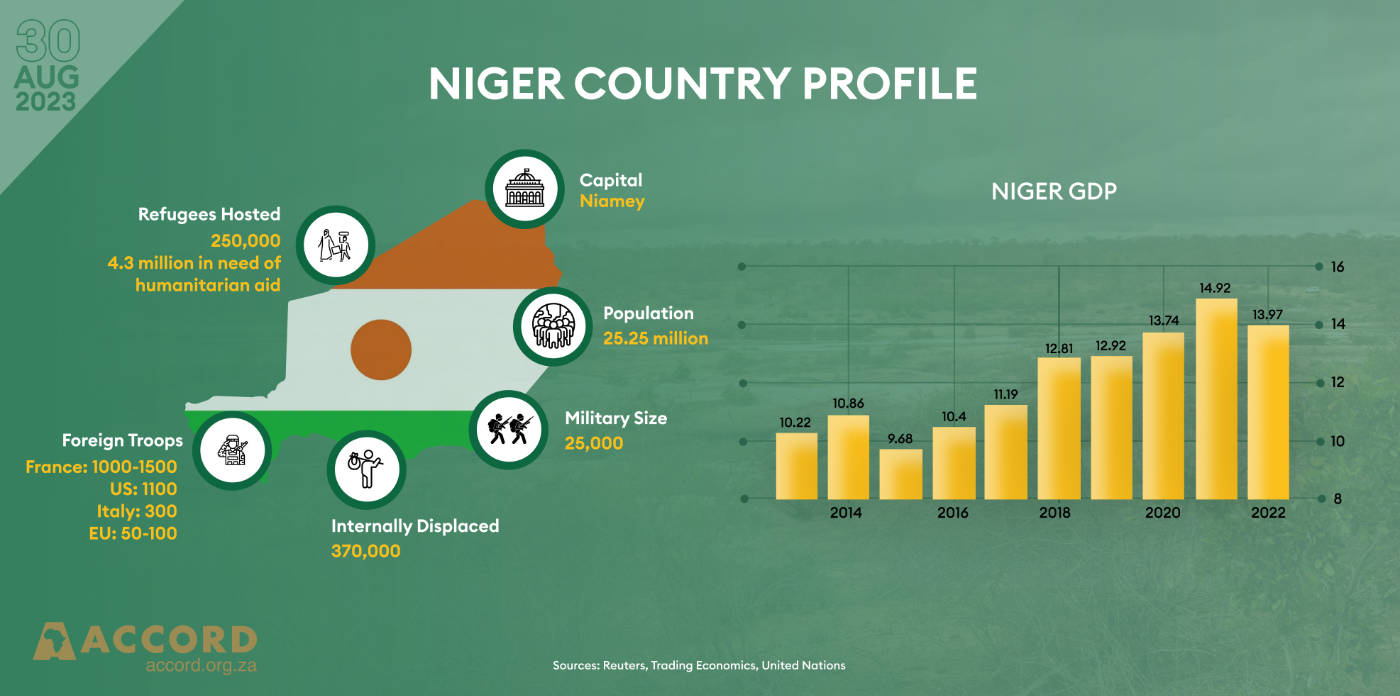
    Source: Reuters, Trading Economics, United Nations

    In essence, although ECOWAS has a good track record of military interventions in the region, any use of force in Niger could have wide-ranging humanitarian and regional ramifications. This is why Niger’s neighbours, Chad, Algeria, Mali, and Burkina Faso have opposed the use of force. It is understandable that ECOWAS is exploring military intervention and is desperate to “do something” after the junta defied its seven-day ultimatum to step down. However, any use of force would be politically disastrous, operationally risky, and self-destructive given the divisions within ECOWAS. Apart from the civilian casualties and mass influx of refugees and migration inflows into the seven countries bordering Niger, any military intervention will also impact negatively on regional counterterrorism operations. Countries currently committed to the fight against armed groups linked to al-Qaeda and Islamic states may have their armies and resources diverted, while Niger’s role as a hub for Western (US, France and European Union) counterterrorist efforts will cease. More ominously, the support of Mali and Burkina Faso to the junta also means that any use of force could push West Africa into a conventional war that can quickly become a new flashpoint for great power competition. The termination of Niger’s military agreements with France by the military regime and alleged shifting strategic alliance towards Russia could intensify geopolitical rivalries in Niger which is endowed with strategic mineral reserves like uranium, gold and oil reserves. It is therefore the responsibility of ECOWAS to proceed with abundant caution, avoiding being swayed by the influence of Western powers and preventing the region from becoming a volatile crisis hotspot.


    Niger is a unique case and ECOWAS must approach it with more flexibility, pragmatism, and skilled diplomacy due to its strategic importance for regional stability and global powers. @FKAubyn

    The unfolding situation in Niger is a political problem that requires political solutions. The use of force and sanctions cannot replace a political resolution of the crisis. Sanctions should be used as a temporary tool and never a permanent solution. Moreover, even if ECOWAS should succeed in reinstating President Bazoum using military action, it would need to maintain troops in Niger for a longer period to ensure his safety and his government’s viability which could intensify popular hostility towards ECOWAS and come at a huge cost. The planned deployment of the ECOWAS standby force should rather be used to support the counter-terrorism operations in Niger and the other Sahelian countries given the fragmentation of the G5 Sahel force. 

    Niger is a unique case and ECOWAS must approach it with more flexibility, pragmatism, and skilled diplomacy due to its strategic importance for regional stability and global powers. It is prudent for ECOWAS to rule out military action and rather focus on negotiating a short transition period to restore constitutional order. The proposed three-year transition period by the Nigerien military authorities can be used as an entry point for constructive and inclusive dialogue. ECOWAS must engage consistently with the military authorities, political parties, traditional/religious authorities and civil society, alongside relevant international partners including neighboring countries like Algeria and Chad to set out a short, realistic, and acceptable transition plan to restore constitutional order. It can also use its firm stance on the reinstatement of President Bazoum as a bargaining chip to demand a short transition period in case that fails. The African Union, United Nations, European Union, and other partners could supplement ECOWAS efforts by intensifying political pressure on the military authorities to respect commitments to any transition plan.

    Furthermore, it is important for ECOWAS to also recognise that the coup presents a challenge that extends far beyond Niger. It reflects a deeply rooted anti-French sentiment which has underpinned  most coups in the region aside from the issues of chronic insecurity, governance deficits and economic instability. ECOWAS’ silence on the perceived French neo-colonialism and natural resource exploitation is deafening. As France and its allies continue to exert economic, political, and military influence in Francophone West Africa and to raise popular discontent, ECOWAS must take meaningful diplomatic steps to engage all relevant stakeholders in dialogue to reform any colonial pact that is inherently unequal and rooted in exploitative practices. 

    Dr. Festus Kofi Aubyn is Head of Research and Capacity Building at the West Africa Network for Peacebuilding (WANEP) Regional Office in Accra, Ghana.

  • Ethiopia’s Amhara region in turmoil

    Ethiopia’s Amhara region in turmoil

    The situation on the ground remained tense following the GoE’s announcement to disband regional Special Forces. The government maintains that change is essential for national unity, however, this plan has faced opposition from Fano, non-state militia with no formal command structure, taking part in a week of violent protests across the region in April 2023. Tensions between the former allies turned into fierce fighting when the GoE ordered the Ethiopian National Defence Force (ENDF) to act against “extremists” following the murder of the head of the Amhara Prosperity Party by an unidentified armed group in early August. The Fano and Amhara ethnic militias, who had been allies in the two-year war against the Tigray region, insisted on the withdrawal of ENDF troops from the area, and they also took control of what were termed ‘contested areas’.

    The country found itself in such a predicament once again as it failed to address the root causes of conflict across northern Ethiopia. Among others, there are still two main concerns: firstly, the federal government enticed Amhara forces to join forces in seizing Western and Southern Tigray, which many Amhara refer to as Welkayit and Raya, in asserting historical claims to the territories. The troops then forcibly displaced ethnic Tigrayans from their lands, an act labelled as “ethnic cleansing” by the US Secretary of State Antony Blinken. Secondly, the overall security situation in Amhara deteriorated during and after the northern conflict with ENDF failing to defend the region from TPLF’s advance in 2021 and 2022. Furthermore, the government failed to protect an influx of ethnic Amhara fleeing intermittent violence in Oromia and Benshangul-Gumuz, compelling the militia to take matters into their own hands.

    The recent initiative to integrate security forces from Ethiopia’s 11 regions was seen as an attempt to diminish the Amhara’s capacity to protect itself against aggression from other regions

    In light of this prevailing distrust, the recent initiative to integrate security forces from Ethiopia’s 11 regions was seen as an attempt to diminish the Amhara’s capacity to protect itself against aggression from other regions. The GoE has been accused of continued engagement with the TPLF and the Oromo Liberation Army (OLA) in a way that will counteract accountability for the atrocities committed against the Amhara. While the government denies such claims, it acknowledges that many of the special forces were integrated with the Fano insurgency, bolstering their fighting capabilities. In an escalation of a simmering feud between the two former allies, the Fano have briefly captured two towns – Gondar and Bahir Dar – and the industrial city of Debrebirhan. Several reports of airstrikes in the region led to numerous civilian deaths and mass killings in Finote Selam, Bahir Dar and Shewa Robit. Consequently, Ethiopia’s federal cabinet declared a six-month state of emergency and established a military command post in the Amhara region that reports directly to the Prime Minister following clashes across the Amhara region which has developed into a security crisis.

    The Pretoria peace talks brought representatives of the federal government and those of the Tigray leadership to the negotiation table but failed to include concessions to a silent main party – the Amhara region – and that the solution to the problem will require resolving the issues of the contested areas, including the major concern of the Disarmament, Demobilisation and Reintegration (DDR) process. The exclusion of such issues in the negotiation process was met with deep suspicion among  the Amhara who criticised the talks for not being all-encompassing, adding yet another layer of complexity to years of ethnic tension. Political deadlocks on the status of Welkayit and Raya, albeit being part of Tigray in constitutional terms, contain many ethnic Amhara communities which the regional administration consider theirs as a fait accompli. The Fano militia is willing to back such claim with force by rejectingany attempts from the federal government to challenge the status quo. 

    Persistent insecurity in the north – whether in Amhara or Tigray or both – risks undermining the peace agreement by bolstering hardliners, and increasing mistrust, which makes a return to war more likely

    The Pretoria Agreement calls for the return to pre-conflict arrangements while denoting a referendum as a prospective approach to settle the territorial dispute. The government supports that process, while opponents argue that as the local population was not consulted when the Ethiopian People’s Revolutionary Democratic Front (EPRDF) government, led by the TPLF designated these areas as part of the Tigray state in the 1990s, the current government should reverse the decision.

    Nonetheless, it is a perilous stalemate, as the Abiy administration will need to balance trading off current instability in Amhara with risking a return to civil war in Tigray if the Pretoria Agreement is not implemented as agreed. Persistent insecurity in the north – whether in Amhara or Tigray or both – risks undermining the peace agreement by bolstering hardliners, and increasing mistrust, which makes a return to war more likely. Resolving these tensions will require a national dialogue where political and ethnic groups can discuss how best to resolve their differences in ways that can ensure the overall peace and stability of the country, which is in everyone’s interest.

    Sara Tadesse Gebremariam is a research fellow in the Research Unit at ACCORD and a Peace, Security and Development Associate Fellow with the African Leadership Centre at King’s College London.