Years: 2023

  • From fighting Jihadists to fighting Juntas: Explaining the recent resurgence of military coups in Africa, and how to prevent recurrence

    From fighting Jihadists to fighting Juntas: Explaining the recent resurgence of military coups in Africa, and how to prevent recurrence

    Since 2020, Africa has recorded seven successful coups and three unsuccessful coups. No singular factor explains coup drivers.

    The 26 July coup in Niger is not an isolated event. Rather, it represents the recent resurgence of military coups that have plagued Africa, especially West Africa and Sudan. Since 2020, Africa has recorded seven successful coups and three unsuccessful coups. Some of these coups have occurred within the same country notably, Mali and Burkina Faso. These coup-affected countries have also experienced military rule for a third of their post-colonial independence. The resurgence of military coups is rooted in a combination of triggers, and proximate and structural factors that require examination.

    Typically, official condemnations and membership suspension from both the African Union (AU) and relevant Regional Economic Communities (RECs) have often characterized regional responses. The recent coup in Niger marked a slight departure from customary responses from regional organisations, at least made on official statements by the Economic Community of West Africa States (ECOWAS). On 28 July, the Authority of ECOWAS under the leadership of President Bola Ahmed Tinubu of Nigeria issued a communique condemning the unfolding military coup in Niger. The ECOWAS Communique not only expressed total rejection of the coup but unprecedentedly gave the coup plotters an ultimatum of one week to restore constitutional order. In a similar vein, the African Union Peace and Security Council (AUPSC) also expressed rejection of the coup and gave a timeline of fifteen (15) days to restore constitutional order. At the time of writing (11 August), ECOWAS had issued a further communique prioritising the peaceful resolution of the crisis but also authorising the activation of its Standby Force to restore constitutional order in Niger.

    Beyond the uncertain outcomes of various responses by regional and international institutions as well as bilateral partners, the latest manifestation of coups especially in West Africa, calls for a deeper reflection.

    State fragility, characterised by weak governance and political cohesion, also intensifies the vulnerability and risk of coups @jmartyns @_FatmaAhmed

    Unpacking the complexities of coups in Africa

    No singular factor explains coup drivers. The in-depth analysis presented in UNDP’s Soldiers and Citizens report sheds some light on the multidimensional factors, which could create coup risks. For analytical convenience, this web of factors could be framed based on trigger, proximate and structural factors, which may often overlap and are closely interrelated. Triggers could typically be events– at the domestic, regional, or international levels – which could sufficiently shape, drive or become a tipping point for coups. In recent times, the death of a President, and behind-the-scene power struggle intensified by geopolitical considerations may have contributed to triggers. Proximate factors highlight broader challenges in Africa’s political landscape, this inflection point in democracy coincides with a broader questioning of its effectiveness as an optimal form of government. The failure of leaders, even those democratically elected, to meet citizens’ needs and aspirations further exacerbates the situation. When examining the structural and institutional issues that contribute to coup susceptibility, the historical involvement of militaries in politics emerges as a structural factor, alongside institutional deficits in ensuring clear checks and balances. State fragility, characterised by weak governance and political cohesion, also intensifies the vulnerability and risk of coups. These factors coupled with exclusionary patterns of economic growth and inequality, are alarmingly prevalent in all recent cases of military coups in West Africa and the Sahelian region.

    Constitutional amendments could create coup risks

    Constitutional manipulation, which seeks to extend term limits, often retrospectively, diminishes the peaceful transfer of power. It creates a dangerous precedent where leaders seek to perpetuate their rule, stifling political competition and reducing the opportunities for fresh ideas and leadership. Furthermore, the lack of clarity in enforcing measures against such constitutional manipulations enables incumbents to exploit legal ambiguities, which undermine the essence of rule of law and the integrity of democratic institutions. As seen in the graph below, this practice has spread geographically, with countries either lacking term-limit provisions or witnessing the removal of such limits through constitutional amendments.

    The 2000 Lomé Declaration on the framework for an OAU response to Unconstitutional Changes of Government does not include constitutional amendments as a form of UCG. There is an inherent risk in such exclusion, which could offer a legitimatizing tool, which can be exploited by coup plotters. Regional institutions such as ECOWAS are seeking to reverse this trend through the adaptation of their frameworks to tackle this growing concern through the 2001 Supplementary Protocol on Democracy and Governance which offers a glimmer of hope. If sustained and respected, these efforts could strengthen norms and practices, providing a much-needed deterrent against the subversion of democratic processes, especially in response to the fight against the military juntas. Safeguarding term limits and constitutional integrity is essential to preserving democracy’s vitality, ensuring peaceful transitions of power, and fostering a political environment that encourages inclusivity, transparency, and accountability.

    Building trust and understanding between civilian leaders and the military is paramount to safeguarding the region’s democratic aspirations and steering it towards a path of sustainable progress and genuine democratic renewal @jmartyns @_FatmaAhmed

    Turning the tide of Military governance

    Military rule is historical in Africa’s political landscape. Since 1952, Africa has witnessed almost 100 successful coups. Despite the optimistic wave of democratization in the 1990s, the recent surge in coups equals the tally of the entire last decade (2010 to 2019) and mirrors the gloomy period of authoritarian regimes in the mid-1970s to mid-1980s. The aftermath of coups often unleashes prolonged political chaos, insecurity, and, as seen in Sudan, the looming risk of further coups and full-fledged wars. It is a stark wake-up call for countries to fortify themselves against coups by investing in the quality of democracy and redefining the social contract with citizens. To truly strengthen resilience against coups, more people-centred views are vital. In countries where we have seen recent military coups, there has been a dominance of historical patterns of military rule. For example, Burkina Faso has experienced 25 years of military rule since its 62 years of independence. Mali has experienced 25 years of military rule since its 62 years of independence. Guinea has experienced 14 years of military rule since its 64 years of independence. Niger has experienced 38 years of military rule since its 63 years of independence. Sudan has experienced 31 years of military rule since its 66 years of independence. In other words, on average most of these countries have experienced military rule for more than one-third of their history (see Table 1 below). Military rulers have also transitioned into civilian administration making the dominance of military influence in governance more prevalent. There are several instances where countries that have experienced similar dominance of military rule, have managed to experience prolonged democratic transitions (for example, Ghana and Nigeria). However, there is a clear correlation between the historical pattern of military governance and coup risks.

    The Soldiers and Citizens report unveils a compelling finding: while citizens may initially cheer for military interventions, their underlying desire is for transformative leadership and effective governance. In a survey of 5000 citizens from countries that have recently experienced military coups, only 17% of those interviewed preferred a non-democratic form of government. Understanding these sentiments is pivotal in addressing the challenges to democratic stability in the region.

    The ephemeral support for coups is therefore a cry for democratic renewal. This should serve as a rallying call for governments to build coup resilience and a shift towards improved governance, and truly inclusive development progress. Many states have masked exclusionary governance behind a democratic façade, causing citizens’ tolerance for such trends to wane across the continent. Disappointment with democratically elected governments fuels support for non-democratic styles of governance, like military rule, particularly where democracy is perceived as abused or corruption and insecurity prevail. However, it is essential to recognise that citizens overwhelmingly prefer democratic governance, emphasising the need to prioritise democracy and human rights investments.

    Conclusion: towards a peaceful constitutional restoration and peaceful transitions

    Military coups are on the rise in Africa. There is a risk that this pattern of disruptive and unconstitutional transition may reverse development gains and deepen insecurity, especially in the greater and central Sahel regions. Yet, there could be an opportunity to re-set the social contract between the state and citizens as well as promote improved quality of governance that is more accountable and responsive. This will entail promoting democratic processes that are more inclusive of young people, women, and vulnerable groups that are often underrepresented in political processes.

    The history of military governance in coup-affected states also demands a reset in civilian-military relationships. This would require engaging in meaningful civil-military dialogues. By prioritizing dialogue, we can bridge the gaps between institutions, promote democratic principles, and reinforce the rule of law. Building trust and understanding between civilian leaders and the military is paramount to safeguarding the region’s democratic aspirations and steering it towards a path of sustainable progress and genuine democratic renewal.

    Preventive measures offer a sustainable pathway for addressing coup spirals or risks. However, when coups occur a robust and timely response is required to navigate through the complex challenges. The recently launched African Facility to Support Inclusive Transition (AFSIT) by UNDP and the AUC is a timely tool for intervention. It presents an entry point to contribute to complex political transitions including those countries that have recently experienced coups through analysis, assessment, and niche interventions that complement existing programmatic responses.

    Fatma Ahmed is a Specialist – Africa Facility to Support Inclusive Transitions, UNDP and Dr Jide Martyns Okeke, is the Coordinator – Regional Programme for Africa, UNDP
  • Conflict & Resilience Monitor – 28 July 2023

    Conflict & Resilience Monitor – 28 July 2023

    For the July Edition of the Monitor we start with an article from Philani Mthembu about the recent peace mission undertaken by African leaders to Russia and Ukraine.  He argues that the peace mission represents a change in Africa’s approach to the conflict in Europe, and that African leaders should also broaden the scope of their mission to include other parties involved in the conflict, such as the European Union.  Our second article is by Niguse Mandefero Alene, Mohammed Seid Ali and Kebede Yimam Tadesse who write about the likelihood of a permanent seat for Africa on the United Nations Security Council.  They argue that Africa has long called for reforms at both the permanent and non-permanent levels of the Security Council, but that Africa’s campaign faces both internal and external challenges.

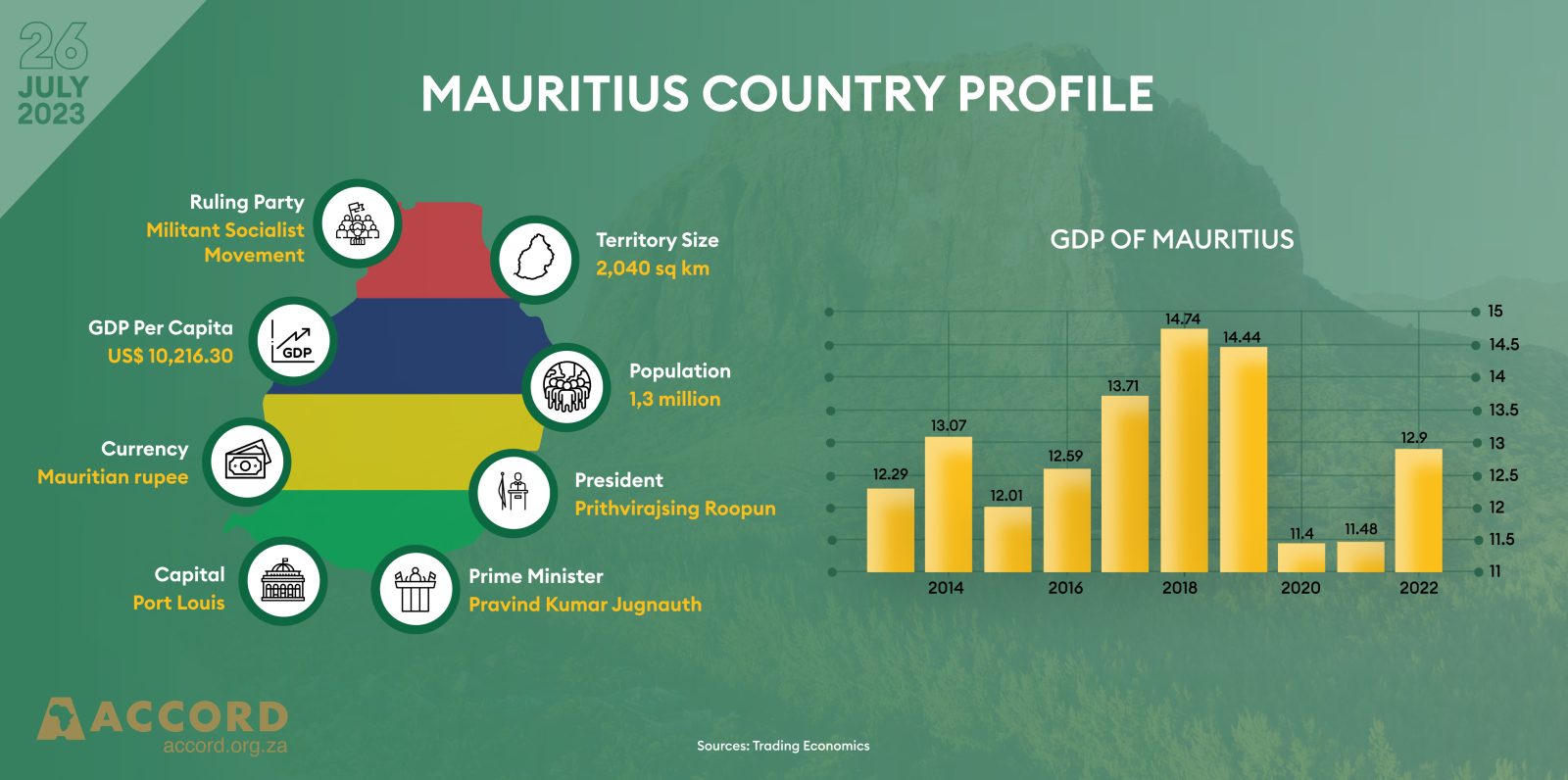
    We then head to Mauritius, where Gwinyayi Albert Dzinesa has written  about Mauritius’ ability to sustain peace on the island.  The article discusses the concerted efforts by Mauritius to implement policies aimed at establishing and sustaining positive peace and addressing the challenges that the country faces.  Our fourth article is about climate, peace and security in Zambia. Cedric de Coning, Giulia Caroli, Gracsious Maviza, Joram Tarusarira and Leonardo Medina write about the potential negative effects of climate change on social cohesion in Zambia, and what can be done about it.

    Finally, we end this month’s monitor with an article from Rumbidzaishe Matambo about Zimbabwe’s upcoming elections in August. She explains that Zimbabwe faces a number of challenges and disputes from the opposition in the run-up to the elections leading to a complex atmosphere in the country.

  • Africa’s Peace mission to Ukraine & Russia: Towards a strategy of active non-alignment?

    Africa’s Peace mission to Ukraine & Russia: Towards a strategy of active non-alignment?

    African countries have been on the receiving end of a relentless diplomatic offensive seeking to sway their positions on the ongoing conflict in Ukraine. The recent peace mission to Ukraine and Russia, led by African Heads of State may herald the emergence of a shift in the continent’s strategy as Africa takes a more proactive role, speaking on behalf of those not directly involved but still heavily impacted. The delegation comprised leaders and assigned representatives from seven countries – Comoros, Congo-Brazzaville, Egypt, Senegal, Uganda, Zambia, and South Africa.

    Both those sceptical and those welcoming of the initiative have pondered whether this represents a new form of active non-alignment that presents the continent as one seeking dialogue and a peaceful resolution to the conflict instead of being a hunting ground for UN General Assembly (UNGA) votes. Among the key areas recently discussed were the ongoing consequences, especially for food security and energy security. According to the African Development Bank, the war is directly responsible for a shortage of about 30 million tonnes of grain on the continent. The mission was however also about conveying a principled position to conflict resolution, one which seeks to de-escalate and create the conditions for dialogue rather than the current path of escalation from all sides involved directly and indirectly in the conflict.

    While African countries currently lack a unified position, their voting record in the UNGA reflects a shared agreement on the effects of the conflict and a commitment towards dialogue. It was also significant that the current and former Chairperson of the African Union (AU), represented by the Heads of State of Senegal (Macky Sall) and the Comoros (Azali Assoumani), were present. Rather than exacerbating existing geopolitical tensions and further polarising the international landscape, Africa’s effort thus sought to partially convey a warning to the international community about the dangers and uncertainties of the current path of escalation. These adverse consequences not only impact Ukrainians and Russians losing their lives on the battlefields, but also have repercussions that extend beyond the current theatre of conflict, affecting the world at large. In pursuit of peace, the African delegation also presented a ten-point plan drawing from existing proposals, thus seeking a balanced approach that would appeal to various stakeholders.

    While critics argued that Africa has very little leverage to bring Russia and Ukraine to the negotiating table, one may argue that it is partly Africa’s ability to present itself as non-threatening to both countries and their interests that allowed the delegation to see both President Zelensky and President Putin in a short space of time, a first since the onset of the current conflict. Indeed, both Ukraine and Russia had an interest in seeing the African delegation for varying reasons. Ukraine has a small diplomatic presence on the continent and would have seen this as an ideal opportunity to strengthen its message to African leaders, while Russia has been actively seeking ways to enhance its relations in recent years, with a Russia-Africa Summit scheduled for July. It would have thus not served any of their interests to be dismissive of African peace efforts.

    While critics argued that Africa has very little leverage to bring Russia and Ukraine to the negotiating table, one may argue that it is partly Africa’s ability to present itself as non-threatening to both countries and their interests that allowed the delegation to see both President Zelensky and President Putin in a short space of time

    While some have argued that the peace mission and its ten point plan was mostly rejected due to Ukraine and Russia not agreeing to an immediate cease-fire, it would be mistaken to think that the first such mission could have achieved such a result during the first visit. Indeed, dialogue is a process rather than a once-off event. The same critics also argue that it was not the correct timing due to the recent launch of Ukraine’s touted counter-offensive. However, African participants of the peace mission have argued that it is precisely for these reasons that their efforts were important, and that the first visit served to lay the groundwork for additional dialogue, allowing them to now better understand the perspective of both sides.

    While some have argued that the peace mission and its ten point plan was mostly rejected due to Ukraine and Russia not agreeing to an immediate cease-fire, it would be mistaken to think that the first such mission could have achieved such a result during the first visit

    While African leaders should continue to engage Russia and Ukraine, they may find merit in also broadening their scope by opening talks with European countries in the EU, China, the United States, and leaders in other regions of the global South to build a larger consensus for dialogue. As the largest voting bloc in the UNGA, this would be in Africa’s interests due to the reality that the conflict has become a larger one, involving not only Russia and Ukraine, but involving key members of the EU and the North Atlantic Treaty Organisation (NATO). Africa’s peace effort should also convey the message to the international community that existing commitments towards development and the Sustainable Development Goals (SDGs) should remain a priority instead of a shift towards using development budgets for military objectives. Should the African peace initiative continue on this path, it will go a long way towards consolidating an African strategy focused on active non-alignment while safeguarding the continent’s strategic autonomy to not take sides, but to be seen as part of the solution. While it may not become the main negotiation platform, it could still contribute significantly to amplifying existing efforts and voices calling for dialogue, all the while ensuring that the development agenda remains a priority.

    Dr. Philani Mthembu is Executive Director at the Institute for Global Dialogue, an independent foreign policy think tank based in Tshwane (Pretoria), South Africa.

  • Africa’s Quest for Reform of the United Nations Security Council

    Africa’s Quest for Reform of the United Nations Security Council

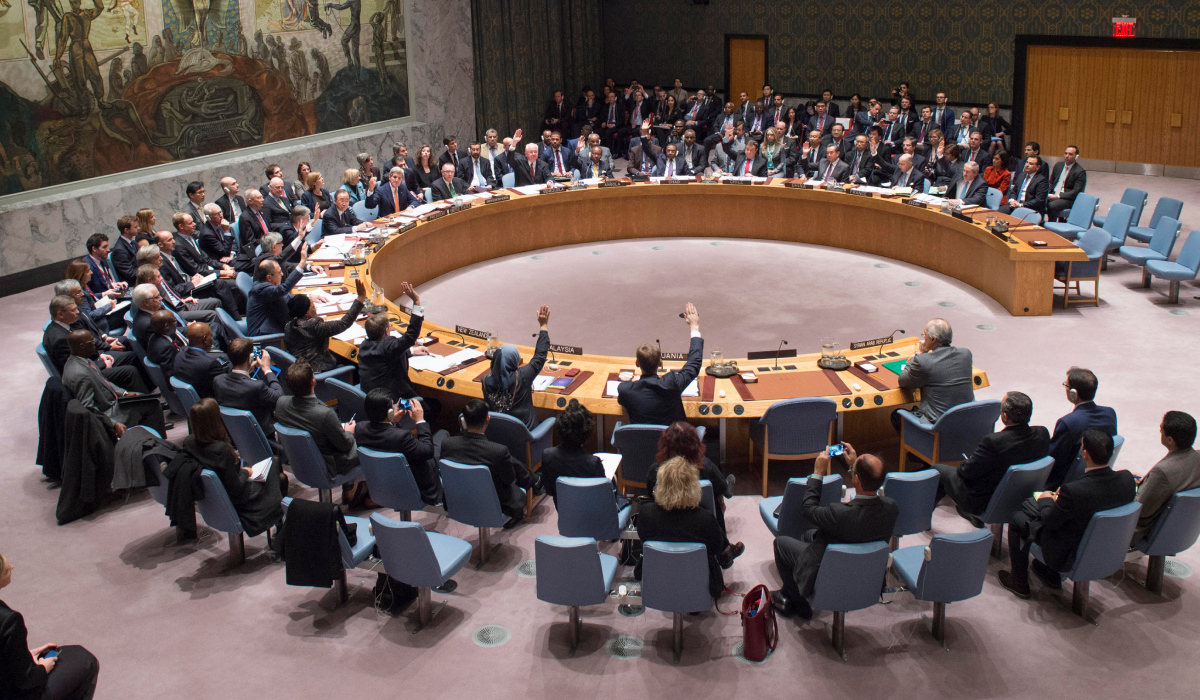
    When the United Nations (UN) was established in 1945, almost all African countries were still under colonial rule. Only four African states, namely Egypt, Ethiopia, Liberia and South Africa (called the Union of South Africa at the time), attended the founding conference. African countries were confronted with the fact that the UN Charter had established institutional hierarchies that favoured the great powers through permanent membership in the UNSC. During the Cold War, almost all Africa countries gained independence from colonial rule and subsequently joined the UN. The African group now has 54 members, and although Africa has three elected members out of a total of 10 non-permanent seats, it does not have a permanent seat in the UNSC.

    While the UN played an important role in the decolonisation process, the permanent members of the UNSC, including some that were colonisers themselves, have only supported decolonisation when it served their own interests.

    Despite African conflicts being the UNSC’s primary concern, African countries are not adequately represented in it. Over the last several decades it has become clear that the African countries on the UNSC play an important role in helping to guide the Council when it comes to managing and resolving conflicts on the continent. African countries also play an important role in coordinating between the UNSC and the African Union’s (AU) Peace and Security Council to try to ensure that there is as much coherence as possible between the AU and UN.

    Over the last several decades it has become clear that the African countries on the UNSC play an important role in helping to guide the Council when it comes to managing and resolving conflicts on the continent

    African countries deserve to be permanently represented in the UNSC to contribute to ensuring international peace and security, including in Africa. The UNSC would most probably have responded differently to the genocide in Rwanda if it had a permanent member from Africa, and this raises the question about the Council’s response to future crises in Africa. Currently most of the UN’s peace operations are in Africa; including six of the 12 current peacekeeping operations.

    In 2005, the AU adopted the Ezulwini Consensus, which represents the African common position on UNSC reform.  The primary tenet of the African common position is that the majority of Africa was not represented when the UN was founded. Also, Africa did not have strong representation in 1963. As a result, the Ezulwini Consensus demands that Africa be given two permanent seats with all the rights and privileges of permanent membership, including the veto, as well as five non-permanent seats.

    Africa’s call to reform the UNSC is highlighted in the Secretary-General’s report of 10 September 2021 titled “Our Common Agenda,” which calls for greater representation of Africa in the UNSC. All five of the permanent members of the UNSC have subsequently made statements supporting greater representation in the Council, including permanent membership. For example, United States’ President Joe Biden made a statement at the 2022 General Assembly annual summit supporting the increase in both permanent and non-permanent representatives of the Council together with permanent seats for countries in Africa.

    In spite of the justifications and support, Africa’s case for increased representation in both permanent and non-permanent categories face significant political challenges. The African common position contains elements that cannot be implemented in practice. Two issues in particular stand out, namely: the veto issue and the lack of a process for selecting which African states will represent Africa on the Council.

    The AU’s call for permanent membership with a veto created some international opposition, especially at a time when the veto is becoming increasingly unpopular. This means that the addition of African permanent representation on the Council must either include the veto power, or coincide with an abolition of the veto power. Article 108 of the UN Charter states that an amendment of the UN Charter requires the support of all Permanent Five (P5) members. This implies that for Africa to gain a permanent seat with a veto, or to abolish the veto, it will require the support of all the current permanent members and a two-thirds majority of UN member states in the General Assembly, and this makes amendments of the UN Charter very difficult to achieve.

    The AU’s call for permanent membership with a veto created some international opposition, especially at a time when the veto is becoming increasingly unpopular

    Despite the Ezulwini Consensus, the African group has been unable, to date, to determine the criteria for selecting the two African candidates. No agreement on which of its 54 members is qualified for permanent seats has been reached, demonstrating the group’s lack of cohesion. The inability to name candidates creates a void for the P5, which prefers to assess aspirant countries individually.

    For Africa’s call to gain traction, there is a need for Africa to unite behind a new common position that will make practical suggestions as to how African countries will select those states that will represent them as permanent members of the Security Council.

    This piece is a truncated version of an article which was first published in the African Journal on Conflict Resolution Vol 23, No 1.

    Mr Niguse Mandefero Alene is a Lecturer and PhD candidate in the Department of Political Science and International Studies at Bahir Dar University, Ethiopia. Dr Mohammed Seid Ali is an Associate Professor in the Department of Political Science and International Studies at Bahir Dar University, Ethiopia. Dr Kebede Yimam Tadesse is an Assistant Professor at the Department of Political Science and International Studies at Bahir Dar University, Ethiopia.

  • How Mauritius became Africa’s vanguard in sustaining peace

    How Mauritius became Africa’s vanguard in sustaining peace

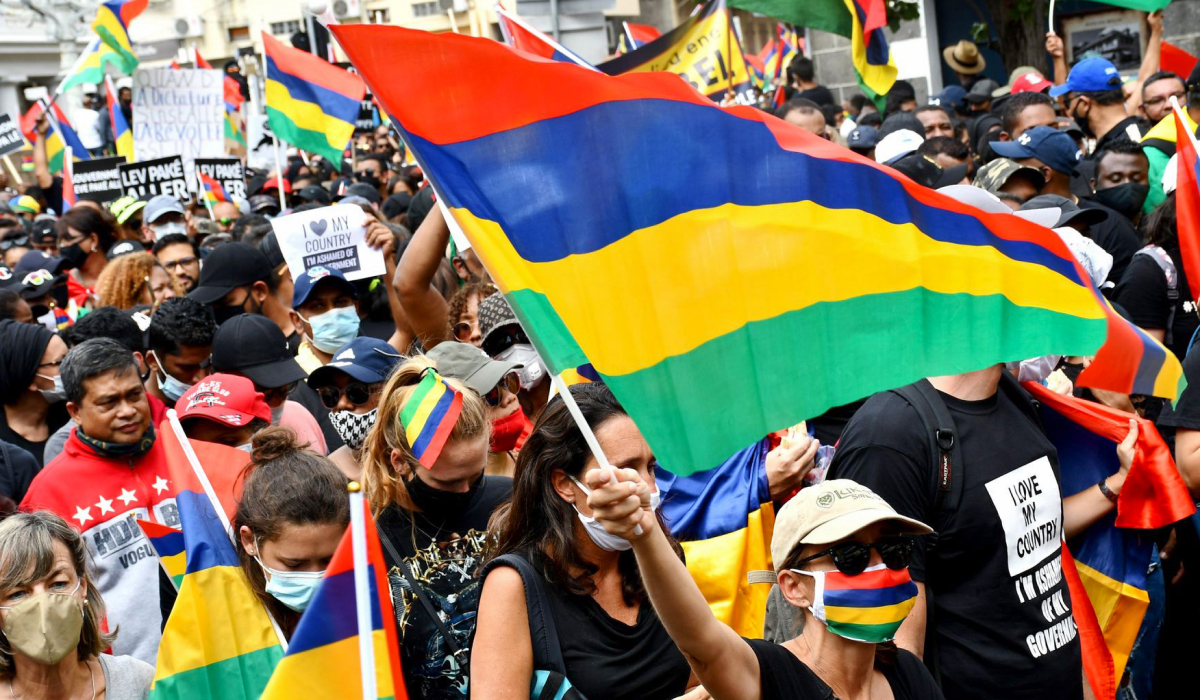
    The small island state has been constantly rated as the top African country on the Global Peace Index and the Positive Peace Index. Mauritius has never had a violent intrastate conflict, except for short spells of ethnic-based riots in 1968, before independence, and in 1999, leading to loss of life, destruction of property and displacement of people. In August and September 2020, Mauritius witnessed its biggest demonstrations since independence in 1968. In rare occurrences, thousands marched peacefully in the capital, Port Louis, and the coastal town of Mahebourg in protest over the government’s poor response to the MV Wakashio oil spill on the south-east coast of the country. Notwithstanding, the island country’s generally tranquil nature, cordial international relations and geographic isolation, which limit the risk of interstate conflict, make it plausible not to maintain a military force. Mauritius chose to forego a standing army from the onset. Instead, police units act as de facto military force carrying out all military and security activities. The pacifist route paid off handsomely as Mauritian military spending paled in comparison to the education, health and welfare budget, which arguably contributed to social stability and drove long-term economic growth.

    Mauritius’ achievement of durable peace is a product of its government’s strategic homegrown and endogenously driven five-point sustaining peace framework, which predates the launch of the United Nations (UN) sustaining peace agenda in 2016

    Mauritius’ achievement of durable peace is a product of its government’s strategic homegrown and endogenously driven five-point sustaining peace framework, which predates the launch of the United Nations (UN) sustaining peace agenda in 2016. Sustaining peace is regarded as a comprehensive, coordinated, and coherent approach to strengthen societal resilience and capacities for proactive conflict prevention, addressing its root causes and potential drivers.

    Firstly, Mauritius is living proof of the benefits of leadership for sustaining peace pinpointing and reinforcing existing mechanisms and capacities that maintain and nurture peace instead of merely focusing on the causes of conflict, economic development and social security programmes. Mauritian authorities have strengthened existing drivers of peace like the country’s firm foundation for democracy, itself a strategic vehicle of sustaining peace and preventing violence by promoting an environment enabling citizens to resolve conflict non-violently and to participate in co-charting an inclusive path towards positive peace. Mauritius has been the continent’s constant top scorer in the Ibrahim Index on African Governance during the last decade. Despite the island state’s history of peaceful power transitions through regular and generally credible elections, there is growing concern that the country’s democracy is on a slippery slope towards autocracy. This worry stems from the declining satisfaction of Mauritians with the way democracy is functioning.

    Secondly, the Mauritian government has implemented inclusive economic development and social security programmes in a manner that integrates the triad of UN pillars—peace and security, development and human rights—essential to sustaining positive peace. In 2010, the government created the dedicated Ministry of Social Integration and Economic Empowerment (MSIEE) to reinforce efforts to combat poverty and marginalisation, both structural risk factors of violence in society. The MSIEE’s comprehensive and inclusive social protection programmes, including, the provision of free basic health services to the entire population; free pre-primary school education; free public transport to the elderly, the disabled and all students; special pension for people with disabilities; universal non-contributory basic old-age pension (60 years and above); cash transfers and social housing help address underlying conditions that contribute to the escalation of social unrest. The wherewithal to finance Mauritius’s enviable social welfare system derives from a series of prudent economic policies.

    However, critical socioeconomic challenges with the potential to undermine national stability remain. For example, there is enduring relative and extreme poverty and income inequality and exclusion along group lines that are multigenerational legacies of the island state’s history of enslavement. Persistent youth unemployment and the concomitant risk of economic marginalisation and social exclusion have been a ticking time bomb over the past decade. And as a Small Island Developing State, Mauritius is highly vulnerable to climate change and environmental disasters, such as the MV Wakashio oil spill-induced major ecological crisis with disproportionate adverse socio-economic impacts on vulnerable groups and national stability.

    Mauritius is living proof of the benefits of leadership for sustaining peace pinpointing and reinforcing existing mechanisms and capacities that maintain and nurture peace instead of merely focusing on the causes of conflict, economic development and social security programmes

    Third, Mauritius has invested in the youth capacities and agency through significant education funding and reform to right-skill learners for enhanced employability and to boost economic diversification and growth, essential to inclusive prosperity. For example, the government’s substantial investment in education reached 5% of GDP in 2017 and about 20% of government expenditures contributing to nearly universal pre-, primary and secondary school enrolment. This helps to address the intergenerational transfer of poverty, a structural barrier that reinforces youth exclusion and is a potential driver of violent conflict. It also empowers the youth to participate in the realisation of a common Mauritius National Vision of coherent social development and inclusive society. However, Mauritius, faces the challenge of how to optimise education spending and improve educational quality and standards. It is also imperative for the authorities to consider policies that promote peace education at all levels to inculcate peaceful conflict resolution skills and tolerance in the country’s juveniles.

    Fourth, the Mauritian authorities have made systematic attempts to address the structural violence of exclusion through combined whole-of-government and whole-of-society approaches, including traditionally marginalised actors such as women and youth. Crosscutting social security and empowerment initiatives, which foster durable peace, have been implemented through cross-sectoral governmental collaboration, together with all segments of society working towards the common vision of a coherent, inclusive, high-income country. Besides the MSIEE, Mauritius’s conflict preventive complex social security system involves the ministries of social security, finance, education, labour, health, and gender and state institutions such as the National Empowerment Foundation, Statistics Mauritius, Human Resource Development Council, Mauritius Institute of Training and Development and Central Informatics Bureau. Additionally, the Mauritian government’s social welfare model recognises gender and age as crosscutting issues, based on a holistic approach. The government committed to give priority to gender equality to address low levels of women’s economic and political participation and the gender wage gap of 30% in the private sector, as well as rationalise social protection to reach the most vulnerable and eliminate gender-based violence. The jury is, however, still out on whether the government’s women and youth empowerment and protection policies and schemes will produce tangible results. Crucially, however, the whole-of-society approach focused on women- and youth-inclusive empowerment promotes the complementary women, peace and security and youth, peace and security agendas.

    Fifth, the Mauritian government has been prepared to harness the comparative advantages of relevant local and global partners to ensure collaborative multi-stakeholder engagement and action to ensure the implementation of crosscutting initiatives that foster peace. This has been best exemplified by the multi-stakeholder composition of the National Social Inclusion Foundation under the MSIEE, the MSIEE-European Union Decentralised Cooperation Programme collaboration and the government-UN Strategic Partnership Framework. Mauritius benefits from multi-stakeholder partnership frameworks that emphasise national ownership, which helps to ensure contextualised and sustainable social security and empowerment initiatives with external technical assistance. For instance, the government of Mauritius harnessed the UN’s comparative advantage in social protection policy support in the partnership to formulate the innovative Marshall Plan Against Poverty and set up a national social register to target and manage social assistance. Launched by the MSIEE in 2015, the Marshall Plan was aligned to key national, African and global agendas for sustaining peace including the Government Programme 2015-2019, the Government’s Vision 2030, the African Union’s (AU) Agenda 2063 and the 2030 Agenda for Sustainable Development, especially Goal 1: ‘End poverty in all its forms everywhere.’ There, however, remains a need to enhance the M&E of the Marshall Plan initiatives to combat poverty and social exclusion for greater impact.

    Gwinyayi Albert Dzinesa is a Senior Research Fellow with the Institute for Pan African Thought and Conversation (IPATC), University of Johannesburg. This piece is a truncated version of a forthcoming journal article

  • Towards a Common Vision of Climate, Peace and Security in Zambia

    Towards a Common Vision of Climate, Peace and Security in Zambia

    Over the last three decades, Zambia has experienced adverse climate change impacts, including more frequent and severe droughts, increased dry spells, higher temperatures, flash floods and changes in the growing season. Although Zambia does not experience violent conflict, the negative effects of the impact of climate change, compounded with other risk factors, can pose a challenge to human security, including for social cohesion, resilience and in some cases social stability. Documenting these experiences is essential to develop strategies to prevent and mitigate the erosion of social capital and relationships, as well as associated grievances that can lead to conflict and fragility as the climate crisis intensifies. This can also offer opportunities to leverage policies and programming for climate action in ways that help prevent conflict and maintain and sustain peace.

    The context

    Climate trends show that annual temperatures have increased by 1.3°C since 1960, and by 2050, Zambia is expected to face a rise of 2.2°C, with the southern provinces being the most affected. Heat stress is not the only climate-related factor posing significant risks to people’s and communities’ lives and wellbeing. Drought and water scarcity decrease the access to clean and safe water, exposing rural populations and livestock to disease outbreaks and intensifying competition over waterpoints, particularly in the southern and western provinces. Moreover, these phenomena are disrupting economic activities and causing losses and damage to the agriculture sector, which remains the largest source of income for rural households.

    For instance, in 2018-2019 Zambia faced one of its worst droughts in decades, which reduced agriculture production and harvest, leading to a sharp increase in food prices and pushing approximately 2 million people into food insecurity.

    Climate-induced loss of income and livelihoods exacerbate poverty, marginalisation and other vulnerabilities and further hinder the coping capacities of smallholder farmers and producers, thereby incentivising maladaptive behaviours and negative coping mechanisms to earn money that pose a risk to human security and social cohesion. Examples include early marriages among adolescent girls and sexual exploitation of women and girls for access to basic commodities, and deforestation for agriculture, grazing land and charcoal production.

    Climate-induced loss of income and livelihoods exacerbate poverty, marginalisation and other vulnerabilities and further hinder the coping capacities of smallholder farmers and producers, thereby incentivising maladaptive behaviours and negative coping mechanisms to earn money that pose a risk to human security and social cohesion

    Although all people affected by these impacts of climate change are vulnerable to the compounded effects of climate change, not everyone experiences it in the same way because different social groups, such as the elderly, women, youth and minorities, are likely to be affected in different ways. These differential vulnerabilities to climate change risks result from varying degrees of exposure, sensitivity, and adaptive capacity of the different groups. For example, women and girls suffer more as cultural roles, beliefs and their triple role concurrently put them on the frontline of managing climate risk at the household level. In the southern provinces, where women and young girls are responsible for water collection, reduced viability of this resource increases the burden of work, ill health, and the risk of gender-based violence when travelling longer distances to fetch it.

    Internal displacement and mobility patterns had, for a long time, been driven by loss of soil fertility due to poor farming practices and methods in the south. However, in the recent past, this mobility has also been exacerbated by climate variability and extremes, with extreme flooding events, for example, generating new displacement trends. These displacement trends have had dire implications for human security and social stability more broadly. In these displacement contexts, the limited livelihood opportunities and poor infrastructure in internally displaced and refugee settlements, coupled with environmental degradation and high exposure to climate-related shocks are further shaping vulnerabilities and protection risks for forcibly displaced people, particularly women and girls.

    At the same time, rural-to-urban and rural-to-rural migration from the south to the central and northern provinces is frequently used to adapt to slow-onset climatic events. However, in receiving areas where socio-ecological systems are already under stress due to population growth and other urbanisation trends, social tensions are arising between migrants and host communities over access to limited economic and livelihood opportunities, as well as natural resources. Host communities and migrants also clash over cultivation systems, for example, some migrants bring with them the traditional chitemene cultivation systems in which trees are cut and the wood piled and burnt, and crops planted in the ash-covered area, which is not appreciated by other host communities.

    Rural-to-urban and rural-to-rural migration from the south to the central and northern provinces is frequently used to adapt to slow-onset climatic events

    Integrating climate, peace and security into climate and related strategies and plans

    In a country where climatic stressors and shocks are shaping millions of lives and driving important unfavourable societal transformations, with gendered impacts, understanding the possible peace and security implications of such changes is essential to develop strategies to prevent and mitigate the erosion of social capital and relationships, as well as associated grievances that can lead to conflict and fragility. This is particularly true when considering that climate-security connections can mainly emerge through disruptions to water, land and food systems; all phenomena that are experienced in several parts of Zambia, and that are at risk of intensifying if the climate crisis is left unaddressed. At the same time, the centrality of agriculture and food in influencing the interactions between the environmental and human systems opens opportunities for leveraging climate action in ways that can have positive effects on peace and security.

    However, this requires actionable evidence, cross-sectoral expertise, collaboration, and partnership to promote a substantial shift in how climate change strategies and measures are designed and implemented. With the aim of bringing key stakeholders together to consider the current, and potential future effects of climate change on social cohesion and stability in Zambia, and what to do about it, the Alliance of Bioversity International and CIAT, ACCORD, the International Institute of Tropical Agriculture (IITA), and the Food, Agriculture, and Natural Resources Policy Analysis Network (FANRPAN), in cooperation with the Ministry of Green Economy and Environment, and the Ministry of Agriculture, convened a workshop in Lusaka on 11 and 12 July. The workshop, supported by the OneCGIAR Initiatives on Climate Resilience (ClimBer) and Fragility, Conflict and Migration (FCM), brought together experts and representatives from the ministries of green economy and environment, the ministry of agriculture, civil society, academia and international organisations.

    At the workshop, the participants analysed and reflected on how climate, peace and security manifest in Zambia. The participants discussed that in the country, to date, the compounded effects of climate change have seldom resulted in violent conflict. However, it does negatively affect human security, including food, land and water security, and in some cases, it has had a negative impact on social cohesion and resilience, which may also affect social stability. The participants also noted that as the effects of climate change are expected to increase in the future, its potential negative impact on social stability and peace more broadly is also likely to increase. This made it clear that moving away from purely technical climate change solutions is of foremost importance to prevent conflict and maintain and sustain peace in the country.

    For these reasons, the workshop identified a number of forums and networks in Zambia that could help in facilitating dialogue and cross-fertilisation of expertise among different ministries, as well as other relevant entities, to develop a common agenda for preventing and managing the negative effects of climate change on human security. The workshop also identified a number of potential policy and legal entry points, where such an agenda can be articulated and captured in government and civil society action plans and strategies, reflected in relevant laws, and integrated in international assistance frameworks. Workshop participants also agreed to work together to gather and further develop evidence that can help and improve understanding of current and foreseen conditions under which climate-related risks to human security and social cohesion can emerge, with a particular focus on gender and intersectional social issues.

    Whilst the compounded effects of climate change have not yet, and hopefully will not, reach the point where it contributes to violent conflict, as is the case in some contexts in the Sahel, the Horn of Africa and even in some parts of Southern Africa, the workshop participants agreed that it is important to prevent such potential negative impacts in future by acting now. A clear priority is to ensure that climate adaptation and mitigation initiatives that are undertaken to transform water, land and food systems to be more sustainable and resilient, are carried out in such a way that they are both conflict-sensitive and peace positive, in other words, that they do not contribute to conflict but rather enhance social cohesion and resilience.

    Cedric de Coning is senior advisor for ACCORD and a research professor for the Norwegian Institute of International Affairs (NUPI). Giulia Caroli is a climate, peace and security specialist at the Alliance of Bioversity International and CIAT, one of the research institutes at CGIAR. Gracsious Maviza is a gender, migration and climate security scientist at the Alliance of Bioversity International and CIAT, one of the research institutes at CGIAR. Joram Tarusarira is a climate security research associate at the Alliance of Bioversity International and CIAT, one of the research institutes at CGIAR, and an assistant professor at the University of Groningen in the Netherlands. Leonardo Medina is an environmental peacebuilding specialist currently completing his PhD under the Leibniz Centre for Agricultural Landscape Research.

    This work was carried out with support from the CGIAR Initiative on Climate Resilience (ClimBeR) and the CGIAR Initiative on Fragility, Conflict, and Migration (FCM). We would like to thank all funders who supported this research through their contributions to the CGIAR Trust Fund: https://www.cgiar.org/funders/

  • Road to 2023 Zimbabwe General Election

    Road to 2023 Zimbabwe General Election

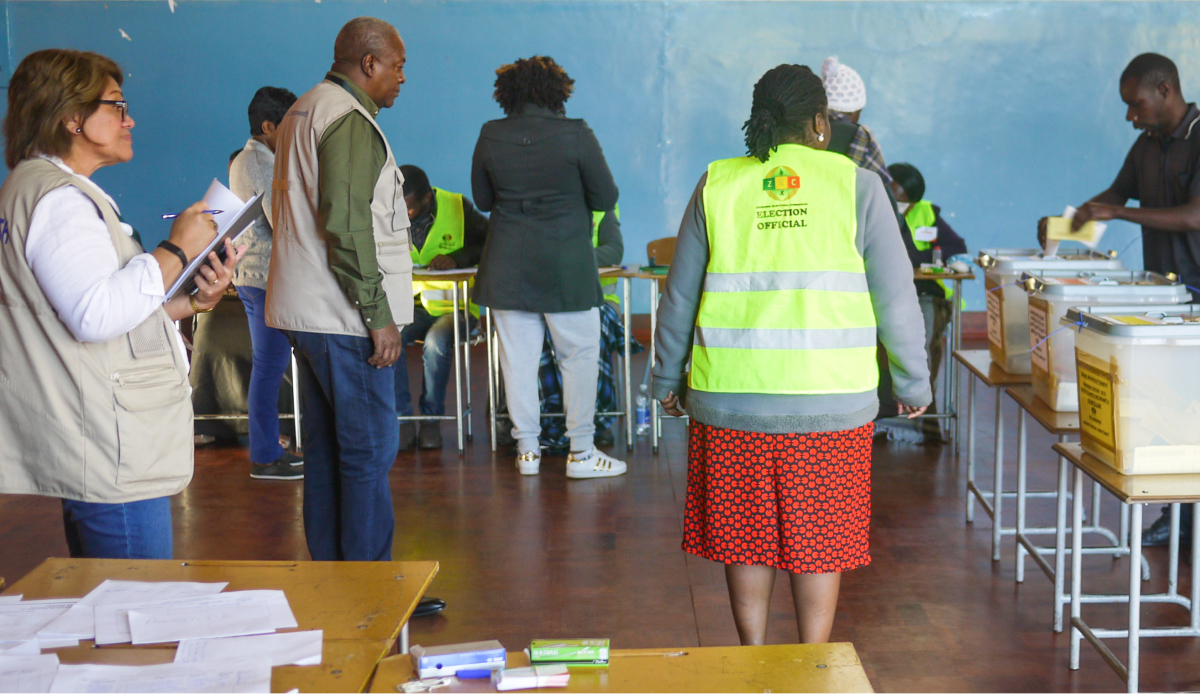
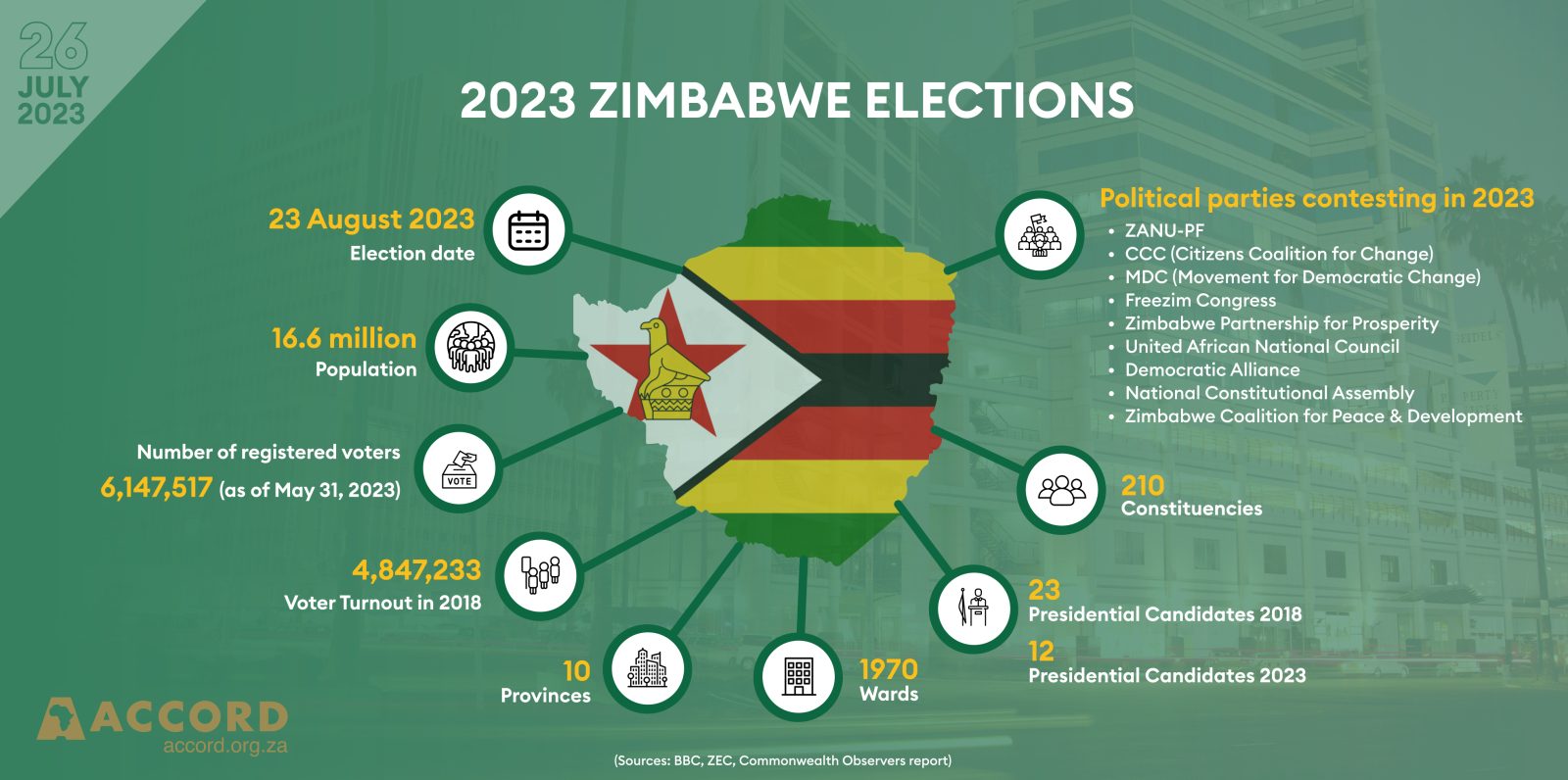
    The Zimbabwean government consists of an elected President and a legislature. The presidential term lasts for five years, and is elected by majority vote, with a second round if no candidate receives a majority in the first round. A candidate needs more than 50% of the vote to be declared the winner, otherwise there will be a run-off election between the top two. If there is no outright winner in the presidential contest, a run-off will be held six weeks later, on 2 October 2023. The Parliament of Zimbabwe is bicameral, consisting of the House of Assembly and Senate. For Members of Parliament and Council candidates, the election is won on a first-past-the-post basis.

    12 candidates have been approved by the Zimbabwe Electoral Commission (ZEC) to contest for the presidency in the upcoming elections. This is a sharp decrease from the 23 presidential candidates who contested in 2018, the reason undoubtedly being the fee one has to pay to register as a candidate with the ZEC. In June 2023, Zimbabwe’s parliament approved the increase in fees to be paid by presidential candidates, from US$1,000 in 2018 to US$20,000, a decision regarded by the main opposition party, CCC as undermining the constitution, as it discriminates against citizens according to their economic status and excludes the poor and those on the margins. Candidates running for parliamentary and senatorial seats paid US$1,000 up from US$50 in 2018. Opposition parties claim that the sharp rise in the price of the ticket to run in these various elections favours the ruling ZANU-PF party, which they believe has more financial resources at its disposal.

    12 candidates have been approved by the ZEC to contest for the presidency in the upcoming elections. This is a sharp decrease from the 23 presidential candidates who contested in 2018, the reason undoubtedly being the fee one has to pay to register as a candidate with the ZEC.

    Civil society groups and the opposition continue to express their doubt that the polls will be free and fair. Amnesty International cites that there is a worrying restriction of civic space underway in Zimbabwe with growing attempts to persecute anyone who dares to freely express themselves. Over the last 2 years, the arrests and convictions of opposition figures and government critics have intensified. For several years, the main opposition has demanded electoral reforms to level the playing field and provide access to public media but a number of the party’s meetings have been banned, or disrupted by the police. In early July, a planned campaign launch by the CCC was the third of its rallies to be banned, with the police citing problems with the venue that the party had selected. During the same week, police clashed with supporters of the opposition party, CCC, in the south-eastern town of Chiredzi, firing teargas, when the party’s campaign event was prevented from taking place. The police explained that the rally clashed with a state event – the opening of a new clinic by a government minister – and they did not have enough resources to handle both situations. The CCC has long complained about harassment and intimidation from authorities, with its gatherings disrupted and members detained, on what critics call politically motivated charges that show that the democratic space has been eroded and presents an uneven playing ground in this election.

    Concerns from civil society and opposition parties have continued to rise after the President signed the Patriotic Act on 14 July 2023. The Southern Africa Litigation Centre has described this amendment by the Government of Zimbabwe as aiming to silence its citizens, civil society and political opposition in order to maintain the status quo. Among others, the bill includes section 22A to the Criminal Law Act, under which it criminalises “wilfully injuring the sovereignty and national interest of Zimbabwe.” Section 22A criminalises any meeting or any communication between a Zimbabwean citizen or permanent resident that involves or is facilitated by a foreign government or any of its agents with the aim of “subverting, upsetting, overthrowing or overturning the constitutional government in Zimbabwe.” The criminalisation of any communication constitutes an immediate threat to the constitutional right to freedom of expression. The vague and broad wording of the Act constitutes a high potential of abuse and misuse by state authorities to silence any dissent or criticism of state authorities.

    Apart from the concern about the alleged stifling of freedom of expression, technical aspects of the election have also been queried. For example, opposition parties questioned why the ZEC had not released an electronic voters’ roll well ahead of time for scrutiny despite several court challenges. The ZEC’s actions were contrary to the country’s constitution in Section 21 (1), which stipulates that “every voters’ roll and every consolidated roll shall be a public document and open to inspection by the public, free of charge, during office hours at the office of the commission or the registration office where it is kept.” A number of civil society and opposition political parties suspect that the document could be manipulated even more than it already has been, as preliminary analysis showed it contains thousands of ghost voters and other numerous mistakes that could disenfranchise the electorate. Contrary to the opposition’s belief, on 21 July 2023, the ZEC dismissed claims by opposition candidates that the voters’ roll eventually distributed to candidates is not searchable and analysable. In a statement, the ZEC Chief Elections Officer stated that the voters’ roll met the provision of the Electoral Act as it was searchable and analysable. However, he noted that the Act permits the commission to format the voters’ roll to prevent it from being tampered or altered.

    Opposition parties claim that the sharp rise in the price of the ticket to run in these various elections favours the ruling ZANU-PF party, which they believe has more financial resources at its disposal.

    The road to Zimbabwe’s upcoming elections on 23 August 2023 has been complex with a number of issues of contention and as highlighted in this article, many challenges to consolidate democracy have been flagged by opposition parties and civil society groups. Regional and international observers should be urged to bravely expose any irregularities during the electoral process.

    Rumbidzaishe Matambo is a programme officer at ACCORD.

  • Xenophobia – a threat to the unity of African peoples

    Xenophobia – a threat to the unity of African peoples

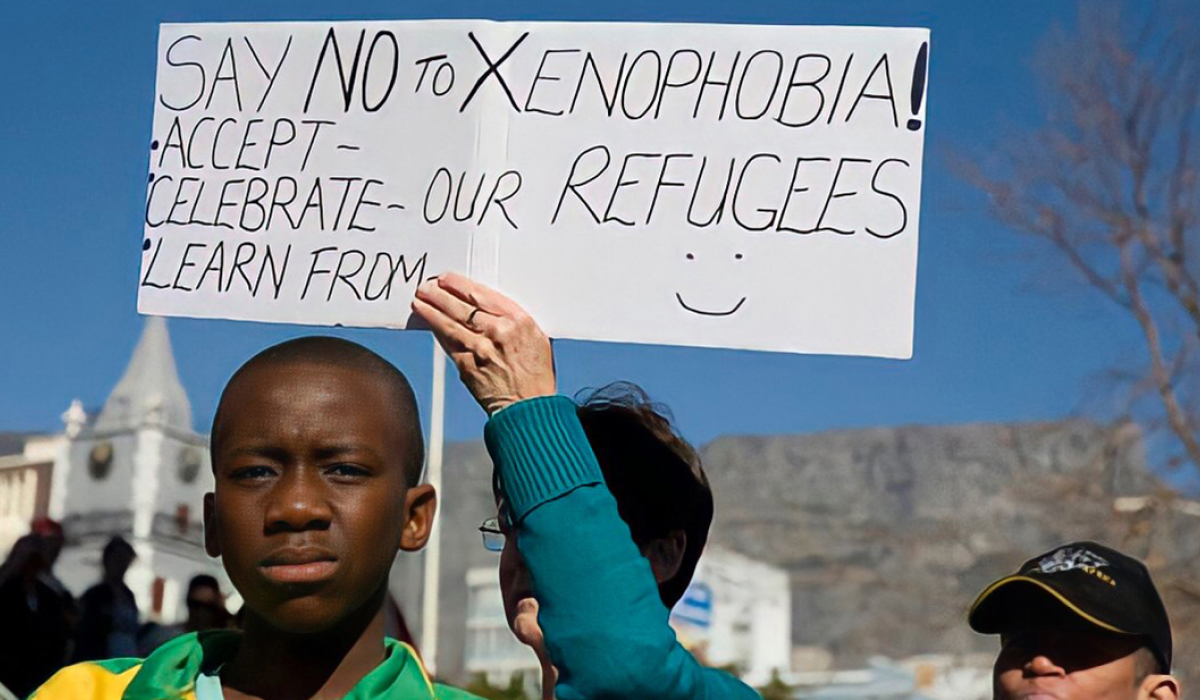
    Xenophobia has been, and continues to be, one of the perennial roadblocks to reaching the aspiration of African unity. Undoubtedly, this is a complex phenomenon caused by many broader issues and social ills. Some of the broader issues include intolerance, misplaced nationalism and scapegoating often linked to political interests. Additionally, undertones of economic despair can fuel xenophobic rhetoric and violence, as locals look for scapegoats to blame for their economic challenges. This is because migrants (who often form a minority group in larger ‘local’ communities) are seen as being in better economic situations than the locals.

    Further, rickety migration and control of the porous borders that African countries share, can also lead to the hardening of attitudes against migrants. Porous borders may contribute to cross-border criminality, which further feeds the scapegoat attitude of blaming foreign nationals for both cross-border crime and local crime. In some countries, such as South Africa, human and drug trafficking are often prominent features in the discourse on xenophobia, where nationals from other countries are often blamed for such acts.

    In some countries, such as South Africa, human and drug trafficking are often prominent features in the discourse on xenophobia, where nationals from other countries are often blamed for such acts

    Another dimension that drives the issue of xenophobia in Africa, is its use by politicians as one of the tools from the proverbial toolbox of populist politics. In South Africa, this dimension has become evident in what some may call an increase in anti-migrant rhetoric from prominent politicians. Traces of xenophobic sentiment and violence have long existed in Africa, which at times has resulted in the inflammation of inter-state relations as well as large-scale displacements. Much like in South Africa, the agitations are borne out of a need to create an economic and nationalist haven, free of migrant populations, and the belief that this haven cannot be achieved if migrants are present. Thus, the belief is that sustainable development is not possible as long as resources and employment are being ‘taken’ by migrant communities. It is this credence that is then often manipulated and used to further political agendas and economic interests.

    Xenophobia is destructive to the African peace, security and development agenda, and it is an impediment to the integration and achievement of the pan-African project.

    Brief Overview of Xenophobia in Africa

    • 1969: Kofi Busia, former Prime Minister of Ghana, introduced the Aliens Compliance Order which sought to expel ‘illegal aliens’ from Ghana. Prior to this order, there was a general perception that Nigerians in Ghana were the cause of large-scale unemployment. This order resulted in the deportation of 900 000 to 1 200 000 individuals (mostly from Nigeria, Burkina Faso, Togo and Ivory Coast).
    • 1972: Uganda expelled thousands of Asians from the country during a downturn in economic conditions. Asians from Britain, India, Pakistan, Kenya, Tanzania and Zambia were given three months to leave Uganda, and their businesses were expropriated by the State.
    • 1978: Gabon expelled all Beninese from the country amid the drawing of an alleged aspersion on President Bongo and the people of Gabon by Beninese President Kerekou. Earlier, in May 1977, Kerekou had accused Gabonese officials of a foiled mercenary coup and this was the beginning of heightened tensions between the two countries. About 9000 Beninese were expelled from the country.
    • 1983: Nigeria expelled over 2 million foreigners from the country. This action was in response to a decline in economic fortunes as well as the perceived involvement of migrants in crime. Over a million of the 2 million people initially expelled from the country were Ghanaian with a further 300 000 leaving in a second wave occurring in 1985.
    • 1999: Ivory Coast expelled between 8000 and 12000 Burkinabe. This was in reaction to the declining economic situation in the 1990s whereby President Bedie drove the idea of ‘ivoirite’ to reinvigorate the economy by infusing Ivorian identity into political and economic access. This fuelled resentment against migrants and resulted in mass deportations.
    • 2004: Following an attempted coup, allegedly headed by a mercenary group, the President of Equatorial Guinea clamped down on migrants in the country. Many were detained, intimidated and subsequently expelled. An estimated 1000 migrants, mostly of Cameroonian descent, were expelled from the country. In 2007, the government banned West Africans from owning shops in the country, and all existing shops were taken over by the government or abruptly closed.
    • 2004: The Government of Angola expelled an estimated 100 000 Congolese people from the country. This was following an increase in rhetoric blaming of the Democratic Republic of the Congo (DRC) for stealing the natural resources of Angola.  A further 160 000 Congolese were expelled in a 12-month period, between December 2008 and December 2009.
    • 2009: DRC expelled 50 000 Angolans as retaliation for the mass expulsions experienced in the years prior.
    • 2009: Burundi expelled an estimated 1 200 migrants following increased pressure put on the State to address rampant crime. The expelled foreigners mostly hailed from Tanzania, Uganda and Senegal.
    • 2013: TheGovernment of Tanzania expelled close to 11 000 undocumented foreign nationals in a drive to bring a decline to high levels of crime. The majority of those expelled originated from Rwanda (6 400).
    • 2015: Following terrorist attacks in N’Djamena, the government of Chad implemented a measure to expel illegal immigrants in the country to “clean up undocumented foreigners”. Close to 300 undocumented Cameroonians were expelled from the country, and in July, a further 2000 undocumented Nigerians were sent back to Nigeria.

    As illustrated above, xenophobic rhetoric and violence have been prevalent issues on the continent for many years. One may trace its routes to Africa’s colonial history, and many scholars, such as Everisto Benyera, have written that xenophobia is a consequence of colonial heritage. Furthermore, borders designated during colonial times often did not pay consideration to the existing or cultural amalgamation of many African groups.

    In present times, and once placed in context, other deducible triggers are that xenophobic reactions are spurred on by issues of the dire, or deteriorating, economic situation in many countries in Africa. In other countries, such as Kenya and Chad, for example, the feelings of xenophobia were incited by terrorism and the effects thereof. Much like in South Africa now, in Tanzania, Burundi and DRC, xenophobic actions have also shown to have been largely stimulated by the notion that crimes are largely committed by foreign nationals. Lastly, social media, TV and radio have all provided a powerful platform for xenophobic rhetoric to spread and fester, in what one may refer to as ‘negative mobilisation.’

    Xenophobia is destructive to the African peace, security and development agenda, and it is an impediment to the integration and achievement of the pan-African project. Furthermore, if we are to benefit from initiatives such as the African Free Trade Agreement (AFCTA) then countries must take collective responsibility for the issues that drive xenophobic sentiment on the continent, and any effort in this regard must be a result of a common effort and vision for peaceful co-existence and cooperation in Africa.

    Keenan Govender is a former Programme Officer in ACCORD’s Research Department, an Associate Fellow at the African Leadership Centre’s Peace and Security Fellowship for African Scholars, and a MSc Candidate; Global Leadership & Peacebuilding, King’s College London

  • The Importance of National Action Plans in Advancing Africa’s Youth, Peace and Security Agenda

    The Importance of National Action Plans in Advancing Africa’s Youth, Peace and Security Agenda

    Africa faces several peace and security challenges such as political and electoral related issues, climate change and its trickle-down effect on food security, violent extremism, gender inequalities, refugees and humanitarian crises amongst others. The continuous cycles of leadership deficiency characterised by tyrants and retrogressive divisions along ethnic, tribal and religious lines remain a key issue that has been central to conflict.  This is coupled with conflicts, which are becoming complex and volatile, due to conflict entrepreneurs and geopolitics through proxy and proxy free-for-all.

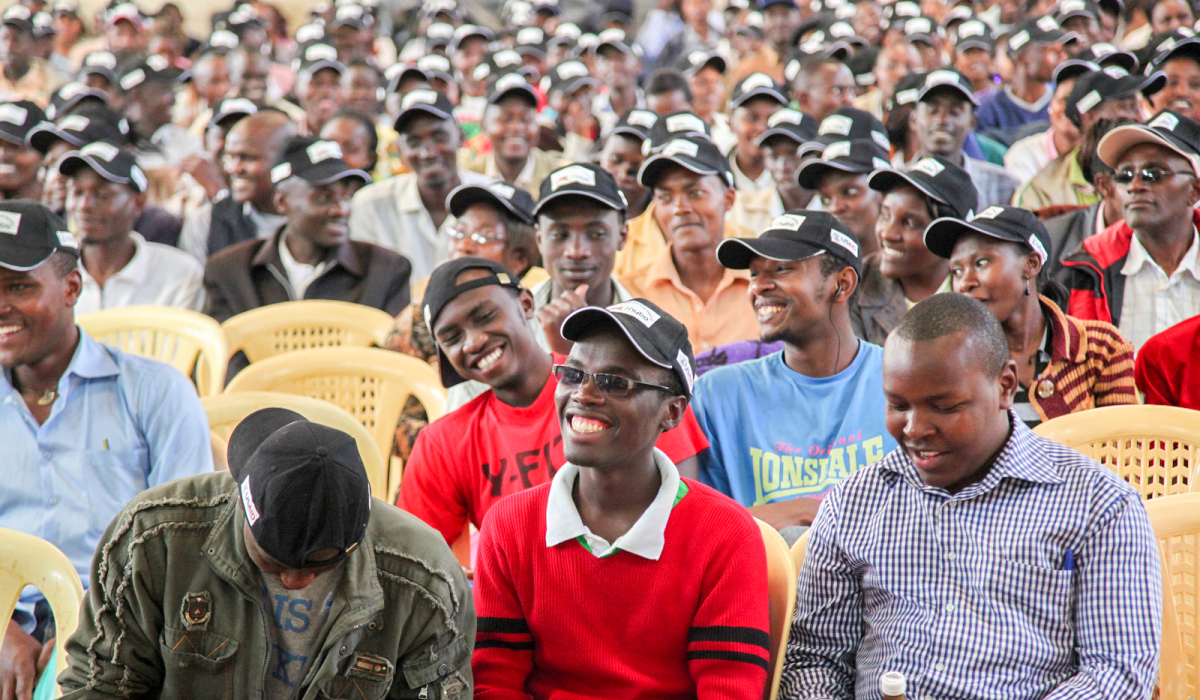
    These cycles continue to present a threat to both national and regional stability and have denied the continent the opportunity to realise its full development potential. Member states have initiated diverse political and economic programmes that have not adequately addressed deep-rooted issues of historical injustices, systematic exclusion, marginalisation and inequalities, thus limiting human development and positive peace. At the centre of slow development and conflicts is the youth, where masses are coming into economies that are unable to accommodate and sustain them and political contexts that have failed to provide an enabling environment to exercise their full development potential. Consequently, catalysing vulnerability to elements that threaten peace and security. 

    At the global level, the youth peace and security agenda is backed by the United Nations Security Council Resolution 2250 (UNSCR 2250) adopted in 2015 which focuses on youth as key catalysts in the promotion and maintenance of peace and security. The resolution highlights five key pillars for the effective contribution of youth in this sphere i.e. participation, protection, prevention, partnership and disengagement and reintegration. In light of UNSCR 2250, the African continent has made strides to ensure adaptation of the resolution and domesticating it for African contexts. This framework is the African Union Continental Framework on Youth, Peace and Security (accompanied by its implementation plan) which further supports the agenda by aiming to facilitate the meaningful engagement and participation of African youth in all spectrums of peace and security at national, regional and continental levels.

    The best way to realise the Youth, Peace and Security (YPS) agenda on the continent is by adopting National Action Plans (NAPs) which are practical documents that detail the actions a government is taking to meet its obligations under the UNSCR 2250 and other internationally agreed-upon resolutions. NAPs ensure that governments translate these commitments into concrete policies and programmes. NAPs also provide valuable accountability tools for states and civil society. Furthermore, NAPs provide opportunities for national stakeholders to convene around a planning tool that identifies priorities, determined responsibilities, allocates resources and initiates strategic actions within a defined timeframe to deliver policies and programmes that respond to the needs and priorities of conflict and crisis-affected youth and communities from a youth perspective.

    The development of NAPs on YPS is in its early stages across the world and requires member states to be intentional about resourcing their development and implementation, whilst including youth in the process. As it stands, the four-member states to the UN that have adopted NAPs on YPS are Finland, The Philippines, Nigeria and the Democratic Republic of the Congo (DRC). It is important to note that each of these four-member states have their own dynamics when it comes to peace and security, specifically how the conflict relates to YPS. The DRC is characterised by conflict and instability whereas Finland is a peaceful country. Thus, for Finland, despite being a peaceful state, there was a need to provide a platform where peace was used as a preventive measure. In the DRC’s case, coupled with its demographic and geographic composition, it was key to adopt a localisation model for the NAP considering the various existing challenges. Poor infrastructure has posed challenges to access some areas of the country, thus limiting inclusion and data collection. On the other hand, in the case of Nigeria, which has a culture of violence as well as its geographical composition, mapping out was done based on the six geopolitical zones, whilst taking into account that each has its own conflict dynamics to be inputted in the NAP.

    The development of NAPs on #YPS is in its early stages across the world and requires member states to be intentional about resourcing their development and implementation, whilst including youth in the process

    The demographic component of youth is not an incentive but an economic approach where member states ought to recognise and tap into youth potential towards advancement of peace, security and development. The first step begins with contextualising the youth, peace and security agenda and countering the knowledge and capacity gap at grassroots level, state institutions and all stakeholders involved in the implementation process of NAPs on YPS. Contextualisation is also in line with conflict dynamics and how the specific conflict relates to YPS. Secondly, member states remain the key driver where political will is key through support in participation, development and implementation and thirdly, design through an integrated and inclusive approach at all stages where all clusters ought to be represented: rural, urban, informal settlements and border communities are crucial. Additionally, the fourth step includes coordination among all stakeholders involved in implementation through identifying models of interaction between them, where each ought to be conversant with their roles and responsibilities and refrain from competition and politics

    The last three stages of developing these NAPs involve mainstreaming youth in the process by being the beneficiaries of the NAP coupled with an intergenerational lens. Diversity and needs of youth ought to be central for they are not homogenous i.e. PLWDs, refugees and asylum seekers, sexual minorities, indigenous groups, rural-based youth, etc. Furthermore, the monitoring, reporting and evaluation where formulating actual results and indicators of success of the implementation of actions will assist in determining the effectiveness of the NAPs. Finally, budget and financing, where member states need to commit financial resources and structures that are inclusive of youth to create NAPs on YPS towards human development i.e. assessing the financing sources ratio and building a financial model.

    The demographic component of youth is not an incentive but an economic approach where member states ought to recognise and tap into youth potential towards advancement of peace, security and development.

    While member states have a role to play, the UN, African Union, Regional Economic Communities and Regional Mechanisms, development partners and youth equally have a support role to play where implementation ought not be based on a policy rush. Youth need to take ownership of the NAP of which they are the true custodians and which is there to serve them, by recognising their role and power, united. As said in Swahili, ‘umoja ni nguvu’ – unity is strength!

    Karabo Mokgonyana is the first and former African Union Youth Ambassador for Peace for Southern Africa. She is a Legal and Development Practitioner that focuses on human rights protection, international trade and investment and peace and security. Emma Ng’ang’a is a Gender and Protection practitioner and the 1st former African Union Youth Ambassador for Peace – East Africa.

  • Towards more Context-specific, Participatory, and Adaptive Approaches to Conflict Prevention and Sustaining Peace

    Towards more Context-specific, Participatory, and Adaptive Approaches to Conflict Prevention and Sustaining Peace

    Despite significant efforts, the African Union, United Nations, and others have failed to stop violent conflict from recurring in many places like the Democratic Republic of the Congo, Mali and Sudan, to name a few. Very often, these efforts have only managed to address symptomatic factors that appear effective in the short term, but before long, violence reappears because the mainstream methodologies to resolve these conflicts seem unable to transform the underlying causes and drivers of conflict.

    Driven by the need to improve how we prevent conflict and sustain peace amidst increasing uncertainty, new risks, and mounting complexity, our new book – Adaptive Peacebuilding: A New Approach to Sustaining Peace in the 21st Century –  analyses peacebuilding effectiveness by comparing top-down, linear and prescriptive approaches, with adaptive, context-specific and participatory methodologies across eight case studies covering Africa (Mozambique and South Sudan), Asia (Mindanao), the Middle East (Palestine and Syria), and Latin America (Colombia).

    Adaptive Peacebuilding

    Our starting assumption is that, for peace to be self-sustainable, a society needs to have sufficiently strong national and local social institutions to identify, channel and manage disputes and social tensions peacefully. In this context, peacebuilding has a very specific objective, namely, to help a society prevent violent conflict, by supporting their efforts to develop resilient social institutions, that can manage and resolve emerging conflicts – i.e. sustain peace – before they turn violent.

    However, there is an inherent tension in the act of promoting a process of self-sustainability from outside the society or community in question. Too much external interference will undermine the ability of social systems to self-organise and interrupt their ability to develop their own social institutions. Instead, this kind of peacebuilding generates dependency. We argue that this overreach is one of the reasons why peacebuilding has not been able to be more effective.

    The Adaptive Peacebuilding approach provides a methodology for navigating this dilemma.

    It has its foundation in complexity science that recognises that social systems are complex and thus highly dynamic and non-linear. This means that their behaviour is inherently uncertain and unpredictable. In other words, we cannot know beforehand with certainty, what kind of peacebuilding support will help generate self-sustainable peace in a specific context.

    We cannot use engineering design assumptions when we work with people and social complexity. #Peacebuilding is much more complex than rocket science.

    In South Africa, innovations like the National Peace Accord and the Truth and Reconciliation Commission were relatively successful in helping to ensure a peaceful transition at the end of Apartheid. Peacebuilders wanted to replicate this success, but despite serious efforts they were not able to reproduce the same results. This is because the key to the success of these innovations are that they have emerged in a particular context out of the active engagement of the people involved – they were not imported from elsewhere or imposed by peacebuilders. However, they were informed by the experiences and lessons that can be derived from what others tried elsewhere. This is an important distinction.

    This irreproducibility of context specific outcomes is a key indicator of complexity. It stands in contrast with engineering or rocket science, where once you have solved a particular problem, you can apply the solution again and again and expect to get the same result. We cannot use engineering design assumptions when we work with people and social complexity. Peace is much more complex than rocket science.

    To understand conflict dynamics in this social context, and to try to bring about a change in behaviour, that can prevent violence, we need an approach that can cope with social complexity. The ‘adaptive’ in Adaptive Peacebuilding, refers to the methodology that nature uses to cope with complexity, namely an inductive and adaptive process that is based on iterative, i.e. repeating, cycles of learning from doing. Learning from exploring different ways of supporting peace, and continuously adapting our actions, based on the feedback generated by our actions.

    The ‘adaptive’ in Adaptive Peacebuilding, also refers to the recognition that peace is an emergent process –  i.e. peace is generated and sustained by the active engagement of the people involved in working for peace. Adaptive Peacebuilding is thus a collaborative process where the affected society or community needs to have the primary agencyto determine the objectives, processes and outcomes of a peace process. The role of peacebuilders – whether they are local, national, regional or international, needs to be limited to process facilitation and support.

    When people affected by conflict feel that they have been involved in shaping the peace, they also feel a sense of responsibility to sustain the institutions and processes necessary to sustain the peace.

    Nature also copes with complexity by introducing variety and by distributing decision-making across networks, and that is why in Adaptive Peacebuilding we use a similar networked approach that engages the broadest possible set of stakeholders – horizontally across the society, and vertically – local to global – in the peacebuilding process.

    To test what complexity theory and Adaptive Peacebuilding suggests, with what we know from our past experience with actual peacebuilding processes, we tested the theory in the eight cases covered in the book.

    Overall Findings

    Overall, all the case study chapters found that top-down, determined-design and technocratic approaches were less effective than context-specific, locally-driven, and adaptive approaches to managing and resolving conflicts and sustaining peace. The context-specific approaches that were most effective were those that were rooted in the history, culture and current experienced reality of the people affected by conflict.

    The adaptive approaches identified in the case studies were more effective when the affected community and stakeholders participated in, and were actively engaged in all aspects of the peace process. When people affected by conflict felt that they have been involved in shaping the peace, they also felt a sense of responsibility to sustain the institutions and processes necessary to sustain the peace. Our overall conclusion is thus that there is a link between the extent to which a peace initiative is context-specific, participatory and adaptive, and its self-sustainability.

    Dr Cedric de Coning is a senior advisor to ACCORD and a research professor with the Norwegian Institute of International Affairs (NUPI). He has co-edited Adaptive Peacebuilding: A New Approach to Sustaining Peace in the 21st Century together with Dr. Rui Saraiva and Dr. Ako Muto, as part of a project initiated by the Japan International Cooperation Agency’s (JICA) Ogata Sadako Research Institute for Peace and Development.  The project has also produced another edited volume: Adaptive Mediation and Conflict Resolution: Peacemaking in Colombia, Mozambique, the Philippines and Syria. Both books have been published by Palgrave MacMillan and are available open access through Springer, so that anyone can read or download this research for free.