Years: 2023

  • Conflict & Resilience Monitor – 30 March 2023

    Conflict & Resilience Monitor – 30 March 2023

    In this month’s edition of the Monitor, we begin with a piece from Huang Xia, the Special Envoy of the United Nations Secretary-General for the Great Lakes Region of Africa.  He writes a piece about the current peace efforts in the eastern Democratic Republic of the Congo (DRC), the regional dynamics at play and the role of the United Nations. 

    Staying in the eastern DRC Dr Kizito Sabala writes about the deployment of the East African Community (EAC) Regional Force and how it will interact with other forces already deployed to the region.

    Moving across to the Lake Chad Basin, Siobhan O’Neil and Chika Charles Aniekwe reflect on the reintegration of ex-Boko Haram combatants and communities’ reception of the ex-combatants. 

    Our fourth article is an update on the ongoing transitional processes in Sudan.  Yonas Berhané write about the current efforts to transition Sudan to civilian rule in the context of the recently signed agreements.  

    From Sudan, we move to Mozambique and Cabo Delgado for our fifth article.  Craig Moffat has written about the recent visit of the Peacemaking Advisory Group (PAG) to Cabo Delgado and the Group’s efforts to facilitate dialogue amongst the stakeholders to the conflict. 

    Following that, Cedric de Coning and Andrew E. Yaw Tchie have written a piece on the Africa Standby Force (ASF) and its role in Africa’s evolving conflict landscape.  Instead of making use of the ASF, states have chosen to use ad-hoc security initiatives, such as those in the Sahel and Lake Chad Basin.  This then requires a rethinking of the role of the ASF and the African Peace and Security Architecture.

    As we head towards the end of Women’s Month in March, our final two pieces for the Monitor reflect on key issues within the women, peace and security (WPS) agenda.  Pravina Makan-Lakha, writes about the recent efforts of Ethiopian women to ensure their meaningful representation during the peace processes following the conflict between the federal government and Tigray Peoples Liberation Front, as well as a reflection on the work of women’s peace networks in Mozambique and South Africa.  Finally, Karabo Mokgonyana, writes about the burden that climate related conflicts in Africa place on women.

  • Striving for peace in Africa’s Great Lakes region: Ongoing efforts to resolve the current crisis

    Striving for peace in Africa’s Great Lakes region: Ongoing efforts to resolve the current crisis

    Ten years ago, on 24 February 2013, countries of the Great Lakes region signed the Peace, Security and Cooperation (PSC) Framework for the Democratic Republic of the Congo (DRC) and the region. They committed to end, once and for all, the scourge of recurrent violence and instability that plagued the eastern part of the Democratic Republic of the Congo, with impacts across the region. The Framework laid the foundation, for the first time, for lasting peace in eastern DRC and for a peaceful coexistence between neighbouring countries.

    Yet, despite remarkable progress recorded since then, the region was plunged once more into a serious crisis in late 2021, triggered by the resurgence of the “Mouvement du 23 Mars” (M23) armed group. Its resurgence reawakened deep-seated suspicions, increasing tensions between the DRC and Rwanda, with both countries accusing each other of supporting armed groups and of provoking an armed confrontation.

    These ongoing peace processes attest to a new dynamic; they signal a quest for finding regional solutions to peace and security challenges in the Great Lakes region

    The impact of this crisis has been nothing short of devastating, not only in political and security terms, but also in terms of its humanitarian consequences. Hundreds of thousands of people have again been uprooted from their homes; countless have become victims of unspeakable atrocities and abuses. Many of the gains made over the past decade are at risk of being eroded.

    Given the gravity of the situation, leaders in the Great Lakes region have intensified diplomatic outreach and dialogue initiatives, notably through the Nairobi Process led by the East African Community (EAC) and the Luanda Process mediated by the President of Angola, João Lourenço, in his capacity as chairperson of the International Conference on the Great Lakes Region (ICGLR).

    Under the Nairobi Process, President Evariste Ndayishimiye of Burundi, as well as the EAC Facilitator, former Kenyan President Uhuru Kenyatta, are seeking to broker a solution between the Government of the DRC and Congolese armed groups operating in the eastern parts of the country. Meanwhile, the Luanda Process focuses on the pacification of eastern DRC by creating the conditions for political dialogue between the DRC and Rwanda and addressing the renewed threat of the M23, which has been excluded from the Nairobi Process in light of its continued attacks.

    Both processes aim to address the ongoing security crisis in the eastern DRC and its regional implications, with a focus on restoring peaceful relations between the DRC and Rwanda. Both are inextricably linked, requiring enhanced coordination to achieve progress towards their shared objectives. The joint ICGLR-EAC Mini-Summit on the situation in the region, held on 17 February in Addis Ababa, was a key step towards strengthening the convergence of the two processes.

    These ongoing peace processes attest to a new dynamic; they signal a quest for finding regional solutions to peace and security challenges in the Great Lakes region, which we must support.

    As the Secretary-General’s Special Envoy for the Great Lakes region, one of my immediate priorities is to help restore good neighbourly relations. I have therefore undertaken a series of good offices missions in the region, advocating for a political solution to the current crisis based on dialogue while urging for maximum restraint and adherence to the decisions made through the Luanda and Nairobi processes. Together with the United Nations Organisation Stabilisation Mission in the DRC, MONUSCO, my Office has provided political, technical and financial support to the Nairobi Process and encouraged enhanced coordination with the Luanda Process. I have also spoken out against the increasing use of hate speech and incitement to discrimination, hostility and violence in eastern DRC, specifically against the Kinyarwanda speaking Congolese communities.

    In numerous exchanges with leaders of the region, I have called on countries in the region to respect the legitimate concerns and interests of neighbouring countries, in particular regarding security matters, and to neither tolerate nor provide assistance or support of any kind to armed groups. These are two of the commitments countries of the region agreed to when signing the PSC Framework. Abiding by these commitments remains as critical now as it did ten years ago.

    A related key issue is how to engage the M23 and foreign armed groups, such as the Allied Democratic Forces (ADF), the Forces démocratiques de Libération du Rwanda (FDLR) and the Résistance pour un État de droit au Burundi (RED Tabara), whose continued attacks further contribute to the deteriorating security situation. The exclusion of these groups from the Nairobi Process has impacted on the engagement of those Congolese armed groups who participate in the consultations with the DRC Government.

    To complement the ongoing military efforts of the EAC Regional Force, my Office and I have therefore supported the use of non-military measures, including the disarmament, demobilisation, repatriation and reintegration of ex-combatants and the disruption of supply networks of foreign armed groups. Facilitated by my Office, these efforts are spearheaded by the Contact and Coordination Group (CCG) and its technical arm, the Operational Cell, which bring together five countries from the region – Burundi, the DRC, Rwanda, Tanzania, Uganda. The mandate of the CCG and the Operational Cell is anchored in the recognition that there cannot be a solely military solution – a holistic approach is needed to durably address the security challenges in the region.

    It is therefore high time for the international community to step up its support and to work hand-in-hand with the Great Lakes region, in the spirit of the PSC Framework.

    Equally vital is the need for concerted international support. While the Governments of the region bear responsibility to consolidate peace in their countries and across their borders, the international community has a duty to assist them at all levels, as it has done and is doing in other parts of the world.

    Indeed, resolving the current crisis requires wide and sustained support to the ongoing regional initiatives, not only from the countries of the region and regional organisations themselves but also from international partners and friends. It is therefore high time for the international community to step up its support and to work hand-in-hand with the Great Lakes region, in the spirit of the PSC Framework.

    Huang Xia is the Special Envoy of the United Nations Secretary-General for the Great Lakes Region of Africa.

  • The Role, Progress and Challenges of the EAC Regional Force in the Eastern DRC

    The Role, Progress and Challenges of the EAC Regional Force in the Eastern DRC

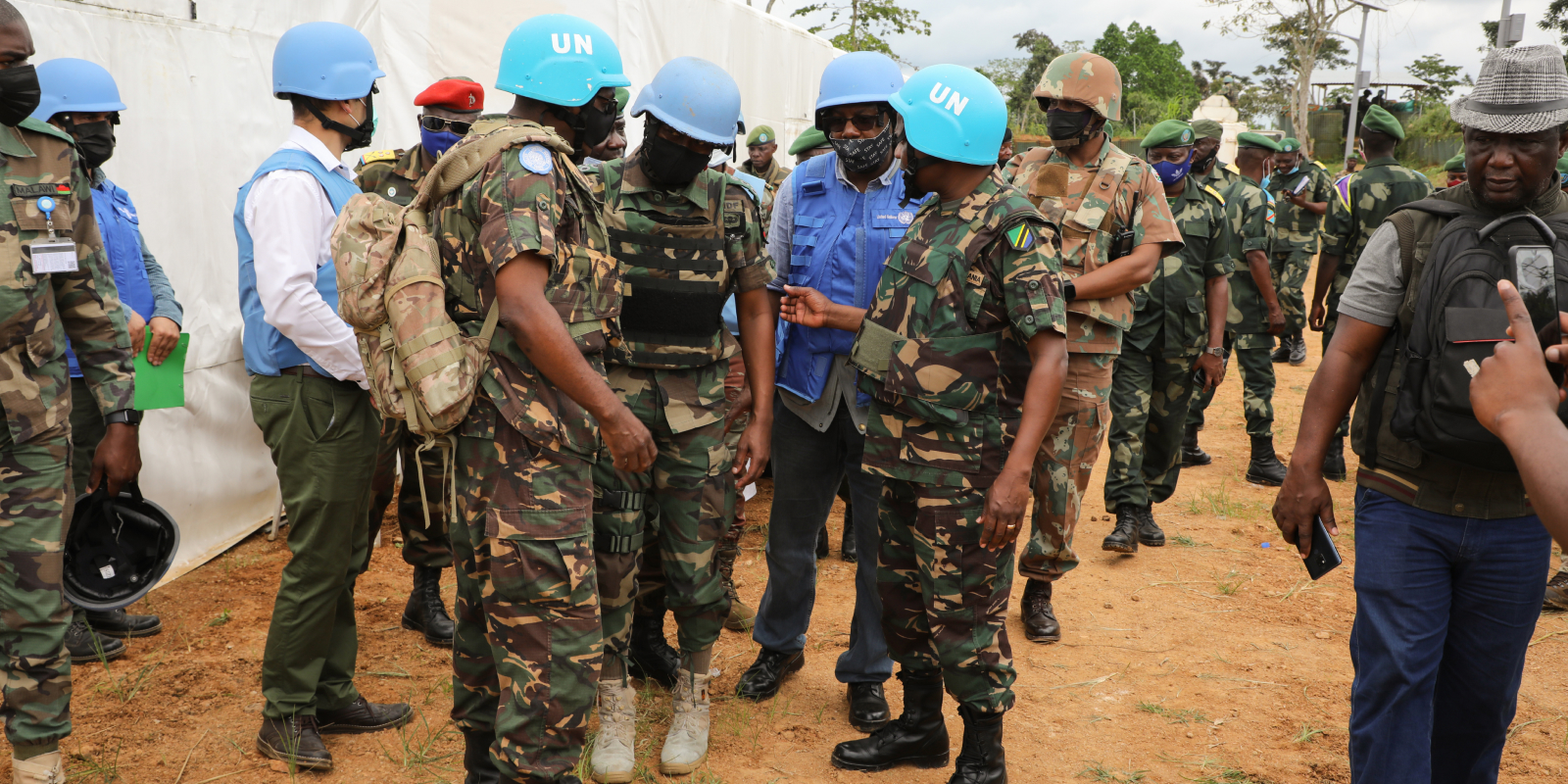
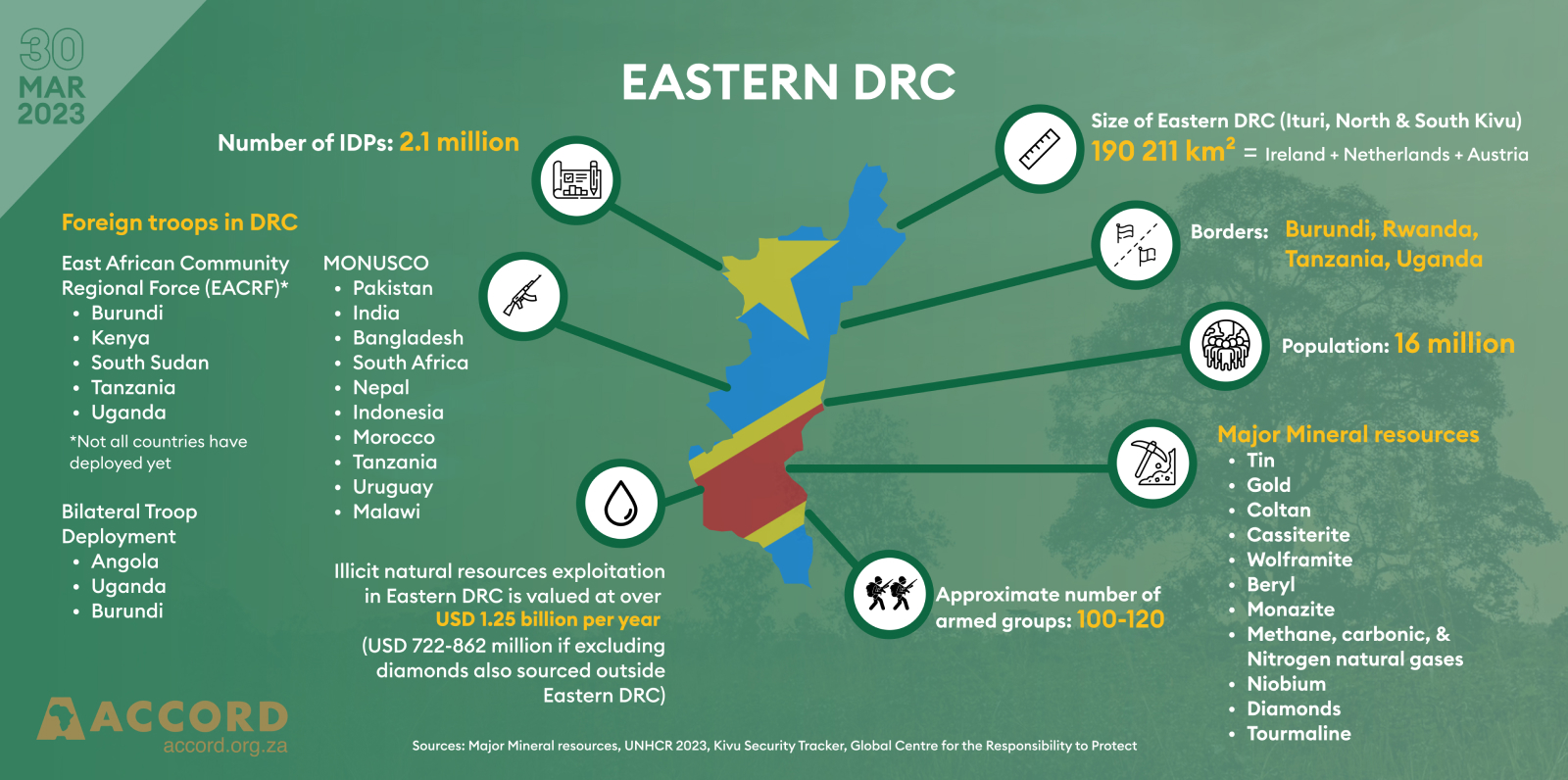
    The arrival of the Burundian forces as part of the first contingent of East African Community Regional Force (EACRF) in Eastern Democratic Republic of the Congo (DRC) in August 2022, was meant to shore up the political settlement facilitated by the former Kenyan president, Uhuru Kenyatta.  According to the plan, the region is to mobilise between 6,500 and 12,000 soldiers to work in cooperation with the Congolese military (FARDC) and administrative forces to support the political dialogue between rebels and the government, provide civilian protection, enforce peace agreements and contain, defeat and eradicate negative forces in the country. It includes creating a buffer zone in liberated areas between the March 23 Movement (M23), and FARDC. The M23 is associated with the Tutsi ethnic group and claims to be fighting to protect Tutsis from Hutu extremists and blames the DRC government for reneging on the promise to incorporate its fighters into the national army.

    The Kenyan commander-led force is headquartered in Goma and is supposed to operate under a six-month renewable mandate in Haut-Uélé, Ituri, North Kivu and South Kivu provinces. Burundi, Kenya, South Sudan, Tanzania and Uganda are all meant to provide troops.

    The search for peace in DRC continues to face significant challenges, the first of which relates to the inadequate number of troops from the EAC partner states

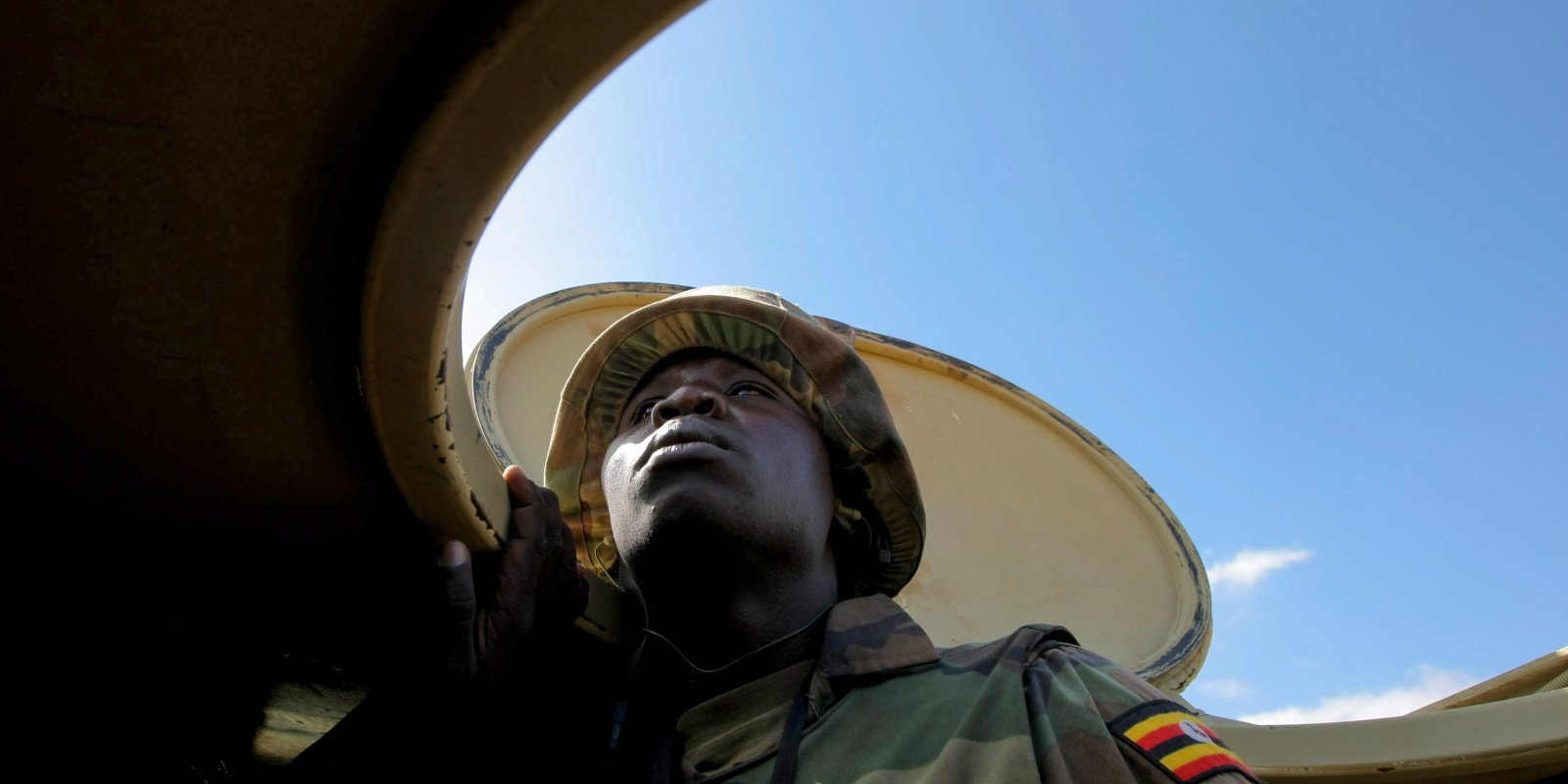
    However Burundi, Uganda, and Angola have troops in DRC under bilateral arrangements while Kenya and Tanzania already have troops in DRC as part of the United Nations (UN) peacekeeping force, MONUSCO.

    Progress

    Since the arrival of the EACRF, it has been able to secure an agreement from the rebels to access regions under their control and pressed for a sustained dialogue between themselves, the rebels and the government. Under the leadership of the African Union (AU)-appointed mediator between the DRC and Rwanda, Angolan President João Lourenco, the rebels committed to withdraw from some regions and are to be replaced by the EACRF.

    Unlike MONUSCO, the EACRF has entrenched the twin process of pursuing a political solution and military interventions. This is because the crisis will only be resolved by a combination of both military force tied to an effective political process. The fact that the regional body is also leading the political dialogue will ensure that the two processes are adequately inter-linked and integrated.  This will keep the military intervention and the political process aligned and mutually reinforcing.

    Challenges

    The search for peace in DRC continues to face significant challenges, the first of which relates to the inadequate number of troops from the EAC partner states.  This is because some of the countries that are supposed to contribute troops, such as Tanzania, have not done so while there are those such as Uganda who are under the existing bilateral arrangement with DRC.  It remains to be seen how the Ugandan troops under the bilateral arrangements and those under EACRF will operate. On the other hand, troops from South Sudan are facing opposition from Congolese officials. This means the (EACRF) is yet to fully deploy and take charge of the designated regions in the eastern part of the country including North Kivu.

    Second is the diminished trust and confidence by the Congolese that EACRF is going to live up to its expectation. This followed a series of successful occupation of some regions by the M23 despite the presence of the force. As a result, there have been a series of protests in Goma demanding that the force fights the M23 rebels and that the Kenyan contingent withdraw. This is because the M23 have been able to advance in the areas occupied by the Kenya Defence Force. In addition, the protesters want EACRF to allow FARDC to take over the territories left by rebels.  In short, there is a significant amount of mistrust and anxiety among civilians that the force will need to overcome.

    Third is the continued violations of the agreed ceasefire, failure of the rebels to withdraw from the occupied areas and the dragging agreement on new timelines for their withdrawals.

    Fourth, there are numerous armed groups in Eastern DRC such as Allied Defence Force -National Army for the Liberation of Uganda ADF-NALU that continue to maim and kill people. It is claimed that the region has more than 100 non-statutory armed groups some of which are supported by regional actors benefiting from the political economy of war in the Congo. Again, the EACRF has not come up with a clear strategy to deal with the issue of numerous armed groups which gives the impression that it wants to solve the M23 issue only.

    The fifth challenge is presented by the M23 and the role of Rwanda.  While the M23 of today not only has more sophisticated weaponry and more tactical strategy, it has also improved its command-and-control structures. The DRC continues to accuse Rwanda of supporting the group and eyeing the natural resources across the border. Although Rwanda has denied this, independent UN experts, the United States and several other western countries have supported the claim. The DRC government has urged the international community to impose sanctions against Rwanda and ruled out negotiations with the M23 which they refer to as a terrorist movement. Despite these accusations, the EAC has remained conspicuously silent on the matter which has eroded the trust of the Congolese community. There is a strong feeling that the EAC partners are too close to Rwanda to be impartial arbiters to the crisis.

    Sixth, the different approaches by different units seem to be working at cross purpose. It is not clear if it is a strategy or lack of effective co-ordination. There is a joint operation between FARDC and the Ugandan Peoples Defence Force (UPDF) in the north (northern North-Kivu and Ituri) with an offensive mandate to track the ADF-NALU rebel group. The Burundian army is in the south western part of North-Kivu province with a robust mandate and is restricting the M23 from advancing further. The Kenyan approach seems to be more diplomatic. Angola will be sending a military unit to the region after the collapse of the ceasefire it brokered between the M23 rebels and the Congolese army. The practicality of how MONUSCO operations relate to other forces remain unclear.

    Seventh, there is also a concern that the presence of many foreign forces generates an environment that has the potential for human rights violations due to a crowded war theatre. This is also linked to the numerous interpretations of civilian protection obligations and the lack of clarity and focus on attribution and accountability. Human right violations against civilians could undermine the force’s legitimacy, against the backdrop of the history of abuses committed by foreign forces in the country.

    Eighth, there is divided political will among the regional actors. The ideal situation is that the proximity of the EAC states to the conflict should be a rallying force in resolving the conflict and finding a political resolution. However, each member state’s interests in the conflict means that there is limited collective will to end the conflict.

    The Burundian army is in the south western part of North-Kivu province with a robust mandate and is restricting the M23 from advancing further. The Kenya approach seems to be more diplomatic.

    Ninth, while the EACRF mandate is very broad, there are questions about the ability of the force to fulfil it, as well as questions around financial sustainability as each country will foot the bill for its own troop contributions. Additional financial support from the UN seems unlikely. In addition, there are issues related to clarity between the EACRF mandate and that of MONUSCO and if these are clearly understood.

    Conclusion

    The United Nations Security Council delegation arrived in DRC on 9 March 2023 for a three-day visit to assess the situation in Goma. This is important against the backdrop of intensified fighting around the city of Goma with both sides accusing each other of breaking the truce.

    Dr Kizito Sabala is the former Head of the Inter-Governmental Authority on Development (IGAD) Liaison Offices in Kenya and South Sudan and is currently a lecturer at the University of Nairobi.

  • Receptivity and Reintegration of Ex-Boko Haram Associates in the Lake Chad Basin Region

    Receptivity and Reintegration of Ex-Boko Haram Associates in the Lake Chad Basin Region

    Over the past 18 months, the Nigerian government has estimated that some 90,000 people have left Boko Haram areas. The large numbers of new arrivals has put stress on the infrastructure to reintegrate low-risk defectors from the group in Maiduguri, overwhelming existing facilities and support structures. The recent mass exits from Boko Haram also present an inevitable yet unique opportunity to take stock of earlier efforts to encourage defections from Boko Haram factions and promote community reconciliation and reintegration with former group members. 

    Miriam[mfn]This story was told by Miriam – a pseudonym – and confirmed by several other women who participated in focus groups and shared their stories with the research team in September 2022.[/mfn] and her family had been waiting until the right time to flee Boko Haram. After the death of its leader Abubakar Shekau and after hearing the Governor of Borno’s radio message encouraging them to come out, Miriam’s husband saw their chance and decided to leave the bush. They split up and left the same night. Miriam, her co-wife, and their five young children followed a different route so that a crying baby would not give away their husband’s location to Boko Haram. After walking for two nights, eating leaves along the way, and asking other Internally Displaced Persons (IDPs) for directions, they waited until daytime and surrendered to the military in a nearby town. They were eventually transported to Maiduguri, where they were reunited with their husband in the Hajj transit centre, a makeshift facility holding thousands of families like Miriam’s.  

    Surveys across the Lake Chad Basin show that the public is receptive to the return of low-risk ex-associates of Boko Haram, particularly in Nigeria

    The Secretariat of the Regional Strategy for Stabilisation, Recovery and Resilience, United Nations (UN) University, and the UN Institute on Disarmament Research (UNIDIR) have been working to bring robust evidence about how and why people are exiting Boko Haram’s factions and what interventions help them to fully and sustainably reintegrate into civilian society. A recent report details a regional study with ex-combatants, formerly associated individuals, and non-affiliated community members across Nigeria, Chad, Niger, and Cameroon. The report presents evidence that can inform current policy and programming discussions on how to effectively resolve the conflict and build peace in the region.

    Surveys across the Lake Chad Basin show that the public is receptive to the return of low-risk ex-associates of Boko Haram, particularly in Nigeria. Many people know someone in their family or community associated with the group. When confronted with a returning family or community member, people are generally quite welcoming. This is not to say that there are no important concerns regarding stigma, especially for particular profiles, but in general, receptivity to return is high.

    The question, then, is how do we build on the public’s willingness to receive people back and bolster peace? Although receptivity to return is fairly high, it is important to consider those who are resistant to returns. The research shows that they were more likely to accept returnees if they felt those coming out of Boko Haram were repentant, held accountable, and/or if  their preferred accountability measure was put in place. Public preferences for accountability varied from criminal justice approaches (e.g., prosecution), to those more commonly associated with transitional justice (e.g. a public apology). This highlights the need for effective screening for violent crimes and robust battlefield evidence collection – both of which are extremely difficult on the scale required in this conflict – to ensure criminal and transitional justice decisions are properly targeted and calibrated. There are more reasons than public preferences, however, to ensure justice and accountability measures are in place for ex-combatants, including for addressing the needs of victims, promoting community reconciliation, and enhancing the rule of law. 

    While the public may differentiate between different ex-associate profiles when asked hypothetical questions about returns (e.g. those that fought and killed for Boko Haram compared to those who cooked for the group), in reality, the public may not know. They may not know how people came to be with Boko Haram in the first place, whether they committed crimes, or how they came to return to the community. There is low public knowledge of the various programmatic streams available to defecting Boko Haram associates, which makes it difficult to understand what it means to “graduate” from them, and trust in the process. Greater emphasis on strategic communications around exit processes and what programmatic interventions are involved will likely improve public trust in them. 

    Women and girls coming out of Boko Haram and its factions are often under-supported as they are not seen as a security threat

    Our report highlights that to promote the reintegration of ex-Boko Haram associates in civilian life, programmatic support needs to cover objective needs and manage expectations. Women and girls coming out of Boko Haram and its factions are often under-supported as they are not seen as a security threat. As many have children in their care, they are left especially vulnerable once they exit. To avoid frustrations, calibrated messaging around support that is realistic in terms of timetables for release and follow through on promised support is key. Lastly, support must be calibrated both to needs, but also to the aspirations of those for which it is intended. 

    It is notable that many of those exiting the group cite basic needs support (e.g., food, clothes, shelter) as the most helpful to them. While this speaks to the conditions of life with Boko Haram, it is crucial to recognise that much of the population in the Northeast has similar needs. The region is still suffering from violent conflict, a humanitarian crisis – including large scale food insecurity and displacement, and climate change is exacerbating these challenges. Reintegration support cannot be effective if it is deployed in a vacuum. Rather it needs to be part of a larger strategy that addresses all conflict actors (including community security providers like the CJTF and vigilantes). Such a comprehensive strategy needs to ensure that communities are informed, engaged, and supported, so that their needs are met and they remain receptive to returns. With policymakers in the region working together and across the humanitarian, development, and peacebuilding nexus, the next wave of policy and practice can help bolster a suitable environment for reintegration and building peace. The Regional Strategy for the Stabilisation, Recovery & Resilience of the Boko Haram-affected Areas of the Lake Chad Basin Region, particularly its third pillar on Disarmament, Demobilisation, Rehabilitation, Reinsertion and Reintegration of Persons associated with Boko Haram, provides the framework for how countries in the region can come together at every level to operationalise this collaborative and evidence-based approach.  

    In his recent remarks at the High-Level Conference on Managing Exits from Armed Conflict (MEAC) organised by UNIDIR, on 27 March 2023, the Executive Secretary of the Lake Chad Basin Commission and Head of Mission of the Multinational Joint Task Force, Amb. Mamman Nuhu called for an integrated, comprehensive, and regional approach and urged actors and stakeholders to recognise the contextual specificities of the region in finding solutions to its challenges. He also emphasised the imperative for a hybrid approach that recognises the complementary roles of criminal and transitional justice in managing sustained exits from Boko Haram in the region.  

    Dr. Siobhan O’Neil, is the project leader for UNIDIR’s Managing Exits from Armed Conflict (MEAC) project.

    Dr. Chika Charles Aniekwe, is a senior advisor and the head of stabilisation for the UNDP Lake Chad Basin Programme.

  • Latest developments in the transition to a civilian government in Sudan

    Latest developments in the transition to a civilian government in Sudan

    On 19 March 2023, Sudan’s civilian forces, Sudan Armed Forces (SAF), and the Parliamentary Rapid Support Forces (RSF) struck a deal to form a new transitional administration and signed the final agreement paving the way for the transfer of power to a civilian government on 11 April 2023.

    Since the end of last year, Sudan’s political faction groups – the military leadership and civilian political parties – have been negotiating a peace accord aimed at reinstating a civilian administration. The parties have agreed to set up an eleven-member committee to draft a new constitution, including nine members from civilian organisations, one from the army, and one from paramilitary forces. In light of this agreement, the transitional constitution will be adopted on 6 April and the institutions of the transitional authority will be established on 11 April. This peace agreement builds on the political process launched on 5 December 2022, by the Trilateral Mechanism comprised of the AU, the IGAD, and the UN, in which the SAF and RSF signed a Framework Agreement with Sudan’s political parties, including the Forces of Freedom and Change (FFC), a civilian coalition, and some smaller CSOs, to establish a transitional civil administration and settle the dispute that sparked on 25 October 2021.

    Looking at the promising transitional development, Sudan’s pro-democracy supporters were optimistic about the country’s future after power was transferred from the TMC to the Sovereign Council.

    Located at the crossroads of Sub-Saharan Africa and the Middle East, Sudan has been in crisis since the popular uprising that toppled the long-time ruler Omar al-Bashir in 2019. The military coup led by Gen. Abdel-Fattah Al-Burhan in October 2021, however, aggravated the country’s complex political and economic realities and ruined the democratic transition achieved following Omar al-Bashir’s three-decade dictatorship.

    Sudan’s history and political culture is dominated by military coup d’états, filled with various successful and unsuccessful coup d’états and military rule. The military has a long history of meddling in politics, having ruled the country for 54 of its 67 years of independence. After three decades of dictatorship, Omar Hassan al-Bashir, who ascended to power in a bloodless coup was overthrown in a classic military coup on 11 April 2019, led by the former Defence Minister and Vice President of Sudan, Lt. General Ahmed Awad Ibn Auf. However, after only staying in power for just a day, Auf stepped down owing to ongoing demonstrations calling for a democratic change and was succeeded by Lt. General Abdel Fattah al-Burhan as a Chair of the Transitional Military Council (TMC).

    On 14 May 2019, the military and the representatives of the protesters led by the FFC, agreed to a three-year transitional arrangement, and after months of intense discussions, violence, and contestation, Sudan’s TMC and the FFC reached an agreement in July 2019 to share power during the transitional period until elections, in which the Sovereign Council would be formed of five civilians and five military members, with one remaining seat to go to a civilian chosen by both sides. The Council was to be governed for 21 months by a military figure, followed by an 18-month civilian leader, and on 20 August 2019, the TMC transferred power to the Sovereignty Council with Lt. Gen. Abdel Fattah al-Burhan as the Chair and Abdalla Hamdok, as Prime Minister for the transitional cabinet.

    Following this, various plans to improve institutions and establish accountability for atrocities were outlined in the Constitutional Charter. State authorities were given the responsibility to hold former regime members accountable for crimes done against Sudanese people since 1989. The Charter also calls for the establishment of a national and impartial investigating committee to look into the 3 June massacre. In addition, it establishes 11 independent bodies, one of which is a transitional justice commission. Once the newly installed civilian-led government was in place, the AU removed Sudan’s ban the following day.

    Looking at the promising transitional development, Sudan’s pro-democracy supporters were optimistic about the country’s future after power was transferred from the TMC to the Sovereign Council. However, there were intense working relationships between civilian and military members of the council, and as a key deadline for the military to completely hand over the transitional “Sovereign Council” to civilians approached, the military used the pretext of a political dispute to seize full power once more on 25 October 2021, dissolving the civilian government and arresting its top officials, including Prime Minister Abdalla Hamdok, effectively ending the military-civilian power-sharing partnership aimed at bringing Sudan closer to democracy, with elections scheduled for 2023. The AU suspended the country once again, and the coup was met with protests, strikes, and civil disobedience in Khartoum, Omdurman, and other locations across the country.

    Due to the strong condemnation of the African Union and the International Community, Hamdok, however, was freed on 21 November 2021, and reinstalled as prime minister while maintaining power-sharing with the military. The agreement, however, was rejected by the FFC and many other groups, who felt deceived by Hamdok and believed that the new agreement helped to legitimise the military takeover, and protests persisted. Thus, faced with an increasingly volatile situation, PM Hamdok resigned on 2 January 2022, citing his failure to bring the various political forces to agree on a political declaration. His resignation marked the departure of Sudan’s final remnant of a civilian administration, leaving a constitutional vacuum in its aftermath.

    Following PM Hamdok’s resignation, al-Burhan established a new ruling Sovereign Council, declining African Unions, as well as the EU-Troika’s mediation attempt to resolve the country’s protracted problem. In addition, the May 2022 trilateral mechanism attempt facilitated by the UN, AU, and IGAD to negotiate between the military and civilian parties was not effective, as neither the FFC nor the resistance committees agreed to join, extending the standoff. However, after months of negotiations and peace talks, various political forces, including the civilian opposition bloc, the FFC-Central Council, and the military leadership signed a framework agreement on 5 December 2022, to end Sudan’s turbulent political landscape. The deal, among other major aspects, addresses demonstrators’ demands, such as removing the military’s involvement in the government and commerce. It also establishes a two-year transition period with a civilian-led administration prior to elections.

    Although progress and consensus-building have been gradual since the 5 December agreement, the agreement on 11 April by Sudan’s civilian forces, SAF, and RSF, to create a new transitional administration appears to pave the path for the country to soon have a new civilian government

    Although progress and consensus-building have been gradual since the 5 December agreement, the agreement on 11 April by Sudan’s civilian forces, SAF, and RSF, to create a new transitional administration appears to pave the path for the country to soon have a new civilian government. However, major political players who were excluded from the negotiations in December and March, ranging from former rebel leaders to grassroots pro-democracy networks, such as the Democratic Block, which includes Sudan’s finance minister, Jibreel Ibrahim, and the governor of Darfur, Minni Minnawi, as well as numerous other smaller political figures and parties, remain opposed to the deal. Moreover, many Sudanese are still sceptical that the military will completely give up power, regardless of any deals that are struck.

    Despite these circumstances, it is hoped that the signature of a political framework agreement in December 2022 and the April 2023 agreement to establish a new transitional administration will put an end to the political impasse and drive Sudan towards a civilian government.

    Yonas Berhané, National Communications Officer, International Labour Organisation Country Office – Addis Ababa, and freelance Research Expert.

  • Dialogue as a conflict transformation tool in Cabo Delgado

    Dialogue as a conflict transformation tool in Cabo Delgado

    In February 2022, the Peacemaking Advisory Group (PAG)[mfn] The PAG is chaired by Bishop Trevor Mwamba, Bishop of the Anglican Church and President of the United National Independence Party (UNIP) in the Republic of Zambia, and comprises the following members: Bishop Dinis Matsolo, President of the Justice, Peace, and Reconciliation Commission of Christian Council of Mozambique (CCM) and Executive Director of Programa Inter-Religioso Contra a Malaria (PIRCOM), Republic of Mozambique, Mr Chris Maroleng, Global Advisor and Executive Director of Good Governance Africa, Republic of South Africa, Ambassador Roeland van de Geer, Chairman of the European Board of Good Governance Africa and former Ambassador of the Netherlands to the Republic of Mozambique, Ms Alice Mogwe, Executive Director of DITSHWANELO – The Botswana Centre for Human Rights and President of the International Federation for Human Rights, and Ms Fatma Karume, leading Human Rights Lawyer, United Republic of Tanzania. The PAG has the support of an Eminent Persons Group (EPG) comprising distinguished leaders from the region.[/mfn] undertook a mission to Mozambique to engage various state and non-state actors. The objective of the mission was to gauge the willingness for the commencement of a dialogue process as a conflict transformation tool to address the insecurity in the northern Mozambique province of Cabo Delgado. The PAG seeks to create a safe and non-partisan platform for the promotion of dialogue and consultation between critical stakeholders while also pursuing measures to deescalate intercommunal tensions and unlock the province’s development potential.

    The PAG is a politically neutral regional initiative harnessing the experience and expertise of its members to support peace and development processes in the region.

    The PAG seeks to create a safe and non-partisan platform for the promotion of dialogue and consultation between critical stakeholders while also pursuing measures to deescalate intercommunal tensions and unlock the province’s development potential

    Since October 2017, Cabo Delgado has seen sustained armed conflict, fought between an insurgent group known as Al-Shabaab and the government of Mozambique, with support from regional and international allies. The insurgent group is known by several names, including Ahlu Sunnah wal-Jamaah (ASWJ), Ansar al-Sunnah, ISIS – Mozambique and al- Shabaab (though it has no direct connection to al-Shabaab in East Africa) or more locally known as Machababos. The conflict has led to an estimated 4 600 fatalities, with approximately 1 200 000 civilians internally displaced, around half of which are children. The conflict has been characterised by gross human rights violations against civilians and has caused significant damage to infrastructure, disrupted critical service delivery, and negatively impacted economic activity.

    Early responses to the conflict were exclusively military in nature, and these operations continue to be the dominant policy response by the government of Mozambique, with support from regional and international partners. Initially, this included the deployment of the Mozambican Armed Forces (FADM), and the Mozambican Police Service’s Rapid Reaction Force (FIR), as well as the use of a series of private military companies. In early July 2021, a contingent of the Rwandan Defence Force (RDF) and Rwandan National Police (RNP) was deployed to the region. On 15 July, following approval by an Extraordinary Southern African Development Community (SADC) Summit of Heads of State and Government, the SADC Mission in Mozambique (SAMIM) was deployed to Cabo Delgado. In addition, the European Union (EU) continues to provide training to Mozambican commandos and marines, under the European Union Training Mission (EUTM) while the United States (US) has increased the number of annual Joint Combined Exchange and Training (JCET) programmes between US Special Operations Forces and Mozambican Special Forces to a biannual basis since 2021.

    Since 2020, there have been increased efforts to address the northern region’s developmental deficits, which are widely acknowledged as drivers of the conflict, as well as efforts to provide humanitarian and reconstruction support to the region. In March 2020, the government of Mozambique established the Integrated Development Agency of the North (ADIN), mandated to work across departments to promote and coordinate the implementation of policies and programmes aimed at reducing poverty and promoting sustainable economic growth in the three northern provinces of Cabo Delgado, Niassa and Nampula. In August 2021, at the request of its international cooperation partners, the government developed the Cabo Delgado Reconstruction Plan (PRCD), outlining plans for providing humanitarian assistance and promoting long-term economic recovery. The PRCD requires an estimated budget of US$300 million, of which so far US$100 million has been secured.

    There are several local and international civil society organisations currently implementing programmes aimed at addressing recruitment and radicalisation into violent extremism in Cabo Delgado. These programmes include educational and vocational training for vulnerable youth, platforms to promote interreligious dialogue and social cohesion, as well as strategic communications initiatives to build trust between communities and local government.

    Stakeholders from across government, the security sector, civil society, and the religious community all recognise that military interventions alone will not create sustainable peace in Cabo Delgado and dialogue to transform the conflict is urgently needed. However, to date, there has not been a dialogue process which seeks to bring together the government, insurgent groups, and other critical stakeholders.

    The PAG’s most recent mission to Mozambique resulted in a series of stakeholder consultations in Maputo and Pemba. These stakeholder consultations allowed for a better understanding of the current state of the conflict, potential efforts to address the conflict and opportunities for dialogue as a conflict transformation tool in the Cabo Delgado context. The following are preliminary key findings from the mission.

    The key findings are as follows:

    • A readiness for peace dialogue across all sectors of society, both state and non-state.
    • Several local community-led initiatives seek to address conflict and insecurity in Cabo Delgado. These have been primarily focused on reducing intercommunal tensions and strengthening social cohesion in specific regions of Cabo Delgado.
    • Currently, there is no initiative seeking to bring the government and the insurgent group into a facilitated dialogue process, or a coordinating platform able to perform multilevel engagement with all parties on a continued and non-partisan basis.
    • Stakeholders expressed a significant trust deficit as a barrier to dialogue and peace.
    • Stakeholders overwhelmingly expressed the value which a regionally anchored and non-aligned peace platform would provide to promoting peace at this moment in the conflict trajectory.
    • There was an openness from both the provincial government and SAMIM for the PAG to meaningfully contribute to the process of strengthening the response measures to the challenges facing Cabo Delgado.
    • Engagements with representatives from the international community saw the unique added value the PAG initiative could provide to both national and regional peace efforts.

    Way forward

    After five years of insecurity, there is a deep sense of conflict fatigue in Cabo Delgado. There is also a clear understanding among the stakeholders that military interventions in isolation will not end the conflict, will not bring sustainable peace, and will not unlock the province’s vast development potential. Examples from the continent demonstrate that violent extremism cannot be defeated by military interventions alone.

    After five years of insecurity, there is a deep sense of conflict fatigue in Cabo Delgado. There is also a clear understanding among the stakeholders that military interventions in isolation will not end the conflict

    Based on the PAG’s multisector stakeholder consultations, work will continue towards establishing and operationalising a peace indaba aimed at facilitating dialogue towards conflict transformation in Cabo Delgado.

    To this end, the next phase of the programme of activities of the PAG will include the following:

    • Engaging key stakeholders in the eastern and southern African region.
    • Engaging the Mozambican government at national, provincial, and local levels.
    • Engaging non-state stakeholders at national, provincial, and local levels.
    • Begin to address the trust deficit in Cabo Delgado through the creation of a safe and non-partisan platform for discussion and consultation between critical stakeholders.
    • Deepen research and understanding of conflict dynamics.
    • Develop a set of context-specific policy frameworks, on critical issues relating to the transformation of the conflict, such as amnesty, reintegration, reconciliation, and inclusive economic policy reform.

    Dr Craig Moffat is a member of the Peacemaking Advisory Group Secretariat based at Good Governance Africa and a visiting senior research fellow at the Norwegian Institute of International Affairs.

  • Adapting the African Standby Force to Africa’s Evolving Security Landscape

    Adapting the African Standby Force to Africa’s Evolving Security Landscape

    The growing threat of violent extremist and other forms of insurgencies in the Sahel, Great Lakes, Horn of Africa and Southern Africa, and the way in which these groups operate transnationally, has changed the security landscape in Africa. In response a number of new types of operations have evolved. These new operations challenge some of the fundamental assumptions of the African Peace and Security Architecture (APSA) and the standard models of international peace operations.

    Over the last decade Africa has experienced a resurgence of what used to be called rebels, i.e. groups that use violence to challenge the state in places like the Sahel, Lake Chad Basin, Somalia, eastern Democratic Republic of Congo (DRC) and northern Mozambique. Some, like the M23 group in eastern DRC still fit the rebel model, but many take a new form of violent extremist insurgencies. What they all seem to have in common is that they use violence to pursue political objectives related to long-standing centre-periphery grievances, and economic and political marginalisation.

    By using a country’s own forces in its own territory, as part of a regionally coordinated operation, the ASI’s solves a number of problems that international peace operations have grappled with.

    The combination of the nature of this new threat, and the shortcomings of the existing security arrangements, led to the emergence of a number of new innovative type of responses. In Southern Africa, the Southern African Development Community (SADC) responded to a violent extremist insurgency in Cabo Delgado in northern Mozambique with an operation, loosely under the auspices of the African Standby Force (ASF). It differed from the ASF model in that it was initiated by SADC and only later sought endorsement from the Peace and Security Council (PSC) of the African Union (AU). In the eastern DRC, the East African Community (EAC) deployed their own operation (the EACRF-DRC) outside the ASF arrangement, and on invitation of the DRC. The EAC had also not sought prior endorsement from the PSC.

    In the Sahel and the Lake Chad Basin, the countries from the affected regions responded with a new type of operation where the countries primarily operate in their own borders, but occasionally also undertake cross-border hot pursuit or joint operations. These operations are coordinated through a joint headquarters in recognition of the transnational nature of the violent extremist groups they are trying to contain. These operations and the organisations that deployed them are also not part of the ASF, but they have been endorsed by the PSC, and the African Union Commission has provided support to the Multinational Joint Task Force (MNJTF) in the Lake Chad Basin.

    Although all the African Union member states involved in these operations participate in the African Standby Force (ASF), through Regional Economic Communities (RECs) like ECCAS, ECOWAS or SADC, or Regional Mechanisms in eastern and northern Africa, the context specific needs of the crisis they faced resulted in them developing new innovative security arrangements that were tailor made for their unique needs. Some of these new operations share a number of features and are collectively referred to as Ad Hoc Security Initiatives (ASIs).

    The AU authorised the first ASI in 2011, called the Regional Cooperation Initiative for the Elimination of the Lord’s Resistance Army (RCI-LRA, 2001–2019). The second ASI was established in 2015 as the MNJTF against Boko Haram in the Lake Chad Basin. The MNJTF differed from the RCI-LRA in that it was a pre-existing arrangement linked to a sub-regional organisation, the Lake Chad Basin Commission, which was revitalised and repurposed for a new mission. The third ASI was established in the 2017 as the G5 Sahel Joint Force (JF-G5S) and it was also established from a pre-existing sub-regional arrangement, the G5 Sahel. Four of the unique characteristics, which distinguish them from international peace operations, are:

    First, they are responding to a shared transnational threat and they are specifically aimed at managing security in an area where two or more national borders meet. Most other United Nations (UN) and AU peace operations are deployed within the borders of one country.

    Second, they are made up of security forces that operate in their own national territories, with facility for hot pursuit cross-border operations and occasionally pre-planned joined operations. This differs from the mainstream peace operation model which is usually made up of a multinational force deployed into a third country, e.g. the AU transition mission in Somalia (ATMIS). By using a country’s own forces in its own territory, as part of a regionally coordinated operation, the ASI’s solves a number of problems that international peace operations have grappled with, such as the need for UN authorisation under Chapter VII of the UN Charter to use force, the need to enter into Status of Forces agreement with a host country, and legal jurisdiction issues when troops commit crimes in another country as part of a UN or AU peace operation.

    Since ASIs deploy national forces operating within their own border, they can also rely on national command, control and support arrangements, and can be strengthened, re-supplied or rotated more easily than if they were part of an international deployment in a third country. This also means that the cost of the operations can be mostly covered by national defence budgets, and the only additional costs are those associated with the multinational headquarters. However, in some cases the operational needs exceed national budget resources and the countries have sought additional partner support.

    Third, these operations are coordinated by a joint multinational headquarter arrangement, but the function of these headquarters are limited to strategic activities and enabling liaison and coordination, because the participating countries have operational command of the forces. The headquarters are focussed on the combined effect of the national operations, facilitating information and intelligence sharing among the countries and forces involved, and coordinating political and material support with international partners.

    Fourth, the overall operations do not need to be authorised under Article 51 of the UN Charter to have a basis in international law. They operate within their own national legal frameworks and on the basis of one country inviting another into its territory according to bilateral collective defence agreements or on the basis of the right to seek help from others for self-defence.

    Implications for the ASF and the African Peace and Security Architecture

    Whilst these operations may have the endorsement and support of the AU PSC, and in some cases also the UN Security Council, they are not deployed under the auspices, management, or command of the AU or the ASF. The role of the AU is limited to providing strategic-level monitoring, political direction and coordination. This brings into question how these ASIs fit into the ASF and the APSA.

    The role of the AU is limited to providing strategic-level monitoring, political direction and coordination. This brings into question how these ASIs fit into the ASF and the APSA.

    The 2020 AU PSO Doctrine has started to clarify where the ASIs fit within the APSA by making a distinction between operations mandated and carried out by the AU (i.e., AU PSOs), and those authorised or endorsed by the AU’s PSC, but carried out by RECs/RMs, coalitions of the willing. The ASF model does provide for coalitions of the willing, but many ASIs have been established by existing RECs or other sub-regional institutions that are not part of the ASF. The ASF Concept is currently being revised and perhaps a re-conceptualised ASF will be flexible enough to accommodate a wider range of operations and African regional and sub-regional institutions, so that similar context-specific innovations can be more readily integrated into the ASF in the future.

    Dr. Cedric de Coning is a Senior Advisor for ACCORD and a Research Professor with the NUPI Centre for UN and Global Governance.

    Dr. Andrew E. Yaw Tchie is a Senior Research Fellow and head of the Training for Peace programme at the Norwegian Institute of International Affairs (NUPI).

  • Reflecting on the Status of the Women, Peace and Security Agenda at the Global, Continental, National and Local level

    Reflecting on the Status of the Women, Peace and Security Agenda at the Global, Continental, National and Local level

    The Commission on the Status of Women (CSW) is instrumental in promoting women’s rights, documenting the reality of women’s lives throughout the world, and shaping global standards on gender equality and the empowerment of women. The CSW provides a platform for advancing the Women, Peace and Security (WPS) agenda, by highlighting the links between gender inequality, conflict, and peace. This includes addressing the impact of conflict on women and girls, advocating for their participation in peacebuilding and decision-making, and promoting the protection of women’s rights in peace agreements and post-conflict reconstruction efforts.

    The 67th Commission on the Status of Women (CSW67) took place from 6 to 17 March 2023. It is worth noting that the CSW67 will be recalled for its many defining characteristics. Firstly, it was the first time in almost three years since the COVID-19 pandemic and its aftermath of lockdowns that this meeting was convened in person and that men and women converged on the United Nations (UN) headquarters, New York, for this annual gathering.  Secondly, the CSW noted that “Progress in the Security Council’s WPS Agenda is lacking, as sexual violence, insufficient protection, absence in peace processes continues.”

    Setting up their own peace table towards a common position for Peace on the WPS agenda, in the Post Peace Agreement between FDRE and TPLF, Ethiopian women made clear their position as leaders and not victims to this agenda

    As United Nations Resolution 1325 (UNSCR 1325) reaches its Twenty-Fifth Anniversary, advances on gender equality are shrinking worldwide, women are still suffering from brutal armed conflicts, and “Gender Apartheid”. Thirdly, the CSW67 chaired by the Republic of South Africa and steered under the leadership of Ambassador Mathua Joyini, South Africa’s Permanent Representative to the UN, convened under the theme “Innovation and technological change, and education in the digital age for achieving gender equality and the empowerment of all women and girls”.

    From a WPS lens, the CSW67 theme is timely and important, however the theme is  a stark  reminder of the contestations between the global, regional,  national, and local level priorities and the lived realities of women in conflict situations, and the practical responses required at local, national and regional levels. 

    Amongst various topics highlighted, it was worth noting that Mozambique chaired the UNSC ministerial-level debate on WPS, where more than 90 speakers took the floor over the day-long meeting, emphasising the challenges faced by women in the world’s increasingly complex conflict zones, from Syria to Mali, Yemen, Ukraine, South Sudan and beyond. For women peacebuilding practitioners on the ground, the challenges echoed in the UNSC chambers were all too familiar to the realities in our varying conflict contexts. In reflecting on the status of the WPS Agenda globally, CSW67 highlighted clearly that more work needs to be committed to advancing the WPS agenda globally, continentally and regionally.

    Highlighting the trajectory of the implementation of UNSCR 1325 and the overall WPS agenda globally, CSW 67 noted there are gains that were made over the past years, and there are also setbacks. One of the recent setbacks was the exclusion of women in negotiating parties form the Federal Democratic Republic of Ethiopia (FDRE) and Tigray Peoples Liberation Front (TPLF) in the African Union (AU)-led Ethiopia Peace Process. While women’s participation in peace processes is one of the most vital pillars of UNSCR 1325, after twenty-two-and-half years since the adoption of the UNSC 1325 – the Ethiopian women were not present in the 6-a-side delegation.

    This exclusion and lack of women representation in the negotiations raised concerns amongst the champions of the WPS movement across Africa. However, the inclusion of H.E. Phumzile Mlambo-Ngcuka, former UN WOMEN Executive Director and former Deputy President of South Africa, a champion of women rights, as a senior member in the AU-led mediation panel was welcomed and applauded. For the Ethiopian women and Africa, this inspired the hope for women’s meaningful leadership, inclusion, protection and design of relief and recovery efforts.

    Representation and participation of women in peace processes is not taken for granted, as women are increasingly becoming key players in peace processes unfolding/taking place in their countries and on the continent. This is viewed through the Ethiopian women, who did not accept their exclusion at the Peace Table passively, nor have they ignored the opportunity of the presence of a women mediator of the calibre of H.E Phumzile Mlambo-Ngcuka for taking leadership and contributing to their country’s peace efforts.  Ethiopian women convened and developed practical steps to further strengthen their efforts as women peacebuilders. Setting up their own peace table towards a common position for Peace on the WPS agenda, in the Post Peace Agreement between FDRE and TPLF, Ethiopian women made clear their position as leaders and not victims to this agenda. This is a candid response to be included and this is what Ethiopian women are championing and promoting amongst themselves.

    Another example of women leading at the sites of strife and conflict, with innovative context specific responses, is in Mozambique. In 2022, Civil Society Organisations (CSOs), FDC, IMD, in Mozambique launched the Mozambique Movimento Mulher e Paz. This movement is an initiative targeting women at a district and provincial level to engage in peacebuilding and social cohesion. The Mozambique Movimento Mulher e Paz is anchored by a network of women Peace Ambassadors as Focal Points representing seven provinces including Cabo Delgado, Niassa, Nampula, Sofala, Manica, Tete and Zambézia and 28 districts[i]. This women peacebuilders’ network engages and unpacks the challenges women face at local and provincial levels, conscious of the multiple dynamic conflict contexts and jointly explore the power of their agency to identify entry points within existing institutions to respond locally and nationally to the women peace and security agenda across the country.

    In South Africa, the Gertrude Shoppe Women’s Mediation Network, a national institutionalised platform for women peacebuilders and mediators, marked International Women’s Day by revisiting the Women’s Mediation Networks. The forum convened under the theme “The current state of global peace and architecture: utilisation of the existing capacity by peace institutions” and their role in striving for women’s meaningful inclusion in peace efforts.  Institutions, Global Dynamics and Investing in Institutions of Peace – the forum highlighted the role of Women’s Mediation Networks such as the Global Alliance of Mediation Networks, the Nordic Mediation Network and FemWise-Africa and why these women’s mediation networks were established, how these forums were envisaged to contribute to the progress of women mediator’s inclusion in the peace efforts. The meeting shared good practice on the importance of the local and national women mediation networks for the multiplicity of local demands from peace efforts and existing institutions. [mfn]Mandimba, Cuamba, Lichinga, Lago, Mueda, Mocimbua, Chiure, Ancuabe, Angoche, Magovolas, Nampula, Nacala Porto, Milange, Molumbo, Mocuba, Maganja Costa, Chibabava, Nhamatanda, Gorogonsa, Cheringoma, Mossurize, Barué, Sussundenga, Gondola, Moatize, Angonia, Tete, Chiuta [/mfn]

    At a continental level in Africa, the AU’s 3rd Africa Forum on WPS – met under the theme “Leveraging of WPS monitoring to enhance Women’s Participation and leadership in Peace Processes in Africa”. The continental meeting explored the current institutions and structures within the AU Peace and Security Architecture, such as the Office of the Special Envoy on Peace and Security, and the AU FemWise Women Mediators Network, the Regional Economic Communities (REC’s) Women Mediation Networks, looking for greater collaboration and coherence at the different levels of response and influence.

    Representation and participation of women in peace processes is not taken for granted, as women are increasingly becoming key players in peace processes unfolding/taking place in their countries and on the continent

    From the global to the regional, to the national and local levels, tensions between the goals and progress recorded in the WPS agenda, are ever present. This is not necessarily bad. The mixed results on the WPS Agenda and its aspirations that we witness, are nothing less than the function of the state of gender relations and gender inequality; that is layered in a complexity of women’s social realities, levels of poverty, inequality, the role of culture; disparate economic realities, unemployment, women’s exclusion in the economy and relegation to unpaid labour, unequal pay and subsistence economic activities and the system of patriarchy.

    At the same time, these multiplicities of responses we witness at the various levels is not without innovative ideas, context specific weaved with cultural nuances and innovative practice that involve the power of the agency of women to dare to change the status quo and make meaning of the policy frameworks that exist. Policymaking offers changes in the spirit and letter; however more local good practices need to drive policy implementation frameworks and place emphasis on adaptation to see the results and progress that do exist. Moreover, the instruments of measurement of good practices must offer the diversity of real and prevailing conditions on the ground. Notably, the WPS agenda requires all men and women from all backgrounds, to play their role in ensuring that the agenda is implemented at all levels. Measurement of results has to be quantitative and qualitative and measurement should not be confined to existing instruments of measure. The WPS agenda, as is evident from practice, cannot be in the custody of policy makers only but, should be in the custody of everyone playing their respective roles.

    Concluding Comment

    As we approach 25 years of the WPS- Agenda, we have more to celebrate than when we started. The agenda has been institutionalised, it is showing greater results of permanenting the different global, regional, national and local layers. For women at the cold face of conflict and bearing the direct impact of such conflict, the guiding principle should reflect a greater solidarity with women and the priorities of the WPS agenda. In doing so, men are encouraged to show their solidarity in support of more collaborative implementation of the WPS agenda to avoid a relegation to women only.  

    Pravina Makan-Lakha is an Advisor on Women, Peace and Security at ACCORD.
  • The Role of African Women in Climate related Conflicts

    The Role of African Women in Climate related Conflicts

    Climate change is an undeniable conflict threat multiplier that is already increasing food insecurity, water scarcity and resource competition while disrupting livelihoods. It is spurring migration through urbanisation, for example, small farm holdings no-longer remain viable following droughts or disasters. Additionally, issues relating to land degradation and grabbing, and over exploitation of the environment create conflicts within communities that may lead to violence. Climate change has the effect of escalating social, political and economic tensions in fragile and conflict-affected settings and has the potential to spark new conflicts in Africa. Diverging interests and values among various stakeholders give rise to climate conflicts (also known as environmental conflicts) over issues like, public land use and preservations, private land development, water quality or quantity, air quality, habitat for species, waste disposal, natural resource use and management and environmental hazards.

    These conflicting interests and values related to natural resources and ecosystem services lead to conflict and mass insecurity in various parts of the African continent. For example, in South Sudan, unprecedented floods have affected large parts of the country and have led to the displacement of thousands of people. Between 2021 and 2022, over half a million people were displaced internally. The flooding has led to the exacerbation of conflict far to the south, in the country’s Equatoria region. Displaced herders, as well as those who migrated with them, are fighting with long-time resident farmers over land. Dozens have died in fighting over the past year and, unless conflict drivers are addressed, tensions could increase.

    Although women on the continent are pushing their way forward into decision-making spaces, their involvement remains fragmented because of a lack of access to resources, expertise and opportunities

    From the South Sudan example, it is clear that climate conflicts are emerging as a key issue that will require immediate intervention at local, regional, national and global security levels. Climate conflicts in Africa are becoming widespread and increasing rapidly. As climate change affects conflict across the world, women and girls face increased vulnerabilities to all forms of gender-based violence, including conflict-related sexual violence, human trafficking, child marriage, and other forms of violence. Although women and girls are highly affected by climate conflicts, African women have played a fundamental role in strengthening and enabling the mitigation of climate related conflicts at community level through responsive plans and programmes. They are the environmental defenders who protect the environment and protest against unjust and unsustainable resource uses because of social and environmental reasons.

    Climate related conflicts force women to organise themselves to safeguard basic necessities and to carry out activities related to, for example, education and healthcare. Women are also the central caretakers of families and everyone is affected when they are excluded from peacebuilding during climate related conflicts. Women are also advocates for peace, as peacekeepers, relief workers and mediators. Women have played prominent roles in peace processes in Africa such as Sudan and Burundi, where they have contributed as observers of peacebuilding mediation processes. For example, South Sudanese women have contributed to peacebuilding during the floods by contributing to the leadership, education, social support and other care services, while Burundi women have performed important roles as peace negotiators and peace educators in both families and society in conflict across the country.

    Although women on the continent are pushing their way forward into decision-making spaces, their involvement remains fragmented because of a lack of access to resources, expertise and opportunities. There needs to be greater intentional investment in including women in decision making. Women possess unique knowledge, innovation and local experiences that could shape critical decision-making that is effective to combat climate related conflicts. Their participation is crucial and, if neglected, will amount to inequitable climate action to mitigate climate related conflicts in Africa. According to UN Women, “Women are crucial partners in economic recovery, social cohesion, and political legitimacy, and women’s participation in a mediation process can help ensure that more and diverse members of the community become engaged in peacemaking. This, in turn, can build the credibility of the process and increase local ownership of the process and its results. An inclusive mediation process brings a fuller understanding of the deep-rooted causes of conflict and the different experiences during conflict, as well as facilitates creative and holistic solutions to conflict.”

    In light of the inclusion barriers, the important question is ‘how should African countries include women in their climate action processes for the purpose of mitigating climate related conflicts?’ African governments and multilateral institutions need to make political and financial commitments to support the contributions and substantive inclusion of women at all levels. For example, policies and national adaptation strategies need to be developed with women (not just in consultation), strict women quotas need to be set for every decision-making body at all levels and procurement processes need to give preference to women-owned entities that mitigate conflict. This holds the governments accountable to achieve gender parity in environmental decision-making institutions.

    The African Union, Regional Economic Communities such as the Southern African Development Community (SADC) and the Economic Community of West African States (ECOWAS) and national governments must implement a climate action fund, which provides funding for formal and informal projects on mitigation of climate conflicts proposed by women’s organisations, formations or NGOs that work with women. This should be coupled with technical skills support, partnership and collaborations and capacity building in conflict mediation and resolution.

    Working together with learning institutions, African countries need to develop climate change and climate conflict educational programmes and knowledge resources for marginalised groups to be capacitated on climate conflicts

    Working together with learning institutions, African countries need to develop climate change and climate conflict educational programmes and knowledge resources for marginalised groups to be capacitated on climate conflicts. Capacity-building, environmental awareness and information exchange, with a vision to foster a generation of environmentally conscious environmental defenders capable of positive action is important. Climate education, including technical environmental training, can increase their resilience and build their capacity to work with climate information and lead climate solutions during climate conflicts. African institutions and governments need to avoid women tokenism, where young people and women have little or no substantial influence in decision-making and the design and implementation of programmes and policies. Investing in women creates a ripple effect that yields multiple benefits, not only for individual women, but also for families, neighbourhoods and countries.

    Karabo Mokgonyana is a legal and development practitioner with Re4m Envoy and Conflict Check focusing on intersectional human rights protection, effective implementation of international law and peace-building.

  • Conflict & Resilience Monitor – 24 February 2023

    Conflict & Resilience Monitor – 24 February 2023

    We begin the first Monitor of 2023 with an article from Cedric de Coning, Research Professor at NUPI, Rui Saraiva a research fellow in the peacebuilding and humanitarian support team and Ako Muto, an executive senior research fellow both from the Japan International Cooperation Agency (JICA) Ogata Sadako Research Institute for Peace and Development.  The three authors write about adaptive peacebuilding, using case studies from Colombia and Mozambique.

    We then head to West Africa for our next two pieces.  Mariana Llorens Zabala has written an article on the effectiveness of the Multinational Joint Task Force (MNJTF).  The article looks at the objectives of the MNJTF, African Union support to the MNJTF and gives an overall assessment of the effectiveness of the task force. Staying with West Africa, Joshua O. Bolarinwa writes about the elections in Nigeria and the context under which the election is taking place.

    Moving to Southern Africa, Katharine Bebington, a programme officer at ACCORD writes about Eswatini.  In her article she writes about the recent murder of human rights lawyer Thulani Maseko and the upcoming elections in the Kingdom.