Years: 2025

  • Conflict & Resilience Monitor – 27 August 2025

    Conflict & Resilience Monitor – 27 August 2025

    This month we begin with an article about the challenges that national peace architectures face in the current peace and security landscape in Africa. The article, written by Chika Charles Aniekwe and Ozonnia Ojielo, discusses the challenges that these architectures face due to violent non-state actors (VNSAs). VNSAs operate across borders, which is a challenge for national peace architectures, as they are limited by their national borders. This requires states and architectures to better co-ordinate their activities in border areas.

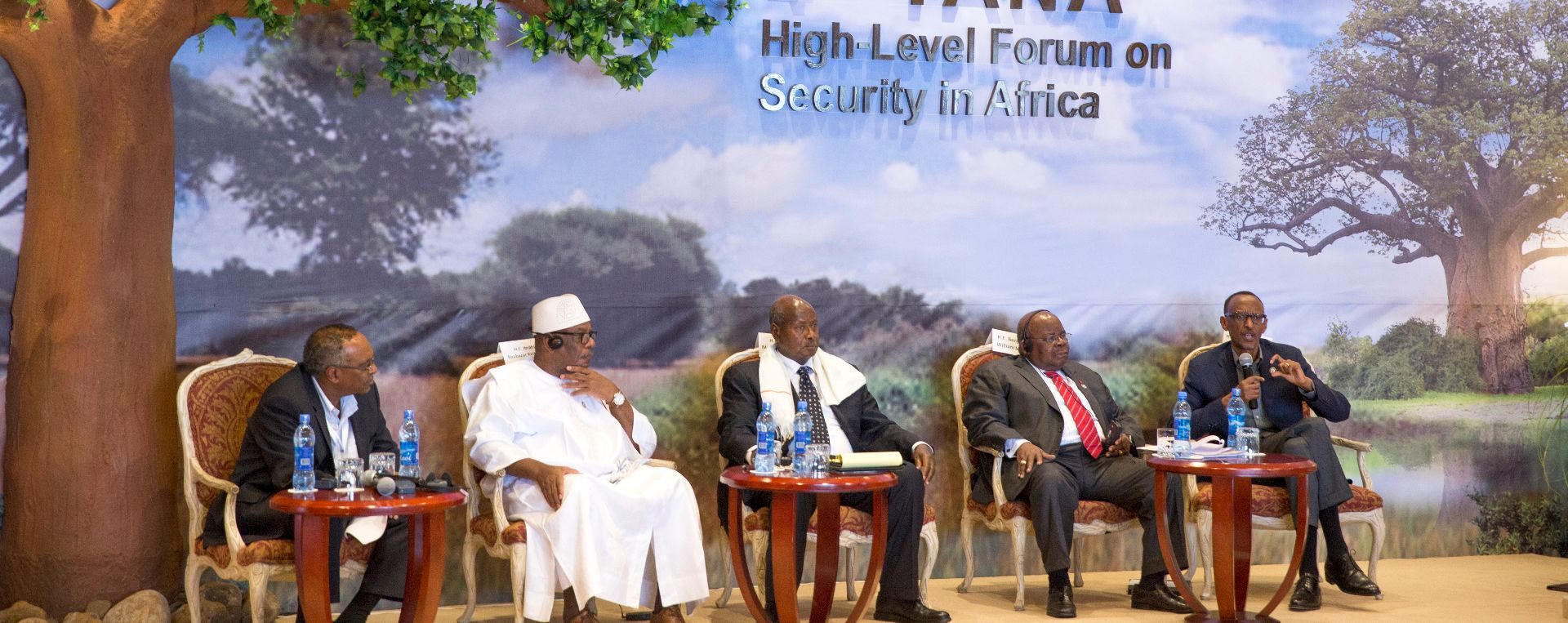
    We also featuring articles on two of Africa’s most important peace and security forums, namely the Tana Forum on Security in Africa and the Aswan Forum for Sustainable Peace and Development. These forums bring together the African peace and security expert and policy communities to take stock of Africa’s peace and security challenges, brainstorm solutions and discussing Africa’s place and role in the global peace and security architecture.

    Hesphina Rukato writes the first of these articles about the Tana Forum on Security in Africa. The article discusses the 10 years of the Tana Forum and its various recommendations in a number of areas relating to peace and security in Africa, including on managing fragile states, organised crime, natural resource governance and economic integration amongst others.

    Seba Issa then discusses the Aswan Forum for Sustainable Peace and Development, which is set to host its fifth edition in October. The Aswan Forum bridges policy and practice gaps across the peace-security-development nexus in Africa, while also highlighting African perspectives on global priorities, frameworks and strategies, with the intention of positioning Africa as a contributor to the global peace and development agenda.

    Concluding this edition of the monitor is an article written by Katharine Bebington about the upcoming elections in Malawi. She discusses some of the issues and challenges that have since emerged including instances of politically motivated violence, ahead of these polls.

  • Are National Peace Architectures Still Fit for Purpose? Rethinking Infrastructures for Peace in a Transboundary Era

    Are National Peace Architectures Still Fit for Purpose? Rethinking Infrastructures for Peace in a Transboundary Era

    Africa’s conflict landscape has undergone significant changes over the past decade, shifting from primarily intra-state, politically mediated disputes to regional crises driven by violent non-state actors (VNSAs), illicit cross-border economies, climate-related migration, and digital mobilisation. For scholars and practitioners of peace who have followed the development of policies and frameworks for addressing conflict in Africa over the last one or two decades, a key policy question now arises: are national peace architectures (NPAs), typically centred on peace councils, local peace committees, and insider mediation, still fit for purpose?

    We argue here that the NPAs remain useful but are no longer sufficient. To remain effective, the NPAs must adapt to the changing patterns of conflict on the continent. They must be reconfigured into networked and cross-border “infrastructures for peace” that are linked to the regional and continental peace and security frameworks of the regional economic communities (RECs) and the African Union (AU). Additionally, they need to be resourced for anticipatory actions and responses rather than functioning solely as reactive instruments.

    From national councils to “Infrastructures for Peace”

    The changing conflict landscape in Africa demands a shift in approach, and for Peace Architectures to remain relevant, we must ask: What does the next generation of Peace Architectures require?

    National peace architectures developed from the Infrastructures for Peace (I4P) paradigm link national, provincial, and community-level capacities for dialogue, mediation, and prevention. I4P played a significant role in pioneering a new approach to conflict resolution in Africa, shaping how intra-country conflicts are managed through a consultative, multi-actor, and participatory method that ensures both bottom-up and top-down interaction among various stakeholders in the conflict setting. Countries like Ghana and Malawi effectively applied I4P as a peace framework for resolving politically motivated conflicts. In many countries, I4P were designed and implemented, with support from the United Nations Development Programme (UNDP), to handle domestic electoral tensions, communal disputes, and policy disputes, relying on proximity to elites, moral authority, and insider mediation rather than coercive enforcement powers. Consequently, their operating assumptions, tools, and success metrics were tailored to within-border drivers and actors. They were rarely used to address cross-border and regional conflicts involving violent non-state actors.

    The new conflict ecology: transboundary violence and VNSAs

    Contemporary conflicts in Africa extend beyond national borders; they are interconnected, transboundary, and regional. The nature and character of conflict actors have evolved due to influences that extend beyond Africa, including connections to global movements of terrorist groups. Moreover, geopolitical dynamics continue to shape how conflicts develop across various spaces and settings, as well as the relationships between different actors (state and non-state) and global powers. In the Sahel, coalitions such as Jama’at Nusrat al-Islam wal-Muslimin (JNIM) and Islamic State affiliates operate across Mali, Burkina Faso, and Niger, increasingly impacting coastal states. In the Lake Chad Basin, Boko Haram and ISWAP dynamics and counter-insurgency responses span Nigeria, Niger, Chad, and Cameroon, while in the Horn of Africa, al‑Shabaab’s insurgency in Somalia projects violence into Kenya and influences regional maritime and trade corridors. These theatres share common patterns: cross-border recruitment and taxation, regional logistics, and propaganda ecosystems that outpace national mediation tools.

    Contemporary conflicts in Africa extend beyond national borders; they are interconnected, transboundary, and regional. The nature and character of conflict actors have evolved due to influences that extend beyond Africa, including connections to global movements of terrorist groups

    Where national peace architectures fall short

    Despite the positive impact of peace architectures across the continent, the current conflict landscape means that they fall short in several areas.

    • Mandate and jurisdiction: Most peace councils are constituted to mediate domestic disputes. Their jurisdictional mandate typically stops at the border, with few provisions for joint cross‑border talks, synchronised amnesties, or reintegration schemes.
    • Linkage to continental and regional tools: Vertical links from national mechanisms to the AU Peace and Security Architecture (APSA) and REC instruments remain uneven, creating spaces that VNSAs exploit.
    • From early warning to early action: Although early‑warning networks exist, the lack of delegated authority and flexible finance for rapid, cross‑border prevention and de‑escalation, often reduces these warning systems to reactive, post‑hoc responses.
    • Engagement with VNSAs: Many NPAs lack normative and operational guidance for principled engagement with VNSAs (e.g., to broker defection corridors, temporary truces, or community protection compacts) and for linking talks to disarmament, demobilisation and reintegration/security sector reform (DDR/SSR) pathways anchored on international, continental and regional AU/REC policy.

    Illustrative regional experiences

    1. The Lake Chad Basin: The Multinational Joint Task Force (MNJTF) shows that security responses are already regionalised. Persistent cross-border attacks and coordination frictions highlight why the political and community-level components of peace architecture must also be regional, so that defections, safe-passage arrangements, and reintegration are synchronised across jurisdictions.
    2. The Sahel and the Coastal Frontline: The spread of JNIM/IS‑linked violence beyond landlocked states toward coastal Benin, Togo, and Ghana underscores porous borders and the need for harmonised dialogue, justice, and stabilisation frameworks, beyond national councils acting alone.
    3. Horn of Africa: Al‑Shabaab’s cross‑border influence in Kenya demonstrates how insurgent governance, taxation, and intimidation extend along infrastructure and trade routes, surpassing the authority of local peace councils.

    Fit‑for‑purpose: what a “next‑gen” Peace Architecture requires

    The changing conflict landscape in Africa demands a shift in approach, and for Peace Architectures to remain relevant, we must ask: What does the next generation of Peace Architectures require?

    1. Legal crossborder mandates: Update NPA statutes to authorise joint cross‑border mediation cells, shared ceasefire templates, and corridor‑based humanitarian access with neighbouring states, operationalised under AU/REC umbrellas (ECOWAS, EAC, IGAD, SADC).
    2. Connect directly with APSA: Formalise vertical protocols so that national early-warning alerts trigger pre-agreed early actions with AU/REC counterparts; embed NPA focal points within REC/AU situation rooms for a shared operational picture of the borderlands.
    3. Principled VNSA engagement playbooks: Provide AU‑aligned guidance on who communicates, about what, and when, covering humanitarian access negotiations, de‑escalation, defection, reintegration agreements, along with victim‑centred accountability and transitional justice.
    4. Stabilisation linkage and financing: Connect agreements to immediate, visible benefits such as policing and justice services, market reopening, feeder road repairs, and surges in education and health, provided through pooled, flexible, cross-border funds that support early action, not just post-agreement projects.
    5. Borderland data and anticipatory response: Transform early warning into proactive action by using cross-border incident tracking, mobility and signals, and monitoring mis/disinformation. Additionally, establish thresholds for delegated authorities (e.g., activating mediation teams, opening safe-passage windows, scaling community protection committees).
    6. Legitimacy and protection: Formalise women’s, youth, faith, and customary authorities from both sides of a border into permanent Peace Corridor Platforms to ensure agreements made in capitals are upheld in the peripheral areas.

    Conclusion

    National peace architectures effectively addressed conflicts of the past: they professionalised prevention, institutionalised dialogue, and reduced transaction costs for resolving political crises. However, today’s conflicts spill across borders, are not subject to immigration border posts and are driven by actors and economies that ignore national jurisdictions. The way forward is not to abandon NPAs but to transform them into cross-border, networked infrastructures that are legally empowered to operate beyond borders, connected to continental early warning systems, equipped with norms to engage with VNSAs, and financially supported for rapid stabilisation. This approach enables NPAs to better serve their purpose: acting as the link between local legitimacy and regional problem-solving in an era where conflicts and solutions are undeniably transboundary. The UNDP Stabilisation approach in the Lake Chad Basin, using cross-border platforms such as the Governors Forum, exemplifies a new and innovative way of thinking that could be extended to Peace Architectures. 

    Chika Charles Aniekwe, PhD, is a senior leader in governance, peace, stabilisation, and development. Dr. Ozonnia Ojielo, a distinguished Nigerian development expert, who currently serves as the United Nations Resident Coordinator in Rwanda.

  • A Case for Rebooting the Tana Forum on Security in Africa

    A Case for Rebooting the Tana Forum on Security in Africa

    The Tana Forum on Security in Africa was launched in 2012 in Bahir Dar, Ethiopia, with the former Nigerian President Olusegun Obasanjo serving as its first Chairperson until the current Chairperson, President of Ghana John Dramani Mahama, took over the role in 2018. The handover has rightly been called “a demonstration of how governance begins within our institutions.”

    In marking the 10th anniversary of the Tana Forum on Security in Africa’s establishment, I conducted a review of its performance over the past ten years.  The review traces the journey of the Tana Forum on Security in Africa from its conceptualisation, as articulated by the former Director of the Institute for Peace and Security (IPSS) at the University of Addis Ababa, Dr. Mulugeta Gebrehiwot, until its 10th anniversary in 2022. It included discussions with experts, policymakers, and political leaders who participated in the Tana Forum on Security in Africa, focusing on its conceptualisation, operations, leadership, and achievements.  The review publications are “Reflections On The 10 Years of the Tana Forum on Security in Africa” and a coffee table book titled “Tana at Ten: A Celebration!”.

    In the ten years, the Tana Forum on Security in Africa has explored and made recommendations for implementation on the following topics:

    1. Managing diversity and state fragility: 2012. One of the key recommendations was to reassess Africa’s policies concerning “fragile states” and to align them with the unique African context. It emphasised that peacebuilding efforts should prioritise negotiating inclusive agreements among the elite rather than focusing solely on institutions, which take a long time to establish. Additionally, there was a call to include the private sector in the process of building inclusive partnerships. The Forum recommended the regulation of political competition at the national level to ensure that available resources are directed towards enhancing post-conflict stability and fostering economic growth.
    • Security and organised crime in Africa: 2013. The Forum recommended the establishment of vocational training programmes as an effective way to ensure that young people are productively engaged. Additionally, promoting diversity management and inclusion within the economy can help deter citizens from engaging in criminal activities. To combat organised crime, strong leadership in Africa—comprising both the youth and the elderly—is essential. No single generation can tackle this issue on its own. In addressing drug trafficking, Africa should assess the extent of the problem based on its own interests and realities, rather than relying on external definitions imposed by outside entities.
    • Impact of illicit financial flows on peace and security in Africa: 2014. The Forum emphasised that the lack of transparency in jurisdictions that support illicit financial flows (IFF)-facilitating industries needs to be addressed. Central to the fight against IFF is the establishment of inclusive democratic developmental states.  African governments must prioritise tackling tax evasion by multinational corporations.

    Central to the fight against IFF is the establishment of inclusive democratic developmental states.  African governments must prioritise tackling tax evasion by multinational corporations.

    • Secularisation and politicised faith: 2015. The Forum recommended the design and implementation of mechanisms for the early detection of religious beliefs, tenets, and practices that could pose dangers to both state and citizen security. African leadership should recognise the existence of diversity and develop strategies to manage it. This can be achieved through multi-stakeholder engagement aimed at fostering nation-building and promoting coexistence among diverse groups.
    • Africa in the global security agenda: 2016. The Forum urged all governments to prioritise human security by ensuring well-being, expanding access to subsidised socio-economic opportunities, and placing citizen security over that of regime security.
    • Natural resource governance in Africa: 2017. The Forum emphasised the importance of transparency and the need to reduce corruption among elites. It urged governments to enhance their capabilities in contract negotiations to ensure that local communities benefit from agreements. Additionally, the Forum called for improved coordination at the multilateral level to ensure fair management of Africa’s natural resources and to foster collaboration among African nations regarding land and water management across the continent. It was also recommended to utilise environmental diplomacy to address issues related to land and forestry. This approach aims to prevent conflicts and promote inclusive participation from youth, women, and other community representatives.
    • Ownership of Africa’s peace and security provisions: Financing and reforming the African Union: 2018. One of the key recommendations was that Africa must take charge of its own destiny by shaping the narrative, setting the agenda, and securing funding for its peace and security initiatives, rooted in a common understanding of self-reliance. It is essential for Africans to fully understand the complex nature of both existing and emerging peace and security challenges and to develop the capacities needed to confront them effectively.
    • Political dynamics in the Horn of Africa: Nurturing the emerging peace trends: 2019.  One of the key recommendations was that countries in the Horn of Africa should collaboratively identify fundamental challenges in the region, such as structural vulnerabilities, and take ownership of solutions based on the principle of multilateralism.
    •  The AFCFTA: Revitalising Pan-Africanism for sustainable peace and development in Africa: 2020.  One of the key recommendations was that the implementation of the African Continental Free Trade Agreement (AfCFTA) should serve as an opportunity to address human security issues by prioritising women and youth. It is essential to tackle the ongoing political, social, and economic obstacles that prevent marginalised groups from participating in society, as these barriers hinder peace, stability, and development.
    1. Managing security threats, building resilience for the Africa We Want: 2022. One of the key recommendations was that the impact of the Russia-Ukraine war should serve as a wake-up call for Africa to innovate and develop its agriculture sector to ensure food security.

    Over the next decade, implementing the Tana Forum’s recommendations must take priority. The global geopolitical, economic, financial, and social landscape is changing in ways that Africa is yet unprepared. The once-praised principles of African solutions to African problems have been discarded as external power brokers take over what should be Africans’ responsibility in “making peace happen” on the continent. The inward-focused peace-making unity that characterised the Tana Forum on Security in Africa at its launch is now broken as African leaders look outward for short-term solutions, ignoring the pan-Africanist approach and solidarity handed down by the founders of the Organisation for African Unity in 1963.  Ten years after its launch and two years of silence, there is a need to reboot the Tana Forum on Security in Africa.  It should remain a strong platform for Africa to lead in addressing the continent’s peace and security issues in partnership with the rest of the world.  Overall, the implementation of all of the Forum’s recommendations over the next ten years will be essential to advancing peace, security, stability, and sustainable development in Africa.

    The inward-focused peace-making unity that characterised the Tana Forum on Security in Africa at its launch is now broken as African leaders look outward for short-term solutions, ignoring the pan-Africanist approach and solidarity handed down by the founders of the Organisation for African Unity in 1963

    Dr. Hesphina Rukato is a Pan-African development practitioner and academic with experience in environment and climate change, development, governance, and peace and security.

    The Tana review publications can be accessed here

  • Aswan Forum: Africa’s Leading Platform for Sustainable Peace and Development

    Aswan Forum: Africa’s Leading Platform for Sustainable Peace and Development

    The Aswan Forum for Sustainable Peace and Development was launched in 2019 during Egypt’s Chairmanship of the African Union (AU) and under the auspices of H.E. Abdelfattah El-Sisi, President of the Arab Republic of Egypt, and Champion of Post-Conflict Reconstruction and Development (PCRD) in Africa. The forum serves as a uniquely African-owned and African-led high-level platform for promoting home-grown solutions to peace, security and development challenges.

    Since its inception, and over the course of its four past editions, the Forum has stood out for its ability to bridge the often-missing link between policy and practice. Anchored in a full-cycle process “the Aswan Cycle,” from strategic preparatory workshops to post-forum implementation of its Conclusions, the Forum ensures that its outcomes are translated into tangible and concrete actions. These include capacity-building and training programmes, policy engagement, and field initiatives, leveraging the immense capacity of the Cairo International Centre for Conflict Resolution, Peacekeeping and Peacebuilding (CCCPA), the Executive Secretariat of the Aswan Forum, and other partners.

    Initiatives have been implemented across Africa exemplifying how “Aswan in Practice” bridges policy and practice across the peace-security-development nexus. This process is demonstrated in a number of recent initiatives that were implemented in this context, such as prevention and counter-extremism conducive to terrorism efforts in Nigeria and Somalia. In addition to programmes aimed at strengthening Chadian national capacities and advancing the resilience of state institutions in response to the Sudanese displacement crisis, the Forum has advanced the Climate, Peace and Development nexus through the operationalisation of the Climate Responses for Sustaining Peace (CRSP) initiative. This has included the delivery of tailored capacity building programmes in the Democratic Republic of the Congo and across the Sahel Region.

    The Aswan Forum’s consecutive editions remain linked to evolving discussions at both the continental and global levels, ensuring the Forum’s relevance as a platform for timely and forward-looking discourse. It brings together a diverse and influential set of stakeholders: African and international leaders, policymakers, regional and international organisations, financial institutions, civil society, the private sector, and experts, creating a dynamic space for inclusive engagement. Its aim is to amplify African perspectives in global governance priorities, frameworks and strategies, positioning the continent not just as a recipient of international decisions, but as a contributor and an agent of change of global peace and development agendas.

    Carrying these efforts forward, the Fifth Edition of the Aswan Forum for Sustainable Peace and Development will take place on 19–20 October 2025 in Aswan, Egypt, under the theme A World in Flux, A Continent in Motion: Navigating Africa’s Progress Amid Global Shifts. This year, the Forum convenes at a critical juncture in global affairs, as rising geopolitical tensions, protectionism, and shifting global priorities threaten multilateral cooperation and sustainable development. In this context, Africa, home to a rapidly growing youth population and abundant resources, stands at a defining moment to navigate these global shifts and assert its leadership in shaping a more equitable and peaceful future.

    The Fifth Edition will uphold the distinctiveness of its discussions that has characterised the Forum since its inception, while introducing new features and opening fresh avenues for dialogue on emerging issues of regional and global significance. These include, but not limited to, exploring ways to restore trust in the rules-based international order and strengthen multilateralism, as well as the prominent role of the United Nations Security Council (UNSC) elected non-permanent members (E10) in reviving the global governance system. The Forum will delve into pressing regional challenges, such as the situation in Sudan, cooperation in the Sahel, and mediation efforts across Africa, while also spotlighting opportunities for regional integration through infrastructure by fully operationalising the African Continental Free Trade Area (AfCFTA). Critical themes include public health, climate-resilient food and water security, and the green transition, as well as the strategic use of Africa’s natural resources. The programme will also address the implementation of the Women, Peace and Security (WPS) and Youth, Peace and Security (YPS) Agendas, durable solutions to forced displacement, and the transformative impact of artificial intelligence on peace and development.

    In line with the Aswan Forum Cycle, discussions for the Fifth Edition will begin well ahead of the two-day Forum through a series of strategic preparatory workshops and policy dialogues. This year’s preparatory process included discussions and workshops on the Women, Peace and Security Agenda, examining the challenges and opportunities in advancing the WPS Agenda, and charting a forward-looking roadmap for the next 25 years, grounded in African realities and informed by African priorities. This also includes a workshop titledCharting the Future of Peace Operations Post-Berlin Ministerial through an African Lens to shape African perspectives on the future of peace operations, followed by three other workshops A New Era of Peace, Security, and Development Powered by Artificial Intelligence, The Stakes of Mediation in the Arab Region: Expanding Roles and the Needed Complementarity Amid Regional Shifts and One Continuum: Strengthening the Peace Operations and Peacebuilding Nexus.

    These workshops have taken (and will continue to take) place in different locations, including Cairo, Addis Ababa and New York, to ensure the inclusion of a broad spectrum of regional and international perspectives, and to bring different worlds and experiences to the Fifth Edition of the Aswan Forum.

    Its aim is to amplify African perspectives in global governance priorities, frameworks and strategies, positioning the continent not just as a recipient of international decisions, but as a contributor and an agent of change of global peace and development agendas

    In addition to its high-level discussions, the Forum also serves as a platform to showcase and highlight African-owned innovative solutions to the continent’s most pressing challenges. It provides a unique space not only for government officials and policymakers, but also for local voices, practitioners, and local actors to be heard and to contribute meaningfully to the discussions. This is exemplified by the Aswan Forum Award for PCRD, launched during the Fourth Edition and continuing in the Fifth, which recognises impactful, home-grown responses that advance peace, recovery, and development across Africa. As Dr. Fatima Akilu, Executive Director of the Neem Foundation (and previous awardee of the first Aswan Forum PCRD Award), observed, it was meaningful to be “recognised and rewarded for [our] work in Africa, as Africans, by an African platform on African soil.”

    In addition, since its inception, the Aswan Forum has been closely aligned with African Union priorities, serving as the leading continental platform on peace, security and development. Its relevance has been consistently recognised by the AU Peace and Security Council (PSC), including during its 1234th meeting on the Forum’s Fourth Edition outcomes, and most recently in its 1295th Communiqué, which welcomed the upcoming Fifth Edition and underscored the Forum’s role in advancing the peace-security-development nexus and supporting PCRD efforts across the continent. By remaining grounded in African realities while engaging with global dynamics, the Forum not only addresses today’s most urgent challenges but also helps shape the continent’s future on its own terms. As preparations for the Fifth Edition continue, the Forum reaffirms its commitment to turning recommendations into action, advancing a more resilient, peaceful, and equitable Africa, for Africa and the world. This milestone edition will return to Aswan City, where it all began in 2019, a city long recognised as a symbol of peace and youth, and Egypt’s historic gateway to the heart of Africa.

    By remaining grounded in African realities while engaging with global dynamics, the Forum not only addresses today’s most urgent challenges but also helps shape the continent’s future on its own terms

    Seba Issa is the Aswan Forum Coordinator and Peace Operations Programme Manager at the Cairo International Centre for Conflict Resolution, Peacekeeping and Peacebuilding (CCCPA).

  • Malawi’s Upcoming Elections

    Malawi’s Upcoming Elections

    In 2024, several Southern Africa countries held elections. In both South Africa and Botswana, the political landscape shifted dramatically, as the African National Congress (ANC) and the Botswana Democratic Party (BDP) saw their decades-long dominance come to an end. In Namibia, the South West Africa People’s Organisation (SWAPO) also experienced a decline in popularity, retaining power with its smallest majority since independence in 1990, while in Mozambique, the contested election results that kept FRELIMO in power, led to widespread unrest across the country.

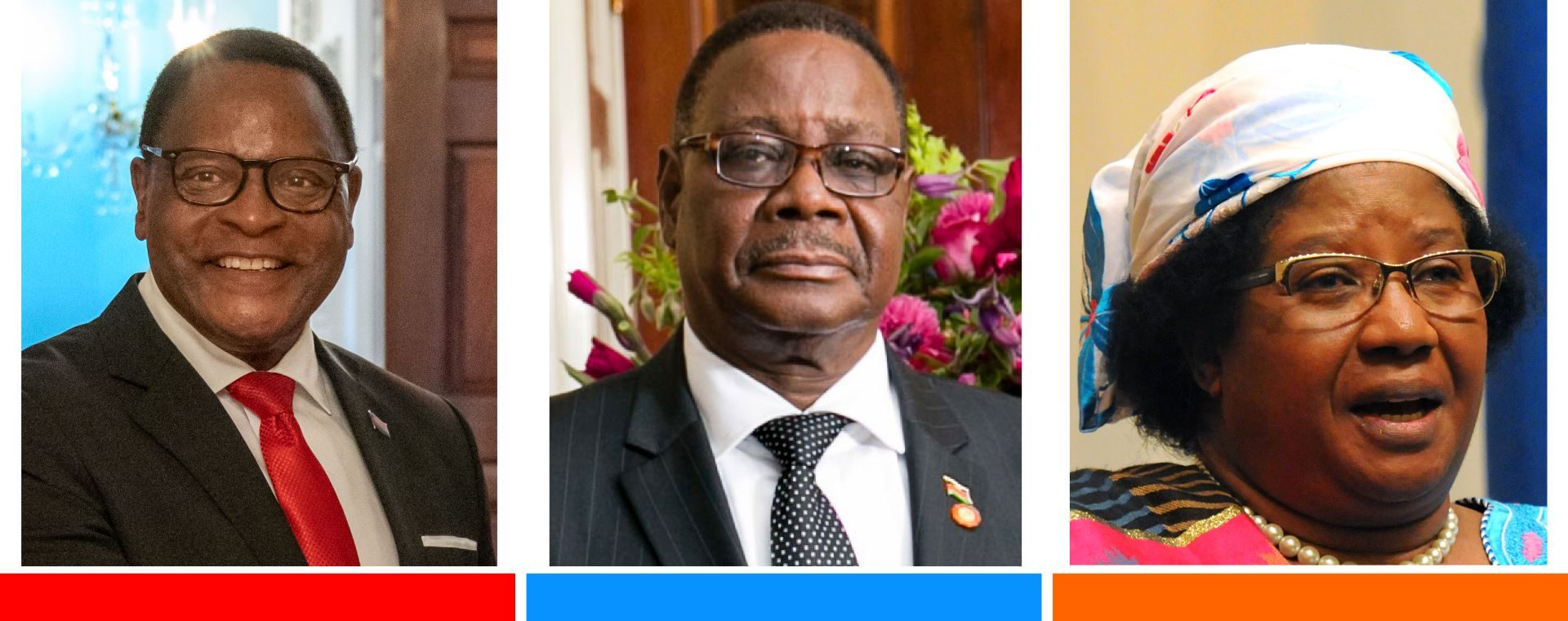
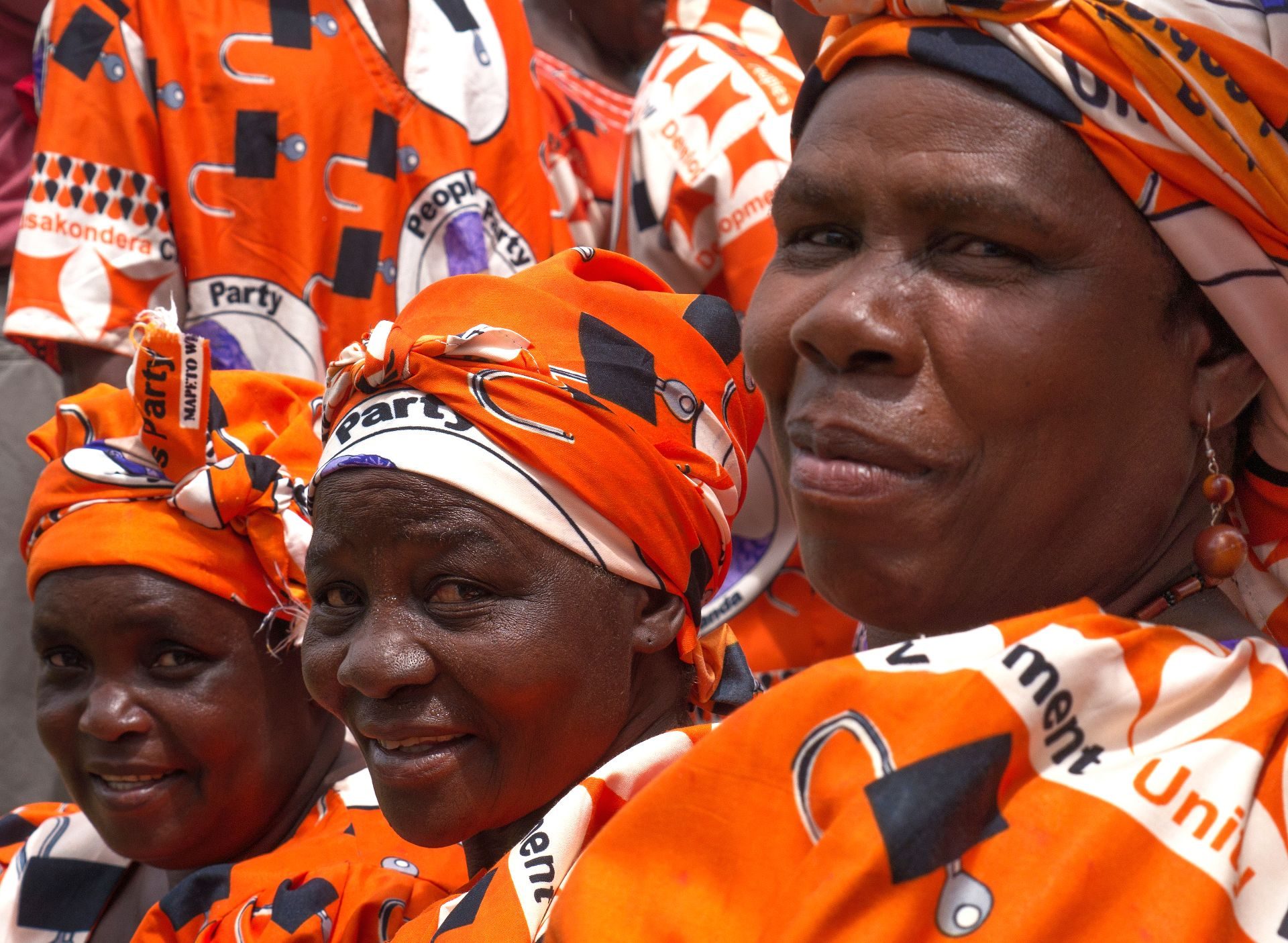
    The election calendar for Southern Africa in 2025 is smaller, with only the Seychelles, Malawi and Tanzania holding elections. The first of these countries to hold elections will be Malawi, on 16 September. Despite gaining independence in 1966 Malawi, due to Hastings Banda’s almost three decades in power, has only had six presidents in its history. Interestingly, in 2025, half of those presidents will be competing as candidates to once again lead the country. The first is incumbent president Lazarus Chakwera, who is running as the Malawi Congress Party’s (MCP) candidate. Chakwera came to power in 2020 following the contested elections of 2019, when the Constitutional Court of Malawi annulled the results, upholding accusations that the elections had not been free and fair. Chakwera and the MCP formed the Tonse Alliance with nine other parties prior to the fresh elections, ultimately unseating incumbent president Peter Mutharika.

    Peter Mutharika, who was initially declared president in 2019 before the court challenges took place, will again be running for president in 2025. Mutharika is the presidential candidate of the Democratic Progressive Party (DPP). The second former president to declare their candidacy in the 2025 elections is Joyce Banda, from the People’s Party (PP), a party she formed as a breakaway from the DPP. Other declared candidates include Dalitso Kabambe, the former governor of the Reserve Bank, representing the United Transformation Movement (UTM), which is the party of former vice president Saulos Chilima, and a founding partner of the Tonse Alliance. Current vice president Michael Usi has broken away from the UTM to form the Odya Zake Alibe Mlandu party, under which he is contesting the presidency. The United Democratic Front (UDF) has also nominated Atupele Muluzi, the former running mate of Peter Mutharika, as its presidential candidate.

    Since the disputed 2019 elections, Malawi has taken steps to consolidate its democracy, and implemented reforms to prevent similar disputes in the future. Although the constitutional court found the 2019 elections to be neither free nor fair, it was encouraging for Malawi’s democracy that the courts served as the vehicle to resolve the dispute. While then-president Mutharika rejected the court ruling, and nationwide protests ensued, requiring judges to be escorted by armed security to the court, the dispute neither plunged Malawi into a sustained period of unrest nor undermined its democratic foundations. However, it remains to be seen if the challenges of 2019 significantly shook the population’s trust in Malawi’s democratic institutions, with voter turnout in the upcoming elections being a key indicator of any voter apathy that might exist.

    There are further challenges facing Malawi in the 2025 elections. One of these challenges focuses on the perceived lack of credibility of the Malawi Electoral Commission (MEC), which was at the centre of the 2019 court case. There are concerns from both opposition parties and civil society about the independence of the MEC and the apparent political affiliations of those in top leadership positions. Protests have been held, calling for the resignation of Judge Annabel Mtalimanja and Andrew Mpesi from the MEC, with protesters alleging that they received bribes from the MCP and that the electronic voting lacks transparency. In June, a protest against the MEC was disrupted, when men carrying machetes attacked and injured protesters, also damaging property. Those at the protest alleged that the police and security personnel watched as attacks on protesters took place. This incident drew criticism from foreign diplomats and calls from Human Rights Watch for a proper investigation.

    One of these challenges focuses on the perceived lack of credibility of the MEC, which was at the centre of the 2019 court case. There are concerns from both opposition parties and civil society about the independence of the MEC and the apparent political affiliations of those in top leadership positions

    In addition, the DPP has accused the MCP of state-sponsored violence, intimidation and manipulation of the electoral processes, something the MCP and police have denied. Youth groups aligned with the MCP have been accused of being behind the violence experienced in the run up to the elections. Civil society organisations have called on the youth not to allow themselves to be used for political violence, but weak law enforcement and a lack of prosecutions of those involved in violence are noted as concerns to being able to bring an end to the violence. This violence points to heightened tensions in Malawi ahead of the elections, further raising fears that the election results may once again be disputed.

    The DPP has accused the MCP of state-sponsored violence, intimidation and manipulation of the electoral processes, something the MCP and police have denied. Youth groups aligned with the MCP have been accused of being behind the violence experienced in the run up to the elections.

    From a regional perspective, both the Common Market for Eastern and Southern Africa (COMESA) and the Southern African Development Community (SADC) are expected to deploy election observation missions. However, SADC may be faced with a challenge of not being able to deploy its election mission in the same manner as previous missions. In the past, SADC has been partial to deploying the Panel of Elders to monitor and resolve election disputes as part of its Mediation and Conflict Prevention and Preventative Diplomacy structure. However, in the case of Malawi, this may not be possible, as one of the members of the Panel, Joyce Banda, is running for president in Malawi. While SADC has other mechanisms at its disposal to monitor and observe elections, and it is not required to use the Panel in this manner, the case of Malawi has nonetheless presented SADC with a novel situation, what does it do when one of its appointed officials, in this case a member of the Panel of Elders, runs for office?

    While Malawi is known for its relative political stability in Africa, the country nonetheless faces challenges due to a lack of job opportunities, poverty, and an economy in need of transformation, all whilst being exposed to the challenges of climate change. However, Malawi has shown in the past that its democracy and democratic institutions are robust and electoral challenges can be solved through court processes rather than unrest. This election presents an opportunity for Malawi to further entrench its commitment to democracy and remain a stable state in Southern Africa.

    Katharine Bebington is a Researcher at ACCORD.

  • Remembering Professor Jannie Malan

    Remembering Professor Jannie Malan

    Professor Jannie Malan joined ACCORD in 1993, just a year after we opened our doors. It was Professor Jakes Gerwel, our first Chairperson, who recommended him. “He’ll be an asset,” Professor Gerwel had said. That turned out to be an understatement. Professor Malan didn’t just contribute to ACCORD, he helped define it.

    Writing these words is as difficult as it is necessary. Difficult, because it is hard to encapsulate the breadth of a life so meaningfully lived. Necessary, because Professor Malan’s legacy deserves to be shared, not just with those of us who had the privilege to work alongside him, but with all who believe in the power of peace and knowledge to change the world.

    From the start Professor Malan was never just another academic. Certainly, he was brilliant and his intellectual contributions are widely recognised, especially his pioneering work on traditional African conflict resolution. But what truly set him apart was the way he carried that brilliance: with humility, gentleness, and a deep sense of purpose. He was the rarest of scholars, one who combined rigorous academic discipline with a profound belief in human dignity.

    At ACCORD he quickly became one of our ‘chief scientists.’ He helped anchor our mission in academic integrity, offering structure and substance to our ideas. But more than that, he offered wisdom. In meetings he would often be the quietest voice—until he spoke, and everyone leaned in. He didn’t speak to impress. He spoke to illuminate. His insights were always thoughtful, grounded in evidence, and guided by a deep moral compass.

    Professor Malan’s belief in Africa was unshakeable. He recognised that Africa’s future would be shaped not just by innovation, but also by a deep engagement with its past. His work on indigenous conflict resolution systems remains one of the most respected contributions to the field. Through it, he reminded us that Africa already possesses many of the tools it needs to build peace, tools that are rooted in communal values, restorative justice, and lived experience.

    Professor Malan’s belief in Africa was unshakeable. He recognised that Africa’s future would be shaped not just by innovation, but also by a deep engagement with its past. His work on indigenous conflict resolution systems remains one of the most respected contributions.

    One of his most enduring legacies is ACCORD’s African Journal on Conflict Resolution (AJCR), which he stewarded from its inception. It was the first academic journal of its kind on the Continent and quickly established itself as a respected voice, both in Africa and internationally. Under Professor Malan’s editorship, the AJCR became a benchmark of quality. His standards were high, but his mentorship was generous. He inspired those around him to give their best, not for personal acclaim, but in pursuit of a greater mission.

    Yet, what many of us will remember most is not his academic output, but his presence. Professor Malan was, in every sense, “Oom Jannie”—a beloved elder whose warmth and sense of humour lit up any room. At staff retreats, even into his seventies and eighties, he would join in all the activities—from games to discussions—often outpacing much younger colleagues. He participated fully in everything he did, always with discipline, quiet joy, and a wry competitiveness that kept us all on our toes!

    His door was always open. His feedback, always constructive. He had a particular gift for seeing potential in people, especially in young people. Many of today’s leading peacebuilders across Africa owe much of their growth to his patient mentorship and quiet encouragement.

    In 2022, during ACCORD’s 30th  anniversary celebration, Professor Malan was there with us. It was a moment of pride for all of us, but especially for him. After all, he was there at the beginning. He helped shape our journey every step of the way. That evening I watched as young staff members approached him, some wide-eyed, others awestruck. He was a living legend. And still, he remained the same Jannie: humble, kind, gracious.

    Today, we honour a man of deep faith, of profound conviction, and of unwavering service. He believed that peace is more than the absence of conflict; it is the presence of justice, compassion, and understanding. And he gave his life to building that peace—not in the spotlight, but in the quiet, persistent way that true leaders do.

    We honour a man of deep faith, of profound conviction, and of unwavering service. He believed that peace is more than the absence of conflict; it is the presence of justice, compassion, and understanding.

    Professor Malan was a mentor, a scholar, and a friend. We will miss his wisdom. We will miss his steady, reassuring presence. But we will carry his legacy forward—in our work, in our values, and in our ongoing belief that peace is possible.

    Go well, dear Jannie. Thank you for everything. The world is better because you were in it.

  • Leveraging Military Capabilities for the Promotion of Gender in Contemporary African Peace Operations

    Leveraging Military Capabilities for the Promotion of Gender in Contemporary African Peace Operations

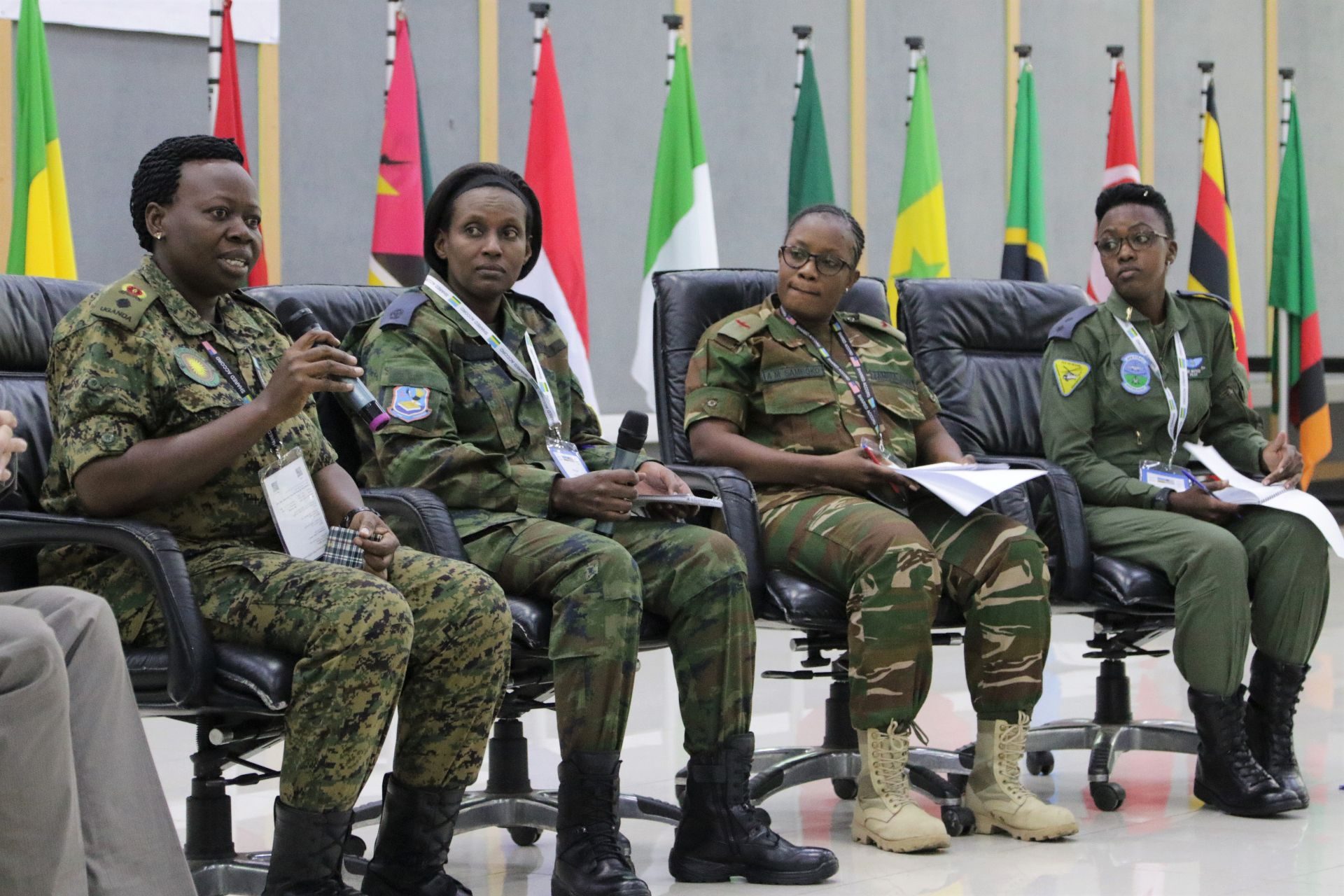
    Military actors are often the most present and operationally capable elements in peace operations. Leveraging their presence, assets, and influence—through training, gender integration, and structural reforms—can significantly enhance the impact of the WPS agenda,, provided it is approached with deliberate planning and inclusive frameworks.

    Africa faces peculiar challenges: an increase in asymmetrical warfare including terrorism, counter-terrorism, and insurgencies operating along traditional forms of warfare. This has necessitated highly militarised responses, at least in the short term, to create conducive conditions for political engagement. However, sustainable solutions require more than just military interventions alone, as the evolving nature of contemporary armed violence continues to shape and shift the options available for effective responses.

    These shifts have implications, particularly for the funding of other equally important initiatives, such as the implementation of the women, peace and security agenda. The high costs of responding to armed violence and the near-sole focus on degrading the enemy create opportunity costs, which undoubtedly affect the effective implementation of the WPS agenda. Yet, it is in the midst of such high levels of violence and uncertainty that commitment to the gender agenda becomes even more paramount.

    The effective implementation of the Women, Peace and Security (WPS) agenda in African peace operations requires strategic pragmatism.

    Contemporary geopolitical dynamics, the retreat of multilateralism, and reprioritisation of funding to address security challenges in Europe and the Middle East have led to dwindling resources for peace operations in Africa. In an ideal world, it would almost be sacrilegious to suggest leveraging military spending for the promotion of the WPS agenda. Even under the current situation, pushback on such an idea is to be expected from several feminists. However, the world is far from what may be considered ideal and pragmatic efforts must be made to ensure the continued implementation of the WPS agenda even in the face of high-intensity operations. Leveraging military resources for the implementation of the WPS agenda may be worthwhile.

    The militarisation dilemma

    Despite the absence of direct causality, one of the major obstacles to the implementation of the WPS agenda in peace operations is the high and rising military expenditure. The threats to which contemporary peace operations must respond require robust, agile, and precision capabilities, which are quite expensive. While these capabilities are essential for the protection of all persons within a mission area, they also create opportunity costs, including reduced investments in non-military interventions, including for the implementation of the WPS agenda.

    The militarisation of peace support operations creates a paradox: while the focus on military approaches and investment in kinetic capabilities reduces investment in non-kinetic approaches and the implementation of the WPS agenda, in peace enforcement actions or operations where the presence of civilian peacekeepers may be limited, the military will have to be responsible for the implementation of the WPS agenda.

    Leveraging Military Approaches to Enhance the Implementation of the WPS Agenda in Africa

    In many instances, given the degree of armed violence and the blatant disregard for the rules of armed conflict, non-uniformed personnel are unable to efficiently deliver on their mandate without the support of uniformed personnel. Military assets are strategic enablers, critical to the implementation of the WPS agenda. For instance, protection through presence and a robust posture has been instrumental in creating an enabling environment for women and girls, and in minimising gender and sexual-based violence in several theatres of operation including in Darfur under UNAMID and MINUSMA in Mali.

    Although states have committed to the promotion of women’s full, equal, and meaningful participation in peace and security processes, the number of personnel dedicated to the implementation of the women, peace and security agenda remains significantly small. Comparatively, the military tends to have a higher presence and geographical reach in operational theatres. They are therefore the eyes and ears of the mission on the ground and can assist with the collection of valuable information for the effective implementation of the women, peace and security agenda; such as the collection of gender-related intelligence, which is critical to gender-sensitive conflict analysis and the identification of gender-specific threats for the co-creation of preventive and response interventions with at-risk populations.

    Care must, however, be taken not to essentialise the military. Gender parity among uniformed personnel is necessary. The ability to leverage the military to effectively support the implementation of the WPS agenda depends on ensuring that the four pillars of the WPS agenda are fully integrated into military approaches. For instance, attaining gender parity in deployments is important. Gender-aware female personnel will be better able to deal with sensitive gender-specific issues of abuse and violations. But beyond numbers, there is a need for knowledge, understanding and relevant skill sets. For the military to effectively support the implementation of the WPS agenda, especially in high-intensity operations, all or at least most deployed troops must be trained to recognise that gender is a critical military capability. Women’s full, equal, and meaningful participation should be viewed not only as a matter of rights but also as a strategic asset that can be leveraged to enhance the effectiveness of peace operations and enforcement actions.

    Militarised approaches can support women and the gender agenda when there is a critical mass of multi-level actors who clearly understand and value women’s full and equal participation as integral to operational effectiveness. With such understanding, it is easier to systematically integrate gender perspectives into all levels of operations, from the interpretation of the mandate through the concept of operations to field deployments. For instance, when commanders at all levels have a good understanding of gender perspectives, including gender culture and ways to mainstream gender, they are better placed to interpret the strategic intent of the mandate and design and implement a gender-responsive concept of operations at various levels.

    Military gender experts can help develop gender-inclusive mission and operational strategies that include integrating gender indicators in operational planning and resource allocation, early warning data collection, and the design of responses that address identified risks. When a critical mass of deployed troops is trained and understands gender perspectives, they are able to monitor, patrol, and posture in a manner that enhances proactive rather than reactive actions, thereby improving protection for at-risk populations. Even though there are concerns over militarised approaches, particularly in relation to humanitarian actors, military assets are critical not just for non-kinetic efforts but also for providing escorts of civilian personnel in volatile and high-risk areas for civilian peacekeepers, including gender experts.

    Finally, as peace support operations transition to peacekeeping missions, the deployment of gender-responsive military advisors could assist in promoting the implementation of the WPS agenda at the national level of the host country. Through gender-responsive advising, training, coaching, and mentoring, these advisors can help embed gender perspectives within national institutions, thereby strengthening inclusive and sustainable peacebuilding efforts.

    As peace support operations transition to peacekeeping missions, the deployment of gender-responsive military advisors could assist in promoting the implementation of the WPS agenda at the national level of the host country.

    Linda Darkwa is a Senior Research Fellow at the Legon Centre for International Affairs and Diplomacy, University of Ghana; and the coordinator of the Secretariat of the Training for Peace Programme.

  • Whose Exit Strategy? Why Regional Voices Matter in UN Transitions

    Whose Exit Strategy? Why Regional Voices Matter in UN Transitions

    Across the length and breadth of the Continent, countries such as Liberia, Côte d’Ivoire, South Sudan, Central African Republic, Mali have either played host to a peacekeeping, peacebuilding or a political mission to address complex and rapidly-evolving dire security situations. Over the last two decades, the UN Security Council has overseen the drawdown or closure of multiple peacekeeping operations across Africa, sometimes in fragile or volatile settings. Transitions from missions in Darfur, Sudan to Mali, and recent drawdowns in the Democratic Republic of the Congo and Western Sahara have raised pertinent questions about what follows once the UN peacekeepers leave. The structural obstacle with most UN transitions is the often sidelining of African regional organizations, such as the African Union (AU) and the Economic Community of West African States (ECOWAS), despite their crucial role in supporting regional stability. When their insights and capabilities are sidelined, transitions risk becoming strategic templates, detached from the realities on the ground, invariably undermining sustainable peacebuilding efforts.

    The UN’s peacekeeping missions are currently at critical crossroads facing mounting challenges due to dwindling political support, growing demands for structural reforms and intensified calls to wind down and transition from several of its missions.

    Why should this concern us?

    When working well, UN peace operations help to protect civilians, reduce violence, strengthen institutions, and create the political space conducive for dialogue and negotiation to thrive. However, when these missions end, whether designed (in the case of Liberia) or rushed (in the case of Mali), they leave behind complex political, security, humanitarian and environmental challenges. Regional actors such as the African Union and its subregional arrangements continue to play several roles such as facilitating dialogue and mediation, prompt support and response to conflicts, enforcing peace agreement and building capacities to complement the efforts of the United Nations. In most of such instances, these regional actors act as crucial first responders, creating conditions for broader international involvement. In most instances, regional organizations are framed as supporting actors, strategically situated in managing the peacekeeping exit, given their proximity to the conflict, their contextual knowledge and their overarching interest in maintaining order. Arguably, they often maintain stronger political relationships, enjoy greater legitimacy with local actors, and have more sustained engagement than the UN, which operates under fixed mandates.

    When working well, UN peace operations help to protect civilians, reduce violence, strengthen institutions, and create the political space conducive for dialogue and negotiation to thrive. However, when these missions end, they leave behind complex political, security, humanitarian and environmental challenges.

    Transitions go beyond administrative or technical exercises. They are inherently political and require inclusive engagement, careful negotiation, and sustained commitment. In April 2019, the UN Secretary-General issued a directive stressing the need for clear and unambiguous transition calendars to guide mission drawdowns and broader UN reconfiguration efforts.[1] The UN, following a period of institutional introspection had identified fundamental institutional and structural gaps in transitions. All too often, it seems that limited effort is directed towards inclusive and harmonized transition planning. While each regional and international actor contributed important resources and expertise to stabilization efforts, their actions frequently lacked alignment around a unified political framework or shared strategic vision. Interventions were too often piecemeal, focusing principally on managing immediate risks rather than fostering comprehensive, long-term solutions.

    Exclusion carries weighty implications for long-term outcomes

    First, ignoring regional actors from the core planning of transitions weakens the political legitimacy of the process. For example, during the drawdown of the UN Mission in Mali (MINUSMA), the insignificant participation of ECOWAS and the AU in crucial strategic decision-making planning created the impression that the process was externally imposed and disconnected from the region’s political realities. This development affected diplomatic efforts and truncated the capacity of regional organizations to effectively contribute to stabilization after the UN scaled down its presence. Moreover, the lack of meaningful engagement and coordination likely contributed to the strained relationship that subsequently developed between the Malian authorities and ECOWAS. The perception of external imposition and marginalization of regional actors not only weakened trust but also complicated collaborative efforts, undermining the potential for sustained peace and regional cooperation during a critical transition period.

    Second, maintaining momentum in peacebuilding becomes increasingly challenging. Ordinarily, it is expected that regional organizations, through their good political offices and mediation efforts, will continue their engagement after UN drawdowns. But when excluded from planning, these efforts risk being fragmented and uncoordinated, hampering alignment between post-UN peacebuilding and regional security frameworks. During the drawdown of the UN Operation in Côte d’Ivoire (UNOCI) between 2016 and 2017, ECOWAS and the AU were not fully integrated early into the transition process, thereby limiting their systematic inclusion in strategic planning towards a smooth continuity in post-UN peacebuilding. This disparity complicated efforts to consolidate security sector reforms and delayed harmonization of early warning systems

    Third, sidelining regional actors overlooks their steadily expanding capabilities and evolving mandates in Africa’s peace and security framework. Over the past twenty years, both the AU and ECOWAS have significantly strengthened their institutional capacity for early warning, mediation, electoral monitoring, and deployment of peace enforcement missions. However, despite this increased sophistication, UN transitions often treat these organizations as peripheral rather than central partners. In Mali, for instance, the abrupt UN withdrawal in 2023 took place with minimal coordination with either the AU or ECOWAS, even though these bodies have been deeply engaged on the ground. This lack of collaboration resulted in a fragmented transition process, gaps in political engagement and security monitoring, and ultimately weak continuity of support for Malian authorities. In contrast, the transition in Liberia, following the conclusion of UNMIL, offers a more positive example. The close, proactive involvement of ECOWAS in post-mission stabilization played a critical role in maintaining political engagement, ensuring electoral integrity, and helping to anchor peace despite ongoing fragility. These contrasting cases underscore a key lesson when regional organizations are considered full partners from the onset.

    What would an improved approach entail?

    Transition strategies must be developed jointly with regional organizations from the onset, not as afterthoughts. There should be shared analyses, agreed benchmarks for transition readiness, and coordinated political engagement. The 2017 AU-UN Framework for Enhanced Partnership provides a foundation for such collaboration but requires consistent operationalization in transition contexts. Additionally, resource sharing needs enhancement. UN missions command far greater financial and logistical resources than regional bodies. As UN presences shrink, funding and technical support should increase to strengthen regional capacities. Lastly, high-level coordination among UN and AU officials is needed, especially where transitions involve significant political risks. This requires sustained dialogue across New York, Addis Ababa, and regional capitals, not just efforts at the field level.

    As more UN missions conclude due to budget constraints, host government preferences, or shifting geopolitical priorities, effective transition planning becomes even more vital. Without embedding regional organizations centrally, there is a genuine risk that transitions will be perceived not as progress but as abandonment.

    Dr. Fiifi Edu-Afful is a Senior Researcher at UNIDIR’s Conventional Arms and Ammunition Programme, where he leads research on preventing armed conflict and armed violence.

    [1] UN Secretary-General, Secretary-General’s Planning Directive for the Development of Consistent and Coherent UN Transition Processes, In Line with Executive Committee Decision 2018/38, February 25, 2019 (internal document).

  • The Demarcation Board at a Crossroads: Three Decades of Democracy and the 2026 Elections

    The Demarcation Board at a Crossroads: Three Decades of Democracy and the 2026 Elections

    South Africa is preparing for its seventh local government elections. Local government remains the closest sphere to the people, directly shaping service delivery and community development. Yet, despite 30 years of democracy, many municipalities still face challenges due to the legacy of apartheid, such as constrained transformation, social injustice, and persistent inequality, all of which undermine the effectiveness and legitimacy of local governance.

    The Municipal Demarcation Board (MDB), born of the new democratic dispensation, was tasked with reconfiguring apartheid’s fragmented spatial planning to create municipal boundaries that promote equitable service delivery. As attention turns to the MDB’s current process of ward delimitation ahead of the 2026 elections, according to the MDB, they have “received thousands of applications for the re-determination of municipal wards. Thirteen cases have since been deferred and are currently subjected to further research and public engagement and this process will only be finalised in February next year.” Against this backdrop, it is crucial to view the Board’s role in the broader context of local government processes in South Africa. Given the ongoing political and governance challenges, complicated by historical injustices, as well as government’s failure to tackle systemic issues such as maladministration, and wasteful expenditure, efforts to ensure equity and integration continue to be hindered.

    Overview of key processes in the build-up to the local government elections

    Before local government elections can be held in South Africa, constitutionally mandated bodies, in preparation for the elections, must undertake several processes. The process begins with cabinet appointing an Inter–Ministerial Committee (IMC) tasked with the coordination of the 2026 local government elections. Next, the Minister of Co-operative Governance and Traditional Affairs (COGTA) publishes and gazettes the formula used to calculate the number of councillors per municipality. This formula is based on population size and municipal governance structure. This is followed by the provincial Members of the Executive Council (MECs) who then determine the number of councillors for all municipalities in their respective provinces.

    Once gazetted, the MDB establishes the number of wards, corresponding to the number of councillors determined by the respective provinces for all municipalities and proposes draft ward boundaries. The process of public consultation and stakeholder engagements are conducted to invite feedback and objections raised during consultations on the proposed draft wards.

    At all times the MDB strives to ensure that ward delimitations are a fair and equitable representation that reflects the population changes, such as increase or decrease in voter population

    According to CEO of the MDB, Manye Moraka, wards being roughly equal in size is the guiding principle:

    “A ward is split if it above the norm, so if for example in the previous elections, that ward had about 10,000 people and suddenly in five years it increases to 20,000. The norm says we can only increase a ward by 15 percent that which should have been 11,500 or decrease it to 8,500. but if it’s at 20 000 we are obligated to split it. So, I then explained to people or that’s what the officials explain to people that as they make presentations or submissions to those meetings. They must then indicate what the implications of the splitting are, is it going to be in contravention with the constitution, are we segregating people or disintegrating communities? Such considerations must then be included in the supporting documentation submitted to the board.”

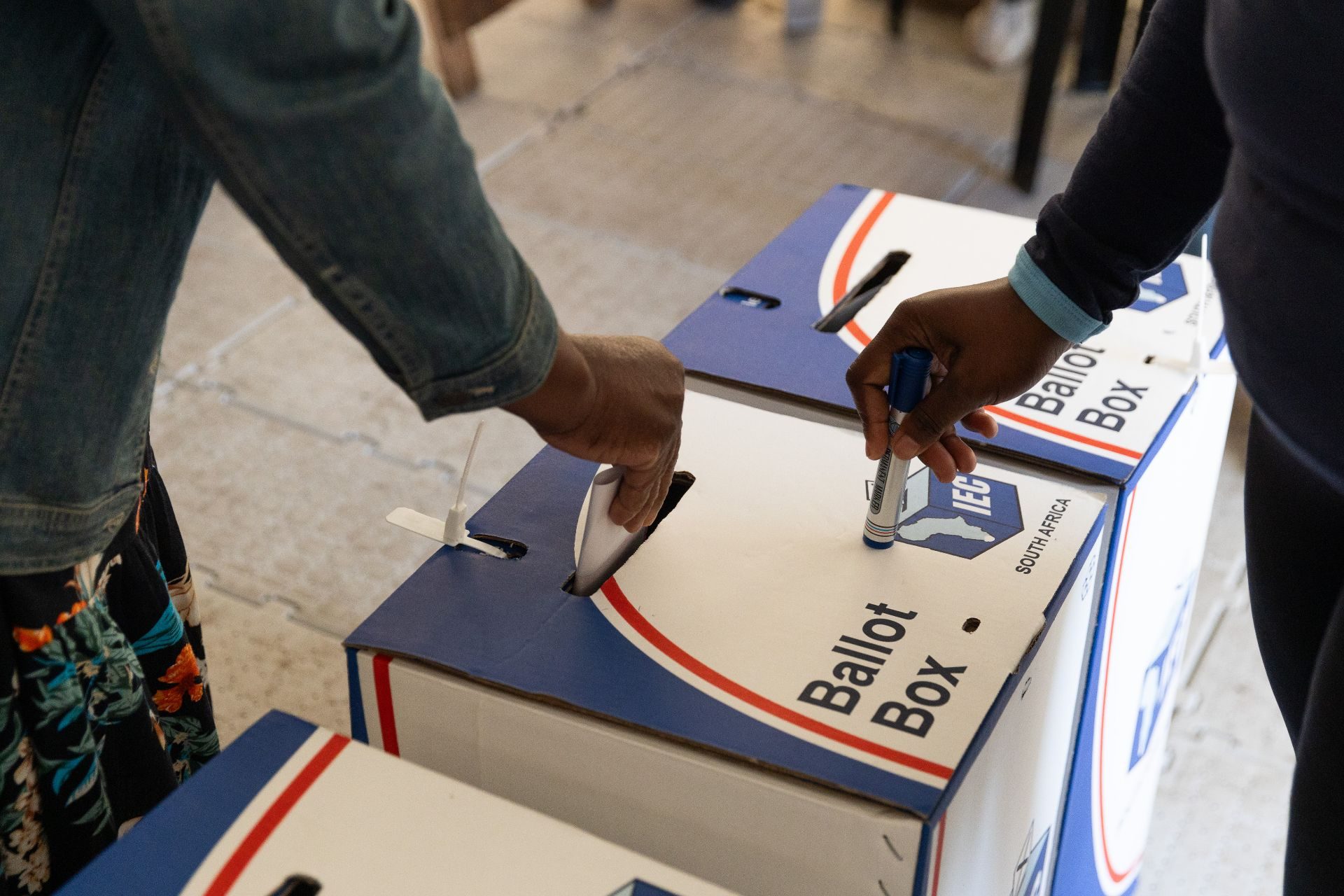
    At all times the MDB strives to ensure that ward delimitations are a fair and equitable representation that reflects the population changes, such as an increase or decrease in voter population. This is necessary in order to avoid unequal representation of wards and municipal boundaries. It also allows municipalities to plan properly, to ensure better planning of service delivery and that local government is responsive to changing demographics, economic opportunities and management of wards. Once all processes have been concluded, the new boundaries will be gazetted, and submitted to the Independent Electoral Commission (IEC) to facilitate the upcoming local government elections.

    Once all processes have been concluded, the new boundaries will be gazetted, and submitted to the IEC to facilitate the upcoming local government elections

    Local government’s deepening challenges

    Despite the institutional blueprints, such as the 1998 White Paper on Local Government post-1994, many municipalities are in a state of crisis brought about by financial mismanagement, and chronic maladministration, all driving the erosion of service delivery. The Auditor General’s consolidated general report on local government audit outcomes 2023/2024 creates a worrying picture: in her remarks, Ms. Tsakani Maluleke called for a need to “overhaul a local government characterised by insufficient accountability, failing service delivery, poor financial management and governance, weak institutional capability and widespread instability.” Only 41 of 257 municipalities received clean audits. The heavy reliance on consultants and lack of internal capacity reflect a persistent absence of professionalisation and weak accountability.

    Municipalities are also financially distressed and heavily reliant on national grants for survival. Many cannot collect sufficient revenue, crippled further by a widespread culture of non-payment for services and deteriorating infrastructure. The cumulative effect is visible in the frequent, intense service delivery protests across the country, a tangible sign of communities’ frustrations.

    Political instability compounds these challenges, with fragile coalition governments heightening uncertainty, especially within large metropolitan municipalities. In this highly contested backdrop, the MDB’s work, particularly ward delimitation and municipal boundary reform, becomes even more sensitive. The choices made will have significant consequences for service delivery, budget allocation, and electoral accountability. Community and political resistance is inevitable, as shown by the Mobeni Heights Civic Association’s opposition to proposed boundary changes, which they argue severs long standing social cohesion and was announced without adequate consultation by the MDB.

    Reinforcing this concern, the Portfolio Committee on COGTA stated in a press release that the consultation with affected communities in the proposed wards considered for delimitation in some communities across South Africa has been insufficient and questioned the effectiveness of the demarcation process. The committee also highlighted concerns about the “non-viability of certain amalgamated municipalities, which, despite political assumptions, have failed to deliver expected benefits such as improved revenue generation for their communities.” Many municipalities remain non-viable even after amalgamation. Notably, even the MDB’s own research paper indicated that amalgamating municipalities did not result in improved service delivery, with the amalgamated municipalities studied remaining financially distressed.

    The MDB and the 2026 Local Government Elections

    The MDB has already initiated the ward delimitation process, but it operates amid other reforms, including the critical review of the 1998 White Paper on Local Government. This moment provides an opportunity to assess whether the original vision of developmental local government remains viable, given the current political and governance challenges. Debates over the professionalisation of local government and its insulation from political interference are particularly important, against the backdrop of cadre deployment, which has crippled the sector.

    A notable legislative development is the 2022 Municipal Systems Amendment Act. It sought to prohibit all municipal employees from holding political office, a move challenged by the South African Municipal Workers’ Union (SAMWU) and ultimately limited by the Constitutional Court. The court ruled that only municipal managers and their direct subordinates may be restricted, restoring political rights for municipal workers and affirming the constitutional right under Section 19(1) for all citizens to make political choices and participate in party activities.

    Beyond de-politicisation and professionalisation, new questions arise:

    • Should the funding model be restructured to reward good governance and penalise persistent dysfunctionality?
    • How can spatial planning be more tightly aligned with infrastructure investment and economic development?
    • What is the MDB’s role in confronting new forms of exclusion, such as the emergence of informal settlements that challenge the principle of inclusive, integrated local government?

    These are critical questions for the MDB as it proceeds. Going forward, the work of the Board must be seen as transformational, not merely a bureaucratic or technical task, particularly as the 2026 elections approach. For its mandate to be genuinely transformative, the MDB requires:

    • Possession of requisite skills and professional capacity to build a competent and effective local government workforce.
    • A firm commitment from all stakeholders to ensure meaningful public participation.
    • Strong intergovernmental collaboration, particularly through the District Development Model (DDM), to align spatial planning with developmental goals.

    The MDB’s work will decisively shape the electoral and spatial landscape of future municipalities. Its efforts must be underpinned by political will, genuine institutional reform, and meaningful civic engagement to secure a just, developmental local government that truly serves the people.

    Boikanyo Nkwatle is a programme officer at ACCORD.

  • Conflict & Resilience Monitor – 31 July 2025

    Conflict & Resilience Monitor – 31 July 2025

    Our July edition of the Monitor pays tribute to the founding Editor of ACCORD’s African Journal on Conflict Resolution (AJCR), Prof. Jannie Malan, who passed away this month. The Founder and Executive Director, Dr Gounden, reflects on the immense contribution made by Prof. Malan at ACCORD and in the field of peace studies.

    Dr Linda Darkwa’s articles offers insights on strategies to advance gender equality, and makes a case for why the militarisation of peace operations can be viewed as an opportunity to advance gender equality.

    Dr Fiifi Edu-Afful, writes about the withdrawal of United Nations’ (UN) peacekeeping missions, particularly in Africa, which have raised pertinent questions about what follows once the UN has exited. He makes a case for a need to end the side-lining of African regional organisations/mechanisms in regional stability after departure of UN operations.

    The last article in this edition is written by Boikanyo Nkwatle and deals with one of the important aspects in South Africa’s election cycle, which is the demarcation of ward boundaries ahead of the local government elections in 2026. In addition to reflecting about the state of local government politics in South Africa, the article also provides an overview of processes and outcomes of some of the ward delineations that are currently underway in the country.