Years: 2025

  • Africa at a Turing Point: Navigating Peril and Seizing Opportunity in a Changing Global Order

    Africa at a Turing Point: Navigating Peril and Seizing Opportunity in a Changing Global Order

    In July 1990, nearly thirty-five years ago, Salim Ahmed Salim, then Secretary-General of the Organisation of African Unity (OAU), presented a landmark report to the 52nd Ordinary Session of the OAU Council of Ministers entitled ‘The Fundamental Changes Taking Place in the World and Their Consequences for Africa—Proposals for an African Position.’

    The idea for this seminal document was born in the early days of Salim’s tenure at the organisation’s helm. Drawing on his extensive diplomatic experience, Salim was struck by the weakening commitment of member states to the OAU’s founding ideals. With the liberation struggle largely over and apartheid beginning to collapse, the OAU—long defined by its role in ending foreign domination and minority rule—now found itself in search of a new raison d’être.

    And yet, the challenges had not disappeared—they had simply evolved. While some conflicts were coming to an end, others persisted or erupted. Economic development and continental integration remained more aspirational than real. The human rights situation was no less troubling. Democracy, though gaining ground in parts of the continent, was still fragile, its future uncertain.

    Africa urgently needed to reposition itself as the world underwent seismic shifts—the Cold War’s end, democratisation in Eastern Europe, and accelerating regional integration in Europe and the Americas. These changes demanded adaptation and offered opportunities Africa could not afford to miss, or risk being side-lined in the emerging global order.

    Salim did more than offer a candid diagnosis of the continent’s predicament—he also advanced concrete proposals, which were endorsed by the OAU Summit in the July 1990 Declaration on the Political and Socio-Economic Situation in Africa and the Fundamental Changes Taking Place in the World. The Declaration became a catalyst for a broad spectrum of decisions and initiatives across the organisation’s areas of work. Many of the African Union’s (AU) subsequent achievements can be traced directly to the foundations laid by these landmark documents.

    If action was urgent in 1990 post-Cold War optimism, it is even more so today—driven not by hope, but by uncertainty

    There is a striking parallel between that period and the one we are living through today: the magnitude of the upheavals. The multilateral system conceived in the aftermath of the Second World War is arguably undergoing the most profound crisis in its history. National self-interest is resurgent, reflected in the rise of anti-migrant sentiment and a sharp decline in development assistance. International law—never fully insulated from the realities of power politics—continues to suffer serious violations.

    This new global context is fraught with dangers for Africa. As the most vulnerable continent on the international stage, Africa is bearing the full brunt of the reduction in official development assistance. Geopolitical and other tensions are fuelling renewed quests for influence and a growing internationalisation of the crises that afflict the continent. The erosion of the multilateral system risks further marginalising African countries, exposing them to bilateral power dynamics in which their structural vulnerabilities leave them at a severe disadvantage.

    Nonetheless, this crisis may also present an opportunity. As damaging as the decline in international aid may be in the short and medium term, it could serve as a salutary shock – a stark reminder of the urgent need for the continent to reduce its dependency. The ongoing reconfiguration of the global order can—and must—be harnessed as an opportunity, and only by capitalising on its unity will Africa be able to contribute meaningfully to shaping the architecture of the emerging world order.

    If the imperative to act was already pressing in 1990—an era of post-Cold War optimism and renewed multilateralism—it is even more urgent today, not driven by hope but by the necessity of navigating a period of profound instability and uncertainty.

    The good news is that Africa now possesses assets it lacked in the early 1990s. Then, the priority was to build the political, normative, and institutional foundations for collective action. That work is largely done. Today, across all strategic domains—peace and security, governance, human rights and development—Africa has robust frameworks. Agenda 2063 unifies them within a shared long-term vision, reinforced by dedicated institutions.

    Today, across all strategic domains—peace and security, governance, human rights and development—Africa has robust frameworks. Agenda 2063 unifies them within a shared long-term vision, reinforced by dedicated institutions

    Africas urgency today lies not in new commitments, but in delivering on those already made

    Yet this impressive normative and institutional arsenal still struggles to deliver the expected results. Africa’s economic transformation remains a distant prospect. Exports are still dominated by raw materials, and intra-African trade hovers around 15%. Nearly 67% of the world’s extreme poor live in sub-Saharan Africa. Infrastructure gaps persist, visa restrictions hinder mobility, democratic processes are under strain, and armed conflicts and displacement affect every region.

    This gap between Africa’s normative and political ambitions and the realities on the ground is, above all, the result of limited implementation capacity. Africa does not lack tools. What is needed now is a paradigm shift: placing the execution of existing commitments at the core of the continental agenda.

    In this light, Salim Ahmed Salim’s 1990 intuition remains deeply relevant. The new AU Commission stands at a pivotal moment, with a unique opportunity to lead through a bold, forward-looking initiative: producing a foundational report—echoing the spirit of the 1990 landmark, but with greater ambition and broader mobilisation to match today’s scale and urgency.

    Such a report should provide an unflinching assessment of the continent’s current state and put forward responses centred on one core priority: the effective implementation of commitments already made. It should also reaffirm a fundamental truth: Without unity, Africa will remain easy prey in a world that has never spared the weak—and does so even less today.

    Once completed, the new report should be discussed at an extraordinary AU summit in Addis Ababa, bringing together all member states at the highest level. Of course, no report alone can resolve the continent’s many challenges. In the end, it is just a document. But if well crafted—if it captures imaginations, is grounded in truth, and followed by real commitments—it can serve as a powerful driver of change.

    In this effort toward renewal, the AU must occupy a central place. As the continent’s legitimate institutional framework for unity, the AU is best positioned to articulate Africa’s collective voice and ambitions. In this regard, a troubling trend must be reversed: summits held with external partners often attract more heads of state and government than the AU’s own meetings.

    As the continent’s legitimate institutional framework for unity, the AU is best positioned to articulate Africa’s collective voice and ambitions

    In May 1963, during the debate in Addis Ababa between those favouring a gradual approach to African unity and those advocating immediate political integration, Kwame Nkrumah may have erred by being ahead of his time. Yet history has since validated the essence of his vision: the limitations of the approach adopted at the founding of the OAU are now evident, and the consequences of deferred integration and unity continue to adversely shape the continent’s trajectory. It is now incumbent upon Africa’s current leaders to do justice to that early intuition, however belatedly.

    Ambassador Said Djinnit served as Chief of Staff to Salim Ahmed Salim (1989–1999), later becoming OAU Assistant Secretary-General for Political Affairs and AU Commissioner for Peace and Security. He was also UN Special Representative in West Africa and later Special Envoy for the Great Lakes (2008–2019).

    Dr. Ibrahim Assane Mayaki of Niger was CEO of AUDA-NEPAD (2009–2022), and previously served as Prime Minister and Minister of Foreign Affairs (1997–2000).

    El-Ghassim Wane held senior AU roles, including Director of Peace and Security and Chief of Staff. He also served as UN Assistant Secretary-General for Peacekeeping and Special Representative in Mali.

    This article is an extraction from a Policy and Practice Brief published by ACCORD, titled This is a 1990 Moment – Africa Must Seize It and can be accessed here.
  • Tackling West Africa’s VE Crises in a Political and Security Vacuum

    Tackling West Africa’s VE Crises in a Political and Security Vacuum

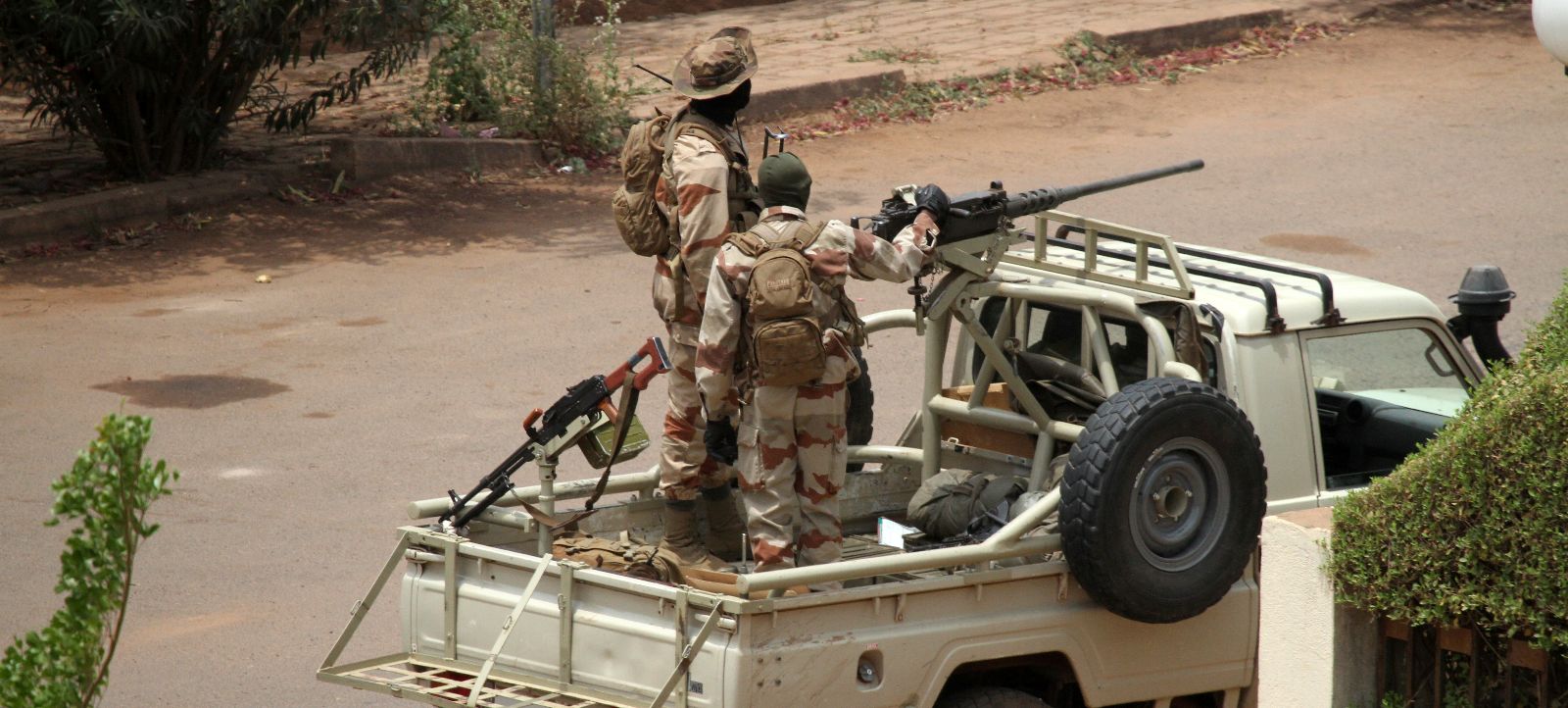
    The Economic Community of West African States (ECOWAS), 50 years after its establishment and its early prominence as a norm entrepreneur, is now facing a crisis. Its frameworks, which once to sought to deepen integration and influence state behaviour are now in tatters, unable to elicit member states’ compliance and resulting in significant security challenges since 2020. Its inability to provide effective leadership in addressing violent extremism in the Sahel has directly contributed to the coups d’etat in Burkina Faso, Mali and Niger—events which have, in turn, been used to justify unconstitutional changes of government.

    True to form, ECOWAS, responded to these unconstitutional changes without first undertaking a careful analysis of their underlying causes. Instead it sought to enforce compliance with its norms through sanctions and pressure on the recalcitrant member states. Paradoxically, while criticising these states and threatening them with expulsion, ECOWAS overlooked the potential of ad hoc cooperative security initiatives involving these same states to address extremist threats in the Sahel and the coastal regions. Fifty years after ECOWAS’s establishment in 1975, its integration processes are at risk of unravelling. This blog explores how ECOWAS’s failure to provide credible security guarantees and uphold institutional integrity has, in fact, contributed to increasing insecurity across the region.

    The Challenge of Insecurity

    Insecurity, exclusionary politics and corruption have been used as justificatory arguments, especially in the Sahel, as justifications for regime change. This region of strategic economic, political and security importance, provides several insights into the challenges faced by ECOWAS.

    First, extremist jihadist actors in the region have demonstrated a remarkable capacity to withstand bilateral and multilateral interventions. Second, the discovery of oil and gas reserves, gold, uranium and deep aquifers in Chad, Mali, Mauritania, Niger, and Senegal, have turned the region into a hotbed of geostrategic and political competition.

    ECOWAS’s failure to respond to different forms of unconstitutional changes of government in the subregion and its subsequent attempts to act differently in Niger are both instructive and symptomatic of the institutional inertia and bureaucratic-technical missteps that undermine the organisation’s credibility. This decision, however, was overtaken by events in Burkina Faso, Mali and Niger. In late 2023, these states formed an Alliance of Sahelian States (AES) and in January 2024 served notice to ECOWAS of their intention to exit from ECOWAS in what has become an ECOWEXIT.

    ECOWAS’s failure to respond to different forms of unconstitutional changes of government in the subregion and its subsequent attempts to act differently in Niger are both instructive and symptomatic of the institutional inertia and bureaucratic-technical missteps that undermine the organisation’s credibility

    ECOWAS at a Crossroads.

    With the suspension of Burkina Faso, Mali and Niger from ECOWAS and the establishment of the AES, the original ECOWAS cooperative security framework has ended, and as a result, the Accra Initiative (AI) has also been undermined by mistrust, misunderstanding and suspicion resulting in the formal withdrawal of the AES states. ECOWAS’s misreading of the developments in the Sahel led the Chairperson of the ECOWAS Heads of States Summit, Bola Tinubu of Nigeria, to describe this alliance as a ‘phantom attempt.’

    An Emerging Eecurity Reconfiguration? Togo, AES and ‘new’ Security Arrangements?

    However, with the formal withdrawal of the AES states, ECOWAS has ceased to exist. It has failed as a norm entrepreneur. Uncertainty about the future of the AI is underpinned by mistrust and what seems to be the emergence of even more security reconfigurations with AES states, Chad and Togo. This has resulted in other states joining the AES in conducting joint military exercises known as ‘Tarhanakale’ (which means the ‘love of the fatherland’ in the local Nigerien language Tamajek). In May 2024, the AES states, together with Chad and Togo undertook joint military exercises. Commencing on May 20, these joint forces have been training and undertaking joint operations at the Tillia training centre in western Niger near Mali. The official explanation was to make the AES armed forces: (a) more resilient; (b) operationally strong against all conceivable threats; (c) strengthen ties with local populations; (d) enhance the interoperability and collaboration among the military forces of the nations involved; (e) conduct tactical exercises to reinforce operational capabilities and resilience in response to the varying degrees of jihadist threats and to address broader regional security challenges. Finally, from the perspective of building and strengthening community resilience, Operation Tarhanakale sought to enhance interoperability, tactical manoeuvres, and offer health care to citizens.

    However, the role of Togo raises concerns about the efficacy, trust and operational bonds with the AI. A possible explanatory lens is provided by the Togolese President, who has in recent times stated clearly the need “… for a rethink of international and regional collaboration to better fight the terrorist challenge, particularly through a ‘new military cooperation organisation’ in West Africa.”

    Togo’s position with respect to ECOWAS, AI and the AES deserves some analysis and interpretation. First, Togo’s implicit stance is that ECOWAS has shifted significantly from its original mission and mandate, which was to promote regional economic integration and not to meddle in the domestic political affairs of its member states. According to one official, Togo is always ‘watching ECOWAS closely with one eye closed.’ Second, the sequence of utterances and statements prior to Togo’s participation in joint military exercises with the AES states and Chad is significant. Togo had already communicated its desire for a new security framework at the ECOWAS Heads of State and Government Summit in Abuja, Nigeria. Third, Togo’s close engagement with the AES states will strengthen and undermine the AI, making it even more difficult for ECOWAS to entice them to return to the fold. Fourth, Togo’s relationship with the AES is no longer driven solely by security concerns, but also by economic imperatives–particularly the strategic interest in increasing the transportation of transit goods through the Port Autonome de Lomé. Fifth, through its actions, Togo has become an ‘ex officio member of the AES.’

    Togo’s implicit stance is that ECOWAS has shifted significantly from its original mission and mandate, which was to promote regional economic integration and not to meddle in the domestic political affairs of its member states

    Conclusion

    West Africa’s current difficulties require creative ideas and leadership from ECOWAS and its proponents. So far, its responses to democratic reversals have been variously characterised as a ‘mistake’ and ‘…killing itself softly.’ The net effect of ECOWAS’s inactions have ‘…[brought] shame to an already divided [organisation].’ Whether or not ECOWAS has been permanently reduced to an ECO-WAS, the future of regional collaboration in West Africa still has the potential to become an important force for democracy and stability in the region simply by enforcing its own rules and values consistently.

    Prof Kwesi Aning is the Head of the Office for International Cooperation in the Office of the Commandant of the Kofi Annan International Peacekeeping Training Center in Ghana.

  • Beyond Bullets and Borders: How Livestock and Gum Arabic are Financing Sudan’s War

    Beyond Bullets and Borders: How Livestock and Gum Arabic are Financing Sudan’s War

    In most contemporary discussions on Sudan’s ongoing conflict, international commentary often revolves around diplomatic exclusions, ceasefire negotiations, or the devastating human toll of aerial bombardments and displacement. Much focus is placed on the adage that when the elephants fight, it is the ground below which suffers. What is less discussed, but equally crucial, is the economy of war that thrives in the shadows of Sudan’s ongoing conflict. From livestock herded across frontlines to gum Arabic smuggled into multinational supply chains, the war is being financed not just by gold, oil and foreign backing, but by products we unknowingly use in our everyday lives.

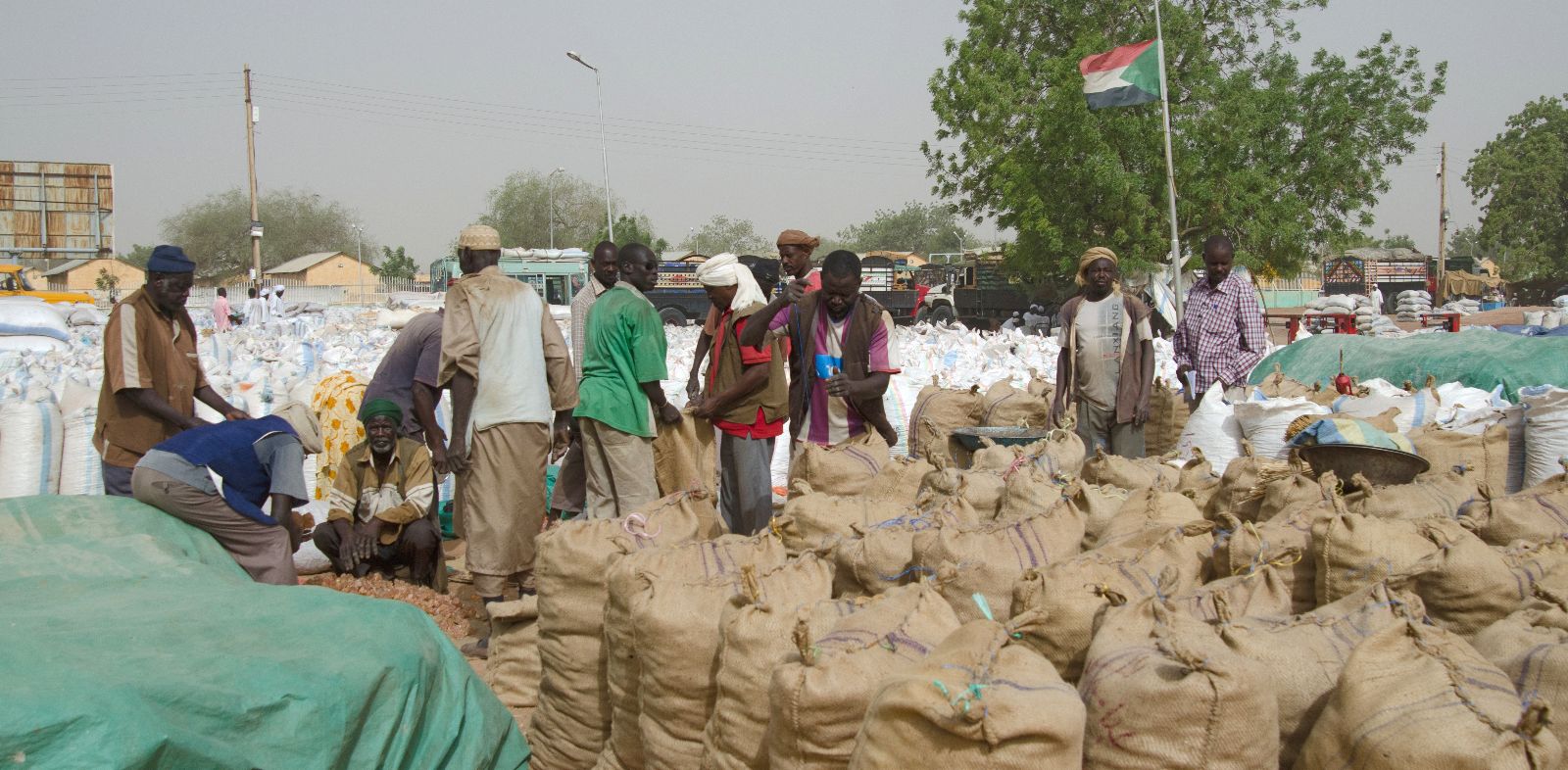
    While much focus has been placed on the illicit flow of headline commodities like gold or oil, Sudan’s lesser-known exports of livestock and gum Arabic are quietly fuelling the war economy. These goods, which are essential to both domestic livelihoods and global supply chains, are increasingly co-opted by armed actors, with revenue streams becoming central to the militarisation of trade routes and border communities.

    Sudan’s livestock trade is among the country’s most lucrative export sectors, particularly to Gulf countries like Saudi Arabia. Every day, thousands of cattle, sheep, and camels are exported, with the value of these goods estimated at over US $715 million in 2023 alone. However, behind these numbers lies a darker reality: the routes from Darfur and central Sudan to Port Sudan are now controlled or contested by both the Sudan Armed Forces (SAF) and the Rapid Support Forces (RSF). In the areas they control, such as the Sim El Jarad Market in El Fasher, the RSF, have imposed informal taxes, protection fees, and often seize livestock, turning the trade into a direct source of conflict financing. Former United Nations (UN) official Nicholas Stockton has argued that this economic dynamic entrenches militarised governance and rewards territorial conquest. This has deepened communal divisions in already volatile regions like Gezira, Blue Nile, and South Kordofan, where nomadic herders, militia groups, and civilians are caught between competing war economies. Stockton proposed that Gulf states impose targeted import bans on livestock from conflict zones, cutting off a major income stream for armed actors. Without such measures, the conflict will continue to be financed, in part, by meat products consumed far from the battlefield.

    Perhaps even more obscure, but no less important, is Sudan’s production of gum Arabic, a resin derived from the acacia trees of the Sahel and used globally in hundreds of products from Coca-Cola and M&M’s to L’Oréal cosmetics and pharmaceutical capsules. Sudan is responsible for up to 80% of the world’s supply, yet this vital export is now entangled in smuggling networks and conflict financing. As SAF and RSF forces battle for territorial control, regions like Darfur and Kordofan (rich in acacia groves) have become flashpoints of economic interest. Gum Arabic is extracted under the watchful eye of armed actors, transported via unofficial routes, and trafficked across borders without proper certification. While international companies claim to be sourcing ethically, the opacity of these trade routes makes oversight difficult, and conflict actors profit along the supply chain. The irony here is stark: products symbolising leisure and luxury in the minority world (global North) are now implicated in sustaining one of the world’s deadliest conflicts, which has precipitated the most dire humanitarian crisis in the world. Despite its benign appearance, gum Arabic is not a “neutral” product. It has become something of a geopolitical asset and, in the absence of regulation, a source of financing for the warring parties, fuelling the continuation of the conflict.    

    Gum Arabic is extracted under the watchful eye of armed actors, transported via unofficial routes, and trafficked across borders without proper certificatio

    Together, livestock and gum Arabic represent a broader category of informal and illicit flows that finance warfare while undermining the civilian economy. Unlike the highly publicised sanctioned gold or oil exports, these goods often bypass formal scrutiny, flowing through porous borders, informal taxation systems, and militia-controlled checkpoints.

    This war economy has several critical effects on Sudan’s political and social landscape. First, it empowers armed actors: by controlling key export routes and production zones, both the SAF and RSF consolidate their military influence while undermining civilian governance structures. Second, it severely undermines civil society, as pastoralists, farmers, and gum harvesters, who have traditionally sustained these sectors, are increasingly pushed to the margins or forced into dependency on armed groups for protection and economic access. Third, it implicates external actors in the conflict, with Gulf and Western markets continuing to import these goods without adequate regulation, transparency or restrictions, effectively becoming complicit in sustaining the violence. Finally, it distorts prospects for reconstruction; any post-war recovery effort that overlooks the central role of informal economies will fail to address the structural financial incentives that perpetuate this conflict.

    Echoes of empire: A neo-colonial economy in disguise

    Moreover, one could argue that what we are witnessing in Sudan is not simply the continuation of conflict through economic means, but the reinvention of extractive colonialism through the global marketplace. Just as European empires once grew rich off Africa’s land, labour, and natural resources – while subjecting its people to exploitation and marginalisation – so too do today’s global and regional powers benefit from Sudan’s suffering. Western multinationals profit from the largely uninterrupted flow of gum Arabic, gold and oil into the consumer goods industry, while Gulf states expand their agricultural and livestock imports from Sudan rarely pausing to consider the conflict, displacement, or death that underpins those trade routes.

    One could argue that what we are witnessing in Sudan is not simply the continuation of conflict through economic means, but the reinvention of extractive colonialism through the global marketplace

    This economic structure mirrors the logic of colonialism: value is extracted from Africa and sent abroad, while the people who produce it remain excluded from the benefits, and voiceless in decision-making. Sudanese gum harvesters and herders, much like the labourers of previous centuries, are caught in a web of external demand and internal coercion, working within systems that enrich others while offering little in return but conflict, violence and oppression. The ethics of trade are suspended at the border, as long as supply chains continue to function. Moreover, foreign powers continue to shape Sudan’s political fate to serve their own strategic or commercial agendas, with scant regard for Sudanese sovereignty or grassroots voices. In doing so, they reinforce the same dynamics of domination, exclusion, and economic dependence that defined the colonial encounter. The problem is not just neglect, it is structural complicity. Peace will remain elusive so long as Africa continues to be treated as a resource warehouse, rather than a continent of rights-bearing peoples entitled to shape their own futures.

    Shifting the peace paradigm

    If international actors are serious about supporting peace in Sudan, they must go beyond diplomatic conferences and humanitarian aid. They must also target the economic engines of war.

    This requires:

    • As suggested by Stockton, regulating Sudanese commodity supply chains in livestock and gum Arabic, including embargoes or conditional trade agreements that penalise sourcing from conflict zones.
    • Empowering Sudanese pastoralist unions, agricultural cooperatives, and civil society groups to take the lead in shaping sustainable, transparent export practices.
    • Introducing ethical certification mechanisms for Sudanese gum Arabic and livestock, akin to the Kimberley Process Certification Scheme.

    Sudan’s war is not only waged with bullets but, like many conflicts through history, is also sustained by markets and the exploitation of resource extraction in conflict affected areas. The international community cannot claim neutrality while buying from the very hands that finance destruction. Nor can diplomacy restore Sudan’s future without addressing the economic roots of its violent present. The call remains the same as before: Sudanese voices must lead the path to peace. However, this time, we must also listen to the voices of those whose livelihoods are being weaponised, and who may hold the key to dismantling the war economy from the ground up.

    Keenan Govender is an Independent Researcher focusing on leadership, governance, peace and security, and a former Programme Officer in the Research Unit at ACCORD.

  • Traorism Fever and the Crisis of Democratic Governance in Africa

    Traorism Fever and the Crisis of Democratic Governance in Africa

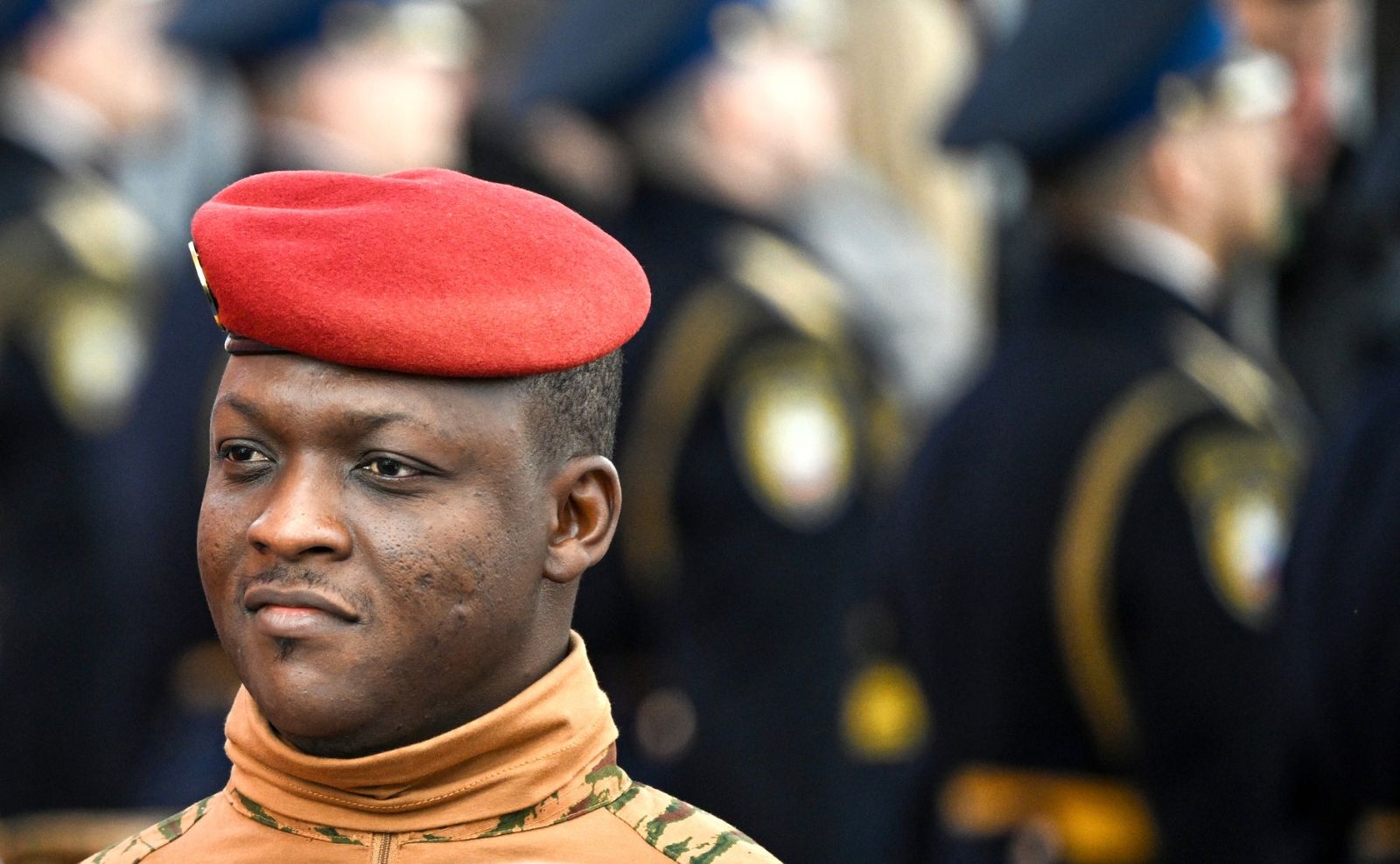
    Across Africa, a new political wave is capturing public and media attention, the rise of what can be termed Traorism Fever. Named after Captain Ibrahim Traoré, the military leader of Burkina Faso who seized power in 2022 through a coup d’état, this phenomenon reflects growing public admiration for his unconventional leadership style. Traoré has emerged as a central figure in Africa’s ongoing struggle for economic justice and sovereignty. He champions beneficiation – the local processing of Africa’s raw materials – as a key strategy for reclaiming control over national wealth. Under his leadership, Burkina Faso has begun to assert greater authority over its natural resources, insisting that the benefits of extraction stay within the continent and serve African populations first.

    By challenging exploitative mining contracts and resisting external influence, Traoré is positioning himself at the forefront of a new generation of African leaders committed to breaking from the status quo. Many have drawn parallels between Captain Ibrahim Traoré and Thomas Sankara, both in ideology and action. Like Sankara, Traoré has captured the imagination of a generation disillusioned with slow moving democratic institutions, external interference, and deep-rooted inequality. What sets Traoré apart is his governance style – swift, centralised, and action-oriented. In a context marked by insecurity and institutional paralysis, his decisiveness has resonated with citizens frustrated by sluggish government progress.

    By challenging exploitative mining contracts and resisting external influence, Traoré is positioning himself at the forefront of a new generation of African leaders committed to breaking from the status quo

    Most strikingly, Botswana’s President Duma Boko recently expressed open respect for Traoré’s governing style. Speaking candidly about the procedural delays within his own administration, he observed:

    “While Traoré can wake up, dream it up, and the next morning it is law and action follows, in my own context, initiatives are bogged down by layers of procedure tenders, evaluations, interdicts that can delay implementation for years. My predecessors did not fail due to a lack of ideas, but because they were unable to act swiftly within structures designed for checks and balances. You need to subvert some of these rules and processes unapologetically and I will do it, within the confines of the law.”

    This statement underscores a growing tension in African governance, the friction between ideals of accountability and the pressures of urgent delivery. While institutions were built to constrain excess and ensure due process, they are increasingly viewed even by elected leaders as impediments to reform and action. The “Traoré Effect” highlights a deeper governance dilemma facing postcolonial states grappling with insecurity, economic stagnation, and popular frustration. Can systems built on liberal democratic ideals function effectively in contexts demanding rapid response and centralised control? And when leaders favour speed over process, what are the implications for long-term stability, the rule of law, and civic space?

    There is no denying the appeal of quick results, especially in fragile contexts. But history cautions that unchecked executive power no matter how well intentioned can quickly erode the institutional fabric essential for sustainable peace and democratic resilience. Traoré’s model may deliver now, but whether it can endure or be emulated without consequence remains to be seen.

    Leaders like Boko Duma rightly point to bureaucratic bottlenecks as obstacles to swift action, but implementation is not only hindered by red tape, checks and balances, or the need for political inclusion and transparency. The reality is that many African states face serious limitations in technical, institutional, and operational capacity making it difficult to translate decisions into action. For Traoré and others, the real challenge lies not just in making bold, decisive decisions, but in ensuring those decisions are implemented effectively and ultimately, in assessing whether they produce the intended results. Without addressing the capacity deficit alongside political will, meaningful progress will remain elusive.

    Traorism Fever, at its core, reflects widespread frustration with the failure of policy implementation across democratic Africa. In democratic systems, implementation often spans years, frequently outlasting electoral cycles. This leaves elected leaders unable to deliver on promises, damaging their credibility and fuelling public disillusionment with democratic governance. Opposition parties and civil society organisations, acting within legal frameworks, often challenge rushed or irregular government decisions in court. While these challenges uphold the rule of law, they also slow down governance.

    A recent example is South Africa’s 2025 budget controversy, where allegations surfaced that the parliamentary committee in its budget adoption had bypassed key constitutional and parliamentary procedures in its approval. A parliamentary committee was accused of ignoring constitutional prescripts, leading to legal challenges by opposition parties such as the Economic Freedom Fighters (EFF) and the Democratic Alliance (DA). These parties took the matter to court to stop what they called an “illicit” budget, asserting that constitutional violations had occurred. While this intervention was necessary to preserve legal integrity, it underscores the governance dilemma: how to maintain constitutional fidelity without paralysing the state’s ability to act.

    The growing admiration for Traorism Fever, is a symptom of deeper systemic issues in African governance. It exposes a gap between democratic ideals and administrative reality. When people see authoritarian leaders delivering services or taking action while democratic leaders are bogged down in red tape, their trust in democracy erodes. However, embracing military or autocratic leadership as a solution sets a dangerous precedent. While such regimes may offer short term decisiveness, they often lack transparency, accountability, and sustainability. Moreover, unconstitutional changes in government undermine the rule of law and create long term instability.

    Africa made significant democratic progress in the 1990s and early 2000s. Many nations transitioned from military or one party rule to multiparty democracies, embracing constitutions, electoral systems, and governance reforms. However, in recent years, we have witnessed serious democratic backsliding, with military coups in countries like Burkina Faso, Guinea, Mali and Niger, and growing public tolerance for strongman politics. These developments threaten to undo decades of democratic consolidation. The normalisation of unconstitutional changes of government risks entrenching authoritarianism and weakening public institutions meant to serve as checks on executive power.

    To address governance challenges without abandoning democracy, African nations must invest in institutional reform. This means streamlining policy implementation within constitutional frameworks, enhancing civil service and administrative capacity, investing in technology and innovation to reduce delays, strengthening oversight institutions without turning them into bottlenecks, and fostering civic education so citizens understand both their rights and the responsibilities of democratic institutions. Democracies must become more responsive not less democratic. The solution lies not in circumventing constitutional processes, but in making those processes faster, fairer, and more efficient.

    Democracies must become more responsive not less democratic. The solution lies not in circumventing constitutional processes, but in making those processes faster, fairer, and more efficient

    Traorism Fever is a wakeup call for African democracies. It highlights public frustration with inefficiency and broken promises, but it should not become a justification for subverting constitutional processes. While decisiveness is necessary in leadership, it must be anchored in law, legitimacy, and public accountability. Africa’s future depends not on returning to military rule or strongman politics, but on building democratic systems that work – systems that deliver results, protect rights, and uphold the rule of law. That is the only path toward inclusive development and sustainable peace.

    Boikanyo Nkwatle is a programme officer at ACCORD.

  • Conflict & Resilience Monitor – 27 June 2025

    Conflict & Resilience Monitor – 27 June 2025

    This month’s monitor begins with an article from Ambassador Said Djinnit, Dr Ibrahim Assane Mayaki and former SRSG El-Ghassim Wane. In their article they discuss the lessons the African Union (AU) can draw from the way the Organisation of African Unity (OAU) responded in 1990 to the end of the Cold War. They argue that the contemporary changes to the global multilateral order presents an opportunity to strengthen African unity and integration, by building on and implementing the policy frameworks already adopted and established by the AU.

    Following on, Prof Kwesi Aning writes about the political upheaval in West Africa and the effects this has had on the Economic Community of West African States (ECOWAS). Following coups in Burkina Faso, Mali and Niger, and their subsequent suspension from ECOWAS, the leaders of these states decided to withdraw from the bloc to form their own, the Alliance of Sahelian States. Prof Aning’s article discusses the impact this has had on the mandate of ECOWAS and the challenges to regional integration that the region now faces.

    Keenan Govender’s article discusses the war economy in Sudan and its contribution to the perpetuation of the conflict. Beyond gold and oil, Sudan also exports large amounts of livestock and gum Arabic, a key ingredient in many products consumed everyday around the world. In his article he argues that the rest of the world, by turning a blind eye to the source of these products, participates in an exercise similar to the exploitation Africa experienced during the colonial period.

    Finally, Boikanyo Nkwatle writes about Traorism fever and its impact on democracy in Africa. Captain Ibrahim Traore came to power in Burkina Faso via a coup d’état, but his seemingly effective governance style has earnt him praise from other leaders. However, as the article discusses, it is dangerous to forgo checks and balances of power for more governance efficiency.

  • Conflict & Resilience Monitor – 28 May 2025

    Conflict & Resilience Monitor – 28 May 2025

    This month’s Monitor begins with a focus on peacekeeping in Africa. Andrea Prah writes about the future of United Nations (UN) peacekeeping following the recently concluded Peacekeeping Ministerial hosted in Germany. Her article looks at the future of peacekeeping in Africa in the light of changes taking place in the global community, regional peace operations and challenges to reform the current multilateral system.

    Staying with peacekeeping, Cedric de Coning then writes about the possibility of a ceasefire between Russia and Ukraine and the peacekeeping experience that Africa can offer.  Before peacekeepers can go in, technical elements of an agreement between the two countries needs to be agreed upon, but African peacekeepers monitoring the agreement may be acceptable to both sides, opening up a role for Africa in the conflict.

    The third article in this edition is from Abraham Ename Minko who discusses the African Standby Force (ASF) and its role in the context of the current conflict in Sudan.  The ASF is yet to be deployed and faces numerous challenges, such as insufficient funding and regional economic communities tending to prefer regional interventions instead of those led by the African Union.  This article discusses these challenges as well as the possibility of the ASF playing a role in the ongoing conflict in Sudan.

    Finally, Boikanyo Nkwatle writes about electronic voting in South Africa. The Independent Electoral Commission of South Africa (IEC) is currently exploring the possibility of introducing electronic voting into South Africa’s electoral processes. Boikanyo discusses the benefits and drawbacks of electronic voting, and the process that IEC is currently undertaking to solicit public opinion on the introduction of changes to the current voting system.

  • The Future of UN Peacekeeping is Tethered to the Debate on UN Reform

    The Future of UN Peacekeeping is Tethered to the Debate on UN Reform

    This year, the United Nations (UN) celebrates 80 years of trying to create a safer and more stable world. In reflecting on this grand milestone at the recent UN Peacekeeping Ministerial, UN Secretary-General (UNSG), Antonio Guterres, noted that the UN is operating at a time when it is facing the highest number of conflicts since it was founded. The complexities around managing this conflict landscape are compounded by several factors including an increasingly crowded theatre of war which proffers militarised solutions over political ones, and ongoing humanitarian crises whose social and economic repercussions will persist long after the fighting ceases. How can UN Peacekeeping adapt to this conflict context?

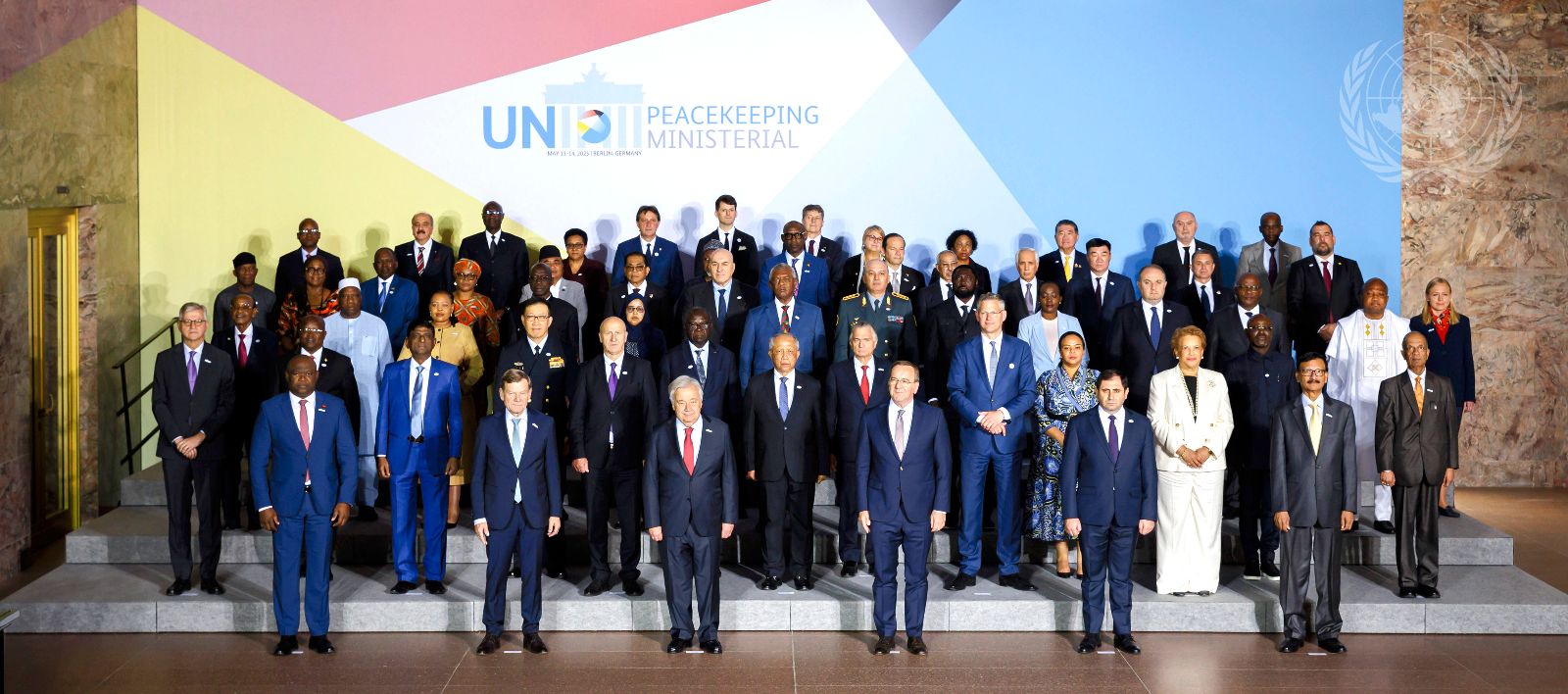
    This year’s Peacekeeping Ministerial, hosted by the Federal Republic of Germany ahead of the UNSG’s review on peace operations, brought together 45 Ministers, key experts and various regional organisations. The meeting outlined a number of priorities against the backdrop of this challenging operational environment. In particular, there were calls for more agile and adaptable operations, featuring tailored mandates, clearly defined transition and exit strategies, an emphasis on local ownership and broader burden-sharing among all member states – all in the context of major funding challenges which have been a long time coming. In April this year, Reuters reported that the UN’s largest funder, the United States of America (US), had discussed funding cuts for peacekeeping missions. The most recent example being the US’ refusal to support the African Union Support and Stabilisation Mission in Somalia (AUSSOM). The liquidity crisis is further exacerbated by the arrears owed by many member states (including the US) which have contributed to US$1.5 billion in unpaid regular budget assessments, the highest level in four years. 

    In the African context, an issue that the future of UN peacekeeping will have to consider in its operational environment is the increased use of regional operations such as the Alliance of Sahel States, the Accra Initiative, Multinational Joint Task Force (MNJTF), the now defunct G-5 Sahel Joint Force and the Regional Initiative for the Elimination of the Lord’s Resistance Army, as well as peace enforcement operations from the Southern African Development Community in Mozambique and the Democratic Republic of the Congo. Articles 52 and 53 of the UN Charter provide for the involvement of regional arrangements in conflict management and enforcement action. However, one criticism raised during the Ministerial’s breakout sessions was that regional operations, by virtue of operating ‘outside the UN framework,’ do not necessarily adhere to the same norms and values and cannot replace the standards established by the UN. Arguments were also made against romanticising the term ‘comparative advantage’ to justify regional approaches. This begs the question of what kind of ‘regionalism’ is permissible within the UN system? It is clear that there is a need for deeper reflection on these regional operations and how it relates to the language of the Charter but also the priorities and interests in the respective contexts. 

    Arguments were also made against romanticising the term ‘comparative advantage’ to justify regional approaches. This begs the question of what kind of ‘regionalism’ is permissible within the UN system?

    Such challenges will be difficult to navigate but they offer important entry points for change and in particular, some kind of reform of the multilateral architecture. 

    A key topic of the Ministerial focused on increased partnerships and burden-sharing among member states. While this was presented as ‘low hanging fruit’ that can be used to promote better prepared missions and navigate the various resource constrained operational environments, the rhetoric of ‘partnerships’ cannot be used to manage the crux of the crisis within the multilateral system, and the UN in particular. In the context of the UN Security Council (UNSC), this ‘crisis’ has been characterised by increasingly fragmented approaches to ending conflicts and a mixed record of member states’ commitment to the rights-based norms and values of the UN system. However, when understood alongside the historical formation of the UN system (and its League of Nations predecessor), the unravelling of the ‘shared’ universality which underpins it, is not surprising. In the 80 years since it was founded, the UNSC still lacks permanent African representation even though the continent has hosted the largest number of peacekeeping operations. The current challenges within the multilateral system are a manifestation of a system that, at its core, is defined by a version of universality that has yet to represent the interests and needs of the majority of its member states. The varying roles that the P5 members play in ongoing conflicts across the world also does not inspire any confidence. Discussions on how to adapt peacekeeping to this complex operational environment has to be rooted in a larger discussion on reform and the historical formation and political interests which continue to define how the UN works. Hypothetically, more inclusive and representative decision-making within the UNSC could help to garner the political and diplomatic support needed to address some of the challenges related to burden-sharing. 

    In the 80 years since it was founded, the UNSC still lacks permanent African representation even though the continent has hosted the largest number of peacekeeping operations

    Andrea Prah (PhD) is a Senior Researcher at ACCORD. 

  • Will African Peacekeepers Play a Role in Monitoring a Ceasefire Between Russia and Ukraine?

    Will African Peacekeepers Play a Role in Monitoring a Ceasefire Between Russia and Ukraine?

    Negotiations between Russia and Ukraine about a ceasefire are ongoing, with no agreement in sight yet. However, an exchange of prisoners on 25 May, following the first direct talks in Istanbul on 16 May is a positive confidence building measure. One aspect that has not received a lot of attention yet is how such a ceasefire will be monitored, and who will do the monitoring? 

    A number of African countries have ceasefire monitoring experience from African and United Nations (UN) peacekeeping operations, and some African officers also have language competencies that may be helpful in Russia and Ukraine. Many African countries, including those that have been part of the African peace initiative, may be acceptable to both parties, making it likely that they could contribute ceasefire observers to such a monitoring mission. 

    The technical elements that those involved in the ceasefire negotiations would need to decide on include the delineation of a line of separation, the establishment of a buffer zone and an exclusion zone, and the design of a ceasefire monitoring and verification mechanism. 

    A ceasefire typically relies on the establishment of a line of separation, or ceasefire line. Any crossing of this line by land, sea or air would imply a breach, signalling a return to war. The ceasefire line is usually determined by the military position of both sides at the time of the agreement. It is agreed solely for the purposes of the ceasefire, and it is not intended to prejudice the terms of any future peace agreement. 

    Typically a buffer zone of several kilometres extends from the line of separation, into which neither side may enter by land, sea or air. This agreed distance of demilitarised no-man’s land serves as a protective barrier between the two armies to avoid accidental fire or other incidents that can spark confrontations and reignite the war. 

    From the line of separation there is also typically an exclusion or limitation zone with provisions that prohibit different types of heavy weaponry, ships, aircraft or drones from being deployed or operated within a certain distance from the line of separation. 

    Ceasefires are entered into by countries or parties at war with each other. They do not trust each other and thus need a means to independently verify that the other side is complying with the agreement. For these reasons a ceasefire agreement usually includes a monitoring mechanism that consist of a body that oversees the ceasefire, and of a means to monitor compliance, as well as to investigate breaches of the agreement. Many ceasefire agreements over the last 80 years have been monitored by the UN. In Africa the African Union (AU) is currently monitoring the ceasefire agreement in Tigray and there have been several other ceasefire observation missions, including in the Central African Republic, the Democratic Republic of the Congo and South Sudan.

    An important question that has not received a lot of attention to date is who will be responsible for monitoring a ceasefire between Russia and Ukraine? Is it likely that African countries will be part of such a peacekeeping mission?

    So far, the Ukrainian and European peace proposal suggests that the ceasefire will be monitored by Russia, Ukraine and third-party countries. Earlier, President Zelensky suggested that United States (US) satellites and drones could be used to monitor the ceasefire between Russia and Ukraine.

    There are technical limitations to satellites and drones such as bad weather and cloud cover. Remote monitoring can play an important role in ceasefire observation, but any monitoring mechanism will need to be able to investigate alleged breaches and to manage incidents in the field.

    The UN is the international organisation with the most experience in deploying and managing ceasefire observer missions. It also has access to a global pool of troop-contributing countries, including African countries, from which observers that are acceptable to both sides, could be drawn. Most importantly, UN missions are deployed and overseen by the UN Security Council where Russia, the US, China, France and the United Kingdom are permanent members with veto powers. Although Ukraine is not a member, the presence of key allies like France and the United Kingdom and the role of the US as mediator and guarantor, will probably give them sufficient confidence that their interests will be protected in the UN Security Council. 

    The UN is the international organisation with the most experience in deploying and managing ceasefire observer missions. It also has access to a global pool of troop-contributing countries, including African countries, from which observers that are acceptable to both sides, could be drawn

    Monitoring a line of separation, as well as buffer and exclusion zones, 24/7 over approximately 2000 kilometres will be a significant challenge. This will require the use of technology such as satellites and drones, but it will also require boots on the ground to deal with incidents, manage exceptions like allowing civilians to access the buffer zone for specific purposes, and to investigate alleged violations. This can be managed by a joint mechanism, typically a joint monitoring and verification mechanism made up by both sides. 

    Past experience with such joint mechanisms show, however, that without neutral third-party oversight, the parties to the conflict often treat these joint mechanisms as arenas for micro-battles, withholding or manipulating information and continually sparring over every issue. Ceasefire monitors, deployed by a neutral third-party like the UN could help to overcome these trust issues and facilitate the working of such a joint mechanism. 

    Ceasefire monitors, deployed by a neutral third-party like the UN could help to overcome these trust issues and facilitate the working of such a joint mechanism

    Regardless of what kind of mechanism is agreed upon to oversee a ceasefire agreement between Russia and Ukraine, it will be a momentous task. It will require both sides to develop a shared understanding of the critical elements that need to be in place to ensure success, as well as a degree of pragmatism and flexibility to resolve problems as they arise. The most important ingredient will be sustaining the political will to make it work. It is not unlikely that several African countries will be asked to contribute ceasefire monitors to such an observation mission.

    Cedric de Coning is a senior advisor to ACCORD and a research professor with the Norwegian Institute of International Affairs (NUPI).

  • The African Standby Force’s Deployment Efficiency in Sudan

    The African Standby Force’s Deployment Efficiency in Sudan

    The African Standby Force (ASF) was established as a key component of the African Union’s (AU’s) strategy to address conflicts across the continent. Despite over two decades of development, the ASF has yet to be deployed in any mission, highlighting significant challenges in its institutional and operational readiness. The current crisis in Sudan underscores the urgency for the ASF to evolve into a more agile and responsive mechanism capable of addressing complex conflicts across the continent.

    Reforming the ASF to achieve full operational readiness for crises like Sudan

    The ASF was conceived as a cornerstone of the African Peace and Security Architecture (APSA), designed to enable rapid and effective responses to continental crises. However, its operationalisation has been hampered by systemic challenges, particularly in contexts such as Sudan, where complex conflicts demand swift and coordinated action. The AU Chairperson, Mahamoud Ali Youssouf, has prioritised making the ASF fully operational as part of broader reforms to enhance Africa’s crisis response capabilities. However, the ASF’s original assumptions—such as rapid deployment under the authority of AU Peace and Security Council (PSC)—have not materialised due to political, logistical, and doctrinal inefficiencies.

    The AU Chairperson, Mahamoud Ali Youssouf, has prioritised making the ASF fully operational as part of broader reforms to enhance Africa’s crisis response capabilities

    A central issue is the lack of political cohesion between the AU and Regional Economic Communities (RECs). The ASF’s structure relies on regional brigades, but RECs like the Economic Community of West African States (ECOWAS) and the Southern African Development Community (SADC) often prioritise autonomous deployments over AU-led coordination. For instance, ECOWAS has historically resisted ceding control over interventions within its jurisdiction, as is seen in its unilateral decision-making during the Gambia crisis in 2017, which sidelined the ASF framework. Similarly, the SADC mission in Mozambique (SAMIM) was deployed in 2021 without full integration into the ASF’s command structure, reflecting a preference for regional ownership over continental unity. This fragmentation undermines the ASF’s ability to function as a unified force, particularly in cross-border crises like Sudan, where regional rivalries and competing interests further complicate collective action.

    Logistical shortcomings also cripple the ASF’s readiness. The Continental Logistics Base (CLB) in Douala, Cameroon, established in 2018, remains underutilised due to incomplete Regional Logistics Depots (RLDs) and inadequate strategic airlift capabilities. For example, during the 2023 Sudan crisis, the ASF’s inability to rapidly deploy troops highlighted gaps in transportation and supply chains, forcing reliance on ad hoc coalitions like the Intergovernmental Authority on Development (IGAD). The AU’s reliance on external partners for airlift support—such as the European Union’s (EU’s) limited contributions—exposes vulnerabilities in self-sufficiency, a critical flaw for a force aspiring to “Silence the Guns.”

    Doctrinally, the ASF struggles to adapt to evolving security threats, such as terrorism and hybrid conflicts. Originally designed for traditional peacekeeping (e.g., observer missions or Chapter VI interventions), the ASF lacks specialised units for counter-terrorism, despite the PSC’s 2020 decision to establish such a capability. The rise of groups like the Rapid Support Forces (RSF) in Sudan, which blend militia violence with political insurgency, demands a reconfiguration of ASF mandates to include robust peace enforcement and stabilisation roles. The AU’s reliance on outdated mission scenarios (e.g., Scenario 4 for peacekeeping) further limits its relevance in Sudan-like crises, where spoilers reject political settlements.

    To achieve full operational readiness, the ASF must overhaul its governance and financing models. The 2024 Algiers consultative meetings proposed a “just-in-time” coalition approach, replacing rigid standby brigades with flexible, context-specific forces. This could mirror the ad hoc success of the Multinational Joint Task Force (MNJTF) against Boko Haram, where regional states pooled resources under a shared mandate. Additionally, leveraging United Nations Security Council (UNSC) Resolution 2719 (2023) for predictable funding—while safeguarding African agency—could address budget shortfalls, though risks of UN micromanagement remain, as seen in the contentious AMISOM-ATMIS (AU Mission in Somalia-AU Transition Mission in Somalia) transition.

    The ASF’s reform must prioritise political harmonisation, logistical investment, and doctrinal agility to address crises like Sudan. Without these steps, the force risks becoming a symbolic rather than operational tool, perpetuating Africa’s reliance on fragmented and unsustainable ad hoc interventions.

    Funding constraints and the feasibility of AU-led missions in Sudan

    The AU’s ability to deploy effective peace operations in Sudan is severely constrained by funding shortages, exacerbated by the United States’ (US) retreat from UN peacekeeping financing. Historically, the US contributed 26.95% of the UN’s peacekeeping budget, but recent political shifts—including proposals to defund UN missions altogether—threaten even this baseline support. This withdrawal has direct consequences for AU missions like ATMIS in Somalia, which relied heavily on UN-assessed contributions, and signals a broader trend of dwindling resources for African-led operations. The AU’s 2023 Peace Fund, designed to cover 25% of mission costs, is insufficient to bridge this gap, leaving large-scale deployments like the ASF financially unviable in complex crises like Sudan.

    Cost-effective alternatives are now imperative. The AU’s past experiences in Darfur underscore the limitations of underfunded interventions. The hybrid UN-AU mission (UNAMID) was hobbled by logistical shortfalls and political compromises, ultimately failing to stem violence despite a US$1 billion annual budget. In Sudan’s current conflict, a lean, unarmed observer mission—focused on ceasefire monitoring rather than enforcement—may be the only feasible option. Such a model aligns with the AU’s recent pivot toward “just-in-time” coalitions and lighter footprints, as seen in the IGAD-led monitoring efforts in South Sudan. However, even this approach faces hurdles: the AU’s 2024 Ad Hoc Presidential Committee for Sudan lacks a clear budget, and regional actors like Egypt and the United Arab Emirates (UAE) are prioritising bilateral initiatives over collective AU mechanisms.

    Innovative financing mechanisms offer partial solutions. UNSC Resolution 2719 (2023) theoretically enables UN funding for AU-led missions, but its implementation remains fraught with conditions. The resolution mandates UNSC authorisation for each deployment, effectively subordinating AU decision-making to geopolitical rivalries—a hurdle evident in the Security Council’s deadlock over Sudan. Meanwhile, partnerships with the EU and Gulf states are unreliable. The EU’s €1.9 billion African Peace Facility is primarily allocated to Sahel counterterrorism, while Gulf donors like the UAE have channelled resources to proxy forces in Sudan rather than impartial peace processes. The AU’s inability to secure sustainable funding mirrors broader systemic issues: as of 2025, only 12% of the AU’s budget is member-funded, leaving it dependent on volatile external donors.

    The implications for Sudan are dire. Without robust funding, the ASF’s role will likely be reduced to symbolic gestures, such as ceasefire verification teams reliant on regional actors like IGAD or the Eastern Africa Standby Force (EASF). This fragmentation is already visible: IGAD’s Sudan mediation efforts are undercut by competing initiatives from Egypt and the AU’s own poorly coordinated High-Level Panel and Ad Hoc Committee. Moreover, the RSF and Sudan Armed Forces (SAF) have exploited this disarray, “forum-shopping” among mediators to avoid binding commitments while continuing military campaigns. The AU’s insistence on prioritising political solutions—such as its Roadmap for Sudan—rings hollow without the financial leverage to incentivise compliance.

    The AU’s insistence on prioritising political solutions—such as its Roadmap for Sudan—rings hollow without the financial leverage to incentivise compliance.

    Ultimately, the funding crisis demands a paradigm shift in AU peacekeeping. The ASF’s traditional model, designed for rapid military deployments, is ill-suited to fiscal austerity. Instead, the AU must embrace modular approaches: combining unarmed observers with targeted sanctions (e.g., leveraging the US “Gold for Oil” Sudan sanctions) and hybrid financing models that blend UN, EU, and limited Gulf support. The alternative—persisting with unfunded ambitions—risks irrelevance as Sudan’s war spirals into a regional humanitarian catastrophe. The ASF’s relevance in Sudan hinges on operational adaptability and sustainable financing. Reforms must address political bottlenecks and funding shortfalls to enable even limited deployments, such as observer missions, while advancing the AU’s broader peacekeeping vision.

    Abraham Ename Minko is a senior researcher and policy analyst in peace, security, and conflict resolution.

  • Insights from the IEC’s Electronic Voting Conference: Exploring the Future of Digital Democracy in South Africa

    Insights from the IEC’s Electronic Voting Conference: Exploring the Future of Digital Democracy in South Africa

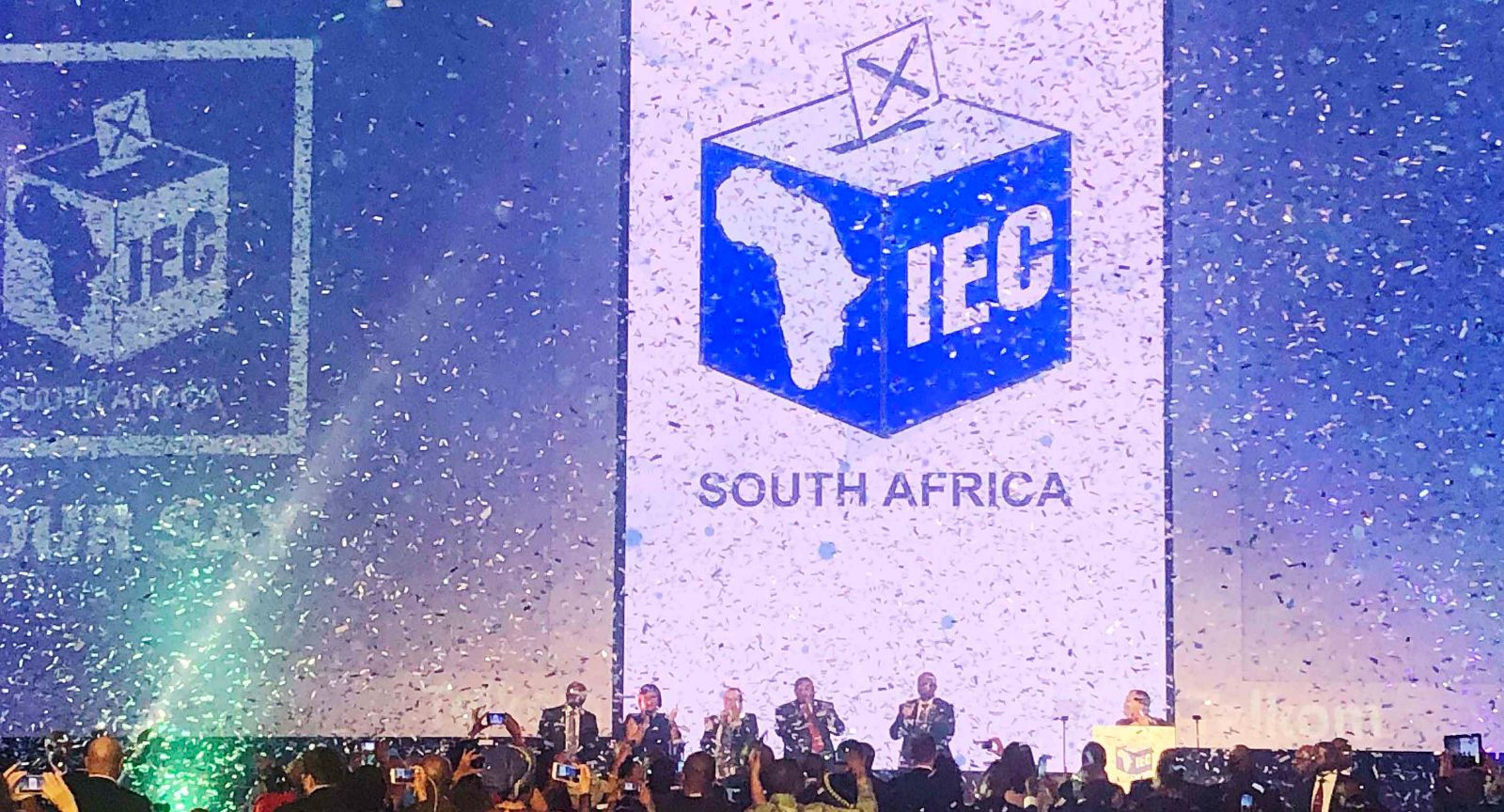
    The Independent Electoral Commission of South Africa (IEC) recently hosted a national conference on electronic voting, focusing on the feasibility, sustainability, and policy considerations of introducing e-voting in the country. This discussion comes more than a decade after the IEC first initiated dialogue on the topic in 2013, where a similar conference concluded that South Africa’s current paper-based voting system, often referred to as manual voting, was sufficient for the time being. Twelve years later, the Commission has reconvened stakeholders for further deliberation, following extensive research on electronic voting in collaboration with the Human Sciences Research Council (HSRC). The research, conducted by the HSRC, culminated in a Policy Discussion Document, which the Commission hopes will generate public policy debate on electronic voting (e-voting) technologies and the feasibility of introducing such technologies in South Africa. Reflecting on the importance of this initiative, IEC CEO Mr Sy Mamabolo stated: “It is part of the statutory purview of the Commission to conduct research with a view to improving the quality of elections. We must investigate new approaches to improve the electoral process, voter experience, accessibility, and enable cost savings.” 

    This ongoing engagement signals a shift in perspective, moving from simply assessing the status quo to actively exploring viable alternatives. There’s a famous quote attributed to Bert Lance: “If it ain’t broke, don’t fix it.” This could easily be applied to the broader electoral context of South Africa’s current voting system, which has been in use since the first democratic elections in 1994. However, as technology evolves and the demands of voters shift, the question arises: is it time to reconsider? 

    What is the motivation behind electronic voting in South Africa?

    The IEC is widely regarded as one of the most credible and effective electoral bodies globally. Over the past three decades of democracy, the Commission has consistently delivered free, fair, and credible elections, with only minor incidents, each of which it has successfully resolved. This includes the 2024 general elections, widely seen as the most competitive in the country’s history, which tested the strength and resilience of South Africa’s democratic institutions, including the IEC itself. In the broader context, the IEC has done well in protecting South Africa’s electoral integrity over the years. The motivation to explore electronic voting emerges not as a response to IEC’s challenges when it comes to the current system of voting, but as a proactive step toward enhancing and modernising the electoral process in South Africa. There are several factors driving the shift from manual voting to electronic voting. Amongst others, is the desire for greater efficiency and speed in vote counting and result tabulation; the need to modernise in line with global electoral trends, and the potential of e-voting to increase voter turnout which has been a matter of concern for the IEC. Lastly, electronic voting will assist in reducing human error commonly associated with manual voting.

    The motivation to explore electronic voting emerges not as a response to IEC’s challenges when it comes to the current system of voting, but as a proactive step toward enhancing and modernising the electoral process in South Africa

    Challenges associated with manual voting

    Manual voting is time consuming, particularly during the vote counting and result tabulation stages. While smaller voting stations with fewer ballots may conclude this process quickly, larger voting districts often face significant delays. These delays can create periods of heightened tension and anxiety among political parties, citizens, and other stakeholders awaiting results. In some cases, prolonged counting can give rise to speculation and lead the public to cast various aspersions regarding election rigging, electoral fraud, or other irregularities including electoral maleficence. E-voting offers a solution by enabling faster, more efficient counting and tabulation, with a lower margin for error, thus helping to maintain public confidence in the electoral processes and to reduce post-election volatility.

    The second key issue relates to increasing voter turnout. Voter participation in South Africa has been on a steady decline since the first democratic elections in 1994. However, there is no clear correlation between low voter turnout and the country’s current voting system. Presentations from international contexts indicate that transitioning to electronic voting does not automatically lead to higher turnout. For example, Estonia, often cited as a pioneer in e-voting, has not seen a significant increase in voter participation solely due to the adoption of electronic voting. In South Africa, deeper socio-economic political issues are partly attributed to the decline in voter turnout, particularly the lack of service delivery and widespread disillusionment with the state of governance in general. Many citizens, especially the youth, feel that voting does not bring meaningful change to their lives. This sentiment is compounded by the country’s high youth unemployment rate, which contributes to political apathy and disengagement. Therefore, while e-voting may offer convenience for the electorate, it is unlikely to resolve the underlying causes of low voter turnout.

    Challenges and risks associated with electronic voting

    One of the major challenges the IEC is expected to face in the possible implementation of electronic voting is the issue of security, particularly concerns around cyberattacks. This was a key issue raised by delegates during the conference. The world is witnessing an increase in the frequency and sophistication of cyber threats targeting critical infrastructure worldwide. Thus, questions have been raised as to whether South Africa currently has the technical capacity to safeguard an electronic voting system from external interference. There are fears that without strong cybersecurity measures, the system could be vulnerable to hacking, manipulation, or other forms of cyber tampering, which could erode public trust in the electoral process. The fears are largely due to South Africa’s current state of infrastructure and whether the country is capable of supporting a secure and reliable e-voting system in future, as well as whether all South Africans are able to access such systems. 

    One of the key considerations in implementing electronic voting in South Africa is accessibility, particularly for people living in rural areas. The delegates raised concerns about whether citizens in deep rural areas would be able to use electronic voting, given the country’s existing challenges, such as load shedding, which affects power supply, and limited network connectivity, especially in remote and underserviced areas.

    These infrastructure limitations pose a serious challenge to the success of a nationwide electronic voting system. The IEC has acknowledged these challenges and assured South Africans that they are committed to finding a model that is best suited to the country’s unique context. The Commission has emphasised that any system adopted will take into account the current realities on the ground and will be designed to be inclusive, practical, and accessible to all citizens, regardless of their location.

    The IEC has acknowledged these challenges and assured South Africans that they are committed to finding a model that is best suited to the country’s unique context

    Legal and regulatory considerations on electronic voting

    The Commission has indicated the need for amendments to the country’s electoral laws and policies to enable a smooth transition to electronic voting. The Portfolio Committee on Home Affairs, which serves as the parliamentary body responsible for processing public policy developments such as e-voting, will need to review the current legislation. This review will be essential to ensure that the legal framework is appropriately adapted to support a shift from a manual to an electronic voting system. It is worth noting that the Commission has already taken steps towards digital transformation through the introduction of technology to some of its existing platforms. A prime example is the online voter registration system, which enables new voters to register online and allows existing voters to update or amend their registration details from anywhere. This online portal operates independently of physical locations, offering a glimpse into the potential of digital platforms in electoral processes. 

    Case study: implementation of electronic voting in South African universities

    A number of South African universities have already transitioned from manual voting to electronic or i-voting systems for the election of Student Representative Councils (SRCs). Institutions such as the University of South Africa (UNISA), the University of KwaZulu-Natal (UKZN), and North-West University amongst others, have successfully implemented electronic voting processes within their student governance structures. This shift demonstrates that it is possible for the country to implement electronic voting, provided that the necessary infrastructure is established. These universities have shown that with the right systems in place, electronic voting can be secure, efficient, and accessible, even within diverse and widespread student populations. The success of i-voting at tertiary institutions strengthens the argument for broader adoption of electronic voting nationally, suggesting that the technology is not only viable but also capable within South Africa’s unique social and infrastructural environment.

    The Commission has clearly stated that no final decision has been made regarding e-voting, as they are awaiting the completion of all relevant processes before proceeding. However, the Commission will continue to seek the views of South Africans and it has outlined several steps to guide the process, including public and stakeholder consultations and a review of submissions. Once these processes are complete, the Commission will produce a green paper to serve as the foundation for implementing electronic voting.

    Boikanyo Nkwatle is a programme officer at ACCORD.