Years: 2025

  • Conflict & Resilience Monitor – 30 April 2025

    Conflict & Resilience Monitor – 30 April 2025

    The April edition of the Conflict and Resilience Monitor begins with a feature article from the CEO of the African Peer Review Mechanism (APRM), H.E. Ambassador Marie-Antoniette Rose-Quatre. Ambassador Rose-Quatre writes about the need for better synergy amongst the various peace and security architectures in Africa. She further goes on to stress the need to ensure that early warning is translated into early intervention in order to address peace and security challenges.

    El-Ghassim Wane writes about the upcoming Ministerial Peacekeeping Conference that is taking place in Berlin. The article highlights the opportunity for African countries to share their perspectives on peacekeeping, whilst highlighting the successes and difficulties that have been experienced on the continent.  El-Ghassim Wane further goes onto address the need for better peacekeeping co-operation between the African Union and the United Nations.

    Moving from peacekeeping to peacebuilding, Leonard James Ngeleja writes about the importance of Communities of Practice (CoPs). A CoP is a structure that fosters co-operation, collaboration, experience sharing and collective problem solving amongst a variety of peace and security actors.  This better co-operation, according to the article, enhances peacebuilding, but a CoP needs to be inclusive, have clear objectives and governance structures as well as sustained engagement in order to be more effective.

    Keenan Govender writes about the ongoing conflict in Sudan, which is currently the world’s worst humanitarian crisis.  Keenan writes about the geopolitical dimensions of the conflict, in light of the recently held conference in London that sought to establish a contact group of international partners in an attempt to take a step towards ending the conflict in Sudan.

    Finally, Rumbidzaishe Matambo writes about the impact that climate change is having on peace support operations in Africa. The article discusses the increasing need to deal with the climate-security nexus, in part by better integrating climate data into security analysis to deal with environmental stressors. There is thus a need to move away from reactionary models of intervention to more proactive, community-centred approaches that will build resilience.

  • Reflections on the Enhancing the Role of the APRM in Early Warning, Conflict Prevention and Strengthening Good Governance

    Reflections on the Enhancing the Role of the APRM in Early Warning, Conflict Prevention and Strengthening Good Governance

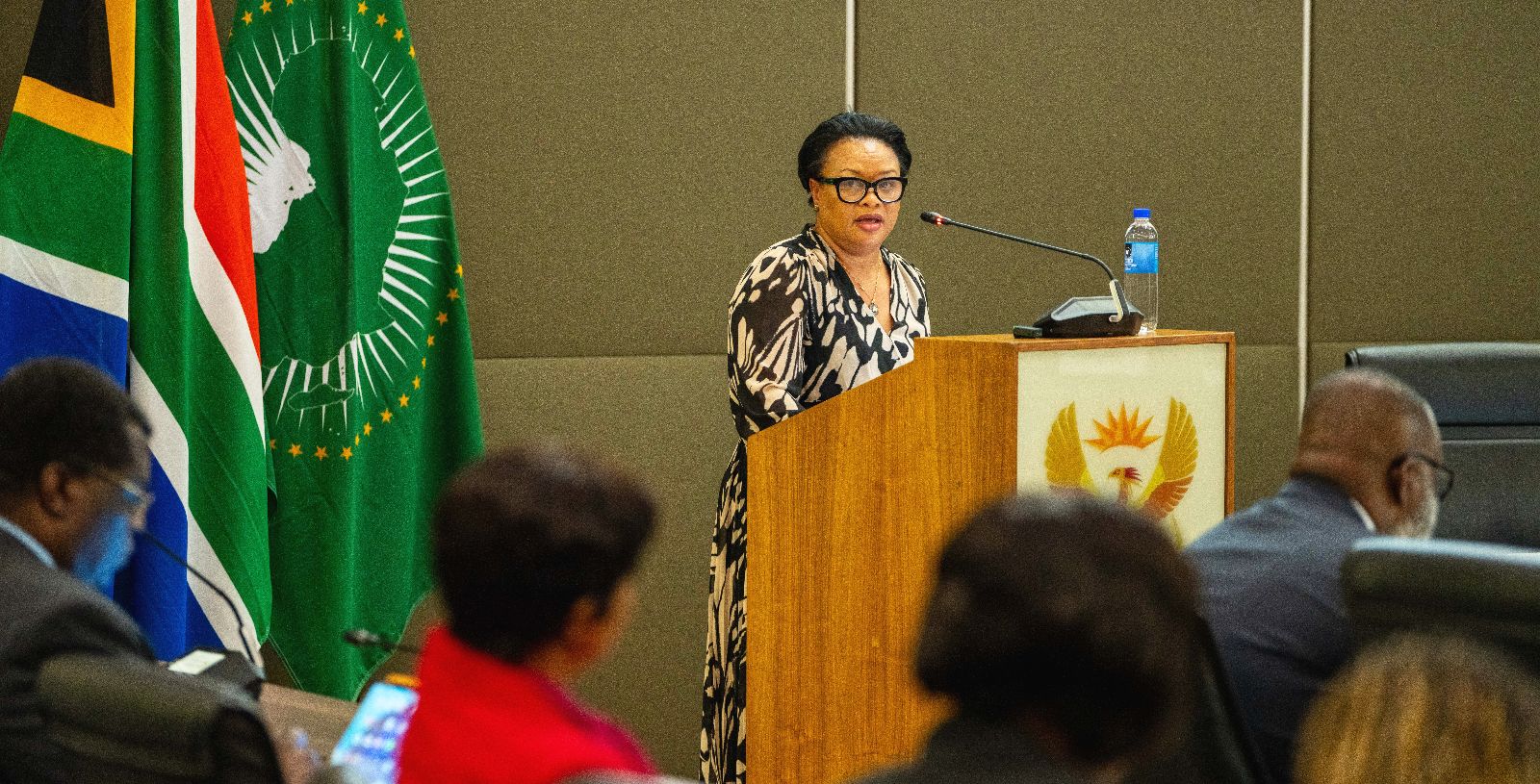
    It was both a pleasure and a privilege to host the 4th Joint Retreat of the African Peer Review Mechanism (APRM) and the African Union Peace and Security Council (PSC). This gathering is a true testament to our unwavering commitment to ensure that the APRM contributes effectively to early conflict prevention, in harmony and synergy with the African Peace and Security Architecture (APSA) and the African Governance Architecture (AGA).

    April 7, 2025, marked 31 years since the horrific genocide against the Tutsi in Rwanda. Over the span of 100 days, 1 million people were brutally killed. A terrible betrayal of our conscience and a brutal shock to mankind. This remains a stark reminder of the importance of preventing such atrocities at all costs.

    Never must we allow hatred and explicit intent to destroy any group based on their identity. The principle of the “responsibility to protect,” enshrined in Article 4(h) of the African Union Constitutive Act, asserts the right of the Union to intervene in a Member State in the face of grave circumstances such as war crimes, genocide, and crimes against humanity. This should always be our strength as an organisation, a reminder that never again will our organisation remain indifferent in the face of such carnage.     

    The APRM was established as an autonomous governance assessment instrument to promote political, economic, and corporate governance through voluntary peer reviews and related interventions among AU Member States. In simple terms, the APRM, which I have the privilege to serve, was designed to diagnose governance challenges across the continent and help develop the standards necessary for policy convergence and regional integration.

    Based on these diagnostic reports, timely interventions are necessary to prevent instability, as well as peace and security risks. The nexus between governance, democracy, and peace and security is undeniable. Yet, for the past 22 years, the APRM—now with 44 Member States—has conducted 32 reviews across 26 Member States. A synthesis of these reviews reveals a glaring gap between early warning (as provided by our reviews) and early intervention, which are concrete actions towards lasting peace and security. This nexus, although universally recognised, is not sufficiently considered by our AU entities. In many instances, the lack of intervention by peer-reviewed Member States has directly contributed to instability and conflict on the continent.

    Here are a few examples to illustrate this: 

    1. In South Africa, the APRM Country Review Report of 2007 identified the issue of xenophobia well before the violent eruptions in 2008, 2015, and 2019.
    2.  In Ethiopia, the APRM Country Review Report of 2011, stated and I quote: “Managing diversity and ensuring all-inclusive governance has to also be achieved through establishing and strengthening symmetrical relationships between the federal government and the regional states and between regional states themselves so that regional inequalities and historical imbalances among national groups can be effectively addressed. Effective symmetrical relationships are particularly critical in the area of fiscal governance.” These warnings came well before the catastrophic war in Tigray between 2020 and 2022.
    3.  More recently, in Mozambique, our Second Country Review Report of 2019, the 2019 Country Review Report flagged electoral processes as key triggers for violence, a warning that became evident in the post-election violence after the October 2024 elections.  
    4. In Sudan, the APRM Governance Gap Analysis Report of 2020 highlighted that the military has long dominated Sudan’s political landscape, with no effective devolution or decentralisation of power. It identified a clear link between the military elite and former warring factions, as well as their economic control over resources in various regions, which has left civilians with little or no political power. These structural factors are undeniably at the root of the ongoing conflict in Sudan, which erupted in April 2023 and has led to one of the worst humanitarian crises in recent history.

    This is a serious reflection on our collective failure to pay attention to the early warnings from the APRM reports. When I say “collective,” I truly mean all stakeholders. My question is: How can we fix this? How can we effectively prevent protracted instability and conflict?

    Common sense dictates that if we continue doing things the same way, we will achieve the same results. Let us, therefore, resolve to do things differently. Let this Retreat be the moment we change our approach to preventive diplomacy and early interventions. After 22 years, the APRM must evolve beyond being merely a diagnostic tool for conflict prevention. It must become a truly effective mechanism for early warning and intervention.

    To that end, the APRM’s newly approved strategic plan will focus on tangible results and measurable impact. No more endless conferences with little attention to implementation. No more reviews with limited influence or concrete outcomes. No more eloquent statements without strategic, smart deliverables.

    We cannot continue work in silos. We must continuously engage with our relevant AU organs and institutions, not to overshadow them, no, but to work collaboratively to address the continent’s biggest challenges. This includes working closely with PAPS, the PSC, the AGA-APSA platforms, to use our reviews as the main reference point for smart political interventions.

    Our regional economic communities (RECs) play a critical role in detecting vulnerabilities early, often before continental bodies can. We must also address the persistent culture of denialism by some Member States regarding credible early warning reports. The APRM has already signed an MoU with the Common Market for Eastern and Southern Africa (COMESA) and is in the process of doing so with the Economic Community of West African States (ECOWAS) and the Southern African Development Community (SADC). Discussions with other RECs and mechanisms are ongoing. This is what I consider progress. 

    We must also address the persistent culture of denialism by some Member States regarding credible early warning reports

    We have also partnered with AUDA-NEPAD (African Union Development Agency-New Partnership for Africa’s Development) to better align governance and development agendas. This, after all, was the raison d’être for the creation of APRM, and we have revisited that, and decided to go back to the drawing board and agree on concrete actions to achieve this objective. AUDA-NEPAD’s role is crucial towards the implementation of our National Programme of Action with impact and tangible results. Again, this is what I call progress.

    Based on the PSC’s decision from the last Joint Retreat, we are working closely with PAPS to restore constitutionalism in Gabon. After the elections, we will conduct a governance gap analysis to strengthen democratic institutions and rebuild the country, thus preventing further conflict. We will continue to support countries in political transition due to unconstitutional change of governments, including those that present more challenges. However, we must implement the recommendations of AGR 2023 on Unconstitutional Changes of Government. Thanks to my brother Ambassador Bankole, the APRM is now part of the AU Election Observer Missions, and we will participate in the mission to Gabon.  

    Africa is facing unprecedented challenges due to shifts in the post-World War II global order. As Africans, our focus must transcend debates about a unipolar, bipolar, or multipolar world. Our priority should be to come together, chart our path forward, and ensure that Africa emerges as a strategic global player from a position of our interest and agency. This agency lies in our ability to come together and solve our problems without external interference or influence.

    This agency also lies in our ability to build societies grounded in good governance, democracy, the rule of law, human rights, dignity, and constitutionalism. Only when we achieve these will we find peace. And it is only through peace that we can attain true growth and development. We need a more robust and sustained engagement with the PSC. One annual retreat is insufficient for addressing the dynamic vulnerabilities we face.

    Let us anchor our actions in the promotion of good governance and democracy, which are key prerequisites for conflict prevention. These foster stability, accountability, and inclusive participation, addressing the root causes of conflict and building resilient societies. As former OAU Secretary-General Salim Ahmed Salim once said, and I quote:

    Let us anchor our actions in the promotion of good governance and democracy, which are key prerequisites for conflict prevention

    “Good Governance, accountability and transparency should be nurtured and sustained and above all made an essential component of our societies.” 

    H.E. Ambassador Marie-Antoniette Rose-Quatre is the Chief Executive Officer of the African Peer Review Mechanism

    This article is taken from the opening remarks delivered by Ambassador Rose-Quatre at the 4th Annual Joint Retreat of the APRM and PSC. More information about the Retreat can be found here.

  • Peacekeeping as Multilateralism: An African Perspective for Berlin

    Peacekeeping as Multilateralism: An African Perspective for Berlin

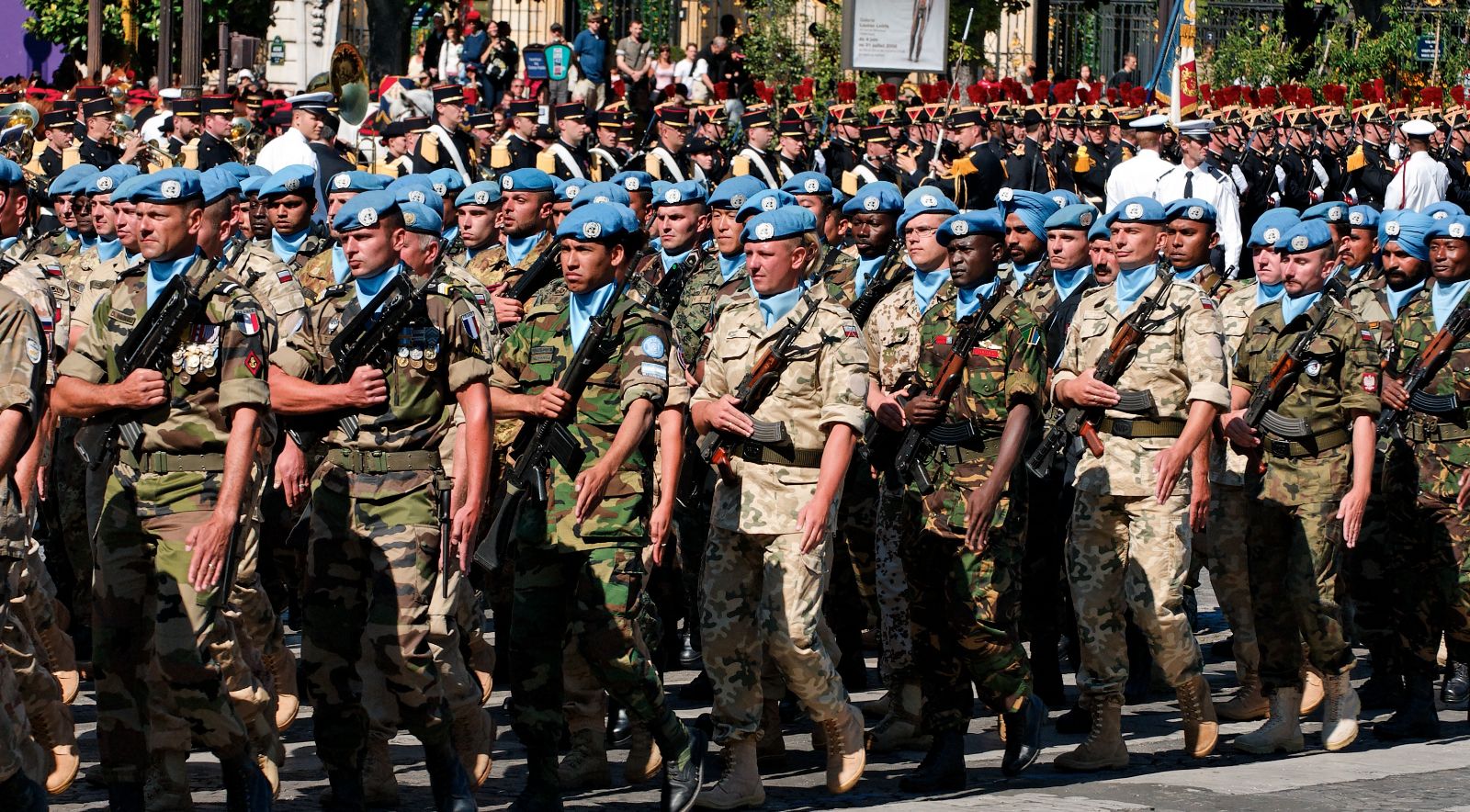
    On 13-14 May 2025, Germany will host the 8th Ministerial Peacekeeping Conference in Berlin, with “The Future of Peacekeeping” as its overarching theme. This event, which will bring together the ministers of defence and foreign affairs from United Nations (UN) Member States, is part of the process launched after the 2015 Leaders’ Summit to strengthen support for UN Peacekeeping. 

    As African delegations prepare for the Berlin discussions, which will be guided by the Independent Study on the ‘Future of Peacekeeping, New Models and Related Capabilities,’ they can bring valuable perspectives informed by direct experience with peacekeeping operations across the continent. Their contributions take on particular significance at this critical moment when peacekeeping faces renewed challenges to its relevance.

    African countries can bring valuable perspectives informed by direct experience with peacekeeping operations across the continent

    Three points are worth mentioning here. 

    First, peacekeeping works. Academic studies consistently demonstrate that it is a cost-effective way of reducing armed conflict and protecting lives. It also strengthens national sovereignty, not only because it accompanied decolonisation processes in the past, but also because it can ultimately help states recover the exercise of their basic functions. The real-world impact of peacekeeping is visible in Sierra Leone, Côte d’Ivoire, and Liberia, which stand as compelling examples. Even in situations where there is no peace to keep, the positive impact of peacekeeping is evident. 

    Asserting that peacekeeping works is not to overlook its failures, and neither is it to overstate what it can achieve. Ultimately, missions operate under specific principles—consent of the parties, impartiality and restricted use of force—and their success primarily depends on the cooperation of host nations and conflict parties, as well as the support of the Security Council and the larger international community.

    Second, UN and African Union (AU) operations are complementary pillars of a shared multilateral architecture. Neither institution should be viewed as a substitute for the other. The UN maintains significant comparative advantages, notably predictable financing, specialised expertise, and logistical capabilities. For its part, the AU has a demonstrated willingness to deploy missions in asymmetric environments. This also means that the successes and failures of UN and AU peace operations are interconnected.

    Third, UN Peacekeeping is an embodiment of multilateralism in action. It brings together key constituencies and draws its strength from their consensus. The key role players here are the permanent and elected members of the UN Security Council, major financial contributors, host countries, and more than 120 countries, 40 of which are African, that have provided over two million uniformed peacekeepers to date.

    Going forward, the AU and UN should devise practical ways to further strengthen their partnership. 

    The AU and UN should devise practical ways to further strengthen their partnership, including renewed efforts toward peacemaking

    As an immediate step, the two organisations should enhance their collaboration in support of ongoing UN peacekeeping operations in Africa. The UN missions can draw strength from the AU’s political legitimacy, while the continent is both the immediate beneficiary of successes and the most affected by failures. The UN should routinely share mission information with the AU to foster its proactive support (this should, of course, be bidirectional). At the Security Council level, the African members can rally more effective support for peacekeeping operations by taking principled stances, driven by the relevant AU normative frameworks, and by leading discussions on the challenges confronting missions. This approach can help ensure that issues are addressed on their own merits rather than being caught in the crossfire of current geopolitical tensions.

    As the two organisations continue to work together to facilitate coordinated support to UN peacekeeping missions, they may also wish to consider the feasibility of systematically embedding AU liaison missions in UN operations. This would give the AU better insight into the unique role that UN peacekeeping plays and a deeper appreciation of their challenges.

    Additionally, the AU and UN should jointly examine how to leverage the peacekeeping models identified in the study. This should involve assessing how the models could be used to address situations of shared concern and how they might serve as frameworks for mission initiation, expansion, or drawdown. The AU and the UN could then, through joint scenario planning exercises, test these models against hypothetical crisis situations.

    While the study focused on UN operations, it holds lessons for the AU, particularly regarding capabilities needed to enhance mission effectiveness, including planning, leadership, strategic communications, and rapid deployment capabilities. As the AU reviews its Standby Force, these priority areas could inform its modernisation efforts. Similarly, the AU and the UN could work together to examine how the former might utilise the Peacekeeping Capability Readiness System (PCRS) to generate capabilities for its operations more effectively. 

    For peacekeeping to work more effectively, the AU and the UN need to step up their efforts towards peacemaking. This could entail the appointment of joint envoys as was done in the past, and the establishment of jointly led international contact groups or other similar structures. In today’s complex mediation landscape, marked by fragmentation and competition, the only way for the AU and the UN to retain some level of influence and advance solutions based on their principles is to tighten their cooperation.

    In this context, the AU would benefit from striking a better balance between the various conflict management tools provided for in the Peace and Security Council (PSC) Protocol. It should effectively reinvest in prevention and peacemaking—areas where it possesses genuine comparative advantages. While peace support operations are necessary, they consume disproportionate organisational resources and attention. A recalibrated approach would maximise the AU’s impact across the conflict spectrum, while complementing UN efforts.

    Finally, sustaining peacekeeping gains requires greater investment in structural prevention. The goal should be to effectively combine the AU’s rich framework on governance, democracy and human rights (here, here, here, here, here, here, here, here, here, here and here), on one hand, and the UN technical and resource capacity, on the other. Such an enhanced partnership would focus on three areas: assistance to individual African countries to implement the commitments made on the basis of the African instruments; support to relevant African institutions mandated to follow up various aspects of the continent’s governance and human rights agenda (here, here, here, here, here and here); and dissemination of the AU instruments to political, civil society and other actors to increase their level of awareness of the commitments entered into by their countries and foster greater accountability.

    In a world defined by geopolitical tensions and facing heightened competition among various states, the Berlin Conference offers an opportunity to rally the broadest possible support for one of the most tested and enduring tools of multilateralism. For Africa, the stakes could not be higher. Given the asymmetric distribution of power between states and regions in the current international order, the multilateral system, for all its shortcomings, still offers the best way to advance the continent’s interests, by enabling coalition-building and providing institutional platforms that can amplify Africa’s collective voice.

    Given the asymmetric distribution of power between states and regions in the current international order, the multilateral system, for all its shortcomings, still offers the best way to advance the continent’s interests

    As African countries prepare for the Berlin Conference, it is worth recalling the July 1990 report on the Fundamental Changes Taking Place in the World and Their Implications for Africa, submitted by then OAU Secretary-General Salim Ahmed Salim. While stressing that “the African response for the 1990s and beyond must […] be inward-looking, in that its major preoccupation [should] be to build Africa’s inner strength,” he also emphasised that the continent “must continue to court and nurture international solidarity.” In this respect, he urged that Africa must both strengthen its support for UN ideals and maintain the UN as the central focus of its multilateral diplomacy, recognising it as the continent’s most vital forum for advancing its interests.​​​​​​​​​​​​​​​​

    Three and a half decades later, these words of wisdom remain relevant.​​​​​​​​​​​​​​​​

    El-Ghassim Wane led the team that conducted the independent study on the Future of Peacekeeping, New Models and Related Capabilities. He served as Special Representative of the UN Secretary-General in Mali and head of MINUSMA, and assumed several other responsibilities in both the UN and the AU, including UN Assistant Secretary-General for Peacekeeping and Director for Peace and Security at the AU Commission. 

  • Building a Peace and Security Community of Practice: A Pathway to Sustainable Conflict Prevention, Management and Resolution

    Building a Peace and Security Community of Practice: A Pathway to Sustainable Conflict Prevention, Management and Resolution

    In an era of complex and evolving conflicts, peacebuilding efforts face significant challenges, including fragmented approaches, lack of coordination, and the inability to adapt quickly to changing realities on the ground. A community of practice (CoP) offers a promising model to address these challenges by fostering collaboration, shared learning, and collective problem solving among diverse peace and security actors. By establishing a CoP, peacebuilders can enhance the effectiveness and sustainability of their initiatives at the grassroots, regional and continental levels. This article explores the importance of establishing a CoP in the peace and security sector, how it can foster collaboration, and its potential to create a more resilient approach to conflict resolution.

    Understanding a Community of Practice

    A community of practice refers to a group of people who share a common interest, field of expertise, or professional role and engage in ongoing collaboration to improve their knowledge and practices. CoPs are built on a foundation of mutual respect, shared goals, and a commitment to collective learning. Unlike traditional professional networks, which are primarily focused on information exchange, a CoP encourages active participation, shared problem solving, and the application of knowledge in practice.

    In the context of peace and security, a CoP is a collaborative space where individuals and organisations working in conflict-affected regions can come together to share experiences, lessons learned, and strategies. By engaging in dialogue, members of the CoP refine their approaches to peacebuilding, identify new solutions to persistent problems, and build more effective, context-specific interventions.

    Unlike traditional professional networks, which are primarily focused on information exchange, a CoP encourages active participation, shared problem solving, and the application of knowledge in practice

    The Role of a Community of Practice in Peace and Security

    The establishment of a CoP in peace and security is particularly timely given the evolving nature of contemporary conflicts. Here are the key roles that a CoP can play in fostering peace and security:

    1. Enhancing Coordination and Collaboration

    In conflict zones, peacebuilding efforts often involve a range of actors from international organisations to local NGOs, governments, and grassroots communities. Unfortunately, these efforts are frequently fragmented, leading to duplication of efforts or, worse, contradictory strategies. A CoP can serve as a platform for coordinating these efforts, ensuring that different stakeholders work in harmony toward common peacebuilding objectives.

    By creating an environment that encourages collaboration and the sharing of resources, knowledge, and strategies, a CoP reduces the inefficiencies that arise when peacebuilding actors operate in silos. Collective action not only improves the alignment of interventions but also ensures that resources are utilised more effectively, increasing the overall impact of peacebuilding activities.

    2. Facilitating Knowledge Sharing and Capacity Building

    A CoP serves as a dynamic space for continuous learning. Peace and security practitioners are often on the frontlines of conflict, dealing with rapidly evolving dynamics that require flexible and innovative responses. In such a high-stakes environment, access to timely and practical knowledge is crucial.

    Through regular discussions, workshops and shared resources, a CoP enables members to exchange lessons learned from their fieldwork, providing insights into which approaches have been effective or not in specific contexts. This process helps avoid the repetition of mistakes, ensures more informed decision-making, and enables adaptive strategies that reflect real-world challenges.

    Furthermore, CoPs provide a forum for capacity building through training, mentorship, and peer-to-peer learning. By enhancing the knowledge and skills of practitioners, CoPs ensure that peacebuilders are better equipped to handle complex conflict dynamics, promoting more sustainable and impactful interventions.

    3. Encouraging Innovation in Peacebuilding

    The nature of conflict is constantly evolving, and so must the strategies employed to resolve it. Traditional approaches to peacebuilding often fail to keep pace with the changing dynamics of conflict, particularly in an era marked by complex, protracted, and transnational conflicts. A CoP fosters an environment of innovation, where members can think outside the box and devise new solutions to peacebuilding challenges.

    By bringing together diverse perspectives, from grassroots organisations to academics and international agencies, CoPs encourage the cross-pollination of ideas. This diversity of thought sparks creative problem solving, allowing members to develop novel tools, methodologies, and frameworks that are more adaptable to the nuances of contemporary conflicts. Through this innovative exchange, a CoP contributes to the development of cutting-edge peacebuilding strategies that are more likely to succeed in the face of evolving challenges.

    4. Strengthening Advocacy and Policy Influence

    A CoP can be a powerful tool for collective advocacy. When peacebuilders unite around common goals, they amplify their voice and increase their ability to influence policy decisions at the local, national, and international levels. Whether advocating for conflict prevention, stronger support for post-conflict recovery, or the protection of human rights, a CoP’s collective knowledge and expertise lend weight to advocacy efforts.

    By highlighting shared experiences and drawing on a broad base of evidence from the field, a CoP can advocate for policies that are more contextually informed and grounded in the realities of peacebuilding. This makes CoPs a valuable tool for ensuring that the voices of those directly involved in peace efforts are heard in global discussions and policy forums.

    Key Considerations for Establishing a CoP in Peace and Security

    While the potential of a CoP in peace and security is vast, its establishment requires careful consideration of several factors to ensure its success:

    1. Inclusivity

    For a CoP to be effective, it must be inclusive. This includes ensuring that all relevant stakeholders – such as local community leaders, international NGOs, governments, and grassroots organisations – are represented. Inclusivity fosters diverse perspectives, which enrich the discussions and lead to more comprehensive solutions. Moreover, it helps build a sense of ownership and commitment among all members.

    For a CoP to be effective, it must be inclusive. This includes ensuring that all relevant stakeholders – such as local community leaders, international NGOs, governments, and grassroots organisations – are represented.

    2. Clear Objectives and Governance

    A successful CoP requires clear objectives that align with broader peacebuilding goals. These objectives should be focused on practical outcomes, such as improving coordination among peacebuilding actors, developing new peacebuilding tools, or influencing policy. A well-defined purpose helps keep the CoP focused and motivated.

    Additionally, a CoP needs an effective governance structure to ensure its smooth operation. This may include a steering committee or leadership group responsible for organising events, managing resources, and maintaining the community’s focus.

    3. Sustained Engagement

    Sustaining engagement within a CoP is essential for its long-term success. This can be achieved through regular virtual and in-person meetings, the development of knowledge-sharing platforms, and the creation of collaborative projects. Active engagement ensures that members remain committed and continue to contribute to the CoP’s goals over time.

    4. Resource Support

    Lastly, a CoP requires financial, technological, and institutional resources to function effectively. This includes funding for meetings, access to digital platforms for virtual collaboration, and support from key institutions such as universities, think tanks, and international organisations.

    Conclusion: A Path Toward Resilient Peace

    The establishment of a community of practice within the peace and security sector represents a powerful opportunity to enhance the effectiveness and sustainability of conflict resolution efforts. By facilitating coordination, sharing knowledge, fostering innovation, and amplifying collective advocacy, CoPs create a collaborative environment that strengthens peacebuilding initiatives. As conflicts become more complex and interconnected, the need for cooperative, dynamic, and adaptive approaches becomes even more critical. A CoP offers a pathway to a more resilient and sustainable approach to peace, ultimately contributing to lasting security and stability in conflict-affected regions.

    Leonard James Ngeleja is a Senior Technical Specialist – Conflict Early Warning System at the East Africa Community Secretariat.
  • Diplomacy in Sudan: History Repeating Itself?

    Diplomacy in Sudan: History Repeating Itself?

    In April 2025, the United Kingdom (UK) held a conference to establish a contact group to help facilitate ceasefire talks in Sudan. The conference brought together foreign ministers from about 20 countries and civic organisations in an attempt to take a step towards peace in Sudan. While the conflict in Sudan does not garner as many headlines as the conflicts in Ukraine and Palestine, it is currently, according to the United Nations, the world’s worst humanitarian crisis. This conference in the UK sought to find solutions to the conflict in Sudan, without the participation of the Sudanese, with neither of the warring sides, the Sudan Armed Forces (SAF) or the Rapid Support Forces (RSF), invited to attend.

    The conference in the UK had modest goals, aiming to establish a more coherent approach to mediating the conflict. Its priorities included reaching agreement on lifting humanitarian aid restrictions in Sudan and establishing a contact group that would encourage mediation efforts rather than escalating violence amongst the wider parties to the conflict, in particular the Middle Eastern states. The conference was arguably unsuccessful, as the participants, in particular Egypt and the United Arab Emirates (UAE), failed to agree on the wording for the final communique.

    While there is general consensus that the SAF and RSF are not yet willing to come to the negotiating table, the logic of excluding the Sudanese from a conference about Sudan, must still be questioned. As foreign diplomats, donors, and regional powers debated the country’s future, Sudanese civilians, civil society leaders, and representatives from both warring parties were notably absent. Thus, what was presented ultimately was a diplomatic engagement devoid of a Sudanese voice.

    This exclusion is not novel. Since the revolution in 2019, the warring parties and international actors have repeatedly frustrated the Sudanese transition by seemingly prioritising their strategic interests over the aspirations of the Sudanese people. The military’s dominance following the removal of Abdalla Hamdok, and the international community’s tacit acceptance of it, was a contributing factor to the war that erupted in April 2023. The conflict, between the SAF and RSF, has devastated the country, with equally alarming regional ramifications. In February 2025, the RSF signed a strategic alliance with the SPLM-N faction led by Abdelaziz al-Hilu, with the intention of forming a rival administration in Sudan, comprising the SPLM-N controlled states of South Kordofan and Blue Nile. The agreement has the effect of further fragmenting the country by creating parallel administrations in Sudan, one led by the SAF and General Abdel Fattah al-Burhan, and the other by Mohamed Hamdan Dagalo (Hemedti) and the RSF, all backed by competing foreign powers. Further, this alignment has fuelled fears of cross-border conflict with South Sudan, where ethnic tensions and unresolved militia rivalries remain volatile outside of the capital of Juba. The risk of the Sudanese conflict spilling southward, or of the South Sudanese conflict spilling northward, raises the threat of broader regional destabilisation, particularly in the oil-producing areas on which both countries heavily depend for revenue.

    Since the revolution in 2019, the warring parties and international actors have repeatedly frustrated the Sudanese transition by seemingly prioritising their strategic interests over the aspirations of the Sudanese people.

    Significantly, Sudan is no longer just a civil war, it has now morphed into a proxy battleground for external powers, hence the conference held in the UK. A basic overview shows that Egypt allegedly supports the SAF, viewing Burhan as a more stable and a reliable partner, particularly in safeguarding Nile water interests. The UAE, by contrast, has reportedly long backed Hemedti and the RSF, attracted by his control of gold mines and thus his usefulness in providing Abu Dhabi with strategic access to resources and agricultural land. Moreover, Russia, through Africa Corps-affiliated networks (formerly Wagner), has supplied arms and courted both factions, eyeing access to the Red Sea arena, through the establishment of a Russian naval base in Port Sudan, as well as access to resources elsewhere in the country. Meanwhile, Western powers continue to issue statements of concern while failing to build consensus or leverage on how to mediate the issue of competing foreign interests in Sudan. This proxy dynamic was on full display at the London Conference. Disagreements between Arab powers – particularly Egypt, the UAE, and Saudi Arabia – prevented a constructive outcome on any coordinated peace initiative. With Sudanese voices, including historically vocal civilian formations like the Taqaddum coalition, absent, the conference revealed a troubling trend: international diplomacy concerning Sudan is increasingly being shaped by external rivalries rather than internal realities. While aid may help alleviate the humanitarian crisis in the short term, without a political roadmap anchored in Sudanese participation, it will do little to halt the war.

    There are clear consequences to this exclusion. When diplomacy ignores the people most affected, it loses legitimacy. Sudanese civil society, which played the decisive role in the 2019 revolution, has repeatedly called for an inclusive national dialogue. Women’s groups, resistance committees, and youth leaders have frameworks for peace rooted in justice and reconciliation and yet the grave reality is that these grassroots visions are routinely side-lined in favour of elite-led negotiations. To restore credibility and move toward a peaceful resolution, the international community must correct its course on Sudan. First, future talks must include Sudanese civilian actors, who have made significant sacrifices in their pursuit of post-conflict development, rather than just focussing on warring parties or regional sponsors. Second, the diplomatic process must be de-militarised, the current fixation with “stability” through any means has only yielded further destruction. Third, humanitarian aid distribution should be localised, thus empowering Sudanese-led humanitarian networks to bypass corrupt or abusive intermediaries. 

    When diplomacy ignores the people most affected, it loses legitimacy. Sudanese civil society, which played the decisive role in the 2019 revolution, has repeatedly called for an inclusive national dialogue.

    It is undeniable that the Sudanese revolution was never just about removing Bashir and his administration. It was a collective demand for dignity, self-determination, and democratic governance. What has become clear is that these ideals cannot be fulfilled through donor pledges and humanitarian aid alone. They require a shift in how peace is conceived: from the top-down performance we saw in London to also include the grassroots efforts in Sudan. If international actors truly are to support Sudan, they must stop deciding its fate behind closed doors, as the future of Sudan belongs to its people, not to external powers which exert influence for strategic gain. 

    Keenan Govender is an Independent Researcher focusing on leadership, governance, peace and security, and a former Programme Officer in the Research Unit at ACCORD.

  • Responding to Climate Change in African Peace Operations: From Risk to Resilience

    Responding to Climate Change in African Peace Operations: From Risk to Resilience

    Climate change is increasingly recognised as a critical threat to peace and security across Africa. While it does not directly cause conflict, its impact is acutely felt in fragile contexts where governance is weak, resources are scarce and populations are already vulnerable. In these environments, floods, droughts and extreme weather events intensify instability, fuel displacement and strain the capacity of peace operations to deliver on their mandates.

    The intersection of climate and conflict is particularly visible in regions such as Southern and East Africa, where erratic rainfall, cyclones and environmental degradation are becoming more frequent and severe. In Mozambique, recurrent flooding and cyclones have severely hampered mobility and humanitarian access, especially in conflict-affected areas like Cabo Delgado. Seasonal flooding of rivers and inadequate infrastructure, such as collapsed bridges and disrupted border points, have obstructed the movement of peacekeepers and hindered civilian protection and logistics. In South Sudan, severe floods have repeatedly cut off road access and rendered helipads unusable, limiting patrols and emergency response. These disruptions occur alongside seasonal conflict patterns, where climate shifts often trigger spikes in violence, migration and humanitarian need. These phenomena complicate the already complex operating environments of peace missions, impeding mobility, damaging infrastructure and increasing humanitarian needs. As the effects of climate change continue to intensify, peace operations must evolve to remain responsive and relevant.

    Peace operations today face an expanding array of climate-induced operational challenges. Seasonal flooding can cut off access routes, isolate communities and hinder the movement of peacekeepers and humanitarian convoys. Drought and resource scarcity can trigger tensions among communities and heighten the risk of localised conflict. In some regions, climate variability exacerbates displacement and disrupts livelihoods, forcing missions to extend their protection and logistical support to internally displaced populations. At a strategic level, the integration of climate considerations into mission planning remains inconsistent. While some missions have begun to incorporate climate risk assessments, the tools, training and institutional capacities required to fully integrate these insights remain underdeveloped. There is often a lack of integration between climate data and security analysis, limiting the ability of peace operations to anticipate and respond to environmental stressors in a proactive and coordinated manner. Moreover, peace operations are increasingly required to address issues that extend beyond their traditional mandates. In contexts where governance systems are weak or overstretched, missions often become de facto first responders to climate-related emergencies. This expanded role, however, is rarely matched by corresponding resources or technical support, leaving missions ill-equipped to manage the compound risks of climate change and conflict.

    Incorporating climate sensitivity into peace operations is no longer optional, it is essential. Missions must adapt their planning and execution to account for environmental realities on the ground. This means more than logistical preparedness. It involves rethinking how peace and security are conceptualised in a climate-affected world. First, peace operations must systematically integrate climate risk analysis into all stages of their planning cycles, including conflict assessments, scenario planning and early warning systems. This approach enables missions to anticipate the impacts of seasonal weather patterns, identify potential resource-related conflict hotspots and better prepare for disruptions to mission activities. For example, in South Sudan, the United Nations Mission in South Sudan (UNMISS) has begun integrating seasonal climate projections into military assessments to map areas vulnerable to both flooding and conflict. Second, operational flexibility must be enhanced. Engineering and logistics units should be equipped to build climate-resilient infrastructure, such as elevated roads, flood defences and climate-proof shelters. Mobility planning should account for seasonal shifts, including the prepositioning of supplies and adaptation of patrol routes during the rainy season or periods of extreme heat. In Mozambique, the lack of strategic airlift during the rainy season limited the reach of the Southern African Development Community (SADC) Mission in Mozambique (SAMIM), highlighting the need for enhanced transport and engineering capacity. Third, local knowledge must be placed at the centre of climate adaptation strategies. Communities living in climate-affected areas possess valuable insights into environmental risks and traditional coping mechanisms. Peace operations that engage with local actors are better positioned to support grassroots resilience and reduce tensions driven by climate-induced stressors. In some regions, natural resource management has been used as a platform for dialogue and community-based conflict resolution, particularly where environmental degradation fuels competition.

    Incorporating climate sensitivity into peace operations is no longer optional, it is essential. Missions must adapt their planning and execution to account for environmental realities on the ground.

    At the continental level, there has been growing recognition of the link between climate change and security. The African Union (AU) has adopted a Common African Position on Climate, Peace and Security (CAP-CPS), promoting African-led solutions to climate-security challenges. This framework encourages multisectoral collaboration, prioritises vulnerable populations and seeks to align regional strategies with international efforts. However, implementation remains inconsistent. Many regional bodies continue to face significant challenges due to the lack of institutional capacity, technical expertise and financial resources. Bridging this gap requires deeper coordination between the AU, the United Nations (UN), and Regional Economic Communities (RECs)/Regional Mechanisms (RMs). Institutions like the Intergovernmental Authority on Development (IGAD) are demonstrating how technical expertise can support peace operations. IGAD is one of UNMISS’ critical partners, providing technical analysis support which improves situational awareness and enables pre-planning. Its transhumance framework helps regulate the seasonal migration of pastoralist communities, reducing the risk of climate-related violence along migratory corridors. Sustained investment is also needed in institutional learning, the development of practical tools and the deployment of specialised climate-security advisors within missions. Partnerships across sectors, particularly with humanitarian, development and environmental actors are critical. Peace operations cannot address the full scope of climate-related risks alone. A whole-of-system approach is needed to align short-term security responses with long-term resilience-building and sustainable development.

    To address the climate-security nexus effectively, peace operations must undergo a paradigm shift, moving away from reactive, state-centric models and embracing proactive, community-centred approaches that build resilience from the ground up. Climate adaptation must be institutionalised within peace missions and not treated as a peripheral concern, but embedded as a core component of their design and execution. Strengthening climate resilience in peace operations will require a combination of measures which include: integrating climate risk assessments into mission planning and early warning systems; enhancing coordination between the AU, UN and RECs/RMs; fostering community engagement and local ownership of adaptation strategies; investing in engineering and logistics to mitigate environmental disruptions; mobilising sustainable financing for long-term, integrated responses; and supporting African-led frameworks that reflect local priorities and realities. As climate change continues to reshape the landscape of conflict in Africa, the imperative is clear. Peace operations must evolve, transforming climate risk into an opportunity for innovation and resilience through data-driven approaches, grounded partnerships and locally informed solutions.

    To address the climate-security nexus effectively, peace operations must undergo a paradigm shift, moving away from reactive, state-centric models and embracing proactive, community-centred approaches that build resilience from the ground up

    Rumbidzaishe Matambo is a Programme Officer at ACCORD, with over five years’ experience in peace and security in Africa, specialising in initiatives that enhance African Peace Operations.

    This article is an excerpt taken from a report from the Roundtable Discussion on the Impact of Climate Change on Peace Operations hosted by ACCORD and Embassy of the Kingdom of Denmark in South Africa. More information about the Roundtable can be found here.

  • Conflict & Resilience Monitor – 26 March 2025

    Conflict & Resilience Monitor – 26 March 2025

    In the March edition of the Conflict and Resilience Monitor we begin with an article from Hubert Kinkoh who writes about the recently concluded 38th Summit of the African Union (AU), where elections were held to choose a number of new commissioners, as well as a new Chairperson of the Commission. The article looks at the challenges that the new leadership will face and the need to navigate the AU and Africa’s position in the current global order. This is followed by an article from Jean Yves Ndzana Ndzana, who has written an article about the role of artificial intelligence (AI) in conflict prevention and management. The article looks at the potential positive impact that AI might have on the early warning, conflict prevention and peacekeeping, as well as some of the harmful effects that AI might have in Africa.

    Gwinyayi Albert Dzinesa and Alexander Madanha Rusero’s article is about adaptive Disarmament, Demobilisation, Rehabilitation, Reintegration, and Repatriation (DDRRR) in the context of the current conflict in the eastern Democratic Republic of the Congo (DRC). A whole-of-society approach to DDRRR that also includes dialogue and transitional justice could help address the grievances of the many armed groups in the region. Finally, Abraham Ename Minko writes about the importance of humanitarian diplomacy in Africa. The article discusses the need balance global humanitarian efforts with the needs of locals on the ground in order for the interventions to be successful.

  • The AU Commission’s New Leadership: A New Dawn or Familiar Shadows?

    The AU Commission’s New Leadership: A New Dawn or Familiar Shadows?

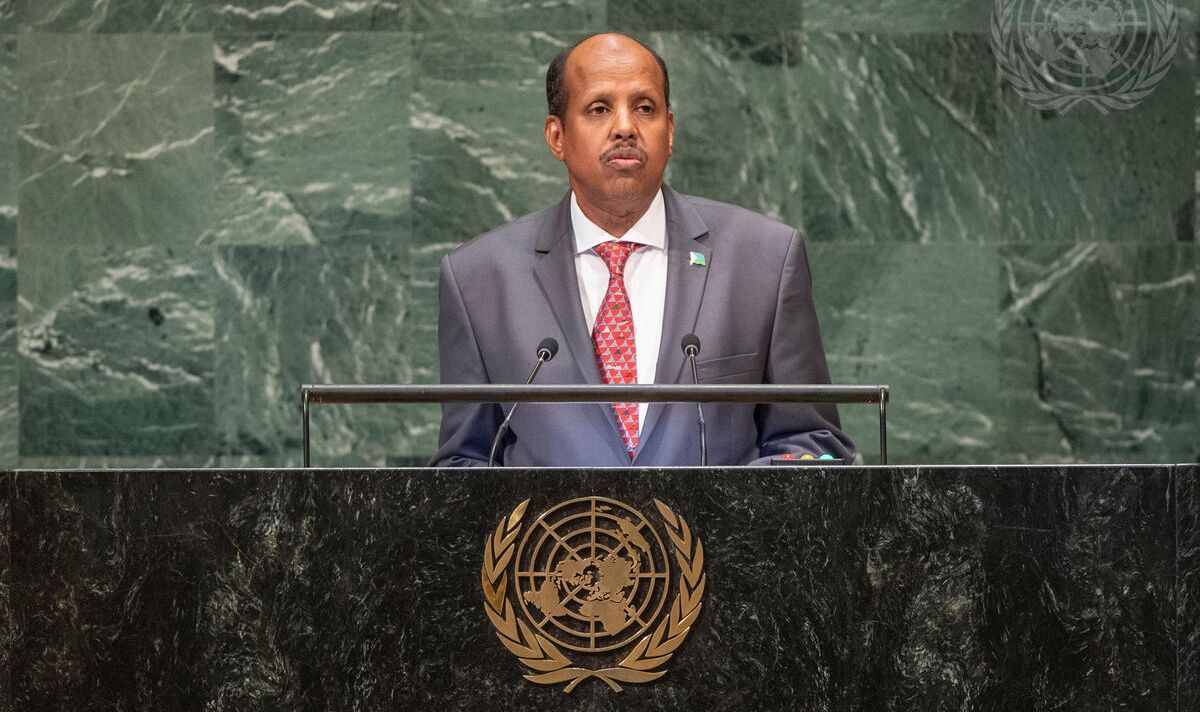
    The 38th African Union (AU) Summit concluded in February 2025, paving the way for the newly elected leadership of the Commission to steer Africa’s peace and development trajectory for the next four years. African leaders elected Mahmoud Ali Youssouf (Djibouti) as Chairperson and Selma Malika Haddadi (Algeria) as Deputy Chairperson. Haddadi’s election marks a historic moment as the second woman in this role, underscoring the AU’s commitment to gender equality and representation in its leadership structures.

    Three of six thematic portfolios saw new appointments: Moses Vilakati (Eswatini) for Agriculture, Rural Development, Blue Economy, and Sustainable Environment (ARBE); Amma Twum-Amoah (Ghana) for Health, Humanitarian Affairs, and Social Development (HHS); and Lerato Mataboge (South Africa) for Infrastructure and Energy (IED). Bankole Adeoye (Nigeria) was re-elected for Political Affairs, Peace, and Security (PAPS). Elections for the remaining two portfolios – Economic Development, Tourism, Trade, Industry, Mining (ETTIM), and Education, Science, Technology and Innovation (ESTI) – were postponed to the upcoming 24th Extraordinary session of the Executive Council.

    With this new leadership officially assuming office on 13 March, a critical question remains: will this leadership propel the AU Commission towards meaningful progress, or will it remain hindered by old obstacles?

    New Leadership, Familiar Challenges

    The new leadership inherits a complex dossier of challenges. From the protracted war in Sudan and the fragile peace in South Sudan, to the resurgent violence in the Democratic Republic of the Congo (DRC) and the volatile Sahel region, the continent grapples with high-profile conflicts needing urgent attention. These crises, alongside the ongoing struggles against Al-Shabaab in Somalia and the neglected Anglophone crisis in Cameroon, even as the country enters a crucial election year, underscore the AU’s struggles to maintain regional peace and security.

    This complex security environment, marked by increasing threats and a rapidly evolving global landscape, has outpaced the AU’s current peace, security and governance architectures. The AU’s mediation efforts have been overshadowed by international players in Sudan as the war approaches its two-year mark, while the Luanda Process in the DRC has faltered and continues to be confronted by diplomatic paralysis. The Sahel’s instability is compounded by the Economic Community of West African States’ (ECOWAS’) internal challenges following the withdrawal of Burkina Faso, Mali, and Niger. Meanwhile, the AU Support and Stabilisation Mission in Somalia (AUSSOM) faces funding uncertainties.

    A critical test for Chairperson Youssouf will be in devising strategies for effectively countering the trend of growing conflicts. This will require reasserting the AU’s leadership in matters of conflict resolution. A key step includes shifting the AU’s relationships with Regional Economic Communities (RECs) to ensure a strategic balance under the principle of subsidiarity. Consolidating mediation efforts in the DRC under a single AU-led process will be vital in moving the needle towards resolution. Additionally, potentially appointing a Special Envoy for Sudan to centralise AU leadership in negotiating practical agreements for humanitarian access, a monitored ceasefire and a roadmap for a civilian-led government will be another step in the right direction.

    Finally Implementing AU Reforms?

    Driving action on AU institutional reforms forward is also crucial for the new leadership. Since 2018, the initiative has yielded some notable achievements, including the appointment of a new management team, a reduction in the number of AU Commission departments, increased emphasis on gender and regional representation, the introduction of a merit-based recruitment system, and skills audits across departments. An important area of success is the movement toward self-reliance in funding of peace and security initiatives, seen in the growth of the Peace Fund, which has recently surpassed its $400 million target.

    Despite progress, the reform agenda faces persistent challenges. Member state resistance, limited manoeuvring space for the AU Commission Chairperson to address strategic issues, and funding constraints hinder implementation. Controversial measures, like reducing the number of AU summits and merging the Political Affairs and Peace and Security Departments, have sparked concerns that the reform process may have inadvertently weakened, rather than strengthened, the AU.

    The 38th AU Summit reaffirmed the urgency of reform. African leaders directed the Commission to streamline summit agendas to three strategic items, and submit proposals for various PAPS reconfigurations, a detailed structure for a new Peace Support Operations Directorate, and an assessment of the Peace Fund’s endowment levels with recommendations to enhance its efficiency. A Heads of State oversight committee, led by Kenya, also announced a July 2025 special summit offering a rare opportunity to concretise these reform priorities beyond rhetoric.

    In the interim, addressing the Commission’s capacity and staffing is crucial to overcoming inefficiencies and structural weaknesses that could hinder the new leadership’s ability to effectively serve AU member states and 1.5 billion Africans. Financial autonomy also remains paramount. With only 25% of the budget funded by members and potential aid cuts looming, the Commission’s $210 million annual budget is insufficient. Youssouf and his team must forge new partnerships and engage Africa’s private sector to reduce reliance on politicised external funding.

    Addressing the Commission’s capacity and staffing is crucial to overcoming inefficiencies and structural weaknesses that could hinder the new leadership’s ability to effectively serve AU member states and 1.5 billion Africans

    The AU’s Global Role

    The newly elected AU Commission leadership steps in at a pivotal moment for Africa. With the AU’s growing global influence, evidenced by its G20 membership, the Commission must prioritise strengthening the AU’s influence as a powerful force for peace, development, and integration in Africa in the global order.

    A key priority must be securing permanent representation for Africa on the United Nations Security Council (UNSC), to reflect the evolving global landscape. Currently, despite making up nearly one-third of the UN’s total membership, with over 70 percent of UNSC resolutions addressing African issues, and 11 of the top 20 countries contributing to UN peacekeeping missions being African, the continent lacks a permanent seat. The AU Commission chairperson should aggressively pursue two permanent seats with veto power and five non-permanent seats, aligning with the Ezulwini Consensus and the Sirte Declaration. The current allocation of only three non-permanent UNSC seats is an injustice for Africa’s 1.5 billion people, and reflects the spirit of the AU theme of the year, “Justice for Africans and People of African Descent through Reparations,” adopted at the 38th AU Summit.

    The reparations agenda highlights the need for historical accountability and equity, addressing the legacies of colonialism and enslavement. Building on the previous Commission’s work, especially the establishment of the AU Coordination Team on Reparations (AU-CTR), instrumental in developing the operational and strategic framework for the reparations agenda, the new leadership should expedite reparation efforts. This includes, among others, establishing the Office of the AU Special Envoy on Reparations for Africans, a Global Reparations Fund based in Africa, and a transcontinental partnership framework between the AU, the Caribbean Community (CARICOM), Latin American states and the African diaspora, as outlined in the Accra Proclamation on Reparations. These initiatives are crucial for coordinating reparations activities and amplifying advocacy on the global stage.

    The Road Ahead

    Despite challenges, optimism prevails that the AU Commission, under Youssouf’s leadership, can deliver progress towards the “Africa We Want.” The Chairperson’s extensive diplomatic experience, demonstrated understanding of continental issues, as well as his pledge to fast-track reforms, step up action to prevent conflict and promote stability, strengthen ties between the Commission and RECs to promote social and economic security, and assert Africa’s influence in global governance are promising.

    The Commission’s success depends on translating pledges into action. Only time will tell if this new leadership ushers in a prosperous and peaceful Africa, or simply perpetuates the status quo

    However, success hinges on the new leadership’s collective will, commitment and its ability to forge consensus among the AU’s 55 member states on critical issues. Deputy Chairperson Haddadi’s management-oriented background will be crucial for navigating administrative and operational complexities. It is incumbent upon the PAPS Commissioner to refine strategies for effectively achieving tangible peace and security outcomes for the continent, based on the lessons learned during his first term.

    Ultimately, the Commission’s success depends on translating pledges into action. Only time will tell if this new leadership ushers in a prosperous and peaceful Africa, or simply perpetuates the status quo.

    Hubert Kinkoh is a Senior Programme Officer, Sudan, at Conflict Dynamics International (CDI). The views expressed in this article are those of the author and not of CDI.

  • The Role of Artificial Intelligence in Conflict Prevention and Management in Africa

    The Role of Artificial Intelligence in Conflict Prevention and Management in Africa

    The role of artificial intelligence (AI) in global security has significantly expanded in recent years, with applications ranging from cybersecurity to diplomacy and Weapons of Mass Destruction (WMD). Since the beginning of the post-colonial era, the African continent has been plagued by intra-state conflicts, insurgencies, and political instability, and AI is emerging as a transformative tool for conflict prevention and management. Given the increasing complexity of African conflicts — fuelled by ethnic tensions, climate change, natural resources paradox, and economic disparities — traditional peacekeeping approaches often encounter limitations in addressing these multidimensional crises. AI presents a new conflict analysis paradigm, notably by leveraging big data, machine learning, and predictive analytics to provide early warnings, strengthen peacekeeping strategies, and improve humanitarian responses. However, its application in conflict management is not without challenges. The effectiveness of AI-based systems highly depends on data quality, ethical considerations, and governance frameworks regulating their deployment. 

    This analysis explores both the potential and limitations of AI in conflict prevention and management in Africa, scrutinising the impact of digital technologies on peacebuilding efforts, and proposing policy recommendations to maximise their effectiveness. However, to understand AI’s role in African conflict dynamics, it is first essential to examine its application in early warning systems designed to detect and mitigate conflicts before they escalate. Therefore, the analysis’ focus is centred around three main questions: how does AI contribute to early warning mechanisms and conflict prevention in Africa? What are the main challenges and limitations associated with deploying AI-based solutions for conflict management? What policy recommendations can be formulated to ensure the ethical and effective application of AI in peacekeeping and preventive diplomacy in Africa?

    Artificial Intelligence and Early Warning Systems in Conflict Prevention

    Artificial intelligence enhances conflict prevention through early warning systems and mechanisms that analyse satellite imagery, social media data, and historical trends to detect emerging threats. For instance, AI-powered platforms such as the new model of the Global Conflict Risk Index employs machine learning algorithms to predict political instability and violence. Furthermore, in Africa, mechanisms such as the African Union’s (AU) Continental Early Warning System (CEWS) will progressively integrate AI to assess security threats timely. Such an approach is strategic as the ability to anticipate a conflict is the first step towards its prevention. Yet, although AI-driven early warning systems provide crucial information, their effectiveness mainly depends on the availability of reliable data and the capacity of African institutions to act upon these predictions.

    Artificial intelligence enhances conflict prevention through early warning systems and mechanisms that analyse satellite imagery, social media data, and historical trends to detect emerging threats

    Despite AI’s predictive capabilities, several limitations persist, including the lack of AI databases. Indeed, several African states lack comprehensive datasets, leading to biased or incomplete AI models. Additionally, misinformation, limited internet access, and state control over data hinder AI’s effectiveness. Furthermore, AI systems must contend with the unpredictability of human behaviour. While AI can identify risk factors, it cannot account for the rational or irrational decisions of political actors or popular movements. Given these challenges, the next critical domain of AI application in Africa pertains to its role in peacekeeping operations.

    Artificial Intelligence and Peacekeeping Operations

    Artificial intelligence enhances peacekeeping by optimising surveillance, logistics, and decision-making processes. United Nations (UN) peacekeeping forces have deployed AI-equipped drones and automated data analysis systems to track militant movements and assess security threats. For example, the United Nations Mission in the Central African Republic (MINUSCA) is assessing the opportunities and challenges of integrating AI-assisted recognition to monitor violence hotspots. Additionally, AI-driven natural language processing tools contribute to diplomatic mediation by analysing negotiation patterns and advising peace negotiators. The AU has also explored AI-enhanced communication tools to facilitate dialogue between conflicting parties. However, as Godfrey Musila warned, “Early warning only makes sense if the information collected, analysed, and disseminated is linked effectively to early action to prevent breakout or escalation of conflict.” While these advancements are significant, ethical concerns arise regarding the use of AI in conflict zones, particularly in relation to autonomous systems and surveillance technologies.

    The success of AI in conflict prevention also relies on multilateral cooperation and contextualisation of AI models to African realities and the development of African-based AI models

    The deployment of AI in conflict zones raises several ethical questions, such as excessive surveillance, data privacy, and the risk of misuse by authoritarian regimes. Some critics argue that AI-driven surveillance could be used as an instrument for political repression, as evidenced by cases where governments have employed AI for mass surveillance under the guise of security. It is also worth mentioning the negative role AI has on peacekeeping missions, notably in generating and fostering fake news and misinformation. Moreover, international legal frameworks, notably the African Commission on Human and Peoples’ Rights (ACHPR), emphasise the necessity of AI governance to prevent violations of fundamental rights. Therefore, AI must be deployed under strict ethical guidelines, balancing security imperatives with citizens’ rights to freedom. Given these concerns, policymakers and stakeholders must develop comprehensive strategies to ensure that AI serves as a tool for peace rather than repression or misinformation.

    Policy Recommendations and Perspectives

    To fully harness AI’s potential in conflict prevention, African governments must adopt regulatory frameworks that promote transparency, accountability, and the ethical use of AI. In this regard, establishing regional standards for the responsible deployment of this technology should be a paramount objective, as stated in the AU’s AI Strategy. Capacity building is also crucial in positively harnessing the potential of AI. Indeed, African governments should invest in AI education and training to enable local experts to develop and oversee these systems rather than relying solely on foreign technology providers. As Hayes Mabweazara noted, “it’s very hard to regulate what you really don’t understand, mostly in the global south where AI is right at the bottom of priorities in terms of issues that bother us as countries. There are still a lot of unknowns and gaps.” While governance frameworks are essential, the future trajectory of AI-assisted peacebuilding strategies and mechanisms will be determined by collaboration among African states, international organisations, and the private sector. 

    The success of AI in conflict prevention also relies on multilateral cooperation and contextualisation of AI models to African realities and the development of African-based AI models. The UN, European Union (EU), and AU must coordinate efforts to share AI research, fund peace initiatives supported by AI, and establish common ethical standards. Additionally, AI should complement, rather than replace, traditional (preventive) diplomacy. It must enhance human decision-making while ensuring that local communities retain autonomy in peacebuilding processes.

    Conclusion

    Artificial intelligence represents a transformative opportunity for conflict prevention and management in Africa. By improving early warning systems, supporting peacekeeping missions, and enhancing diplomatic mediation, AI can help mitigate conflicts before they escalate into violence. However, its deployment must be accompanied by robust governance frameworks, strict ethical guidelines and regional cooperation to prevent misuse. As the scientist Oren Etzioni emphasised, “AI is a tool. The choice about how it gets deployed is ours.” Therefore, the power of technology lies not in replacing human judgment, but in enabling it to act wisely. Ultimately, AI’s role in conflict prevention and management in Africa will be determined by the quality of its integration into human-led governance structures.

    Jean Yves Ndzana Ndzana, PhD is a Senior Researcher in Foreign Policy, Geopolitics, Weapons of Mass Destruction and Coercion in international politics, peace and security, and international security issues.

  • How Adaptive DDRRR, Dialogue and Transitional Justice Could Help Address Conflict in the Eastern DRC’s Treasure Trove

    How Adaptive DDRRR, Dialogue and Transitional Justice Could Help Address Conflict in the Eastern DRC’s Treasure Trove

    The mineral-rich eastern Democratic Republic of the Congo (DRC) has faced over 30 years of cyclical conflict involving a profusion of national, regional, and international military actors. Since 2021, the Congolese army (FARDC) has faced a resurgence of armed groups in this hyper-militarised region. Reports indicate that more than 100 armed groups operate in the eastern DRC, driven by complex political, socio-economic, and security interests and objectives. These groups often splinter and shift alliances, complicating military engagements. 

    Among these groups, the Rwanda-backed March 23 Movement (M23) stands out. Since late December 2024, the M23 has aggressively expanded its territorial control, benefitting from resource extraction and organised crime in the eastern DRC. Rwanda has seemingly decided to establish a controlled buffer zone in eastern Congo using the M23 group, similar to Israel’s actions in southern Lebanon from 1983 to 2000. The demotivated FARDC, struggling with well-documented operational and structural weaknesses, has shown little resistance. Efforts by the ill-fated Southern Africa Development Community (SADC) regional force (SAMIDRC) and the United Nations Stabilisation Mission in the DRC (MONUSCO) to confront the M23 have also faltered, resulting in the deaths of at least 19 peacekeepers. The ongoing violence has led to substantial loss of life, human rights violations, displacement, and infrastructure destruction, worsening an already existing humanitarian crisis

    High-level summits of the African Union (AU) and regional blocs, specifically the East African Community (EAC) and SADC, as well as the United Nations (UN), have called for an immediate ceasefire. However, these calls have gone unheeded as the M23 continues its military advance. In response to this escalation, various armed groups opposing the M23 have united under the name “Wazalendo,” which means “patriots” in Kiswahili, collaborating with the Congolese government. This increased “militarisation of the local governance context” in eastern DRC has implications for future Disarmament, Demobilisation, Rehabilitation, Reintegration, and Repatriation (DDRRR) efforts.

    Adaptive DDRRR of armed groups in eastern DRC would involve comprehensive engagement with all stakeholders through a consultative, participatory, holistic process, ensuring that every stakeholder has a voice in the process

    Implementing DDRRR for combatants willing to leave armed groups and return to civilian life is essential for restoring peace. Disarmament and demobilisation can improve security and stability by removing weapons from the hands of combatants and detaching them from paramilitary groups. Rehabilitation, including disengagement and de-radicalisation efforts for the Islamic State-affiliated Allied Democratic Forces (ADF) and reintegration of all former armed group members or associates should ideally enable them to return to normal, sustainable civilian life. Repatriation should facilitate the return of foreign fighters, such as Burundian, Rwandan and Ugandan troops, along with members of the Congolese government-backed Democratic Forces for the Liberation of Rwanda (FDLR), to their home countries. The FDLR, an ethnic Hutu group implicated in the 1994 Rwandan genocide against the Tutsis, seeks to overthrow the Rwandan government, which in turn supports the M23 in its efforts to defeat the FDLR. The practice among neighbouring Great Lakes countries of supporting each other’s rebel movements to foster instability complicates the region’s security landscape.

    This article aims to advise local, regional, and international policymakers on a potential comprehensive approach to peace in eastern DRC, integrating a DDRRR programme with dialogue and transitional justice initiatives. So far, the Congolese government and its regional partners have focused on military operations, notably the unsuccessful FARDC-SAMIDRC offensive to neutralise armed groups alongside diplomatic efforts through the Luanda and Nairobi processes facilitated by SADC member state, Angola, and the EAC, respectively. The AU has endorsed efforts by these regional blocs to consolidate the Luanda and Nairobi processes to maximise their effectiveness in addressing the crisis in eastern DRC. The EAC and SADC have appointed former Kenyan President Uhuru Kenyatta, former Ethiopian Prime Minister Hailemariam Desalegn, and former Nigerian President Olusegun Obasanjo as peace facilitators for the newly merged EAC-SADC peace process in eastern Congo. The AU has recommended a clear framework of how this integrated political process should proceed to maximise its effectiveness.

    Despite the volatile situation in the eastern DRC, a new DDRRR programme that helps address the root causes of the conflict could be introduced to help stabilise the area in support of ongoing regional mediation efforts, or reinforce any future peacebuilding progress.

    Opportunities for Adaptive DDRRR, Dialogue and Transitional Justice

    The complexity and volatility of the eastern Congo necessitates an adaptive approach to DDRRR. Cedric de Coning’s definition of adaptive peacebuilding serves as a guiding principle: it is “a process where peacebuilders, together with the communities and people affected by the conflict, actively engage in a structured process to sustain peace and resolve conflicts by employing an iterative process of learning and adaptation.” This adaptive approach is essential for DDRRR and underscores the necessity of a balanced partnership between international support and locally driven peacebuilding solutions to achieve genuine success.

    An adaptive, context-specific, whole-of-society peacebuilding approach to the DRC’s complex problems aligns with proposals for a second, inclusive Congolese National Conference, grounded in the country’s experience, with crucial regional and international cooperation. This conference should assemble all political and social stakeholders, including armed and unarmed groups, under the guidance of respected religious leaders in the country, mirroring the model of the 1992 conference. Such a gathering is essential for the Congolese to cultivate locally and nationally owned strategies to address the complex conflict in eastern DRC effectively. The lessons from previous peacemaking efforts, such as the Inter Congolese Dialogue (2002-03) and the Lusaka Peace Process (1999), which offered an entry point for UN-supported DDRRR, must be applied meticulously in order to avoid past mistakes and build upon successes. 

    Adaptive DDRRR of armed groups in eastern DRC would involve comprehensive engagement with all stakeholders through a consultative, participatory, holistic process, ensuring that every stakeholder has a voice in the process. This inclusive, whole-of-society collaboration is vital to establish a collective understanding of the root causes and structural drivers of the conflict and insecurity; the typologies of armed groups and their intricate connections to local, national, and transnational actors; and varying motivations behind armed mobilisation, demobilisation, and remobilisation to innovatively develop and adapt effective home-grown DDRRR initiatives. This is crucial as, for example, the M23’s military escalation, backed by Rwanda, is accompanied by radically different narratives regarding the conflict’s origins, complicating the identification of the most appropriate and sustainable responses. 

    The opportunity for adaptive DDRRR in eastern DRC is fortified by the lessons that can be learned from a series of previous UN-assisted DDRRR programmes. Each earlier programme offers insights that can either advance or hinder current efforts. For instance, the M23 claims to have resumed fighting in 2021 due to failed secret negotiations with the Congolese government, as well as a response to a sudden attack by the FARDC following the government’s declaration of martial law against armed groups, thus refusing to join a new DDRRR programme. The M23 was established in 2012 by disgruntled former officers of the National Congress for the Defence of the People (CNDP), named after the date of a crucial accord signed with the Congolese government on March 23, 2009. A key security sector reform/governance (SSR/G) component of the peace deal and subsequent 2013 Nairobi Declarations, which ended the 2012 M23 rebellion, the integration of CNDP military units into the FARDC, has been contentious. An adaptive DDRRR approach thus presents an opportunity to strengthen the critical link between DDRRR and SSR/G, contributing to a professional, operationally effective, and accountable FARDC that could improve human rights conditions in the region, thereby addressing the core grievances exploited by non-state armed actors.

    In the eastern Congo context, an adaptive DDRRR approach can harness the complementarities between DDRRR, transitional justice, and reconciliation processes to rebuild trust between former combatants and communities, as well as between non-state armed groups and the state, ultimately culminating in the cessation of cyclical violence and insecurity

    Moreover, leveraging an adaptive peacebuilding approach can solidify the DDRRR-transitional justice and reconciliation nexus in eastern DRC. It facilitates the establishment of essential links between DDRRR and transitional justice and reconciliation initiatives from the outset, incorporating both top-down and bottom-up strategies. The sustainable exit of ex-combatants from armed groups is significantly influenced by the capacity of recipient communities, which have endured the brunt of the armed conflict, to transform relationships. Simply providing a blanket amnesty for all military actors, without meaningful reconciliation and restorative justice initiatives, can perpetuate fear, trauma, and resentment among victims-survivors of human rights violations towards former combatants. In the eastern Congo context, an adaptive DDRRR approach can harness the complementarities between DDRRR, transitional justice, and reconciliation processes to rebuild trust between former combatants and communities, as well as between non-state armed groups and the state, ultimately culminating in the cessation of cyclical violence and insecurity. Importantly, adaptive DDRRR allows for community input in developing a victim-centred justice and reconciliation strategy, including what communities view as prerequisites for the successful reintegration of ex-combatants, which is crucial to achieving lasting peace.

    A whole-of-society approach could significantly promote the complementary Women, Peace and Security and Youth, Peace and Security agendas concerning DDRRR. Involving women and youth in the adaptive DDRRR processes for armed groups can help address the gender and age-related aspects of the ongoing crisis in the eastern DRC. This participation would enhance local capacities for achieving sustainable peace by empowering Congolese women and youth to take on leading roles in peacebuilding efforts. Additionally, it would ensure that the DDRRR programme is not only specific to the context but also responsive to the diverse needs, experiences, and statuses of women, men, and young people.

    Dr Gwinyayi A. Dzinesa is a senior faculty member of Africa University and a Senior Research Fellow at the Institute for Pan African Thought and Conversation (IPATC), University of Johannesburg, and the Institute for Justice and Reconciliation (IJR), South Africa.

    Dr Alexander M. Rusero is the Head of the Department of International Relations & Diplomacy at Africa University, Mutare, Zimbabwe, and a Research Fellow at Africa Centre for Inclusive Health Management, Stellenbosch University, South Africa.