Years: 2025

  • Humanitarian Diplomacy in Conflict Resolution: Bridging Gaps between Local Needs and Global Agendas in Africa

    Humanitarian Diplomacy in Conflict Resolution: Bridging Gaps between Local Needs and Global Agendas in Africa

    The Role of Humanitarian Diplomacy in Negotiating Access and Ensuring Protection in Conflict Zones

    In the Sahel region, humanitarian diplomacy has been pivotal in addressing the ongoing crisis fuelled by extremism, displacement, and climate-related challenges. For instance, in Mali, Burkina Faso, and Niger, humanitarian actors have negotiated with both governments and armed groups to establish humanitarian corridors. These corridors have enabled the delivery of essential aid to populations trapped in areas controlled by extremist factions. However, the process is fraught with difficulties, as diplomatic efforts often encounter resistance from armed groups unwilling to compromise or from states wary of legitimising non-state actors. Despite these challenges, successful negotiations have provided critical lifelines, showcasing the indispensable role of diplomacy in mitigating human suffering amidst conflict.

    Humanitarian diplomacy plays a critical role in laying the groundwork for long-term conflict resolution and peacebuilding by fostering trust, opening communication channels, and addressing the root causes of instability

    These examples highlight the dual nature of humanitarian diplomacy in conflict zones: it is an essential mechanism for facilitating access and protecting civilians, yet its effectiveness is heavily influenced by the political and security context. A critical analysis reveals that while humanitarian diplomacy can achieve short-term gains in alleviating human suffering, its long-term sustainability depends on broader efforts to resolve the underlying conflicts. This underscores the need for a holistic approach that integrates humanitarian diplomacy with conflict resolution and peacebuilding strategies, ensuring that immediate access and protection efforts contribute to lasting stability.

    Balancing Global Humanitarian Principles with Local Realities and Needs

    Balancing global humanitarian principles with local realities and needs is a critical challenge for humanitarian diplomacy in African conflict zones. The universality of humanitarian principles—neutrality, impartiality, and independence—often encounters significant friction when applied in diverse local contexts with deeply ingrained socio-political and cultural dynamics. This tension creates both opportunities and constraints for achieving effective and sustainable outcomes in conflict resolution and humanitarian action.

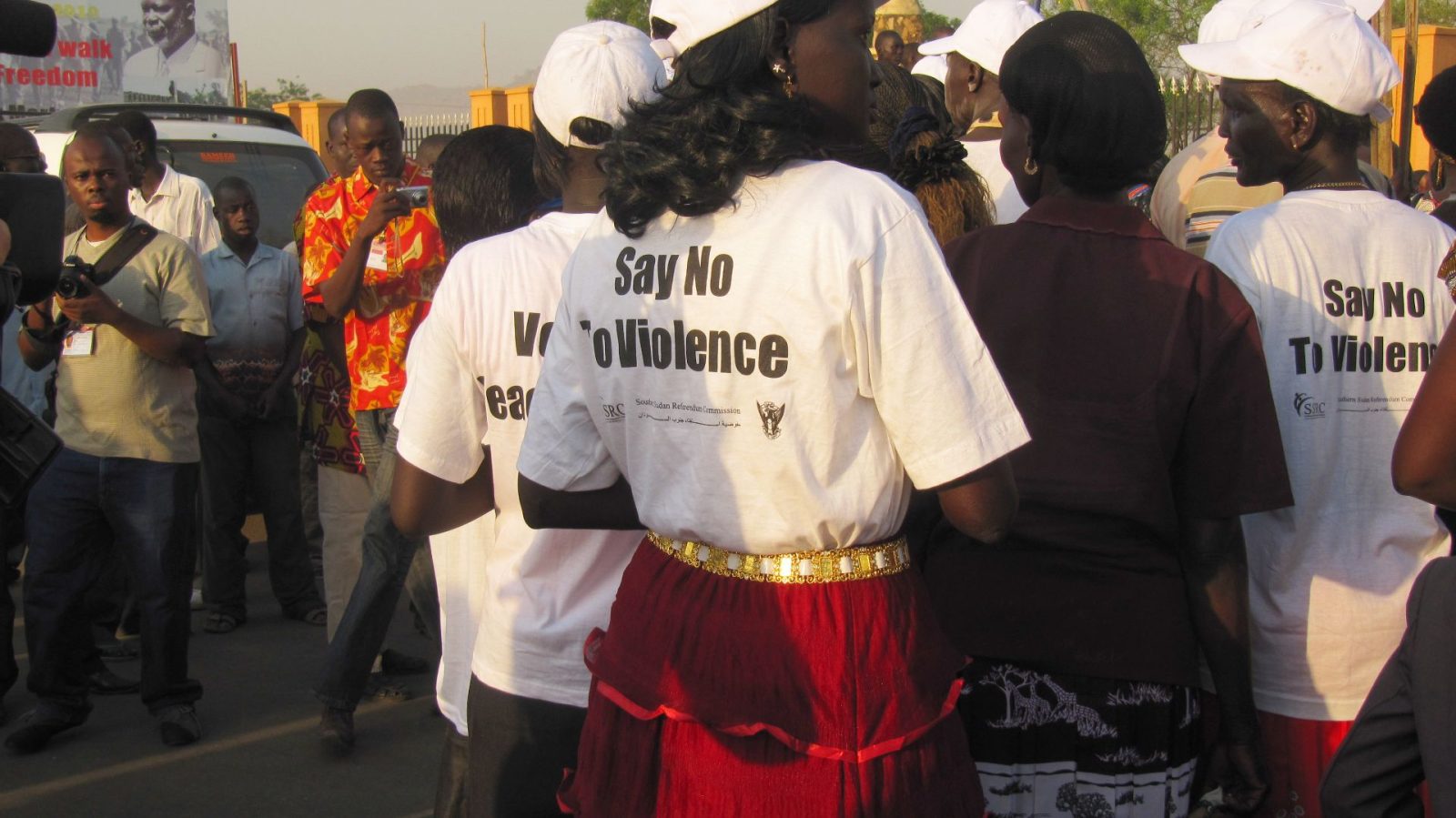
    In South Sudan, the world’s youngest nation, the struggle to align global humanitarian standards with local realities has been equally fraught. Humanitarian actors have worked tirelessly to address the dire consequences of civil war, including widespread displacement and famine. However, efforts to implement internationally driven aid programmes have often overlooked local mechanisms of conflict resolution and social cohesion. Traditional reconciliation practices, such as those mediated by elders or through customary courts, have been sidelined in favour of top-down peacebuilding initiatives. This has created disconnects between local communities and international actors, undermining the legitimacy and effectiveness of interventions. Programmes that have subsequently incorporated traditional practices, such as cattle reconciliation ceremonies, have demonstrated greater success in fostering trust and promoting lasting peace, underscoring the importance of adapting global principles to local contexts.

    A contrasting example can be found in the Sahel region, where efforts to address the escalating humanitarian crisis have increasingly recognised the need for context-specific approaches. In Mali, Burkina Faso, and Niger, international organisations have collaborated with local community leaders and faith-based organisations to ensure that aid delivery respects cultural norms and avoids exacerbating intercommunal tensions. For instance, food distribution programmes have been adapted to reflect local dietary preferences and religious practices, improving acceptance and reducing the risk of aid being rejected or misused. Such efforts illustrate how aligning humanitarian interventions with local realities can enhance their effectiveness while maintaining the core principles of neutrality and impartiality.

    These examples demonstrate that achieving a balance between global humanitarian principles and local realities is not merely an operational necessity but a strategic imperative. Effective humanitarian diplomacy must prioritise inclusive approaches that respect local knowledge and address community-specific needs while safeguarding the integrity of global principles. Such a balance not only enhances the immediate impact of humanitarian efforts but also lays the groundwork for more durable and context-sensitive pathways to peace.

    The Contribution of Humanitarian Diplomacy to Long-Term Conflict Resolution and Peacebuilding

    Humanitarian diplomacy plays a critical role in laying the groundwork for long-term conflict resolution and peacebuilding by fostering trust, opening communication channels, and addressing the root causes of instability. While traditionally focused on securing access and protecting vulnerable populations, humanitarian diplomacy also creates opportunities to transition from emergency response to sustainable peace efforts. However, the effectiveness of these contributions is often contingent on the ability of humanitarian actors to navigate complex political and social landscapes, as well as the willingness of conflicting parties to engage in dialogue.

    By fostering communication, trust, and inclusivity, humanitarian diplomacy provides essential building blocks for peace

    In the Central African Republic (CAR), humanitarian diplomacy has been instrumental in addressing the devastating effects of prolonged conflict while setting the stage for reconciliation. Humanitarian actors such as the International Committee of the Red Cross (ICRC) and the United Nations have facilitated negotiations between armed groups to allow aid delivery to affected communities. These negotiations have often evolved into broader discussions that address underlying grievances, such as access to resources, marginalisation, and political representation. For instance, humanitarian interventions in CAR have led to agreements that include demobilisation and reintegration programmes for ex-combatants, which are essential components of peacebuilding. However, the fragility of these agreements highlights the challenges of transitioning from immediate humanitarian goals to sustainable conflict resolution, as renewed outbreaks of violence often disrupt progress.

    The contributions of humanitarian diplomacy to conflict resolution and peacebuilding are therefore significant but inherently limited by the broader political and structural context. By fostering communication, trust, and inclusivity, humanitarian diplomacy provides essential building blocks for peace. However, these efforts must be complemented by political will, long-term development strategies, and genuine engagement with local communities to transform temporary agreements into lasting stability.

    Abraham Ename Minko is a senior researcher and policy analyst in peace, security, and conflict resolution.

  • Conflict & Resilience Monitor – 28 February 2025

    Conflict & Resilience Monitor – 28 February 2025

    The first Conflict and Resilience Monitor for the year begins with two articles on one of the crises currently seizing global attention, which is the unfolding events in the eastern Democratic Republic of the Congo (DRC). Paul Nantulya writes about the regional dynamics of the conflict and the various rebel groups, countries and regional economic communities involved in the conflict.  The article also discusses the various scenarios that could play out as the conflict continues to unfold in the region.  This article is followed by Gwinyayi A. Dzinesa’s reflections on the options available to the intergovernmental organisations in the DRC, namely the East African Community, the Southern African Development Community, the African Union and the United Nations to resolve the crisis.

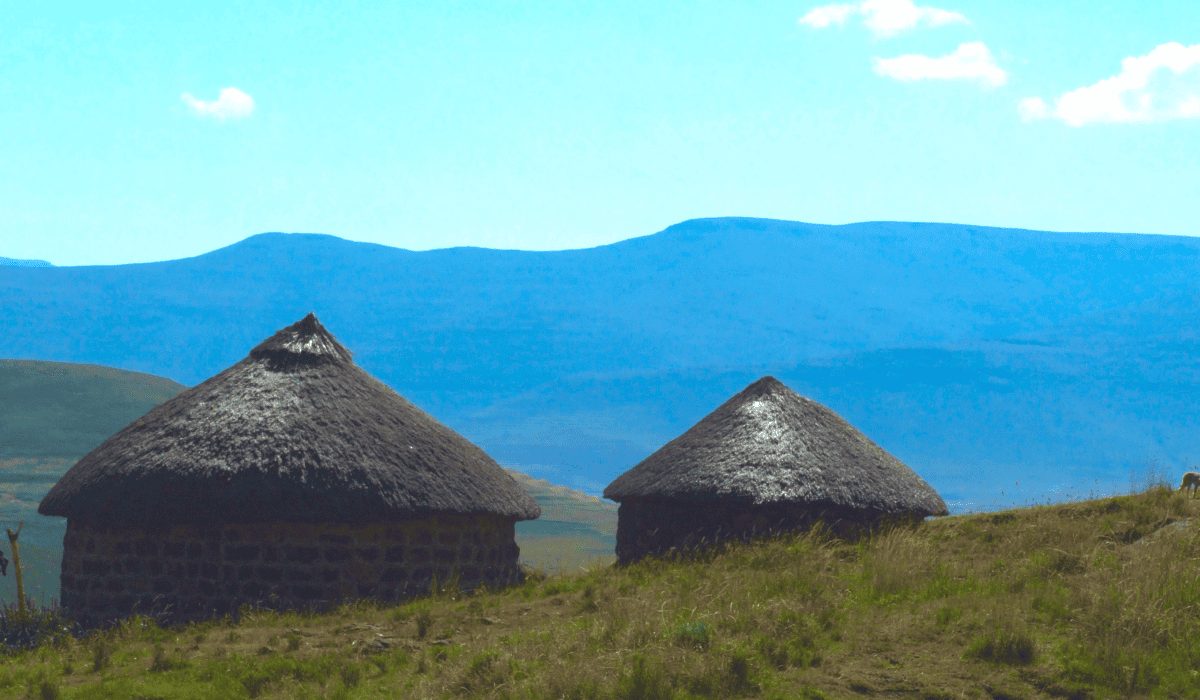
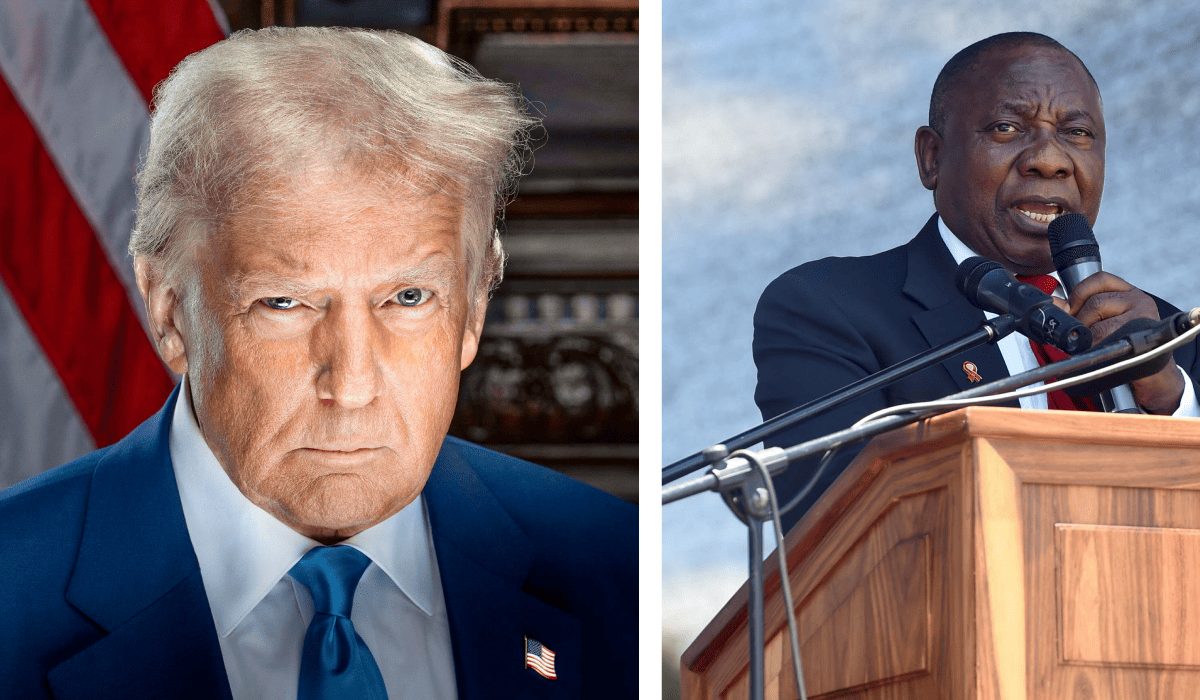
    Batlokoa Makong then writes about the highly reported case to reclaim the Kingdom of Lesotho’s territory from its neighbour, South Africa. The article discusses the legal basis for the claim, set in its historical context and analyses the most viable way for Lesotho and South Africa to deal with this emerging issue.  Remaining in South Africa for the next article, Erin McCandless writes about South Africa’s foreign policy options in light of the actions President Trump and his new administration has taken in response to new land expropriation legislation as well as South Africa’s policy on Gaza.  

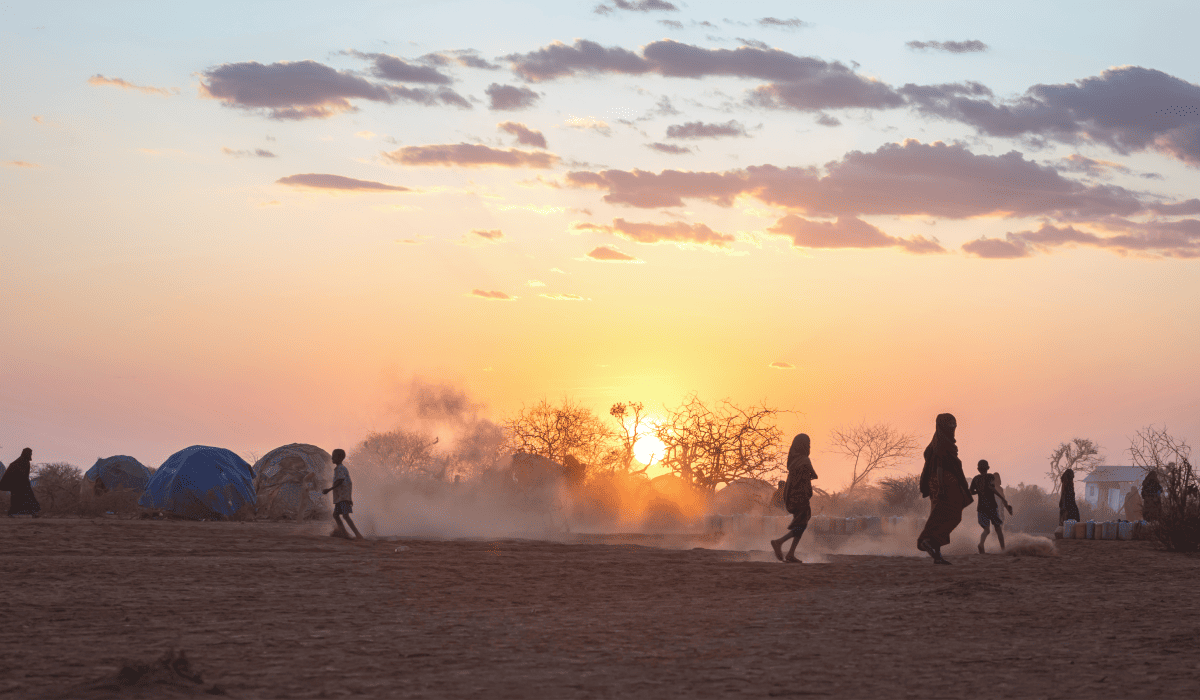
    Finally, the last article of this edition is about the Horn of Africa and the impacts that climate change is having in the region. Abraham Ename Minko writes about impact that floods and droughts have on communities and the tensions and conflicts that then occur due to the scare access to resources such as water and grazing land.

  • The DRC Conflict Enters a Dangerous New Phase

    The DRC Conflict Enters a Dangerous New Phase

    The conflict in the Democratic Republic of the Congo (DRC) has entered a new and more destabilising stage. A call for a pause in the fighting by leaders from the 8 member states of the East African Community (EAC) and 16 member states of the Southern African Development Community (SADC) was dismissed by Rwandan-backed M23 rebel forces, who have continued their offensive to seize more territory in the eastern DRC.

    Following their taking of Goma (population of 2 million) and Bukavu (population 1.3 million), the respective capitals of North and South Kivu Provinces, the M23 has pressed farther south, capturing Kamanyola on its way to Uvira (population of 650,000), the third largest city in the Kivus. Another prong moved north of Goma toward Butembo (population of 280,000).

    With the prospect of the M23 controlling the entirety of the 124,000 km2 of the mineral-rich Kivus, Rwanda would effectively be gaining a territory nearly five times its size.

    Nor would this necessarily be the culmination of Rwanda’s territorial ambitions. Tensions have already started surfacing in Kisangani (in north central DRC) and Lubumbashi (in the south of the country) following the M23’s threats to push all the way to Kinshasa.

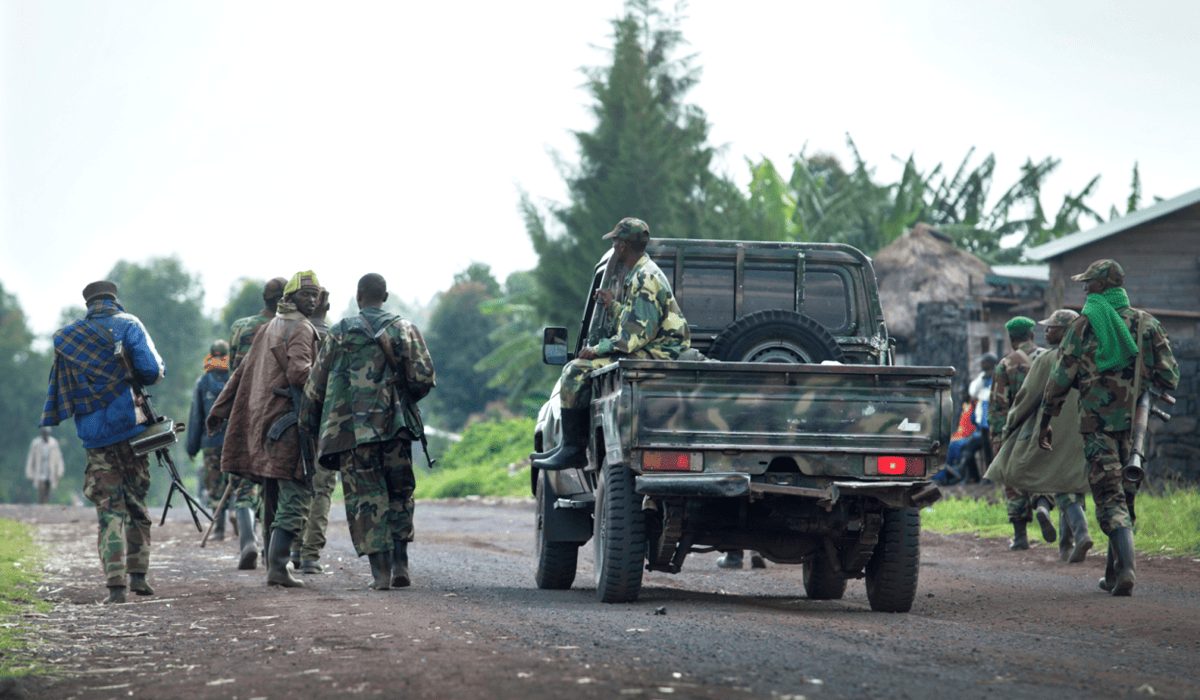
    Les forces armées de la République démocratique du Congo (FARDC) are not providing much resistance to M23 advances. Burundian forces, numbering around 10,000 in South Kivu, have reportedly started withdrawing after M23 rebels overran Kavumu Airport and the adjacent air force base on their way to Bukavu. The proximity of the fighting to Bujumbura, just across the DRC border, risks leading to a direct confrontation between Burundian and Rwandan troops.

    Ugandan forces, meanwhile, have also entered the DRC and seized Bunia (population of 900,000), the capital of Ituri Province. The aim of the Ugandan deployment is ostensibly to counter the wantonly violent criminal group, the Allied Democratic Forces (ADF), which has been menacing communities on both sides of the Ugandan-DRC border for years. However, the M23’s simultaneous drive towards Butembo enroute to Bunia has raised suspicions of potential coordination between the M23, Rwanda, and Uganda. Top Ugandan generals and senior government advisors have commented favourably on the M23’s cause and narrative, a markedly different tone than when the M23 seized Goma back in 2012.

    During the battle for Goma in January 2025, a firefight between the M23 and SADC Mission in the DRC (SAMIDRC) forces, who were in the DRC to help contain the M23 threat, led to the deaths of 20 soldiers from South Africa, Malawi, and Tanzania. About 1,300 SAMIDRC troops remain confined to their bases in Goma and Sake under the watch of M23 fighters after negotiating a ceasefire. The deaths and the potential of Rwanda gaining leverage over its giant neighbour have further accentuated the regional tensions underlying this conflict.

    The DRC’s already dire humanitarian situation has been worsened with the population displacements caused by M23 advances. More than 500,000 people in the Kivus were displaced as a result of the M23’s latest push. There are now an estimated 7 million Congolese displaced within the country, the majority in the eastern provinces.

    The United Nations (UN) estimates that 3,000 people, mostly civilians, were killed during the M23’s attack on Goma, underlying the degree of violence employed. Many say the death toll is much higher. The risk of mass atrocities is also high in a region where predation by rebels, militias, and government forces is common. The UN has warned of surging child recruitment, abductions, killings, and sexual violence.

    As the fighting expands, these human costs as well as wider instability for the entire region are likely to escalate. The First and Second Congo Wars are estimated to have resulted in the deaths of 5.4 million people and economic costs in the DRC alone of more than $11 billion (or 29 percent of its GDP at the time).

    A Regionalised Crisis

    The M23 is advancing faster than previous insurgencies from the east during the First (1996–1997) and Second Congo Wars (1998–2003), with the possibility that they could attempt to march on Kinshasa.

    Aside from the DRC and Rwanda, Burundi is the country closest to the vortex of this regionalised crisis. The Burundi National Defence Force (BNDF) has battled the M23 alongside the Congolese military, a government militia called Wazalendoand Romanian mercenaries, who departed after Goma fell. Rwanda-Burundi relations have been frosty since 2015 with each country blaming the other for supporting rebels seeking its overthrow.

    Rwanda also accuses Burundi of being part of a collection of forces fighting alongside the DRC that includes the Forces démocratiques de libération du Rwanda (FDLR), remnants of forces implicated in the 1994 genocide in Rwanda. South Kivu has witnessed heavy fighting between M23 and Burundian forces, who evidently started retreating to prevent encirclement as the rebels split up into three prongs, including one through Uvira, which faces Bujumbura across Lake Tanganyika—a 25-minute drive. Burundi says it has not retreated, but its forces reportedly crossed back into Bujumbura to reorganise. South Kivu also hosts Burundian rebels who have engaged in pitched battles with Burundian forces since 2021.

    Congolese President Félix Tshisekedi has also relied on SADC forces to fight the M23. This led to the May 2023 authorisation of the 1,300 SAMIDRC forces in the DRC (out of a maximum commitment of 5,000 troops). South Africa holds Rwanda ultimately responsible for SADC’s troops losses and has warned that further attacks would be treated as an “declaration of war.” Rwandan President Paul Kagame’s rejoinder was just as terse: “If South Africa prefers confrontation, Rwanda will deal with the matter in that context any day.”

    Malawi withdrew its troops in the face of the M23’s ongoing advance while Tanzania is playing the role of bridge-builder within the EAC. South Africa has deployed additional troops and equipment to the DRC.

    SAMIDRC was deployed under a SADC collective security treaty that compels immediate collective action if a member state is attacked or facing a complex internal national security threat. Should SAMIDRC become an all-out warfighting mission, it would be reminiscent of the Second Congo War when SADC troops came to the aid of then DRC President Laurent Kabila against the Rwandan and Ugandan assault.

    Tshisekedi has meanwhile requested Chadian military support to combat the M23. The regional crisis is therefore metastasising into a pattern that harkens back to the First and Second Congo Wars that drew in nine African countries, the largest African multinational war ever witnessed.

    The M23’s Shifting Calculus and Methods

    The M23 has imposed political and administrative governance structures in the areas it controls—a practice it did not employ in its campaigns a decade ago. It is also absorbing defeated Congolese government forces, after retraining and political education, another new modus operandi. The M23 now also operates as the armed wing of the Alliance Fleuve Congo (AFC), bringing together anti-government groups, armed movements, and political actors in parts of the DRC outside the east. The alliance is led by Corneille Nangaa, who hails from the west and was twice President of the Independent National Electoral Commission. Nangaa is calling for the overthrow of the government in Kinshasa.

    The M23 has also expanded its control of lucrative mining sites, including Rubaya (Congo’s largest coltan producer), which it seized in May 2024. “They [the M23] are targeting minerals in addition to government posts, the army, police, and state enterprises,” says Amadee Fikirini, Life Peace’s Country Director for Congo based in Bukavu. Rubaya produces 1,000 tons of coltan annually—half the DRC’s output. Other areas of M23 control are rich in cobalt and lithium, which are critical to electric vehicle batteries. The region is also rich in gold, which is reportedly the key source of revenue for the M23.

    A UN investigation found that the M23 earns $800,000 monthly from the taxes it imposes on miners and traders of coltan alone, partly explaining its military expansion in recent years. Calls are growing for the European Union (EU) to suspend a memorandum of understanding (MOU) it negotiated with Rwanda in 2024 to “boost the flow of critical raw materials for Europe’s microchips and electric car batteries.” Part of the MOU entails developing infrastructure in Rwanda for raw materials extraction, as well as health and climate resilience, for which the EU committed $941 million to Rwanda.

    Diplomatic Endeavours

    Two summits of the EAC, one in Nairobi and a joint EAC/SADC meeting in Dar es Salaam in January 2025, ended without clear agreement. Tshisekedi skipped the Nairobi summit while Burundi’s President Évariste Ndayishimiye skipped the one in Dar es Salaam. There is tension between the Congolese government and the EAC over Tshisekedi’s expulsion of the EAC Regional Force (EACRF) from the DRC in 2023, a year after it deployed. He accused it of being ineffective and unwilling to fight the M23. The EAC pushed back, noting that it reached a ceasefire with 53 of the nearly 120 armed groups in eastern DRC and that the M23 did not launch attacks for 8 months during its deployment thanks to diplomatic efforts.

    The EAC also balked at the Congolese government’s use of militias and foreign mercenaries, which would have put EACRF troops on the same side as these non-statutory forces in the battle against armed groups. It also insisted on finding a comprehensive solution to the question of citizenship for Congolese of Rwandan descent, to include the Banyamasisi, Banyamulenge, and others. This issue has long been manipulated by national authorities for political purposes, leaving these communities stateless at times and pushing them into rebellions, which have always started in the east—five cities in particular: Bukavu, Bunia, Goma, Kisangani, and Uvira.

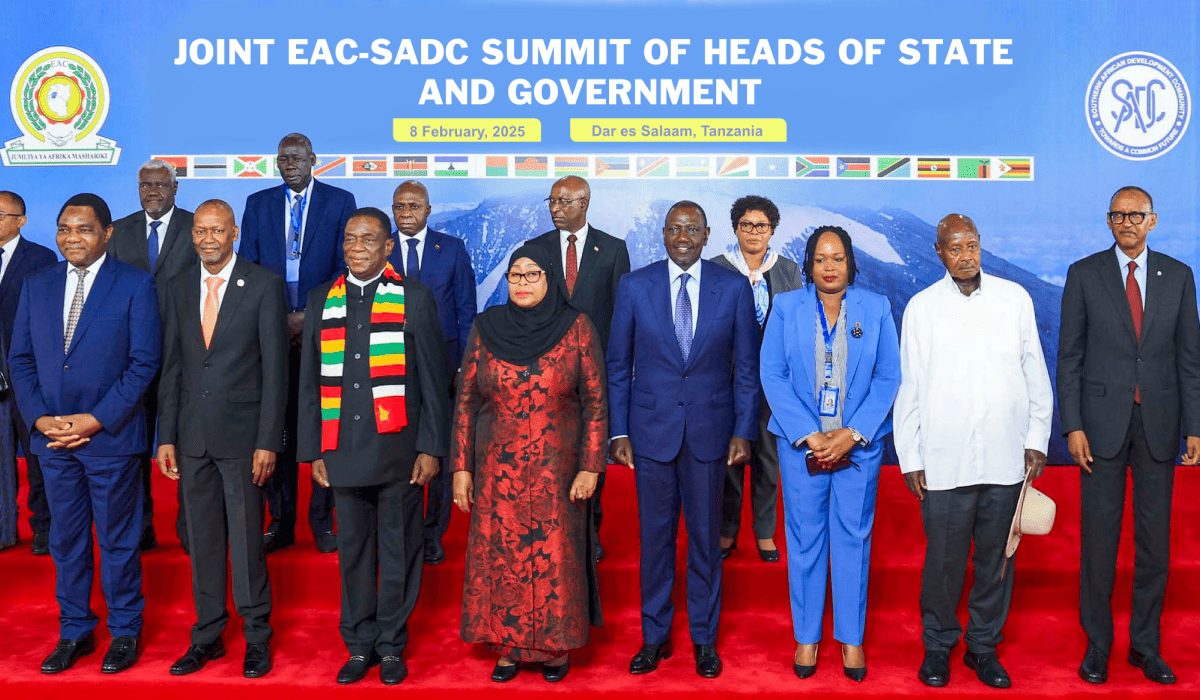
    The Dar es Salaam summit sought to bridge regional differences by bringing the two blocs together. It called for an immediate ceasefire, direct talks with the M23 and other nonstate actors, and a plan to disengage Rwandan forces by harmonising efforts to neutralise the FDLR. Leaders from both blocs gave themselves 30 days to reassemble and hear back from EAC and SADC chiefs of defence on a ceasefire.

    The Congolese Catholic Bishops Conference (CENCO) also launched a diplomatic initiative, holding high-level meetings in the DRC and the region. These efforts led to a brief pause and pullback of M-23 troops from Bukavu, before they moved in again and seized the city.

    Possible Scenarios Moving Forward

    The interests driving the M23 and its backers are varied and unclear. Plausible scenarios or combinations thereof, can be sketched from the debates by Congolese professionals and activists on the ground in Goma, Bunia, Bukavu, Uvira, Kisangani, Katanga, and Kinshasa, as well as among the Congolese diaspora.

    Scenario 1: De Facto Military and Administrative Control of the Kivus

    Many Congolese refer to this scenario as “annexation by Rwanda.” It could plausibly strengthen the M23’s hand at the negotiating table and/or create the conditions for a permanent or semi-permanent sphere of Rwandan control.

    Scenario 2: National Rebellion

    This would be a repeat of previous wars in the DRC, which crystallised in the east and spread to the west and ultimately Kinshasa. The AFC-M23 alliance has taken on a national narrative and called for the overthrow of Kinshasa. Some analysts believe that capturing political power is the ultimate objective of the offensive. The aim would be a regime dominated by the AFC or components sympathetic to it.

    Scenario 3: Protracted Regional War

    If diplomacy fails, the armed protagonists may decide to pursue military solutions, a scenario that would be a repeat of the Second Congo War, which pitted the DRC government and its SADC allies on one side and Uganda and Rwanda on the other.

    Diplomatic Initiatives

    Each of these scenarios entails huge and likely long-lasting human, social, and financial costs for all parties. To avoid these outcomes, an alternative, diplomatic resolution is needed.

    The DRC faces both a domestic and externally driven crisis. To de-escalate and walk back this conflict, both dimensions must be addressed.

    Domestically, observers have long argued that since independence, the DRC has been hamstrung by governance structures that lack legitimacy and accountability. Its leaders have tended to treat the country as private property in much the same way as King Leopold II of Belgium. This is demonstrated by the perpetual inability of the FARDC to protect Congolese citizens—and the need to rely on external partners for the DRC’s security.

    To remedy this requires strengthening and upholding democratic checks and balances that genuinely represent citizen interests and promote transparency. This includes an independent judiciary and elections commission to register the will of the people and ensure an executive respects the rule of law. It will also require a more independent parliamentary process that provides oversight of government expenditures, including transparent regulation of the mining sector. A more robust oversight of the security sector is also required to ensure that allocated resources are used to maintain professional, disciplined, and well-trained and equipped armed forces to defend the country’s nine international borders.

    Reforms will also require addressing the issues of citizenship among the Congolese of Rwandan descent in the east of the country and upholding previous commitments to fully integrate them into Congolese society.

    Georges Nzongola-Ntajala, a veteran Congolese intellectual and retired diplomat argues that the Sovereign National Conference (1991-1992), where he advised the late Étienne Tshisekedi, was the first serious attempt to address these problems. The DRC may need a second, inclusive national conference, assembling all political and social forces under the stewardship of the country’s highly respected religious leaders like in 1991-1992 to address the current crisis. Such a national conference could draw lessons from other conflict resolution efforts in the DRC, including the Inter-Congolese Dialogue.

    The external dimensions of the DRC’s crisis will require a pullback by the M23 and its backers as called for by the EAC and SADC leaders. The unanimously adopted UN Security Council Resolution of February 21, 2025, condemning the M23 offensive and calling on Rwanda to cease its support for the M23 and immediately withdraw from the DRC builds on an earlier African Union resolution condemning the M23 attacks. The EU’s subsequent suspension of security assistance to Rwanda is in line with these resolutions.

    A ceasefire may require the deployment of a multinational AU observer force comprised of countries acceptable to all belligerents. A ceasefire would need to be supported by the resumption and merging of the Luanda and Nairobi negotiating processes to realise a longer term resolution. This would entail a verifiable agreement between the DRC and Rwanda, backed by a joint commission to monitor commitments. This could be modelled after the South African-mediated Pretoria Agreement in 2002 that paved the way for Rwanda’s exit from the DRC and a mechanism for joint operations with the Congolese government to address the FDLR.

    Lessons, too, can be drawn from the 1999 Lusaka Agreement, which orchestrated the cessation of hostilities from the First Congo War, including a process for the orderly withdrawal of external actors and a mechanism to pursue disarmament and reintegration of former combatants into the Congolese military.

    A multinational African guarantor mechanism with international backing would likely be a critical element of such an agreement to provide assurances to all sides that commitments are being upheld.

    The solutions to the DRC’s complex problems are to be found within the Congolese experience but must be backed up by African support and engagement to be realised—and to avert the enormous costs to the continent generated by previous conflicts in the DRC.

    This article was first published by the Africa Center for Strategic Studies and can be accessed here.

    Paul Nantulya is a Research Associate with the Africa Center for Strategic Studies.
  • Stabilising Eastern DRC: Strategic Options for the UN, AU and its RECs

    Stabilising Eastern DRC: Strategic Options for the UN, AU and its RECs

    Africa’s regional organisations and the United Nations (UN) have held a series of high-level summits to address the escalating situation in eastern Democratic Republic of Congo (DRC), which threatens regional stability. Since 2021, this largely ungoverned area has experienced a resurgence of armed groups, particularly the Rwanda-backed March 23 Movement (M23), which promotes Rwandan politico-economic and security interests rooted in historical context. In January 2025, the M23 seized Goma, the capital of the strategically significant, and mineral-rich, North Kivu Province, with little resistance from the Congolese armed forces (FARDC), and subsequently launched a military offensive into South Kivu. The M23 has attempted to establish a parallel civilian administration and expand mineral extraction in its areas of control. This reflects the narrative of “Greater Rwanda,” which envisions extending Rwanda’s territory beyond its colonial borders. The surge in violence in eastern DRC has resulted in significant loss of life and displacement and destruction of infrastructure, worsening an already critical humanitarian situation. Since 26 January 2025, over 843 people have been killed and more than 500,000 displaced, with at least 19 peacekeepers from the Southern Africa Development Community (SADC) regional force (SAMIDRC) and the UN stabilisation mission in the DRC (MONUSCO) also killed.

    Amid these dire circumstances, there is a summitry consensus on the urgent need for a peaceful resolution to the complex eastern DRC conflict. This article explores the role and strategic options of key stakeholders to stabilise eastern DRC: the UN, the African Union (AU) and its regional economic communities and regional mechanisms (RECs/RMs), specifically the East African Community (EAC) and SADC.

    East African Community

    The EAC aimed to address insecurity in eastern DRC by deploying a  Regional Force (EACRF), with troops from Burundi, Kenya, South Sudan and Uganda, to eastern DRC in November 2022, notwithstanding some EAC members’ competing vested interests. However, tensions regarding the EACRF’s mandate torpedoed the force. The EAC sought to use the force for peacekeeping efforts to facilitate the withdrawal of armed groups like the M23, while engaging in dialogue through the intermittent Nairobi Process facilitated by former Kenyan President Uhuru Kenyatta. In contrast, the Congolese government did not extend the EACRF’s mandate, frustrated by its inability to offensively support the FARDC against the M23 and instead sought SADC’s assistance. In response to the deteriorating security situation in eastern DRC, an EAC extraordinary summit held on 29 January 2025 called on all parties to the conflict to cease hostilities and hold peace talks instead, urged the Congolese government to engage in direct dialogue with the M23, and proposed a joint EAC-SADC meeting. Congolese President Félix Tshisekedi, who had previously been averse to negotiating with the M23, did not participate in the EAC summit.

    Southern African Development Community

    In December 2023, SAMIDRC, comprising troops from Malawi, South Africa and Tanzania, was deployed following President Tshisekedi’s invitation. Its offensive mandate focuses on neutralising armed groups and the protection of civilians (POC) alongside the FARDC. SAMIDRC was meant to complement the Luanda Process, facilitated by Angolan President João Lourenço since 2022, to promote political dialogue between the DRC and Rwanda. Although a ceasefire agreement was reached in August 2024, subsequent talks collapsed by December due to bad faith from the parties involved and divergence over M23’s participations, with the M23 advancing rapidly, jeopardising the Luanda Process. SAMIDRC has faced logistical challenges despite support from the AU and UN and struggled to fulfil its mandate. On 31 January 2025, a SADC summit in Harare, Zimbabwe, condemned the M23 and Rwanda Defence Force (RDF) aggression, reaffirmed support for SAMIDRC and the Luanda Process, and called for a ceasefire process to ensure POC and flow of humanitarian aid. The summit also endorsed the proposal for a joint EAC-SADC Summit proposal.

    African Union

    The AU has also made efforts to address violence in eastern DRC. In 2022, the AU requested Angolan president João Lourenço to mediate between the DRC and Rwanda, initiating the Luanda Process. The AU has provided logistical and financial support to SAMIDRC. Following the renewed escalation in the DRC crisis and M23’s territorial expansion, the AU Peace and Security Council discussed the situation on 28 January 2025. The Peace and Security Council expressed deep concerns about the risk of an open regional war, reiterated the need for M23 to disarm and withdraw, and urged reconciliation and open dialogue among the parties. The AU has recognised the need to harmonise and coordinate existing peace initiatives. Therefore, the AU Commission (AUC) convened a Quadripartite Summit involving four RECs/RMs—the EAC, SADC, the Economic Community of Central African States (ECCAS) and the International Conference on the Great Lakes Region (ICGLR)—along with the UN in Luanda, Angola, on 27 June 2023. However, the lack of implementation of the resulting Quadripartite Mechanism, under the auspices of the AUC has perpetuated coherence issues, ineffectiveness and violations of both the Luanda and Nairobi processes. 

    United Nations

    MONUSCO has supported the Congolese government in addressing security issues in eastern DRC, prioritising the POC, stabilising state institutions and supporting security reforms. MONUSCO has provided SAMIDRC with limited logistical and operational support according to UN Security Council Resolution 2746(2024). Despite its mandate, MONUSCO and SAMIDRC have struggled to curb the M23’s territorial expansion. On 21 February 2025, the UN Security Council unanimously condemned the M23’s actions and urged an immediate cessation of hostilities and a withdrawal from occupied territories, while demanding that the RDF stop supporting the M23. This was crucial as UN Security Council members have divergent views on the role of external forces. The A3 Plus group—comprising Algeria, Sierra Leone, Somalia and Guyana—has previously opposed any explicit mention of Rwanda, fearing it could undermine mediation efforts. The UN Security Council condemned the FARDC’s support for specific armed groups, particularly the ethnic Hutu group known as the Democratic Forces for the Liberation of Rwanda (FDLR), which was implicated in the 1994 Rwandan Genocide against the Tutsis and seeks to overthrow the Rwandan government. The UN Security Council also emphasised the need for all parties to reach an immediate and unconditional ceasefire in alignment with the demands of the EAC and SADC, urging the DRC and Rwanda to recommit to the Luanda and Nairobi peace processes.

    The next strategic steps 

    The historic joint EAC-SADC summit held in Dar es Salaam, Tanzania, on 8 February 2025 called for an immediate ceasefire, but so far this has had little effect. The summit demanded the “lifting of Rwanda’s defensive measures/disengagement of forces from the DRC,” advocating for the urgent consolidation of the Luanda and Nairobi processes. To stabilise eastern DRC effectively, the following assertive steps are imperative based on the recent flurry of high-level summitry by African regional blocs and the UN:

    AUC, EAC and SADC

    • The AUC, EAC and SADC Secretariats must develop a comprehensive framework to enhance coordination and integration between the Luanda and Nairobi processes, maximising their effectiveness;
    • The AU, EAC and SADC must establish a Joint Coordination Mechanism to provide essential technical support, ensuring enhanced coordination and integration of the Luanda and Nairobi processes in close cooperation with other relevant RECs/RMs, particularly the ECCAS and ICGLR. SADC should deploy its Mediation, Conflict Prevention, and Preventative Diplomacy (MCPPD) architecture in this pursuit;
    • The AUC, EAC and SADC Secretariats must set up robust funding mechanisms to support the peace initiatives in eastern DRC and implement regular reporting systems to ensure a unified decision-making process;
    • The combined Luanda and Nairobi peace processes must engage all parties in the conflict. It is essential for all those with influence to make efforts to encourage those hesitant to participate in the peace talks to engage, fostering a comprehensive and inclusive approach to conflict resolution in the volatile eastern DRC.

    UN

    • The UN Security Council, as the ultimate guarantor of global peace and security, must unequivocally communicate its commitment to bolstering the merged Luanda and Nairobi peace processes, taking decisive actions necessary to optimise these initiatives and ensure effective implementation of any agreements reached;
    • All 15 Security Council members must work collaboratively to achieve a shared understanding of how to secure peace and stability in eastern DRC, acting decisively to prevent any exploitation of divisions among members by parties to the conflict;
    • The UN Security Council should guarantee that MONUSCO and SAMIDRC receive full support and adequate resources, strengthening the critical relationship between SADC, the AU, and the UN on peacekeeping to ensure the efficient execution of their mandates. The international community must consider punitive measures against armed groups that attack civilians, as well as SADC and UN peacekeepers;
    • The UN Peacebuilding Commission, in collaboration with the AU and SADC, should assist the Congolese government to establish a strong state presence and effective governance in eastern DRC that is capable of administering the territory and countering threats against civilians.

    Dr Gwinyayi A. Dzinesa is a senior faculty member of Africa University and a Senior Research Fellow at the Institute for Pan African Thought and Conversation (IPATC), University of Johannesburg and Institute for Justice and Reconciliation (IJR), South Africa. The views are those of the author and not necessarily those of affiliated institutions.

  • A Critical Analysis of Lesotho’s Quest for its Conquered Territory

    A Critical Analysis of Lesotho’s Quest for its Conquered Territory

    The topic of Lesotho’s quest to regain its conquered territory evokes strong emotions and demands thoughtful consideration. The reclamation of this land by Lesotho’s Parliament, pursuant to the United Nations (UN) Resolution 1817 (XVII) passed on 18 December 1962, is a matter that requires a thorough analysis and deep reflection.

    A closer examination of UN Resolution 1817 (XVII) reveals that the UN specifically urged the United Kingdom (UK), which held colonial authority over Lesotho at the time, to take immediate steps to return all land that had been taken from the Basotho people regardless of the justifications given for such action. 

    Notably, the resolution did not mention the return of conquered territory by South Africa, already then recognised as a sovereign state and a founding member of the UN. This responsibility was squarely placed on the UK, which was the colonial authority over Basutoland at that time. Even if the resolution had explicitly directed South Africa to return the conquered territory to Lesotho, questions would still arise about the binding nature of that UN General Assembly Resolution. This question would arise because it is widely accepted that, according to the UN Charter’s provisions, the General Assembly can only make non-binding recommendations to its member states. For decisions with binding authority on member states, Article 24 and 25 of the UN Charter specifically assert that only the UN Security Council can issue them, regardless of whether the resolution pertains to the maintenance of international peace and security.

    Another significant aspect that has to be considered in the discussion of Lesotho’s territorial reclamation, pursuant to UN Assembly Resolution 1817 (XVII), is Lesotho’s acceptance of the borders that existed upon its achievement of national independence on 4 October 1966. When Lesotho joined the Organisation of African Unity (OAU) on 31st October 1966, it committed itself irrevocably to the principle of respecting the borders that existed on the day of its national independence. The OAU Assembly of Heads of State and Government at its First Ordinary Session held in Cairo, Arab Republic of Egypt, from 17- 21 July,1964, through Resolution AHG/Res. 16(I) considered that the borders of African states, on the day of their independence, constitute a tangible reality. The OAU Assembly had also solemnly reaffirmed the strict adherence by all member states to the principle of respect for the sovereignty and territorial integrity of each state and for its inalienable right to independent existence.

    Lesotho has never been a persistent and consistent objector to this African customary international law principle of respecting borders as they existed on achievement of national independence. To complicate matters, when Lesotho ratified the African Union (AU) Constitutive Act in 2001, it reaffirmed its acceptance of the principle of respecting borders as they existed on achievement of independence. Article 4 (b) of the Constitutive Act of the AU mandates the AU to operate in accordance with the principle of respect of borders existing on achievement of independence. It is generally affirmed and emphasised that this principle is the cornerstone of continental peace, security, and stability, as well as peaceful coexistence among African states. Any deviation from this principle could jeopardise the warm relations between African states and any unilateral territorial reclamation could escalate into a threat or use of force, as every sovereign state has a fundamental right to protect and defend its territorial integrity. It is imperative in terms of Article 2.3 and Article 2.4 of the UN Charter for states to settle their international disputes by peaceful means in such a manner that international peace, security and justice are not endangered. All states are also obliged to refrain from the threat or use of force against the territorial integrity or political independence of any other state.

    Therefore, in terms of the provisions of the UN Charter and other treaty obligations as well as the UN Declaration on Principles of International Law concerning Friendly Relations and Cooperation among states, Lesotho and South Africa should engage in a diplomatic dialogue regarding the matter. This diplomatic effort should follow in the footsteps of previous initiatives, such as the one initiated by Lesotho’s then-Minister of Foreign Affairs, Eminent Adv. Kelebone Maope KC, in 1997. Engagement of the two friendly countries on this matter should be based on established principles of sovereignty over a territory namely, treaties, recognised historical boundaries and evidence of effective control. 

    If diplomatic engagements do not succeed, then by mutual consent the two countries could approach the International Court of Justice or the Permanent Court of Arbitration rather than Lesotho unilaterally reclaiming the territory in terms of Section 2 (1) of its constitution. In this case the two countries will be following in the footsteps of other Africa states in similar situations namely: Burkina Faso v. Mali: Frontier Dispute (1986); Libya v. Chad: Territorial Dispute (1994); Cameroon v. Nigeria, Equatorial Guinea intervening:  Land and Maritime Boundary (2002); Benin v. Niger: Frontier Dispute (2005); Botswana v. Namibia: Kasikili/Sedudu Island (1999) and The Permanent Court of Arbitration arbitral proceedings on Eritrea-Ethiopia Boundary Commission award (2002) to mention but a few. 

    However, both Lesotho and South Africa share a commitment to realising the AU vision of a united, prosperous, and peaceful Africa driven by its own citizens and representing a dynamic force in the global arena, as well as The Africa We Want. It is in this context, that persuaded by concrete realities on the ground, dynamics of geo-politics, and realpolitik, the collective leadership of both countries must, as a matter of urgency assess the nature of their current states, which are legacies of colonialism. This assessment is essential for deepening integration, ensuring sustainable socio-economic development, and fostering prosperity for the people of Lesotho and South Africa and indeed the people of the entire Southern Africa. 

    In reality, Lesotho, is a landlocked, lower-middle-income country completely surrounded by South Africa and economically integrated with its larger and only neighbour. On the other hand, South Africa, is an upper-middle-income country with the most industrialised, technologically advanced, and diversified economy on the continent. According to the World Bank Data (2022), South Africa has a population of around 60 million, a gross domestic product (GDP) of approximately US$ 405.87 billion and a GDP per capita of US$ 6,776.50. In contrast, Lesotho has a population of around 2.3 million, a GDP of approximately US$ 2.55 billion, and a GDP per capita of US$ 1,107.40. The poverty headcount ratio in Lesotho is 32%, while in South Africa, it is 20.5%. 

    Given these concrete realities and the interdependence of the two countries, the discussion should shift away from territorial reclamation, which presents complex legal and political challenges. Rather, the real discussion between the two countries should be about how to explore and utilise existing frameworks in their efforts to deepen their political, economic and people integration. Such frameworks include the Southern African Customs Union (SACU) between Botswana, Eswatini, Lesotho, Namibia, South Africa and the Common Monetary Area between Eswatini, Lesotho, Namibia and South Africa, as well the Agreement on the Facilitation of Cross-Border Movement of Citizens between Lesotho and South Africa (June, 2007). These frameworks can serve as the building blocks for fostering prosperity and socio-economic development for both countries and their people. 

    Advocate Batlokoa Makong is the advisor to the Chief Executive Officer of the African Peer Review Mechanism

  • Pathways to Peace in a Complex World: Ramaphosa, Trump, and Avoiding a Dialogue of the Deaf

    Pathways to Peace in a Complex World: Ramaphosa, Trump, and Avoiding a Dialogue of the Deaf

    As South African President Cyril Ramaphosa prepares to dispatch envoys to engage with the United States (US) and other world capitals, South Africa stands at a crossroads in global diplomacy. Its vision of multilateralism guided by principles of peace, solidarity and equality – shared by many nations – contrasts sharply from the nationalist exceptionalism shaping US President Donald Trump’s agenda.

    While Ramaphosa navigates the complexities of a government of national unity (GNU), Trump enters his term emboldened by a full electoral mandate, championing unilateralism and military dominance. Meanwhile, the world watches and endeavours to respond to a flurry of Trump’s executive orders that are attacking the sovereignty and principles of many countries globally, and the foundation of multilateralism itself. Trump’s recent inflammatory statements — along with an executive order targeting South Africa’s governance and policy choices — are illustrative, and prompt this analysis. 

    As the Gaza crisis deepens and global instability escalates, South Africa’s alternative vision forged in its own transition from apartheid suggests that achieving peace domestically and globally – and confronting the US’s present aggressive agenda – requires both principle and pragmatism, justice and realpolitik.

    Diverging Visions of Peace and Power

    As their recent national addresses reinforced, the two leaders have starkly different approaches to governance and global leadership. Trump believes that peace is secured through overwhelming military strength and economic protectionism. He portrays the US as a nation under siege, reclaiming dominance through trade wars, border fortifications and selective alliances. His rejection of multilateral institutions reflects a broader strategy of disengagement from global frameworks deemed against American interests.

    By contrast, Ramaphosa positions South Africa as a champion of diplomacy, negotiation and international law. Grounded in historical struggles against apartheid and injustice, South Africa publicly (though not without considerable domestic political criticism) prioritises institutional accountability, cooperative problem-solving and a liberal democratic agenda – while standing in solidarity with anti-colonial and anti-imperial struggles.

    Ideological divisions extend to global conflict and governance. Trump believes in leveraging economic and military superiority to shape international outcomes, often disregarding international legal mechanisms and basic standards of the international order. His administration’s unwavering support for Israel, including the recognition of Jerusalem as its capital, epitomises this transactional approach.

    Ramaphosa, by contrast, advocates for an inclusive global order where power is tempered by principles of justice and accountability. South Africa’s legal action at the International Court of Justice (ICJ) against Israel for genocide underscores this commitment to holding all actors accountable, regardless of geopolitical calculations.

    Gaza, global justice and domestic peace

    Nowhere is this contrast clearer than in Gaza.

    Trump’s “iron clad” support for Israel at all costs, his dismissal of the Palestinian right to statehood and his proposed takeover of Gaza as a real-estate transaction – turning one of the world’s largest mass graveyards in history into a luxury resort – defy comprehension to most, exhibiting flagrant dismissiveness of the rules of international relations long championed by the US.

    In contrast, Ramaphosa has positioned South Africa as a moral force, using legal and diplomatic efforts to uphold international law and human rights. The ICJ case against Israel reflects not just South Africa’s stance on Palestine, but also ideological alignment with a broader anti-colonial position shared by the African Union and the G77, amongst others, challenging selective and unfair application of international law.

    South Africa’s stance demonstrates how moral authority, when backed by legal frameworks, can counter raw power politics in shaping international relations. Beyond Gaza, South Africa’s call for adherence to principles and rules in world order challenges Trump’s transactional approach – one that views international institutions as burdens, constraining US actions where they do not serve American interests. 

    More widely, South Africa has worked to build inclusive frameworks prioritising fairness over power politics, supporting multilateral responses to address humanity’s common challenges. Its positions on climate justice, debt relief and international trade reflect a commitment to restructuring global institutions to better serve global majorities. Illustrative of this, Ramaphosa’s recent State of the Nation Address underscored South Africa’s G20 presidency as “an opportunity to place the needs of Africa and the rest of the Global South more firmly on the international development agenda.” 

    At the same time, however, South Africa’s legitimacy and power to advance this agenda demands greater alignment of its actions and rhetoric – both in the Israel-Palestine conflict and in other foreign policy matters affecting Africa.

    On the domestic front, South Africa’s GNU represents an effort at inclusive governance that reflects Ramaphosa’s need to address both governance challenges at home, and the reality that transitions towards democracy and peace globally are neither quick, easy, nor linear. The government’s approach (pre-dating Ramaphosa) in transitioning from apartheid to majority rule has broadly reflected an imperfect yet significant model of compromise rooted in negotiated settlements, legal frameworks and the forging of inclusive social compacts.

    Conversely, Trump’s leadership thrives on unilateral decision-making, fostering divisions, weaponising social grievances and purging political opponents. His dismantling of democratic institutions and social safety nets – led by South African-born Elon Musk, with seemingly unlimited powers – will undoubtedly serve to reinforce systemic inequalities.

    Trump’s executive order accusations of “unjust and immoral practices” in South Africa – from its ICJ case against Israel to land policies – extends his domestic strategy of racial polarisation to the international stage. His extraordinary offer to resettle white South Africans as refugees reveals how narratives of white victimhood, politically potent among his base, are now being weaponised globally to undermine democratic politics elsewhere.

    Messages to Trump and World Capitals

    South Africa is not uniquely targeted by Trump, but rather part of a broader ideological struggle shaping global politics – between the liberal order defenders and challengers, and those seeking to craft alternatives. As Trump will likely continue this path, other nations would do well to draw lessons, and collaboratively strategise the shaping of solidarity responses. 

    Moral and political leadership requires averting divisive, polarising politics at home and abroad as transformative paths are sought. Encouragingly, South African leaders across party lines and civil society are largely demonstrating considerable unity in response to Trump’s attacks. At the diplomatic level, South Africa must continue to resolutely condemn the misinformation, fostering counter-media campaigns and counter narratives designed to undermine its sovereignty and global standing. This can be done by leveraging multilateral platforms to file formal complaints and by enhancing fact checking measures. Notably, calling on X (Twitter) to establish a dedicated fact-checking protocol for South Africa-related content is one example.

    Critically, responses must focus on the long game: Trump’s presidency will last four years — barring constitutional changes — but today’s global realignments will shape international relations for decades.

    South Africa must seize this moment to engage strategically, strengthen alliances, and champion alternative paths. This means building Global South solidarity, shaping new and better institutions, and deepening cooperative, strategic efforts to address global crises – including with Northern actors. Key European capitals that have expressed alignment with South Africa’s values reflect a strong starting point.

    Engaging world capitals, South Africa should lead by example with clear and coherent key messages and related actions that show:

    • Multilateralism matters: Unilateralism and force do not foster stability in a multi-polar world. A rules-based international system cannot be contingent upon geopolitics or particular national interests. Inclusive, networked multilateralism is needed – that recognises and engages the sub-national, transnational and regional actors that are increasingly central in the shaping of global politics.
    • Application of international law must be consistent: If sovereignty is sacrosanct in Ukraine, it must be upheld in Palestine. This will require addressing a more difficult set of questions for South Africa and others advocating for the upholding of international law, while pursuing foreign policies perceived to be rooted in double standards (i.e. maintaining coal sales to Israel while pursuing the ICJ case, building relations with Iran and overlooking Russia’s war crimes).
    • G20 and BRICS opportunities should be harnessed: Forging partnerships and taking actions to reinforce an equitable and principled international system are paramount, and to work towards sustainable alternatives to receiving aid from the US.
    • Gaza is a defining crisis: The atrocities unfolding against Palestinians are a test of the world’s commitment to justice. Complicity today will erode global credibility tomorrow.

    South Africa’s engagement with Trump and other world leaders must go beyond damage control and avoid descending into a dialogue of the deaf.

    Equally, while there is value in deepening communication channels with Trump’s administration, this should not come at the cost of abandoning key principles.

    South Africa offers a vital alternative to power-based diplomacy. By championing law over force, multilateralism over unilateralism, humanity over narrow interests, and increased space for the Global South in shaping international politics, Ramaphosa’s envoys can demonstrate practical pathways to addressing global challenges.

    Their success in articulating this vision could help catalyse renewed commitment to a more just international order at this pivotal moment.

    This piece was first published by News24 and can be accessed here. It has been republished here with minor edits.

    Professor Erin McCandless is Acting Director of the Qatar-South Africa Centre for Peace and Intercultural Understanding at the University of Johannesburg. The views expressed are those of the author and not the University of Johannesburg.

  • Navigating Security Challenges in the Horn of Africa: The Interplay of Climate Change, Resource Scarcity and Regional Stability

    Navigating Security Challenges in the Horn of Africa: The Interplay of Climate Change, Resource Scarcity and Regional Stability

    The Horn of Africa is a region marked by a complex tapestry of challenges, where political instability, economic underdevelopment, and social fragmentation intersect. In recent years, the impacts of climate change have emerged as a significant factor exacerbating existing vulnerabilities and fuelling conflict. This fragile region, encompassing countries such as Djibouti, Eritrea, Ethiopia and Somalia, has become a focal point for understanding how environmental stressors can reshape security landscapes. As climate-induced phenomena like droughts, erratic rainfall and desertification intensify, the competition for limited resources, including water and arable land, has deepened tensions among communities and across borders.

    Resource scarcity in the Horn of Africa is not merely a by-product of environmental change but is deeply intertwined with socio-economic inequities, governance failures, and historical grievances. Communities dependent on pastoralism and agriculture, which are highly vulnerable to climatic fluctuations, often find themselves at the centre of disputes over dwindling resources. These local conflicts, if unresolved, can escalate into broader regional instability, undermining peace and development efforts. The interplay between resource scarcity and conflict highlights the urgent need for integrated approaches to address the root causes of insecurity in the region. Efforts to mitigate these challenges have been led by a variety of actors, including national governments, regional organisations such as the Intergovernmental Authority on Development (IGAD), and international institutions like the African Union and the United Nations. However, the effectiveness of these initiatives remains inconsistent, hampered by fragmented responses, limited resources, and competing political interests. While some progress has been made in fostering regional cooperation, persistent insecurity and climate vulnerability underscore the need for more cohesive strategies.

    Impact of Climate Change on Resource Scarcity and Conflict Dynamics

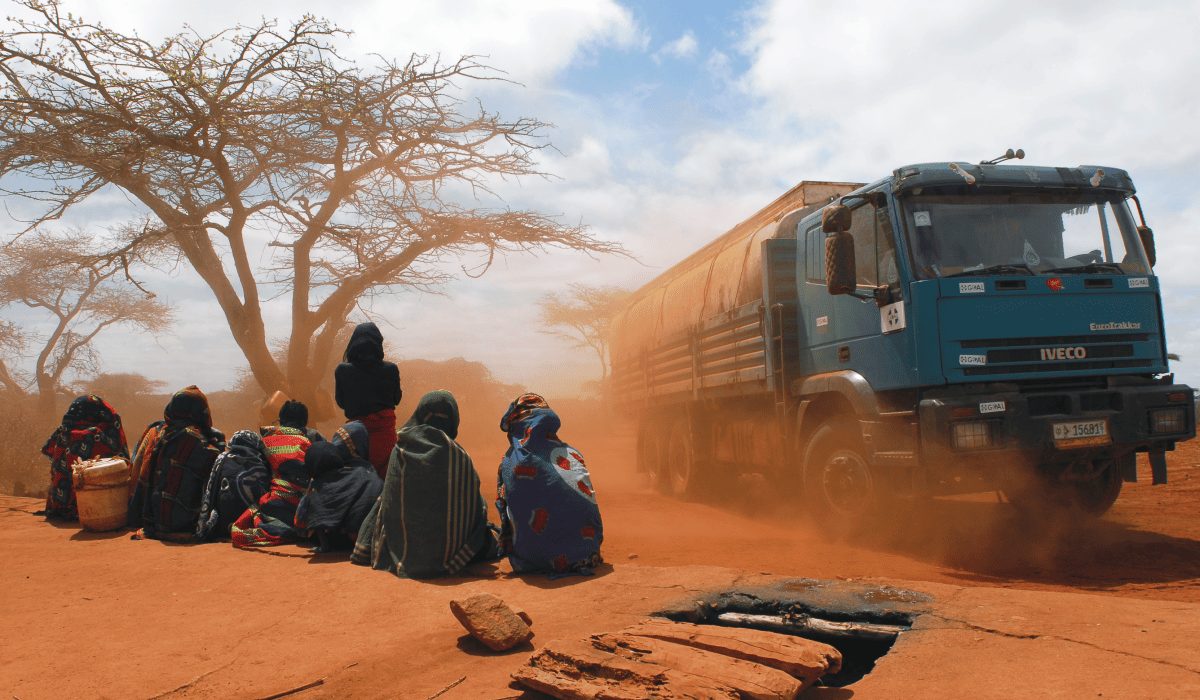
    The Horn of Africa exemplifies the profound impact of climate change on resource scarcity and conflict dynamics, a relationship that continues to undermine regional stability. Climate change in this arid and semi-arid region has led to more frequent and severe droughts, erratic rainfall patterns, and rising temperatures, all of which contribute to the degradation of natural resources. For instance, Somalia has experienced a series of devastating droughts, including the prolonged 2011 famine that claimed hundreds of thousands of lives. These environmental changes have intensified competition for scarce resources such as water and pastureland, exacerbating tensions among pastoralist and agricultural communities.

    A critical example of this dynamic is the recurring conflict between Somali herders and Ethiopian farmers in the Ogaden region. Here, disputes over access to water sources and grazing areas have frequently escalated into violent confrontations, fuelled by the growing scarcity of these resources. The situation is further complicated by the intersection of ethnic and political grievances, where resource competition becomes a flashpoint for broader historical tensions. Climate change has thus not only heightened existing disputes but also created new avenues for conflict by increasing the stakes of survival in resource-dependent economies.

    The Nile River basin provides another striking illustration of the climate-security nexus. Ethiopia’s construction of the Grand Ethiopian Renaissance Dam (GERD) has sparked diplomatic tensions with downstream nations such as Sudan and Egypt, which depend heavily on the Nile for water and agriculture. While the GERD is framed as a vital development project for Ethiopia, its implications for water availability downstream are a source of anxiety, especially in the face of declining rainfall patterns linked to climate change. This situation underscores how resource scarcity driven by environmental changes can escalate into geopolitical disputes, with potential ramifications for regional peace.

    While climate change is not the sole driver of conflict in the Horn of Africa, it acts as a multiplier, intensifying existing vulnerabilities and disputes. The interplay between environmental stress, weak governance, and socio-economic marginalisation demands integrated solutions that address not only the immediate needs of affected communities but also the systemic drivers of resource scarcity and conflict. Examples from Somalia and the Nile Basin highlight the urgent need to adopt cross-border cooperation, equitable resource-sharing agreements, and investments in climate resilience to break the cycle of scarcity and violence.

    Regional and national responses to climate-security risks

    Responses to climate security risks in the Horn of Africa have varied significantly across national and regional levels, reflecting differing capacities and priorities among the states and institutions involved. At the regional level, IGAD has taken a leading role in addressing the climate-security nexus, by establishing mechanisms like the Climate Prediction and Applications Centre (ICPAC), which provides climate data and early warning systems to help member states anticipate and mitigate climate-related risks. While this represents a commendable step towards regional cooperation, the effectiveness of these initiatives is often undermined by uneven implementation at the national level, weak institutional capacity, and limited funding.

    Ethiopia has emerged as a notable example of a country attempting to integrate climate adaptation into its national development strategy. Through its Climate Resilient Green Economy (CRGE) initiative, Ethiopia has prioritised reforestation, renewable energy, and sustainable agriculture to address both environmental degradation and economic vulnerabilities. The Ethiopian government’s efforts to rehabilitate degraded lands and expand renewable energy projects, such as the GERD, demonstrate a commitment to long-term resilience. However, the GERD itself has sparked tensions with downstream neighbours, Sudan and Egypt, highlighting the challenge of balancing national development goals with regional cooperation on shared resources.

    Regional cooperation has shown promise but remains inconsistent. For example, the Nile Basin Initiative (NBI), involving countries that share the Nile River, aims to promote equitable use and joint management of water resources. However, disagreements over the GERD and other projects have exposed the limits of consensus-building in the region. Similar challenges affect IGAD’s ability to mediate resource conflicts, as member states often prioritise national interests over regional solidarity. This tension is particularly evident in border areas, where competition for resources like water and grazing land often spills over into violence, undermining collective efforts to promote stability.

    Critically analysing these examples reveals that while some national and regional responses to climate-security risks in the Horn of Africa are innovative, they are often constrained by structural limitations. A lack of coordination between national governments and regional bodies, combined with insufficient investment in sustainable solutions, hampers progress. Furthermore, addressing these challenges requires not only technical solutions but also the political will to prioritise equitable resource management and climate adaptation as central components of peacebuilding. Without such an integrated approach, the region will continue to grapple with the compounding effects of climate change, resource scarcity, and conflict.

    Abraham Ename Minko is a senior researcher and policy analyst in peace, security, and conflict resolution.